
Have a Question?


Support at Home & Assistive Technology Funding: Your Guide to the AT-HM Scheme
INS LifeGuard • August 21, 2026
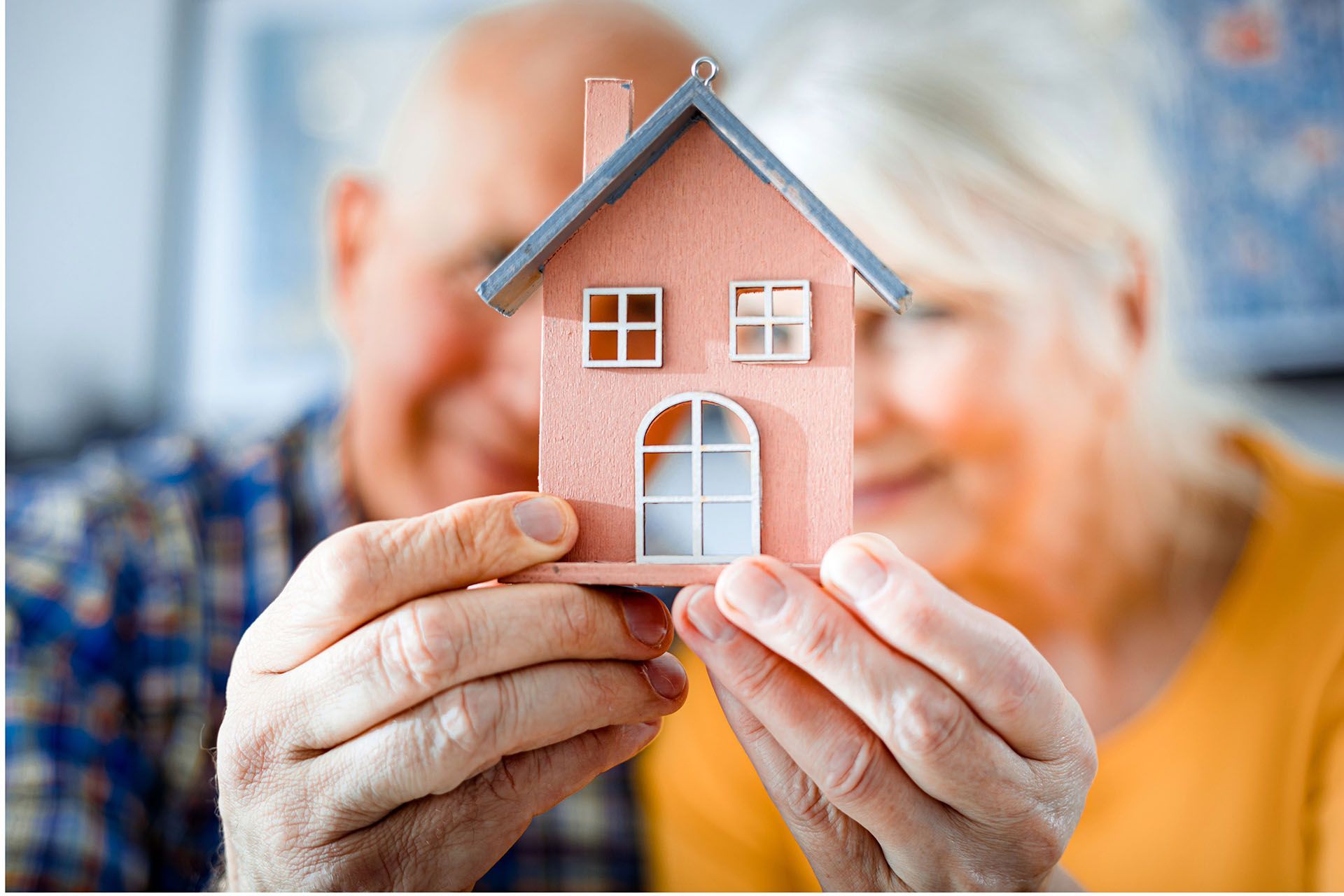
The Assistive Technology and Home Modifications (AT-HM) Scheme is part of the Australian Government's Support at Home program. It provides separate funding for approved assistive technology, equipment and home modifications that help older Australians live safely and independently at home.
Unlike ongoing Support at Home services, AT-HM has its own needs-based funding. This means eligible participants don't have to dip into their ongoing quarterly Support at Home budget to pay for approved assistive technology or home modifications.
In this guide, we explain how AT-HM funding works, who can access it, the different funding tiers, how to access items, and what's included on the AT-HM list.
In this guide, we:
- Explain what the AT-HM Scheme is
- Explain who can access AT-HM funding
- Break down how much AT-HM funding you can receive
- Explain home modifications funding
- Explain AT-HM funding for progressive conditions
- Explain how the AT-HM categories work
- Explain participant contributions towards AT-HM
- Show the complete AT-HM list
- Explain how the AT-HM Priority System works
- Explain how to access AT-HM funding
- Explain where INS LifeGuard personal alarms fit within AT-HM
What is the Assistive Technology and Home Modifications (AT-HM) Scheme?
The Assistive Technology and Home Modifications Scheme, commonly referred to as AT-HM, provides Support at Home participants with separate access to funding for assistive technology and home modifications.
The aim is to help older people maintain their independence, manage age-related functional decline or disability, and continue living safely at home.
AT-HM funding is separate from the funding allocated for ongoing Support at Home services. This means participants don't have to accumulate money from their quarterly ongoing care budget to purchase approved equipment or make approved home modifications.
Depending on assessed needs, a person may be approved for assistive technology funding, home modifications funding, or both.
Who Can Access AT-HM Funding?
Access to AT-HM is based on an older person's assessed needs.
During an aged care assessment, the assessor considers whether assistive technology, home modifications or both may help the person maintain function, manage disability or age-related functional decline, and live safely and independently at home.
If AT-HM is required, the person can be approved for an appropriate funding tier. Approval is recorded in the person's Notice of Decision and support plan.
How Much AT-HM Funding Can You Receive?
| Funding Tier | Funding Amount | Standard Funding Period |
|---|---|---|
| Low | Up to $500 | 12 months |
| Medium | Up to $2,000 | 12 months |
| High | Up to $15,000 | 12 months |
Where a person's assessed assistive technology needs exceed $15,000, additional funding may be available where the relevant requirements are met. Unused funds do not roll over into the following year.
Home Modifications Funding
Home modifications also have low, medium and high funding tiers.
High-tier home modification funding is capped at $15,000 per person over their lifetime, excluding any additional supplement the person may be eligible for.
Different rules can apply to funding periods for complex home modifications.
What If You Have a Progressive Condition?
Some people have conditions where functional abilities and assistive technology requirements are likely to change over time.
Special AT-HM arrangements can apply to people with specified progressive conditions, including longer funding periods for certain medium and high assistive technology funding approvals.
This can help support changing assistive technology needs without requiring all equipment needs to be addressed at one point in time.
Learn more about Motor Neurone Disease (MND) →
Learn how to receive priority access to Support at Home and AT-HM funding →
How the AT-HM Categories Work
Every item in the AT-HM list is grouped by how it should be accessed:
| Category | What It Means | Access Method |
|---|---|---|
| Low Risk | Simple, low-cost daily living aids | No prescription needed. Can be purchased once approved. |
| Under Advice | Safe but may need professional guidance | Should be used under the advice of a provider or clinician. |
| Prescribed | Higher cost or more complex, tailored to the user | Must be prescribed by a qualified health professional. |
Tip: Ask your provider which items in your support plan fall into which category. This affects how they’re sourced and approved.
Do I Need to Pay Anything Towards AT-HM?
AT-HM items are treated as Independence services for participant contribution purposes.
Participant contributions can apply to these items. The amount you personally contribute depends on the contribution arrangements that apply to you.
Prescription and wrap-around services associated with AT-HM are treated as Clinical Supports, which have a 0% participant contribution.
See our complete guide to Support at Home costs and participant contributions →
Complete AT-HM List: What Assistive Technology and Home Modifications Are Covered?
The AT-HM list sets out the assistive technology, equipment and home modifications that may be funded through the scheme.
An item appearing on the list does not automatically mean it will be funded for every participant. AT-HM funding can only be used for listed items that address an assessed clinical need in the person's support plan and meet the applicable program requirements.
Then keep:
- Looking for a specific category?
- Existing category jump links
- Inclusions
- Detailed AT-HM tables
- Conditional Inclusions
- Exclusions / What's Not Covered
The following items are eligible under the AT-HM Scheme when listed in a participant’s support plan and assessed as necessary.
We've included the entire official AT-HM inclusions list below, organised by function and access category (Low Risk, Under Advice, or Prescribed).
Looking for a specific category?
Jump to:
Managing Body Functions | Self-Care | Mobility | Domestic Life | Communication & Emergency Alerts | Home Modifications
Inclusions
1. Managing body functions
| Function | Items | Category |
|---|---|---|
| Supporting and stimulating blood circulation (ISO: 04 06) | • Anti-oedema stockings for arms and legs and other parts of the body | 🟩 Low Risk |
| Administering medicines (ISO: 04 19) | • Assistive products for administering non-liquid medicines | 🟩 Low Risk |
| Enhance cognitive function (ISO: 04 26) | • Assistive products for memory training • Assistive products for training in sequencing, attention, concept development, classification, problem solving, understanding of time • Assistive products for training inductive/deductive reasoning • Assistive products for developing and enhancing understanding of cause and effect • Assistive products for social training • Other products to enhance cognitive function | 🟥 Prescribed |
| Manage tissue integrity (ISO: 04 33) | • Seat cushions and underlays for tissue integrity • Back cushions and back pads for tissue integrity • Assistive products for tissue integrity when lying down • Special equipment for tissue integrity | 🟥 Prescribed |
| Upper limb orthoses (ISO: 06 06) | • Finger orthoses • Hand orthoses • Hand-finger orthoses • Wrist-hand orthoses • Wrist-hand-finger orthoses • Shoulder-elbow-wrist-hand orthoses • Hand and finger joints • Wrist joints • Elbow joints • Shoulder joints • Interface components for upper limb orthoses • Structural components for upper limb orthoses • Finishing (cosmetic) components for upper limb orthoses | 🟥 Prescribed |
| Lower limb orthoses (ISO: 06 12) | • Foot orthoses | 🟥 Prescribed |
| Supporting handrails and grab bars (ISO: 18 18) | • Removable grab rails and handgrips | 🟥 Prescribed |
| Managing time, memory and planning (ISO: 22 28) | • Clocks and timepieces • Calendars and timetables • Assistive products for structuring periods of time, activities and personal goals • Memory support products | 🟥 Prescribed |
| Assist or replace arm/hand/finger function (ISO: 24 18) | • Devices for grasping • Grip adapters and attachments • Body-worn holders • Stands • Operating sticks • Pointing lamps • Arm supports to permit manual activities • Robotic manipulators | 🟥 Prescribed |
2. Self-care
| Function | Items | Category |
|---|---|---|
| Clothes and shoes (ISO: 09 03) |
|
Low Risk |
| Body-worn assistive products for body protection (ISO: 09 06) |
|
Under Advice |
| Body stabilisation (ISO: 09 07) |
|
Under Advice |
| Dressing and undressing (ISO: 09 09) |
|
Low Risk |
| Toileting (ISO: 09 12) |
|
Low Risk |
|
Under Advice | |
|
Prescribed | |
| Collecting urine and faeces (ISO: 09 27) |
|
Under Advice |
|
Prescribed | |
| Absorbing products to contain urine and faeces (ISO: 09 30) |
|
Prescribed |
| Prevent involuntary urine or faeces leakage (ISO: 09 31) |
|
Prescribed |
| Washing, bathing and showering (ISO: 09 33) |
|
Low Risk |
|
Prescribed | |
| Nail care (ISO: 09 36) |
|
Low Risk |
| Hair care (ISO: 09 39) |
|
Low Risk |
| Dental care (ISO: 09 42) |
|
Low Risk |
| Facial care (ISO: 09 45) |
|
Low Risk |
| Sexual activity (ISO: 09 54) |
|
Prescribed |
Clothes and shoes (ISO: 09 03)
- Outerwear
- Gloves and mittens
- Blouses and shirts
- Jackets and trousers
- Skirts and dresses
- Underwear
- Stockings and socks
- Nightwear
- Bathing wear
- Bibs and aprons
- Shoes and boots
- Anti-slip assistive products for shoes and boots
- Buttoning devices and fasteners
- Neckties and bowties
Low Risk
Body-worn assistive products for body protection (ISO: 09 06)
- Assistive products for head protection (e.g., epilepsy helmets, bump caps)
- Assistive products for eye protection or face protection
- Assistive products for ear protection or hearing protection
- Assistive products for elbow protection or arm protection
- Assistive products for hand protection (e.g., wheelchair gloves)
- Assistive products for knee protection or leg protection
- Assistive products for heel protection, toe protection or foot protection
- Assistive products for trunk protection or whole-body protection
- Assistive products for airway protection
- Protective sheaths for bathing
Under Advice
Body stabilisation (ISO: 09 07)
- Seat belts, belts and harnesses for body stabilisation
- Positioning pillows, positioning cushions and positioning systems
Under Advice
Dressing and undressing (ISO: 09 09)
- Assistive products for putting on or removing clothing
- Shoehorns and bootjacks
- Clothes holders
- Dressing and undressing hooks or sticks
- Zipper pullers
- Button hooks
Low Risk
Toileting (ISO: 09 12)
Low Risk
- Toilet seats
- Toilet splash guards
- Toilet paper tongs
- Bedpans
Low Risk
Under Advice
- Commode chairs – without castors
Under Advice
Prescribed
- Commode chairs – with castors
- Raised toilet seats, free-standing
- Raised toilet seats, detachable
- Raised toilet seats, fixed to toilet
- Toilet seats with built-in raising mechanism to assist standing up and sitting down
- Toilet arm supports and toilet back supports mounted on toilet
- Toilet arm supports and toilet back supports, free-standing
- Padding for toilet seats
Prescribed
Collecting urine and faeces (ISO: 09 27)
Under Advice
- Non-body-worn urinals and urine bottles
Under Advice
Prescribed
- Suspenders and fastening devices for urine collectors
Prescribed
Absorbing products to contain urine and faeces (ISO: 09 30)
- Absorbent products, washable
- Underpads for non-body-worn use to protect chair or bedding, washable
Prescribed
Prevent involuntary urine or faeces leakage (ISO: 09 31)
- Incontinence alarms
Prescribed
Washing, bathing and showering (ISO: 09 33)
Low Risk
- Non-slip bathmats, non-slip shower mats and non-slip tapes
- Back supports for bath or shower
Low Risk
Prescribed
- Washcloths, sponges and brushes with holder, handle or grip
- Assistive products for drying oneself
- Bath boards
- Bath seats
- Shower chairs with and without wheels
- Bathing stretchers, shower tables and adult changing tables
- Bathtub shelves
- Assistive products for reducing length or depth of a bathtub
Prescribed
Nail care (ISO: 09 36)
- Nail brushes
- Nail files and emery boards
- Nail scissors and clippers
Low Risk
Hair care (ISO: 09 39)
- Assistive products for shampooing
- Combs and hairbrushes
- Hair dryers
Low Risk
Dental care (ISO: 09 42)
- Unpowered toothbrushes
- Powered toothbrushes
Low Risk
Facial care (ISO: 09 45)
- Shaving brushes, razors and (electric) shavers
- Assistive products for application of facial products
- Mirrors for facial care
Low Risk
Sexual activity (ISO: 09 54)
- Assistive products for sexual habitation and rehabilitation
Prescribed
3.
Mobility
| Function | Items | Category |
|---|---|---|
| Walking, not manipulated by the arms (ISO: 12 02) | • Assistive products for walking, not manipulated by the arms | 🟥 Prescribed |
| Walking, manipulated by one arm (ISO: 12 03) | • Walking sticks • Elbow crutches • Forearm crutches • Axillary crutches • Multi-tip walking sticks • Walking sticks with seat • Lateral support frames • Walking sticks with wheels | 🟥 Prescribed |
| Walking, manipulated by both arms (ISO: 12 06) | • Walking frames • Rollators • Walking trolleys • Walking chairs • Walking tables • Powered rollators | 🟥 Prescribed |
| Accessories for assistive products for walking (ISO: 12 07) | • Accessories for assistive products for walking to provide support for specific body parts • Accessories for assistive products for walking to protect from injury • Seats for assistive products for walking • Accessories attached to assistive products for walking to hold or carry objects • Products to hold assistive products for walking in place when not in use • Accessories to enable a person to manoeuvre assistive products for walking • Accessories to adjust height of rollators and walking frames • Lights and safety signalling devices for assistive products for walking • Tyres and wheels for assistive products for walking • Power assist units for assistive products for walking | 🟥 Prescribed |
| Guide canes and symbol canes for orientation (ISO: 12 08) | • Guide canes • Symbol canes • Accessories for guide canes and symbol canes | 🟦 Under Advice |
| Vehicle accessories and vehicle adaptations (ISO: 12 12) | • Vehicle accessories and vehicle adaptations to control speed • Vehicle accessories and vehicle adaptations to operate steering system • Accessories and adaptations to complementary functions necessary to operate vehicles • Vehicle occupant restraining systems • Seats and cushions for motor vehicles and accessories and adaptations relating to seating in vehicles • Hoists to transfer person into or out of vehicles without wheelchair • Assistive products for transferring a person seated in a wheelchair into or out of vehicles • Assistive products for loading unoccupied wheelchairs onto or into vehicles • Assistive products for fastening wheelchairs in vehicles • Vehicle chassis and body adaptations • Products and equipment to carry unoccupied wheelchairs on or attached to vehicles | 🟥 Prescribed |
| Diverse motorised vehicles (ISO: 12 17) | • Diverse four-wheeled motorised vehicles | 🟥 Prescribed |
| Manual wheelchairs (ISO: 12 22) | • Bimanual handrim-drive wheelchairs • Bimanual lever-drive wheelchairs • Single-side manual drive wheelchairs • Handrim-activated power-assisted wheelchairs • Foot-propelled wheelchairs • Push wheelchairs • Power-assisted push wheelchairs | 🟥 Prescribed |
| Powered wheelchairs (ISO: 12 23) | • Electrically powered wheelchairs with manual direct steering • Electrically powered wheelchairs with electronic steering • Assistant-controlled electrically powered wheelchairs • Stair-climbing powered wheelchairs • Self-balancing wheelchairs | 🟥 Prescribed |
| Wheelchair accessories (ISO: 12 24) | • Steering and control systems for wheelchairs • Propulsion units for manual wheelchairs • Half-hand bikes • Lights and safety signalling devices for wheelchairs • Running or parking brakes for wheelchairs • Tyres, wheels and castors for wheelchairs • Batteries and battery chargers for wheelchairs • Devices for cleaning wheelchairs or any part of wheelchairs • Devices to protect wheelchairs and their occupants from sunlight or precipitation • Devices to connect a wheelchair to a bicycle • Devices to which a wheelchair is attached that facilitate movement up and down stairs • Devices attached to wheelchairs to hold or carry objects • Devices to check surroundings of wheelchairs • Pivot drive wheels units | 🟥 Prescribed |
| Accessories for wheelchair seating (ISO: 12 25) | • Back supports for wheelchairs • Seat cushions and underlays • Arm supports for wheelchairs • Head supports and neck supports for wheelchairs • Leg supports and foot supports for wheelchairs • Trunk supports and pelvic supports for wheelchairs • Lap trays for wheelchairs | 🟥 Prescribed |
| Diverse human powered vehicles (ISO: 12 27) | • Crawlers and mobility boards • Manually powered stand-on mobility devices | 🟥 Prescribed |
| Changing body position (ISO: 12 31) | • Assistive products for sliding and turning • Turntables • Not mounted rails for self-lifting • Grip ladders • Lifting belts and harnesses • Transfer platforms • Lifting seats and mattresses | 🟥 Prescribed |
| Lifting persons (ISO: 12 36) | • Mobile hoists for transferring a person in sitting position with sling seats • Mobile hoists for transferring person in standing position • Mobile hoists for transferring a person in sitting position with solid seats • Mobile hoists for transferring person in lying position • Stationary hoists fixed to walls, floor or ceiling • Stationary hoists fixed to, or mounted in or on, another product • Stationary free-standing hoists • Body support units for hoists | 🟥 Prescribed |
4. Domestic life
| Function | Items | Category |
|---|---|---|
| Preparing food and drink (ISO: 15 03) | • Assistive products for weighing and measuring to prepare food and drink • Assistive products for cutting, chopping and dividing to prepare food and drink • Assistive products for cleaning and peeling • Assistive products for baking • Machines for food preparation | 🟩 Low Risk |
| Dishwashing (ISO: 15 06) | • Dishwashing brushes and flask brushes • Dish drying racks • Dishcloth wringers | 🟩 Low Risk |
| Eating and drinking (ISO: 15 09) | • Assistive products for service and storing food and drink • Food dispensers • Stoppers and funnels • Cutlery, chopsticks, straws • Mugs, glasses, cups, and saucers • Plates and bowls • Food guards • Egg cups | 🟩 Low Risk |
| • Feeding apparatus | 🟥 Prescribed | |
| Housecleaning (ISO: 15 12) | • Dustpans, dust brushes and dust brooms • Brushes, sponges, chamois leathers, dusters and floorcloths • Vacuum cleaners • Carpet sweepers for dry use • Floor mopping equipment | 🟩 Low Risk |
| Making and maintaining textiles for domestic use (ISO: 15 15) | • Scissors • Ironing machines and irons • Ironing boards and ironing tables • Laundry baskets on castors • Wringers for laundry • Clothespins • Assistive products for drying clothes* • Shoe cleaning devices | 🟩 Low Risk |
| Gardening and lawn care for domestic use (ISO: 15 18) | • Tools for outdoor gardening • Assistive products for protecting the body while gardening • Tools for indoor gardening and flower arranging | 🟩 Low Risk |
| Tables (ISO: 18 03) | • Reading desks, writing desks and standing desks • Dining tables • Bed tables | 🟥 Prescribed |
| Light fixtures (ISO: 18 06) | • General lights • Reading lights and working lights | 🟥 Prescribed |
| Sitting furniture (ISO: 18 09) | • Chairs • Stools • Standing chairs • Coxit chairs • Lounge chairs and easy chairs • Special sitting furniture • Chair lifts and chair transporters • Modular seating systems | 🟦 Under Advice |
| Accessories for sitting furniture (ISO: 18 10) | • Back cushions • Neck and head support for sitting furniture • Leg rests and footrests • Cushions or systems added to seats to assist a person to stand or sit | 🟦 Under Advice |
| Beds and bed equipment (ISO: 18 12) | • Beds and detachable bed boards/mattress support platforms, non-adjustable • Beds and detachable bed boards/mattress support platforms with manual adjustment • Beds and detachable bed boards/mattress support platforms with powered adjustment • Bed lifts • Bedding • Mattress and mattress coverings • Blanket supports • Separate adjustable back supports and leg supports for beds • Side rails to be fixed to beds • Rails for self-lifting to be fixed to beds • Assistive products for bed-shortening • Assistive products for bed-lengthening | 🟥 Prescribed |
| Height adjustment of furniture (ISO: 18 15) | • Leg extenders • Height-adjustable plinths and brackets • Pedestals and fixed height plinths and brackets | 🟥 Prescribed |
| Vertical accessibility (ISO: 18 30) | • Portable ramps | 🟥 Prescribed |
| Manipulate containers (ISO: 24 06) | • Container openers • Tube-squeezing devices | 🟩 Low Risk |
| Extended reach (ISO: 24 21) | • Manual gripping tongs • Electric gripping tongs • Extenders without gripping function | 🟦 Under Advice |
| Positioning (ISO: 24 24) | • Fixed-position systems | 🟦 Under Advice |
| Fixation (ISO: 24 27) | • Suction cups • Non-slip pads • Clips and spring-clips • Magnets, magnetic strips and clamps | 🟩 Low Risk |
| Carrying and transporting (ISO: 24 36) | • Assistive products for carrying • Baggage and shopping trolleys • Trolleys | 🟩 Low Risk |
| Care of animals (ISO: 30 34) | • Products to enable the feeding, cleaning and other care of pets | 🟦 Under Advice |
5. Communication and information management
| Function | Items | Category |
|---|---|---|
| Seeing (ISO: 22 03) | • Light filters (absorption filters) • Magnifier glasses, lenses and lens systems for magnification • Assistive products for extending and adjusting range and angle of the field of vision • Image-enlarging systems • Screen magnification software | 🟦 Under Advice |
| Voice and speech functions (ISO: 22 09) | • Voice amplifiers for personal use | 🟥 Prescribed |
| Reading, writing and drawing (ISO: 22 13) | • Page turners • Writing boards, reading stands and book support cushions • Reading masks and typoscopes • Manual devices for drawing and handwriting • Manual Braille writing equipment • Portable note-taking devices for Braille • Assistive products for Braille training | 🟦 Under Advice |
| • Signature guides, stamps and writing frames • Text-to-speech devices and software • OCR equipment and OCR software • DAISY players and e-book readers | 🟥 Prescribed | |
| Face-to-face communications (ISO: 22 21) | • Letter and symbol sets and boards • Dialogue units • Face-to-face communication software | 🟥 Prescribed |
| Distant communications (ISO: 22 24) | • Multifunctional communication systems • Accessories for assistive products for distant communication • Software for distant communication | 🟥 Prescribed |
| Signalling, alarming and localisation (ISO: 22 29) | • Signalling devices • Personal emergency alarm systems • Environmental emergency alarm systems • Localising and tracking systems • Marking materials and marking tools | 🟥 Prescribed |
| Output devices (ISO: 22 39) | • Visual displays • Tactile displays | 🟦 Under Advice |
| Orientation (ISO: 22 45) | • Tactile orientation materials • Visual orientation materials | 🟩 Low Risk |
| Electronic assistive products for operation and controlling devices (ISO: 24 13) | • Switches for electrical devices • Keyboards • Computer pointing devices | 🟥 Prescribed |
| Adaptive products for social interaction (Play) (ISO: 30 03) | • Games (products designed to enable a person to engage in recreational activities) | 🟩 Low Risk |
6. Home modifications
| Function | Items | Category |
|---|---|---|
| Toileting (ISO: 09 12) | • Toilets • Toilet roll holders • Wall-mounted urinals • Douches and air dryers for attachment to a toilet • Transportable hygiene rooms | 🟥 Prescribed |
| Collecting urine and faeces (ISO: 09 27) | • Automatic toileting systems for collecting urine and faeces | 🟥 Prescribed |
| Washing, bathing and showering (ISO: 09 33) | • Showers and shower units • Wash basins • Bidets • Bathtubs • Soap holders and soap dispensers | 🟥 Prescribed |
| Dishwashing (ISO: 15 06) | • Sinks | 🟥 Prescribed |
| Light fixtures (ISO: 18 06) | • General lights • Reading lights and working lights | 🟥 Prescribed |
| Supporting handrails and grab bars (ISO: 18 18) | • Handrails and support rails • Fixed grab bars and handgrips • Removable grab rails and handgrips • Hinged rails and arm supports | 🟥 Prescribed |
| Gate, door, window and curtain openers/closers (ISO: 18 21) | • Door openers and door closers • Window openers and window closers • Curtain openers and curtain closers • Sunblind openers and sunblind closers • Locks | 🟥 Prescribed |
| Construction elements in homes (ISO: 18 24) | • Plumbing fittings and taps • Windows • Thresholds • Floor coverings • Stairs • Counter tops | 🟥 Prescribed |
| Vertical accessibility (ISO: 18 30) | • Elevators • Fixed lifting platforms • Free-standing lifting platforms • Portable lifting platforms • Stairlifts with seat • Stairlifts with platform • Fixed ramps • Ladders and step ladders | 🟥 Prescribed |
| Safety equipment for homes and other premises (ISO: 18 33) | • Non-slip materials for floor and stairs • Safety mats to prevent injuries • Safety barriers, fences and gates for windows, staircases and lifts • Safety valves for gas supplies • Assistive products for the indoor environment to prevent burns and accidental fires • Rescue equipment • Fire-resistant floor coverings | 🟥 Prescribed |
| Furniture for storage (ISO: 18 36) | • Shelves • Cupboards • Medicine cabinets • Fittings for shelves, cupboards and cabinets | 🟥 Prescribed |
| Mechanical assistive products for operation and controlling devices (ISO: 24 09) | • Push-buttons • Fixed handles and knobs • Rotating handles and knobs | 🟥 Prescribed |
| Electronic assistive products for operation and controlling devices (ISO: 24 13) | • Wired remote controls • Wireless remote controls • Software for operating electrical devices • Accessories for products for operating and controlling electrical devices | 🟥 Prescribed |
Conditional Inclusions
Items that may be funded with clinical or cultural justification
Some assistive technology or home modification items are only available if they are explicitly justified in a participant’s care plan. These are called conditional inclusions — they’re not guaranteed, but they can be funded under the AT-HM Scheme when appropriate.
Domestic life
May be prescribed if evidence is provided to support an assessed need, such as ongoing and severe incontinence unable to be managed.
| Function | Items | Category |
|---|---|---|
| Making and maintaining textiles for domestic use (Conditional) (ISO: 15 15) | • Washing machines • Assistive products for drying clothes – tumble dryers and spin dryers | 🟥 Prescribed |
May be prescribed to meet an assessed, specialised need only (for example, older people with asthma or other respiratory conditions). These must be portable items.
| Function | Items | Category |
|---|---|---|
| Environmental impact (Conditional) (ISO: 27 03) | • Assistive products for controlling indoor air temperature and humidity • Assistive products for improving indoor air quality • Assistive products for reducing noise • Assistive products for controlling illumination | 🟥 Prescribed |
May be considered if evidence is provided to support cultural practices, such as for older Aboriginal and Torres Strait Islander people.
| Function | Items | Category |
|---|---|---|
| Hunting and fishing (Conditional) (ISO: 30 18) | • Assistive products for hunting • Assistive products for fishing | 🟦 Under Advice |
| Camping and caravanning (Conditional) (ISO: 30 27) | • Assistive products for camping | 🟦 Under Advice |
Communication and information management
These items are only available where they are not covered by the Hearing Services Program.
| Function | Items | Category |
|---|---|---|
| Hearing (Conditional; only if not covered by Hearing Services Program) (ISO: 22 06) | • Sound transmission systems for hearing aids • Accessories for assistive products for hearing | 🟥 Prescribed |
May be prescribed, where software or applications are also prescribed, and the older person has no capacity to buy.
| Function | Items | Category |
|---|---|---|
| Computers and terminals (Conditional) (ISO: 22 33) | Portable computers and personal digital assistants (PDA) | 🟥 Prescribed |
Assistance dogs
If a participant is not accessing the government-funded Physical Assistance Dogs Program, some of the costs associated with essential assistance dog maintenance may be included under the AT-HM scheme where the services directly relate to the upkeep of the dog.
A dog must meet the definition of an assistance dog used by Health Direct and be required to enable participation in activities of domestic life.
Essential assistance dog maintenance costs may include: animal vaccinations, deworming and flea treatments, essential grooming, dog food, vet bills. It does not include non-essential assistance dog maintenance costs, such as boarding kennel fees, or grooming for aesthetic reasons.
Note: funding for assistance dogs is a specific need with separate funding. Participants may only claim for the following where they have received this separate funding, and the dog meets the definition of assistance dog used by Health Direct.
| Function | Items | Category |
|---|---|---|
| Assistance dog maintenance | Essential assistance dog maintenance costs | 🟥 Prescribed |
Conditional inclusions require supporting evidence during your aged care assessment.
What’s Not Covered (Exclusions)
Items not eligible for AT-HM funding
Certain items are never covered under the AT-HM Scheme. These typically include general household goods, entertainment products, or non-essential services that don't directly support a participant’s health, safety, or independence.
| Function | Items |
|---|---|
| Managing body functions | |
| Respiration (ISO: 04 03) | • Inhaled-air pretreatment devices • Inhalation equipment • Respirators • Oxygen units • Aspirators • Benches and cushions for respiration • Respiration muscle trainers • Uvula supports |
| Supporting and stimulating blood circulation (ISO: 04 06) | • Air-filled garments and compression units for managing circulation |
| Stimulating body control and conceptualisation (ISO: 04 08) | • Garments that facilitate body posture and control or body conceptualisation with even pressure; clothes that are used to enhance daily activities (for example, compression garments, bandages, tapes) |
| Light therapy (ISO: 04 09) | • Ultraviolet A (UVA) lamps • Selective Ultraviolet Phototherapy (SUP) and Ultraviolet B (UVB) lamps • Protective eyeglasses for light therapy |
| Dialysis therapy (ISO: 04 15) | • Haemodialysis units (HD) • Units for continuous ambulant peritoneal dialysis (CAP) • Instrument sets for dialysis |
| • Administering medicines • (ISO: 04 19) | • Injection guns • Injection syringes (single-use and multi-use) • Injection needles (single-use, multi-use or permanent use) • Infusion pumps • Unpowered infusion systems • Other assistive products for administering medicines |
| • Sterilising equipment • (ISO: 04 22) | • Sterilising equipment |
| • Physical, physiological and biochemical test equipment and materials • (ISO: 04 24) | • Urine analysis equipment • Blood pressure meters (sphygmomanometers) • Blood analysis devices, equipment and materials • Electrocardiogram (ECG) equipment • Physical test and evaluation materials • Stethoscopes • Body thermometers • Personal scales • Personal scales for seated person • Respiration meters |
| • Cognitive test and evaluation materials • (ISO: 04 25) | • Language test and evaluation materials • Psychological test and evaluation materials |
| Stimulators for treatment on cellular and tissue level (ISO: 04 27) | • Muscle stimulators not used as orthoses • Vibrators • Assistive products for stimulating cell growth • Stimulators used in connection with implants |
| Stimulating senses (ISO: 04 28) | • Assistive products for stimulating senses with light • Assistive products for stimulating senses with sound • Assistive products for stimulating senses by physical touch • Assistive products for training in: o perceptual discrimination and matching o perceptual coordination o sensory integration |
| Pain relief (ISO: 04 29) | • Equipment for pain relief by physiological manipulation or psychological distraction |
| Heat or cold treatment (ISO: 04 30) | • Assistive products for heat treatment • Assistive products for cold treatment |
| Spinal traction (ISO: 04 45) | • Devices used to produce stretching of the spine |
| Equipment for movement, strength and balance training (ISO: 04 48) | • Exercise and ergometer cycles • Assistive products for exercising gait pattern • Finger and hand exercise devices • Arm exercise devices, trunk exercise devices and leg exercise devices • Biofeedback devices for movement, strength and balance training • Assistive products for body positioning during therapy • Jaw exercise devices • Assistive products for training the pelvic floor • Assistive products for training in personal mobility • Standing frames and supports for standing • Tilting tables |
| Wound care products (ISO: 04 49) | • Wound care products |
| Self-care | |
| Clothes and shoes (ISO: 09 03) | • Headwear |
| Tracheostomy care (ISO: 09 15) | • Tracheostoma cannulas • Laryngectomy tubes • Tracheostoma protectors • Accessories for tracheostomy care |
| Ostomy care (ISO: 09 18) Available through the Stoma Appliance Scheme | • One-piece effluent systems for ostomy care • Plates for two-piece effluent systems for ostomy care • Bags for two-piece effluent systems for ostomy care • Additional bags for ostomy care • Filling products for ostomy care • Assistive products for: o supporting and holding in place effluent systems for ostomy care o dilatating stoma o bowel irrigation o draining or flushing internal stoma o sealing stoma • Post-operative ostomy bags and accessories • Accessories for ostomy care |
| Skin care, skin protection and skin cleaning (ISO: 09 21) | • Adhesive solvents • Skin detergents • Disinfectants • Sealing materials • Skin-protective agents • Callous smoothers |
| Management of menstruation (ISO: 09 32) | • Assistive products to manage menstrual flow |
| Washing, bathing and showering (ISO: 09 33) | • Bath thermometers |
| Sexual activity (ISO: 09 54) | • Condoms |
| Mobility | |
| Cars, vans and pick-up trucks (ISO: 12 10) | • Cars, vans and pick-up trucks with height-adjustable chassis • Low-speed cars • Cars, vans and pick-up trucks with raised roof |
| Diverse motorised vehicles (ISO: 09 54) | • Powered stair-climbing transporters |
| Domestic life | |
| Eating and drinking (ISO: 15 09) | • Feeding systems for enteral feeding (for example, enteral feeding pumps, tubes, accessories) |
| Communication and information management | |
| Seeing (ISO: 22 03) | • Spectacles and contact lenses • Binoculars and monoculars |
| Hearing (ISO: 22 06) | • Ear-trumpets • Hearing amplifiers • Spectacle hearing airs • In-the-ear hearing aids • Behind-the-ear hearing aids • Tactile hearing aids • Hearing aids used in connection with implants |
| Voice and speech functions (ISO: 22 09) | • Voice generators • Speech flow devices |
| Record, play and display audio and visual information (ISO: 22 18) | • Decoders for videotext and text television • Microphones • Loudspeakers • Headphones, earphones and headsets |
Out of scope for participants
Items considered usual household expenses or discretionary expenses (for example, secondary mobility products, assistive technology for sport or recreation)
| Function | Items |
|---|---|
| Washing, bathing and showering (ISO: 09 33) | • Assistive products for floating |
| Sexual activity (ISO: 09 54) | • Dummies for sexual activity • Assistive products for erection • Vibrators for sexual activity |
| Mopeds and motorcycles (ISO: 12 16) | • Two-wheeled mopeds and motorcycles • Three-wheeled mopeds and motorcycles |
| Diverse motorised vehicles (ISO: 12 17) | • Stand-on motorised vehicles |
| Cycles (ISO: 12 18) | • Foot-propelled bicycles • Hand-propelled bicycles • Foot-propelled tricycles and quadricycles • Hand-propelled tricycles and quadricycles • Tandems, tricycles and four-wheeled cycles for two or more persons • Cycle adaptations • Trailers for cycles |
| Manual wheelchairs (ISO: 12 22) | • Stair-climbing manual wheelchairs |
| Powered wheelchairs (ISO: 12 23) | • Combustion powered wheelchairs |
| Diverse human powered vehicles (ISO: 12 27) | • Transportation chairs • Sledges • Pedal cars and playing carts • Wheeled stretchers • Running bikes • Unpowered scooters |
| Changing body position (ISO: 12 31) | • Carrying chairs, carrying harnesses and carrying baskets |
| Preparing food and drink (ISO: 15 03) | • Assistive products for cooking and frying • Cooking units • Refrigerators and freezers |
| Dishwashing (ISO: 15 06) | • Dishwashers |
| Housecleaning (ISO: 15 12) | • Dispensers for kitchen roll • Floor polishers • Window cleaning equipment • Assistive products for storage of waste or disposal of waste |
| Making and maintain textiles for domestic use (ISO: 15 15) | • Sewing machines • Sewing hoops, pincushions and darning devices • Knitting machines • Knitting, crocheting, sewing and darning needles • Patterns for sewing and knitting • Assistive products for hand sewing |
| Gardening and lawn care for domestic use (ISO: 15 18) | • Adapted gardening beds |
| Tables (ISO: 18 03) | • Drafting tables and drawing tables |
| Light fixtures (ISO: 18 06) | • Podium lights and blackboard lights |
| Vertical accessibility (ISO: 18 30) | • Stair-climbing supports without seat or platform |
| Safety equipment for home and other premises (ISO: 18 33) | • Tactile materials for floors and stairs |
| Furniture for storage (ISO: 18 36) | • Bedside cabinets |
| Voice and speech functions (ISO: 22 09) | • Assistive products for voice training and speech training |
| Reading, writing and drawing (ISO: 22 13) | • Typewriters • Special writing paper/plastic • Text and multimedia processing software • Drawing and painting software • Assistive products for training in reading • Assistive products for training in writing |
| Calculation and training basic arithmetic (ISO: 22 15) | • Manual devices for calculation • Calculators • Calculation software • Assistive products for training and supporting the basics of arithmetic • Assistive products for training in basic geometric skills • Assistive products in understanding of money • Assistive products for training in mathematics and physical sciences |
| Record, play and display audio and visual information (ISO: 22 18) | • Sound recording and playing devices • Video recording and playing devices • Radio receivers • Two-way radios • Televisions • Closed-circuit television systems • Accessories for audio, video and visual systems |
| Face-to-face communication (ISO: 22 21) | • Assistive products for training in • finger spelling • Assistive products for training in sign language • Assistive products for training in lip-reading • Assistive products for training in cued speech • Assistive products for training the use of visual symbols for communication • Assistive products for training in Morse communication |
| Distant communication (ISO: 22 24) | • Devices mainly for speech communication • Telex and telefax machines • Telephone booths • Telephone switchboards • Intercoms and entry phones |
| Learning languages (ISO: 22 31) | • Assistive products for learning languages |
| Computers and terminals (ISO: 22 33) | • Desktop (non-portable) computers • Public information/transaction terminals • Operating software • Browser software • Accessories for computers and networks |
| Output devices (ISO: 22 39) | • Printers • Audible displays |
| Orientation (ISO: 22 45) | • Assistive products for electronic orientation • Assistive products for acoustic navigation • Compasses |
| Electronic products for operation and controlling devices (ISO: 24 13) | • Timer switches • Switchboards |
| Positioning (ISO: 24 24) | • Lifting and tilting systems |
| Carrying and transporting (ISO: 24 27) | • Sets of castors |
| Environmental improvement (ISO: 27 03) | • Assistive products for reducing vibrations • Water purifiers and water softeners |
| Measuring instruments | • Assistive products and tools for measuring: o length o angles and alignment o volume o mass (not of person) o electrical properties o pressure o climatic conditions o colours o sound levels o density of fluids • Assistive products and tools for counting units |
| Sports (ISO: 30 09) | • Assistive products for: o team ball sports o archery o boating o target sports o equestrianism o fencing o aviation o racquet and paddle sports o shooting o swimming and water sports o winter sports o other sports • Equipment for track and field |
| Playing and composing music (ISO: 30 12) | • Assistive products for playing and composing music |
| Producing photos, films and videos (ISO: 30 15) | • Assistive products for producing photos, films and videos |
| Handicraft tools, materials and equipment (ISO: 30 18) | • Tools, materials and equipment for: o textile handicraft o pottery o woodworking o metalworking o creative pictorial design o handicrafts with other materials |
| Smoking (ISO 30 30) | • Devices that enable a person to smoke cigarettes, cigars and pipes |
| Workplace furniture and furnishing elements (ISO: 28 03) | • Workdesks • Workbenches • Work and office chairs • Stools and standing chairs for workplaces • Storage and supply systems in workplaces • Workplace mats • Partition walls |
| Transporting objects in workplaces (ISO: 28 06) | • Hand operated industrial transport equipment • Powered pedestrian-operated industrial transport equipment • Hand operated lifting trucks • Powered rider-operated industrial transport vehicles • Powered industrial vehicles used to lift and transport materials • Conveyors |
| Hoisting and repositioning objects in workplaces (ISO: 28 09) | • Cranes, tackles and load handling attachments • Manipulators and weight balancers • Lifting and positioning systems for workplaces • Lifting platforms for workplaces |
| Fixing, reaching and grasping objects in workplaces (ISO: 28 12) | • Assistive products for carrying and gripping workpieces and tools • Assistive products for fixing and positioning workpieces and tools |
| Machines and tools for use in workplaces (ISO: 28 15) | • Manually operated hand tools • Powered hand tools • Machines for production and processing of commercial goods • Landscaping, agricultural and construction machines and equipment • Cleaning machines and equipment for workplaces • Accessories for machines and tools • Workplace robots |
| Devices for testing and monitoring in workplaces (ISO: 28 18) | • Measuring instruments and equipment for workplaces • Quality assurance devices for workplaces |
| Office administration, information storage and management at work (ISO: 28 21) | • Assistive products for organising, sorting and filing paper documents • Assistive products for processing mail • Office machines and equipment • Office software and industrial software |
| Health protection and safety in workplaces (ISO: 28 24) | • Personal protective equipment for workplaces • Assistive products for controlling illumination in workplaces • Assistive products for reducing vibration in workplaces • Air cleaners for workplaces • Assistive products for noise reduction in workplaces • Safety devices for workplaces and surrounding areas at work • Special software preventing and reducing physical or mental stress • Assistive products for recuperation during work processes |
| Vocational assessment and vocational training (ISO: 28 27) | • Assistive products for vocational assessment and vocational guidance • Assistive products for vocational training |
| Mass transit vehicles (ISO: 12 11) | • Buses with height-adjustable chassis • Trains with low floors |
| Absorbing products to contain urine and faeces (ISO: 09 30) | • Pads insert type for children, single use • Products for children with fastener system, single use • Products for children resembling underwear, single use • Absorbent products for children, washable |
| Diverse human powered vehicles (ISO: 12 27) | • Prams and buggies |
| Play (ISO: 30 03) | • Toys • Playground equipment |
Excluded items cannot be funded under AT-HM under any circumstance.
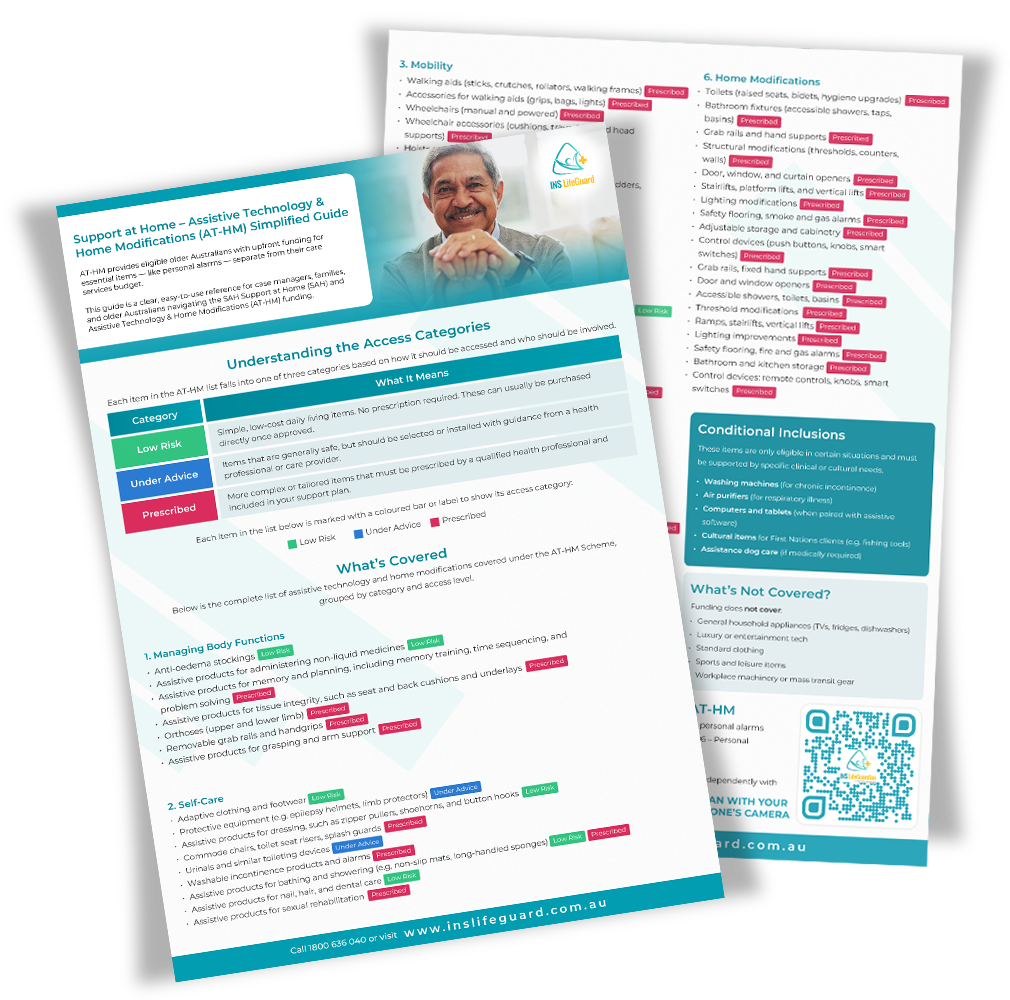
Download the Support at Home: Assistive Technology & Home Modifications (AT-HM) Simplified Guide)
Looking for the complete list of approved items under the AT-HM Scheme?
Download our clear, easy-to-use reference guide perfect for Support at Home recipients, families, occupational therapists (OTs), assessors, care coordinators, and providers.
- Includes all approved assistive technology and home modifications
- Organised by category and access level: Low Risk, Under Advice, Prescribed
- Ideal for assessments, planning, and aged care support conversations
What About People Who Transitioned From a Home Care Package?
People who transitioned from the former Home Care Packages Program have specific AT-HM arrangements.
Transitioned HCP participants can use eligible Commonwealth unspent HCP funds for items on the AT-HM list.
Where a person's needs have changed, they can
request a reassessment for an AT-HM funding
tier. Where an AT-HM funding tier is allocated, applicable Commonwealth unspent HCP funds generally need to be used before AT-HM funding.
How Does the AT-HM Priority System Work?
AT-HM has its own priority systems, separate from the priority system used to allocate ongoing Support at Home funding.
There are separate priority systems for Assistive Technology and Home Modifications.
A person enters one or both systems when they have the relevant approval and are actively seeking assistive technology or home modifications.
Funding is allocated when available, based on the person's approval date and assessed priority category.
This means being approved for AT-HM and having the funding allocated are related but separate steps.
How Do You Access AT-HM Funding?
1. Have an aged care assessment
Your assessor considers whether assistive technology or home modifications may help you remain safe and independent at home.
2. Receive an AT-HM approval
If AT-HM is appropriate, you may be approved for assistive technology, home modifications, or both.
3. Enter the relevant AT-HM priority system
Once approved and actively seeking AT-HM, you enter the relevant priority system while waiting for funding allocation, unless different pathway arrangements apply.
4. Identify suitable items
Eligible funding can use eligible funding for items on the AT-HM list that meet your assessed needs. Professional advice or prescription may be required for some items.
5. Arrange the equipment or modification
Your Support at Home provider can help coordinate approved equipment, assistive technology or home modifications.
The National Assistive Technology Loans Scheme (AT Loans)
The government is rolling out a National Assistive Technology Loans scheme (AT Loans), developed with state and territory governments, using a loan-before-buy approach for eligible items.
Here's how it will work:
- If your prescriber recommends an item from the AT-HM list that's available to loan, they'll check whether it's offered through the AT Loans scheme in your state or territory.
- If the item isn't suitable or available to loan, you can still purchase it using your AT-HM funding as usual.
- Low-risk, low-cost items are not included in the AT Loans scheme and can continue to be purchased directly.
- Home modifications are not available through the AT Loans scheme.
The scheme is being rolled out in stages, with start dates varying by state and territory. Ask your provider whether AT Loans is available in your area yet.
Assistive Technology and Home Modifications (AT-HM): Frequently Asked Questions
Is AT-HM part of Support at Home?
Yes. The Assistive Technology and Home Modifications (AT-HM) scheme is part of the Support at Home program.
However, AT-HM has separate funding arrangements from your ongoing quarterly Support at Home budget. Assistive Technology and Home Modifications also have their own Priority Systems for funding allocation.
This means you may be approved for ongoing Support at Home services and AT-HM, but the different funding allocations may become available at different times.
Do I have to use my regular Support at Home budget for assistive technology?
No. If you’re assessed and approved for eligible assistive technology or home modifications, funding is provided through the AT-HM scheme rather than being taken from your ongoing quarterly Support at Home budget.
The amount available depends on your assessed needs and the relevant AT-HM funding tier or pathway.
How much AT-HM funding can I receive?
AT-HM funding depends on what you have been assessed as needing. Assistive Technology and Home Modifications each have funding tiers, and additional funding arrangements apply in some circumstances.
Do I need an assessment to access AT-HM funding?
Yes. Assistive technology and home modifications need to relate to your assessed needs and be included in your Support Plan.
Depending on the item and its risk classification, you may also need further assessment, a prescription, or professional advice.
Does AT-HM funding cover personal alarms?
Personal alarms and monitoring technology can be eligible for AT-HM funding where they meet the applicable requirements and address an assessed need.
The required assessment and evidence can depend on the product and its AT-HM classification.
How to Get a Personal Alarm Funded Through Support at Home →
Can I be waiting for AT-HM funding even if my ongoing Support at Home funding has already been allocated?
Yes. Ongoing Support at Home, Assistive Technology and Home Modifications have separate Priority Systems for funding allocation.
This means receiving your ongoing Support at Home allocation doesn't necessarily mean your AT-HM allocation will become available at the same time.
Waiting for Support at Home? What to Do While You Wait
INS LifeGuard and AT-HM
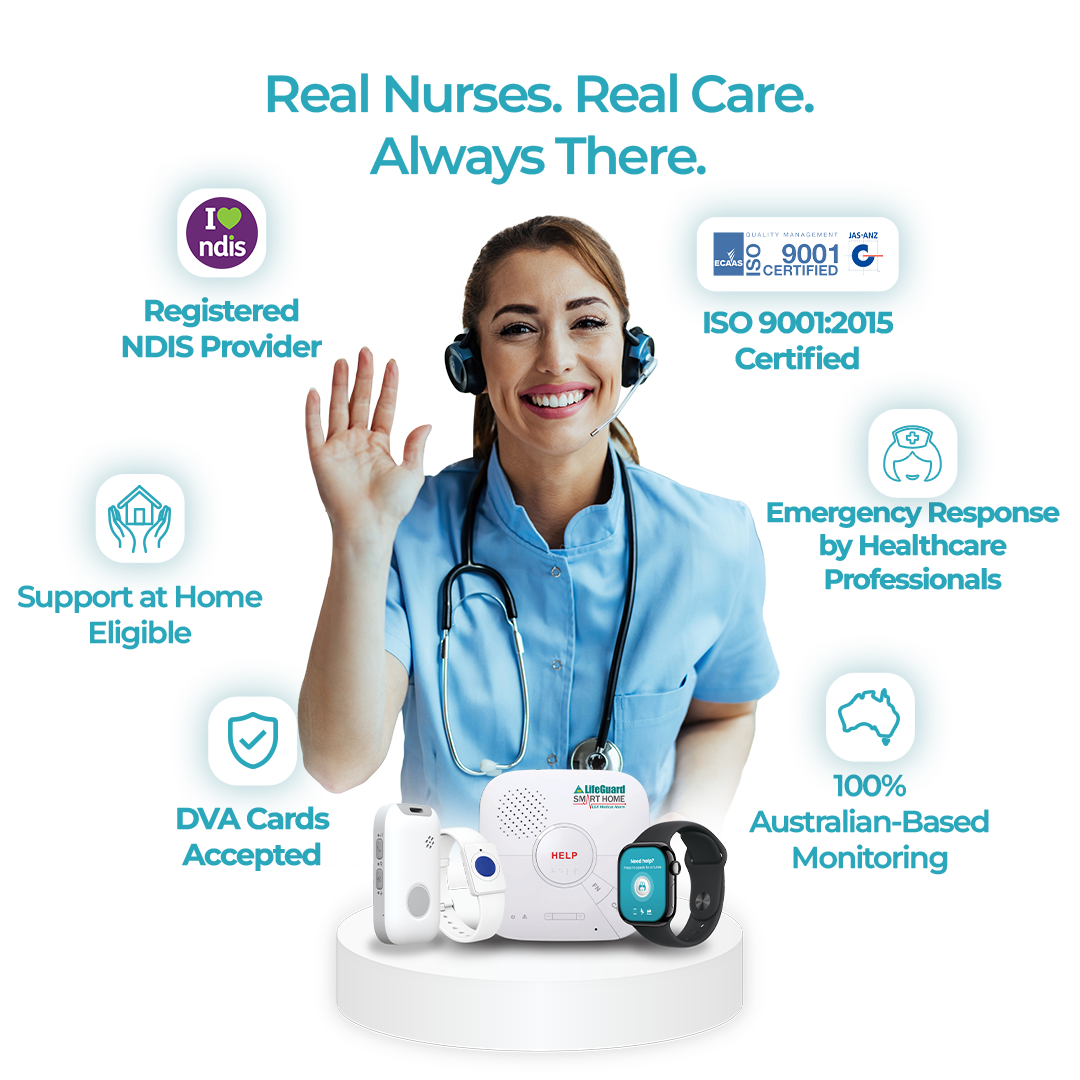
Our senior alarms and medical alarm devices provide access to a 24/7 Personal Emergency Response, Clinical Operations Centre staffed by trained emergency responders who are also qualified and experienced healthcare professionals, including Registered and Enrolled Nurses. Depending on the selected device, it may include an inbuilt fall detector, health monitoring, GPS location tracking for added reassurance when out and about, and a two-way speaker so you can speak directly with our team the moment you need help. Whether you choose an in-home alarm system or a wearable option like the INS LifeGuardian® Watch, help is never far away.
When an alarm is activated, our team can communicate with the client, assess the situation, triage the incident and coordinate an appropriate response.
Whether a personal alarm can be funded through AT-HM depends on the individual's assessed needs, approval and applicable program requirements.
Learn how to get a personal alarm funded through Support at Home →
Still Have Questions About Your Funding?
Between eligibility, tiers, contributions and now the AT Loans scheme, it's a lot to work through on your own. INS LifeGuard's funding onboarding team can walk you through your options and help you understand exactly what you're entitled to.
Call 1800 636 040 or get in touch with our team.
Related Articles
Learn about fall prevention in aged care, fall management strategies, risk factors and how personal alarms and medical alert systems can support older Australians.
Learn the early signs and symptoms of Motor Neurone Disease (MND), how it progresses, and practical ways to support independence and safety at home.
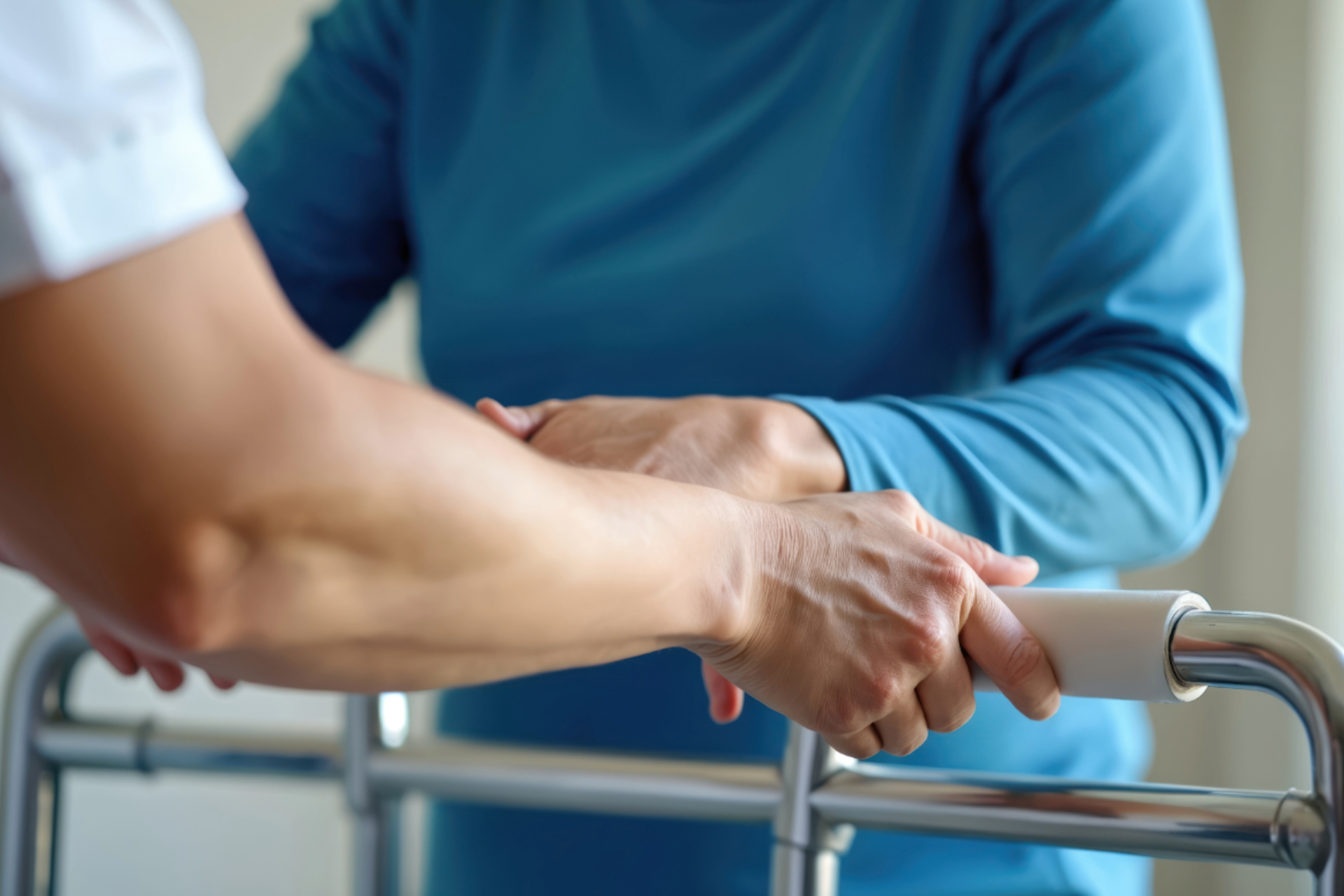
Learn how people with Motor Neurone Disease can receive priority access to Support at Home and AT-HM funding for aged care support in Australia.
About
INS LifeGuard is the only 24/7 nurse on-call personal and medical monitoring in Australia. We provide monitoring technology for both in the home and on the go and can also monitor other provider's equipment. Our services are suitable for anyone wanting support to stay independent such as the elderly, those with medical conditions and disabilities plus enhancing safety and security for lone workers.