
Have a Question?

Why Choose INS LifeGuard?
When you refer a client to a personal alarm provider, you’re not just choosing a device; you’re choosing the quality of the response.
INS LifeGuard is different by design.
We are Australia’s premier nurse-led monitored personal alarm service, combining reliable alarm technology with 24/7 clinical assessment and triage. That clinical difference has helped prevent deterioration, supported safer care at home, and — in critical moments — saved lives.
The INS Difference: Nurse Response, Not Call Centre Operators
Most monitored alarm services use non-clinical call handlers who follow scripts and escalate.
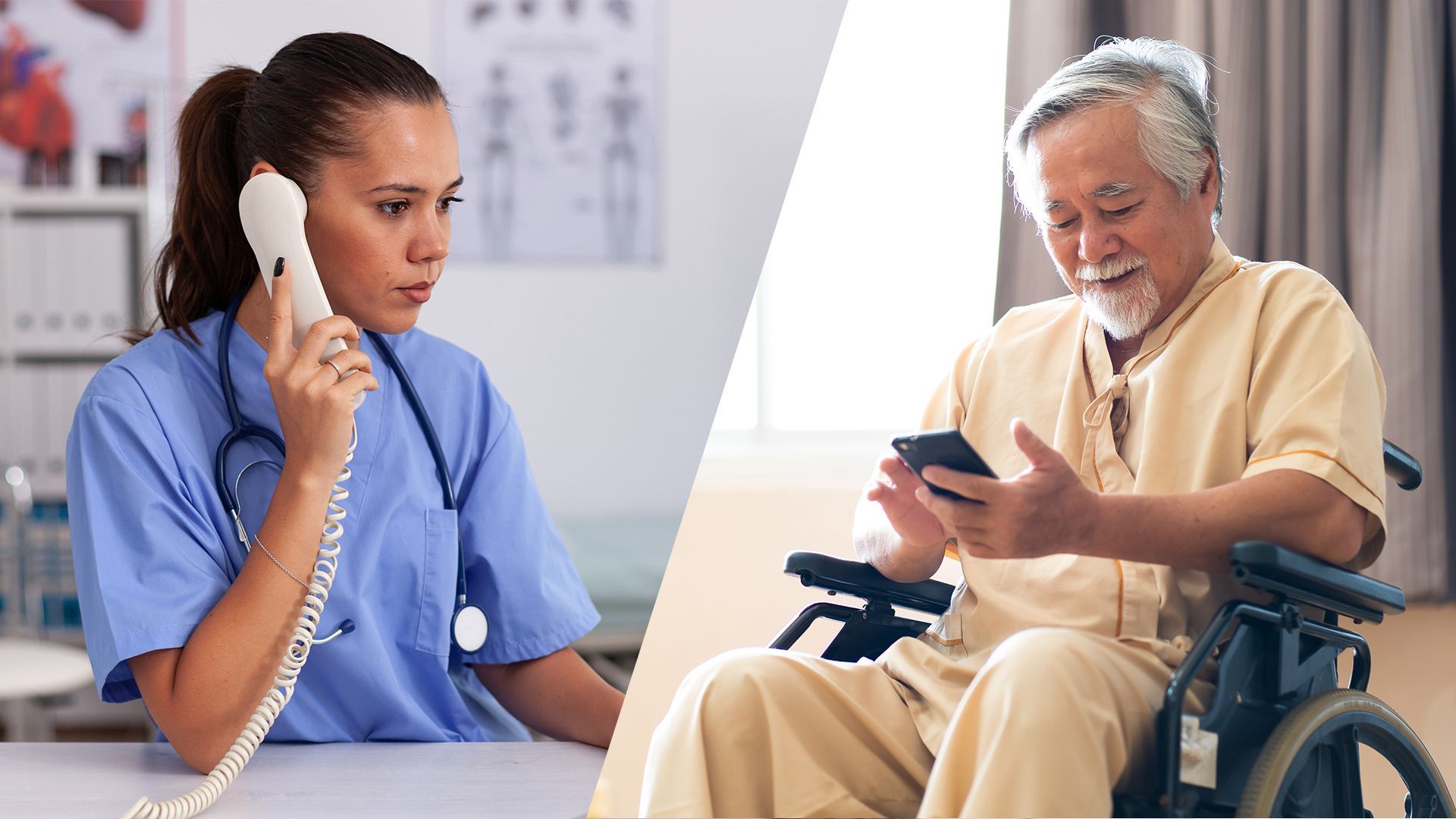
INS LifeGuard calls are answered 24/7 by qualified nurses and other healthcare professionals. This means the responder can:
- Clinically assess symptoms in real time
- Triage urgency (is this time-critical, or manageable with monitoring/advice?)
- Provide
immediate medical guidance while help is arranged
- Communicate relevant health context to family, carers, or emergency services
- Support safer decision-making and reduce avoidable escalation when appropriate
This is not just faster, it’s a smarter clinical response when minutes matter.
Personal Alarm Funding Options
INS LifeGuard supports multiple funding pathways and can help match the right solution to eligibility and goals:
Order Brochures and Provider Resources
Order brochures for clients, families, discharge planning, and care teams.
Proactive Support That Helps People Stay Home Longer
Referrers choose INS LifeGuard because we support more than “press button → send ambulance.”
Depending on the client’s needs, services can include:
- Medication prompts/reminders
- Wellness checks (including post-discharge support)
- Telehealth-style monitoring options
- Escalation pathways aligned to the situation (family/carer/urgent medical response)
It’s a more proactive, health-focused approach, designed to support independence without compromising safety.
Better Outcomes Through Appropriate Triage
A clinically trained response team helps ensure clients receive the right help, at the right time.
That can mean:
- faster escalation when red flags are present
- more informed decisions during uncertain presentations
- reduced unnecessary distress and disruption for clients and families
- avoiding avoidable ED presentations
where clinically appropriate
For providers, it means confidence that your client is supported by responders who understand health risk, not just alarm workflow.
Family & Carer Connection
INS LifeGuard supports families and carers to stay informed and involved, with options for alerts and monitoring that help reduce anxiety and improve day-to-day oversight of safety (via the Free INS LifeGuardian Connect® app, where enabled and with the client's permission)
Funding-Friendly, Referral-Friendly
We work with common funding pathways and can support matching the right solution to eligibility and goals, including:
- My Aged Care / Home Care Packages
- NDIS
- DVA Cards
- Private/self-funded options
A Partner Providers Can Trust
With decades of experience in personal safety and monitored response, INS LifeGuard is built around one core promise:
When someone presses the button or an alarm is activated, a nurse answers.
That’s the difference clients feel.
And it’s the difference providers can rely on.
Frequently Asked Questions
A comprehensive guide to the INS LifeGuard personal alarms and how they fit into Australia’s Assistive Technology and Home Modifications (AT-HM) Scheme, part of the Support at Home program under My Aged Care.
What makes INS LifeGuard different from other personal alarm providers?
INS LifeGuard is nurse-led. Calls are answered 24/7 by qualified nurses and other healthcare professionals, enabling real-time clinical assessment and triage, not scripted call handling. This supports faster escalation when needed and more appropriate decision-making in uncertain presentations.
Who is INS LifeGuard best suited for?
INS LifeGuard supports a wide range of clients, including:
- Older Australians wishing to remain independent at home
- People with chronic conditions or fluctuating symptoms (e.g., falls risk, cardiac concerns)
- Post-discharge clients needing extra safety oversight
- People living alone, socially isolated, or with carer strain
- NDIS participants requiring assistive technology / safety supports
- Lone workers needing check-ins and escalation pathways
- Veterans supported via eligible pathways (where applicable)
Is the response centre staffed by nurses or call centre operators?
INS LifeGuard is known for nurse-led response, with calls answered 24/7 by qualified nurses and other healthcare professionals who can assess, triage, and provide immediate advice while coordinating the appropriate response.
What happens when a client presses the emergency button?
The client is connected via two-way communication to the response centre. The responder:
- assesses what’s happening
- triages urgency
- follows the client’s agreed escalation plan (family/carer/onsite staff/emergency services)
- coordinates help and stays connected where appropriate
Can we set individual escalation protocols (e.g., contact family first)?
Yes. INS LifeGuard supports customisable response protocols. You can document preferences such as:
- family/carer contact order
- site/village procedures
- key safe/lock box access arrangements
- when to call emergency services
- relevant clinical notes / communication preferences (Always aligned to safety and consent.)
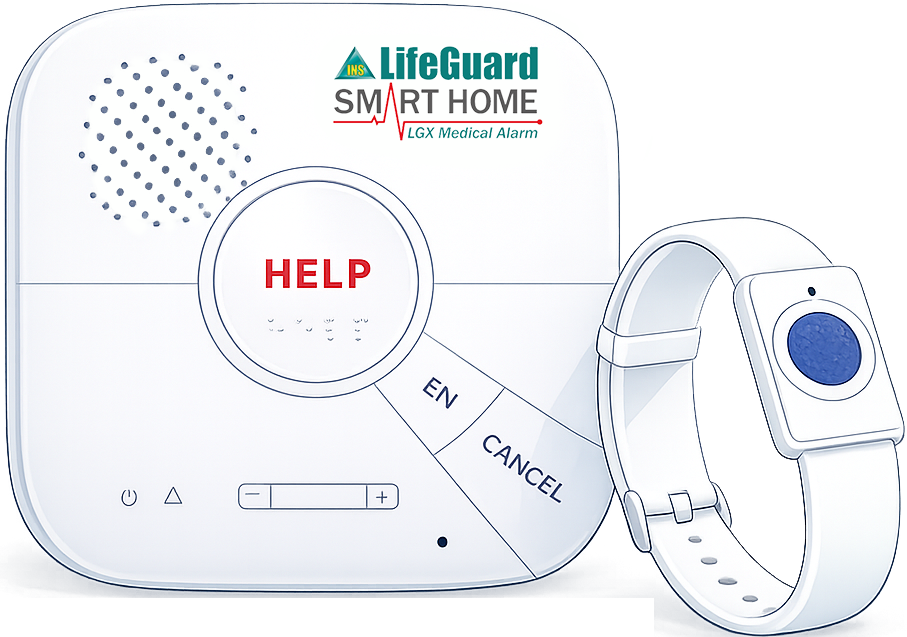
Do your in-home alarms include a shower-safe wearable?
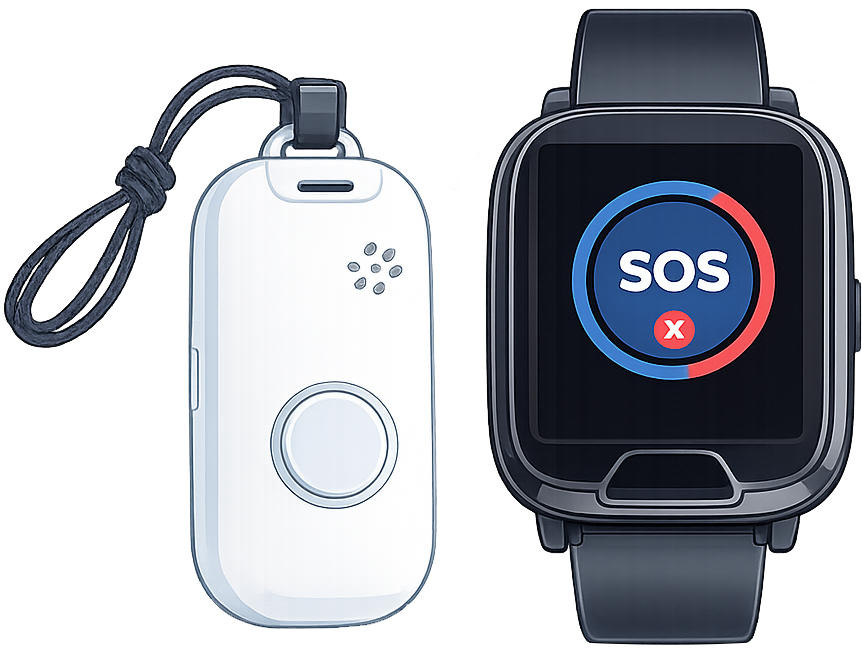
Yes. In-home monitored alarms include a waterproof wearable designed to be worn in the shower/bathroom, where falls commonly occur.
Do you offer fall detection?
Yes. Fall detection is available on selected devices and configurations, including:
- certain in-home device options
- mobile GPS devices (device dependent)
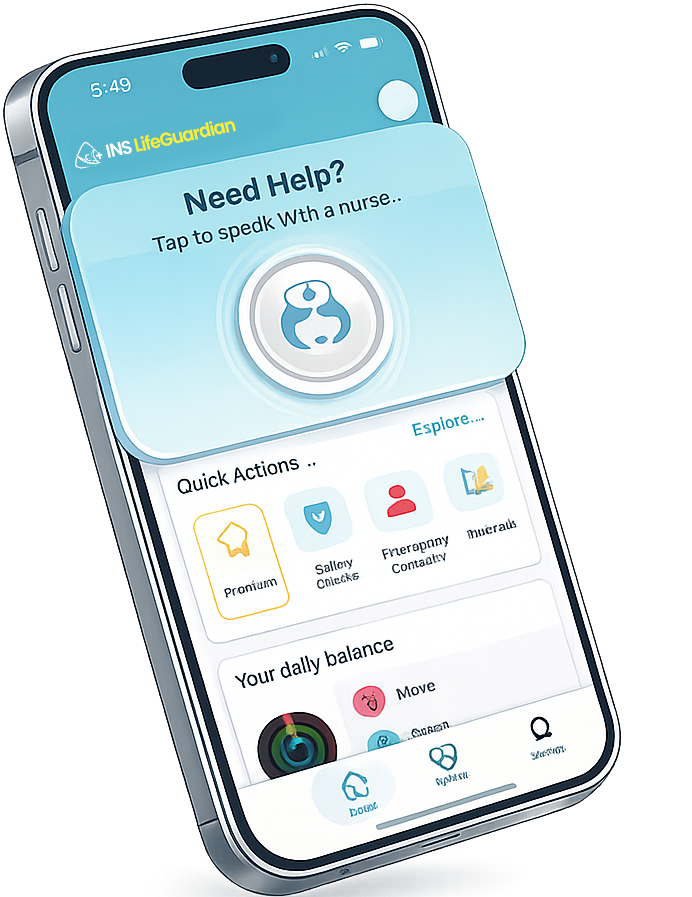
- the INS LifeGuardian® app (supported phones/settings)
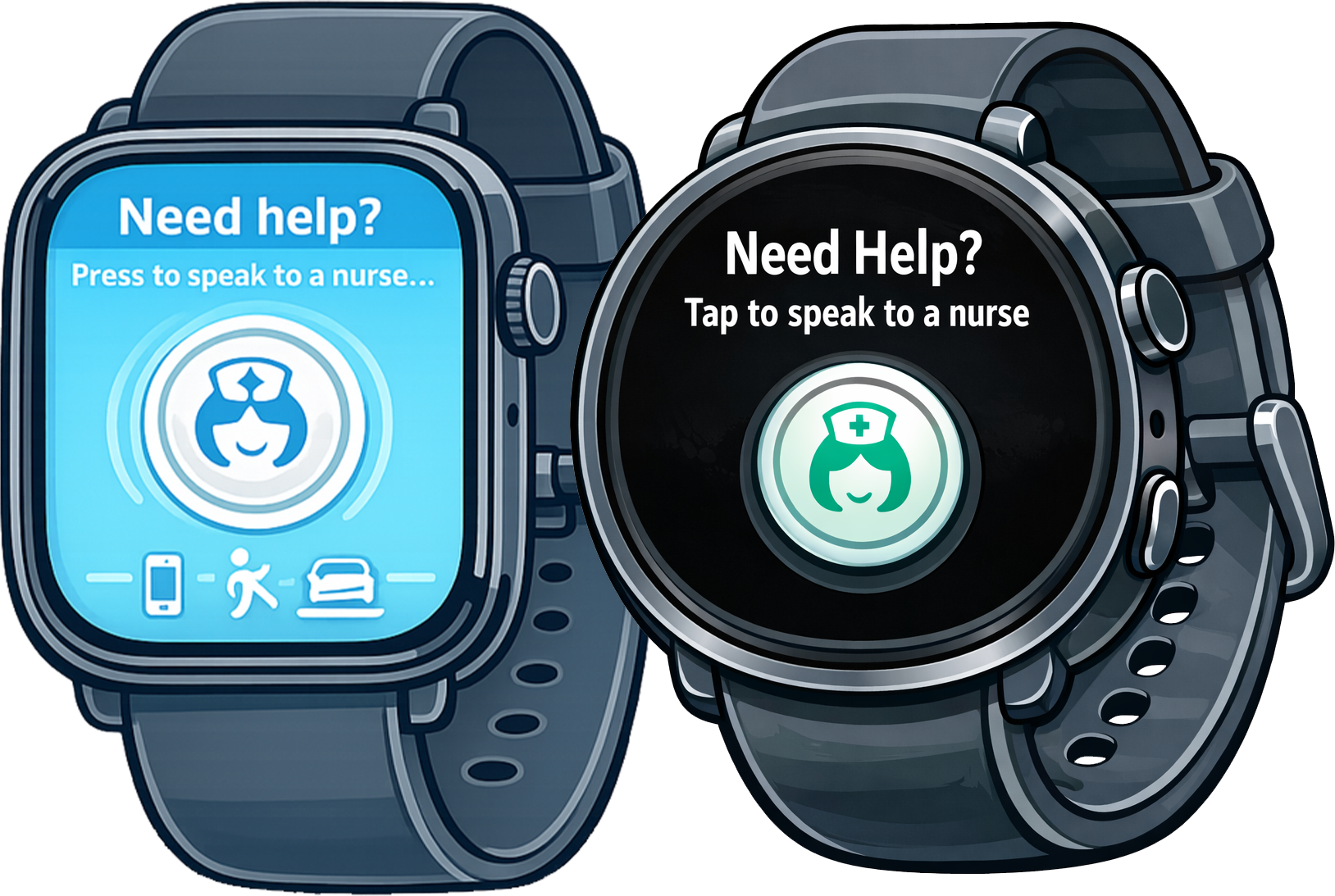
- smartwatch-based options (feature dependent)
What’s the difference between in-home monitoring and mobile GPS alarms?
- In-home systems are designed for coverage at home with a base unit and wearable, ideal for clients primarily at home.
- Mobile GPS alarms support clients outside the home with location tracking and two-way communication.
Many clients benefit from a combined approach depending on risk and lifestyle.
Can clients use the INS LifeGuardian® App instead of a dedicated device?
Yes. Clients can download the INS LifeGuardian® App from the Apple App Store or Google Play to use their smartphone as a personal safety device, with features such as emergency alerts, two-way nurse connection, GPS support, fall detection, and safety check-ins (feature availability may vary by device).
Do you supply smartwatches, or can clients bring their own?
Both:
- INS LifeGuard can supply an Apple Watch or a Samsung/Wear OS smartwatch (depending on the client’s phone).
- Clients may also BYO a compatible smartwatch (subject to device compatibility).
What does the INS LifeGuardian® Premium Plan include?
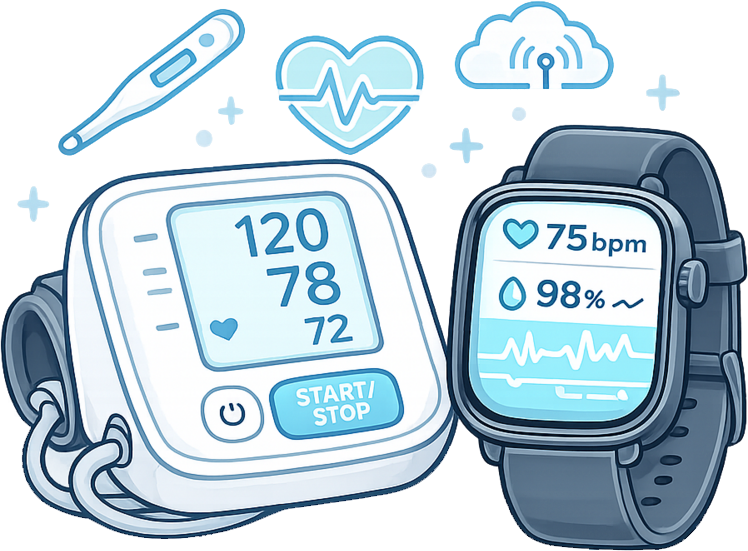
The INS LifeGuardian® Premium Plan adds nurse-led health monitoring supported by Registered Nurses, which may include:
- continuous health tracking with alerts for abnormal readings
- gait & movement monitoring to help identify increased fall risk (Apple Watch feature)
- optional monthly Registered Nurse reviews with trend monitoring
- health reports shareable with a GP or specialist (with consent)
Can health reports be shared with a GP or treating team?
Yes — with client consent, health reports can be shared with a GP or specialist to support continuity of care.
Can carers or family members be kept informed?
Yes. With permission and where enabled, family/carers can connect via the free INS LifeGuardian Connect® app, supporting updates and visibility to reduce anxiety and improve day-to-day oversight.
What accessories are available for complex needs?
Optional accessories can support safety and accessibility, including:
- extra call points
- voice-activated call points
- key safes/lock boxes (for agreed access protocols)
- breath-activated alarms
- epilepsy seizure mats
- bed/chair exit sensors
How quickly can a service be set up for discharge?
INS LifeGuard can support rapid setups for discharge planning. The fastest pathway is usually:
- referral received (client details + risk notes + funding pathway)
- confirm device/app/watch option
- set escalation protocol + contacts
- dispatch/setup support
What funding pathways do you support?
INS LifeGuard supports multiple pathways, including:
- Support at Home
- AT-HM (Assistive Technology – Home Modifications) (separate bucket)
- NDIS (INS LifeGuard is a Registered NDIS Provider)
- DVA (where eligible/contracted)
- Self-funded
Who do I contact for a provider query or referral?

Still Have Questions?
Talk to your care coordinator, or contact INS LifeGuard directly