
Have a Question?


Biggest Online Fraud and Scams Seniors Need to Watch in 2026
INS LifeGuard • February 20, 2026

It often starts with something small.
A phone call that sounds official.
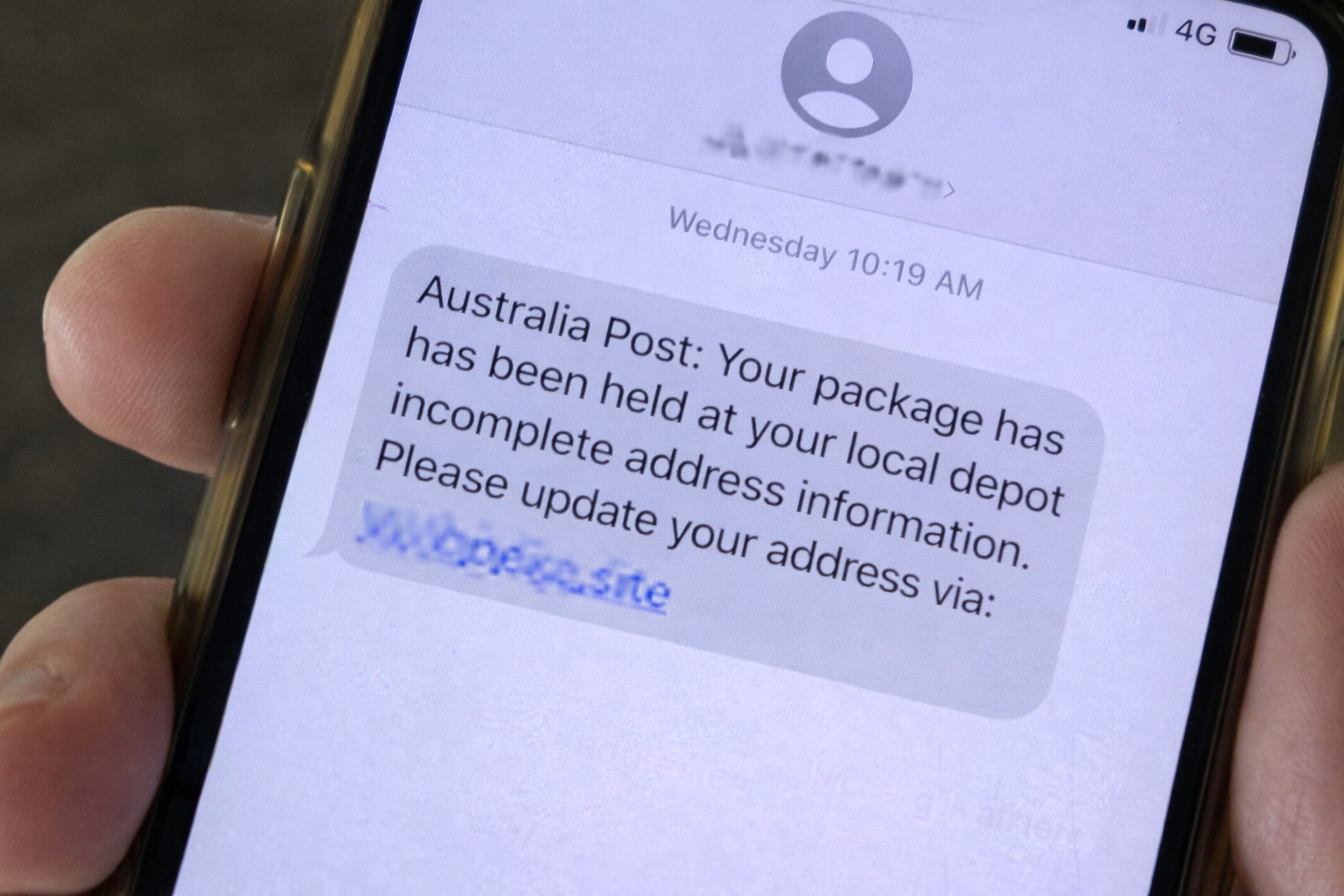
A text message that feels urgent.
An email that looks like it’s from a bank, a delivery service, or even a loved one.
For many older Australians, there’s no flashing warning sign. Just a moment of trust, followed by pressure to act quickly. By the time something feels wrong, the damage may already be done.
Scammers understand this. That’s why they don’t stop.
In 2026, fraud is no longer limited to suspicious calls during business hours. It’s automated, sophisticated and relentless, reaching people late at night, early in the morning, and during quiet moments when they’re alone or distracted. A monitored personal alarm for elderly through INS LifeGuard can provide 24/7 access to help, but staying vigilant still matters.
For families, this raises an important question:
If scammers never switch off, shouldn’t protection stay on as well?
For a broader overview of the most common scams affecting Australians in 2026, read our full
scam alert guide. This article focuses specifically on online fraud and impersonation scams that older Australians and their families should watch most closely.
Why Online Scams Are Becoming Harder to Spot
Today, the biggest scams look like everyday messages you’d normally trust.
Many online scams are run by organised groups using advanced digital tools that look and sound completely legitimate.
Their aim isn’t just to reach people. It’s to gain trust and create emotional pressure, pushing someone to act before they have time to stop and check.
One of the most common techniques used is social engineering. This means manipulating emotions such as fear, concern, excitement or sympathy to influence behaviour. When people feel rushed or worried, it becomes much harder to think clearly or verify what’s happening.
Several changes are driving this rise in sophisticated scams:
Smarter Technology
Artificial intelligence allows scammers to create realistic emails, cloned voices, images and even videos that closely mimic real people and trusted organisations.
New Digital Platforms
As more Australians use online services, apps and messaging platforms, scammers quickly adapt their methods to suit these spaces.
Stolen Personal Information
Large data breaches have exposed personal details that scammers use to make messages feel familiar and convincing.
Faster Payments
Instant bank transfers and digital payments mean money can disappear before a scam is discovered.
Why Seniors Are Targeted More Often
Older Australians are not targeted because they are careless. They are targeted because scammers believe they may:
- Have savings, investments or superannuation
- Be less familiar with newer online platforms
- Be polite, patient and willing to help
- Trust phone calls or official-looking messages
- Live alone, without someone nearby to double-check suspicious contact
It’s important to be clear: anyone can be scammed. These schemes are designed to fool people, regardless of age or intelligence.
The Financial Impact on Older Australians
Scams affect Australians of all ages, but older Australians continue to report some of the highest financial losses.
In 2025, Australians aged 65 and over reported $88.8 million in losses to Scamwatch, representing 26.5% of all Scamwatch losses, despite making up around 17.2% of the population. Investment scams were the highest-loss scam type for this age group, with $50.8 million reported lost.
Other Australian research has found that:
- 84% of Australians aged 50+ have encountered or been targeted by a scam
- 1 in 4 have experienced an AI-related scam
- 1 in 5 have lost money
For seniors living on fixed incomes or retirement savings, even one successful scam can have lasting consequences.
Why Scams Don’t Look Like Scams Anymore
Many people remember when scam emails were full of spelling mistakes and strange promises. Those days are largely gone.
Today’s scams look professional, polished and believable.
1. AI Voice and Impersonation Scams
Artificial intelligence is now being used by scammers to copy real people’s voices. With short audio clips from social media or voicemail messages, criminals can create convincing phone calls that sound like family members, banks or service providers.
Common Scenarios
- Family emergency calls claiming a loved one is in trouble and needs money urgently
- Fake bank or service provider calls warning of account issues or suspicious activity
These calls often create panic and pressure you to act quickly.
2. The Deepfake Video Call
Scammers are now using deepfake technology to create fake video calls that appear to show real people. These videos can look like family members, colleagues or trusted professionals, even though the person on screen isn’t actually them.
During these calls, scammers may ask for money, personal details or urgent help, often using emotional pressure to push quick decisions.
3. QR Code and Fake Website Scams
QR codes are widely used for payments and information, but scammers also use them to redirect people to fake websites.
Fake QR codes may appear in emails, text messages, letters, or even pasted over real posters. Once scanned, they can lead to a site that looks legitimate but is controlled by scammers.
4. Fake Account Recovery Scam
It works because it feels like you’re fixing a problem, but they’re really getting you to enter your details first.
As more companies introduce stronger sign-in methods, such as passkeys and extra security checks, scammers are changing their approach. Instead of trying to break into accounts themselves, they pretend to help you fix a problem.
Messages may say:
- “We’ve noticed unusual activity on your account”
- “Your account has been locked”
- “Verify your details to restore access”
These messages look professional and are designed to push quick action. The goal is to trick you into entering login details on a fake website.
5. Romance and Friendship Scams
These scams often begin on social media or dating platforms. Scammers use fake profiles and build emotional connections over time.
Eventually, they ask for money, gift cards or financial help, often with a convincing story. These scams can cause deep emotional harm as well as financial loss.
Other Common Scams Targeting Seniors in 2026
Some scams continue year after year, relying on trust and familiarity.
- Phishing emails and texts pretending to be from banks or services
- Government impersonation scams claiming to be from Centrelink, Medicare or the ATO
- Investment and superannuation scams offering “guaranteed” returns
- Prize, lottery or inheritance scams asking for fees upfront
- Home repair and door-to-door scams demanding immediate payment
- Fake charities or false billing notices
- Fake tech support scams claiming your computer or phone has a serious problem
What to Do If You Think You’ve Been Scammed
Acting quickly can reduce the damage.
Take Immediate Steps
- Stop all contact with the scammer
- Contact your bank or financial provider straight away
- Tell a trusted family member or friend
If Personal Information Was Shared
- Inform your bank, super fund and service providers
- Change passwords and avoid reusing old ones
- Monitor accounts closely and consider a credit ban
Protect Your Devices
- Run security scans and update software
- Change passwords and PINs
- Contact your phone or internet provider if needed
Report the Scam
- Report to Scamwatch (National Anti-Scam Centre)
- Contact IDCARE for identity support
- For government account issues, contact Services Australia Scams and Identity Theft Helpdesk
Simple Ways Seniors Can Stay Safer Online
- Pause before clicking any link. If a message feels unexpected or urgent, it may be a scam.
- Never enter personal or banking details from a message.
It is safer to type the organisation’s official website address into your internet browser yourself.
- Check before trusting a message.
If you are unsure, contact the person or business using a phone number or website you already know is genuine.
- Act quickly if you think you’ve made a mistake.
Convincing scams catch many people out. Getting help straight away can limit the impact.
Staying One Step Ahead Together
Online scams are becoming more advanced, more convincing and more emotionally manipulative. For many seniors, this can feel overwhelming, especially as technology continues to change and messages arrive without warning.
But knowledge makes a real difference.
By understanding how modern scams work, recognising the warning signs, and feeling confident to pause and double-check before acting, older Australians can reduce their risk.
Families also play an important role by staying connected, having open conversations about scams, and being there when something doesn’t feel right.
INS LifeGuard supports seniors and families with continuous monitoring and an added layer of oversight, backed by 24/7 nurses on call. This means help is always available, even during quiet moments when someone may be alone, unsure, or under pressure. If something unusual happens, concerns can be identified early and responded to quickly.
Because protection today isn’t just about reacting after something goes wrong. It’s about staying alert, informed and supported every day.
About
INS LifeGuard is the only 24/7 nurse on-call personal and medical monitoring in Australia. We provide monitoring technology for both in the home and on the go and can also monitor other provider's equipment. Our services are suitable for anyone wanting support to stay independent such as the elderly, those with medical conditions and disabilities plus enhancing safety and security for lone workers.