
Have a Question?


Polypharmacy in Seniors: When Multiple Medications Become a Safety Risk
INS LifeGuard • May 11, 2026

As Australians live longer and receive treatment for more chronic health conditions, many older adults are taking multiple medications every day. While these medications are often necessary to manage ongoing health concerns, taking too many at once can increase the risk of serious side effects, dangerous interactions, falls, hospitalisations and reduced independence.
This growing issue, known as polypharmacy, affects thousands of seniors across Australia and is becoming a major concern for families, carers and healthcare professionals alike. Medication safety is no longer simply about remembering to take tablets on time. It is about understanding how medications interact, how ageing changes the body’s response to drugs, and how early warning signs can be identified before a health emergency occurs.
For seniors wanting to maintain independence and quality of life, proactive health monitoring and ongoing medication management can make a significant difference.
What Is Polypharmacy?
Polypharmacy refers to the use of multiple medications at the same time, commonly defined as taking five or more medications daily. These may include:
- Prescription medications
- Over-the-counter medicines
- Vitamins and supplements
- Herbal products
- Pain relief medications
- Sleep aids
In many cases, polypharmacy is medically necessary. Older Australians often manage several chronic conditions simultaneously, such as heart disease, diabetes, arthritis or high blood pressure. However, as the number of medications increases, so does the risk of complications.
Ageing also affects how the body processes medication. Changes in kidney function, liver function, metabolism and body composition can alter how medications are absorbed and eliminated, making seniors more vulnerable to side effects and adverse drug reactions.
Why Polypharmacy Is Common Among Seniors
Managing Multiple Chronic Conditions
Many seniors are living with two or more chronic illnesses that each require ongoing treatment. A person may be prescribed medications from multiple healthcare providers, including GPs, specialists and hospital clinicians.
Common conditions linked to polypharmacy include:
- Diabetes
- Cardiovascular disease
- Arthritis and chronic pain
- Osteoporosis
- Anxiety and depression
- Respiratory conditions
- Dementia and cognitive decline
Each condition may require separate medications, increasing the complexity of treatment plans.
Increased Healthcare Needs with Age
As healthcare needs become more complex, medication lists can quickly grow. Some seniors may continue taking medications prescribed years earlier, even when they are no longer necessary or suitable.
Without regular medication reviews, older adults can unknowingly remain on medications that may now pose more risk than benefit.
Self-Medicating and Supplement Use
Many seniors also take over-the-counter products or supplements alongside prescription medications. While these products may seem harmless, they can interfere with prescribed medicines and increase the risk of complications.
For example:
- Herbal supplements may affect blood thinners
- Sleep medications can increase fall risk
- Pain relief medications may impact kidney function
- Some supplements can alter blood pressure or heart rate
Because these products are often purchased without medical advice, healthcare providers may not always be aware they are being used.
The Hidden Risks of Multiple Medications
Polypharmacy does not simply increase the number of tablets a person takes each day. It can significantly impact overall health, mobility, cognition and independence.
Dangerous Drug Interactions
Certain medications can interact with one another in ways that increase side effects or reduce effectiveness. In some cases, interactions may become life-threatening.
Common medication-related symptoms include:
- Dizziness
- Low blood pressure
- Confusion
- Irregular heartbeat
- Excessive drowsiness
- Breathing difficulties
The risk becomes even higher when multiple healthcare providers prescribe medications independently without reviewing the full medication list.
Increased Risk of Falls
Falls are one of the leading causes of injury and hospitalisation among older Australians. Many medications can affect balance, coordination and alertness.
Sedatives, blood pressure medications, pain relief drugs and some antidepressants may increase the likelihood of:
- Dizziness
- Fainting
- Poor balance
- Delayed reaction times
- Muscle weakness
For seniors, even a minor fall can lead to fractures, hospital stays and a significant loss of confidence and independence.
Memory Problems and Confusion
Some medications may contribute to cognitive changes, especially in older adults.
Polypharmacy can increase the risk of:
- Confusion
- Forgetfulness
- Delirium
- Difficulty concentrating
- Medication errors
These symptoms are sometimes mistaken for ageing itself when they may actually be medication-related.
Hospitalisations and Emergency Situations
Adverse medication events are a major reason older Australians present to emergency departments. Taking multiple medications increases the likelihood of:
- Accidental overdoses
- Missed doses
- Incorrect medication timing
- Severe side effects
- Dangerous drug interactions
Early detection and proactive support can help reduce the risk of these emergencies occurring.
Reduced Quality of Life
When medication-related side effects become ongoing, seniors may experience reduced energy, mobility and independence.
This can affect:
- Confidence leaving the home
- Social participation
- Physical activity
- Sleep quality
- Emotional wellbeing
Maintaining safety while preserving independence is essential for healthy ageing.
Warning Signs That Medication Management May Be Becoming Unsafe
Families and carers should remain alert to signs that medication use may be negatively affecting a loved one’s health.
Some common warning signs include:
- Frequent falls or near misses
- Increasing confusion or forgetfulness
- Difficulty managing medications independently
- Sudden fatigue or weakness
- Mood or behavioural changes
- Dizziness when standing
- Missed doses or duplicate medications
- Repeated hospital visits
- New symptoms shortly after medication changes
Recognising these early signs may help prevent more serious health complications.
How Seniors and Families Can Reduce Polypharmacy Risks
Schedule Regular Medication Reviews
One of the most effective ways to reduce medication risks is through regular medication reviews with a GP or pharmacist.
These reviews help identify:
- Medications that may no longer be necessary
- Duplicate treatments
- Potential interactions
- Safer alternatives
- Opportunities to simplify medication schedules
Medication reviews become especially important after hospital stays or specialist appointments.
Keep an Updated Medication List
Maintaining an accurate list of all medications, supplements and vitamins can improve communication between healthcare providers and reduce the risk of medication errors.
This list should include:
- Medication names
- Dosages
- Frequency
- Purpose of each medication
- Allergies or adverse reactions
Use One Pharmacy Where Possible
Using a single pharmacy helps pharmacists identify possible medication interactions and monitor ongoing prescriptions more effectively.
Pharmacists can often identify concerns before they become serious health issues.
Avoid Self-Medicating Without Advice
Seniors should always speak with a healthcare professional before starting new supplements or over-the-counter medications.
Even common products can create dangerous interactions when combined with prescription medications.
Ask Questions About Every Medication
Older adults and their families should feel confident asking healthcare providers questions such as:
- Why is this medication necessary?
- What side effects should I watch for?
- Could this medication increase fall risk?
- Are there safer alternatives?
- Is this medication still appropriate?
Better understanding supports safer medication management.
When to Seek Professional Help
Some medication-related symptoms require immediate medical attention.
Families should seek professional support if a senior experiences:
- Sudden confusion
- Severe dizziness
- Repeated falls
- Difficulty breathing
- Significant weakness
- Rapid changes in behaviour
- Chest pain
- Fainting episodes
- Difficulty managing medications safely
Early intervention can prevent serious complications and improve long-term outcomes.
The Role of Monitoring and Preventative Care in Senior Medication Safety
Medication-related complications often develop gradually. Small changes in balance, heart rate, blood pressure or cognition can appear before a serious health event occurs.
This is where ongoing monitoring and preventative healthcare support can play an important role.
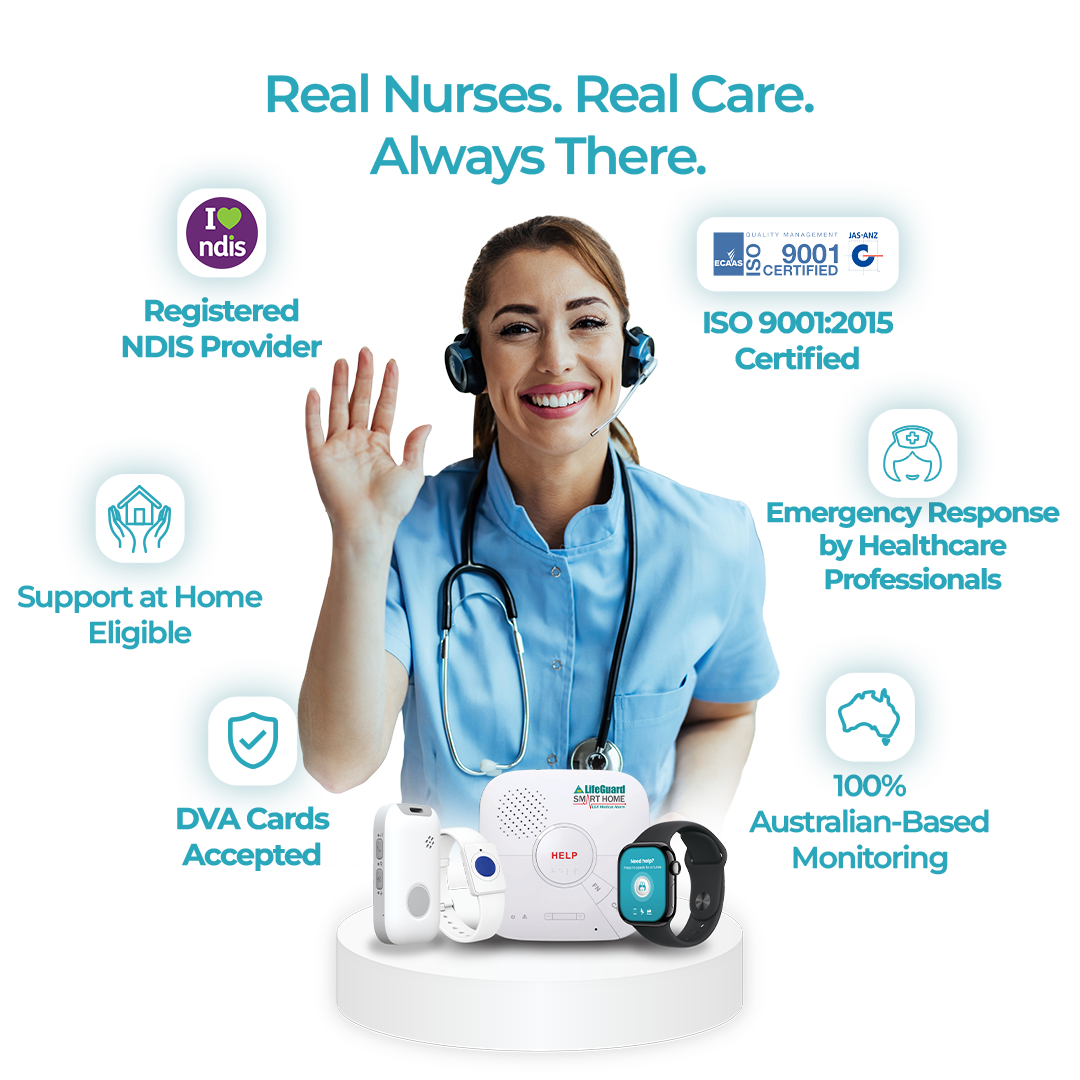
INS LifeGuard supports older Australians with nurse-led monitoring services designed to help individuals remain safe, supported and independent. Unlike standard alarm systems that connect users to a basic call centre, we provide access to qualified nurses and healthcare professionals 24 hours a day.
Our in-home and on-the-go monitoring solutions can support through features such as:
- Vital signs monitoring
- Fall detection
- GPS-supported emergency response
- Nurse-led emergency support
- Health monitoring reviews
- Safety check-ins
- Family and carer connectivity
For seniors managing multiple medications, these types of preventative technologies may help identify early warning signs before they escalate into emergencies.
- Smart medication reminders
- Remote monitoring support
- Fall prevention technology
- Health trend monitoring
- Emergency response connectivity
- Real-time alerts for carers and families
For families, knowing that a loved one has access to qualified healthcare professionals at any time can provide valuable peace of mind.
Supporting Safer, Healthier Ageing
Polypharmacy is becoming increasingly common among older Australians, but that does not mean medication-related complications should be accepted as a normal part of ageing.
With regular medication reviews, proactive monitoring and ongoing healthcare support, seniors can reduce risks while maintaining independence and quality of life.
About
INS LifeGuard is the only 24/7 nurse on-call personal and medical monitoring in Australia. We provide monitoring technology for both in the home and on the go and can also monitor other provider's equipment. Our services are suitable for anyone wanting support to stay independent such as the elderly, those with medical conditions and disabilities plus enhancing safety and security for lone workers.