

Have a Question?

What Families and Carers Should Know About Delirium in Older Adults
INS LifeGuard • May 11, 2026

Watching an ageing parent or loved one suddenly become confused, withdrawn, agitated, or disoriented can be frightening. Many families assume these changes are simply part of ageing or dementia, but in some cases, they may be signs of delirium — a serious medical condition that requires urgent attention.
At INS LifeGuard, we understand how important early intervention, health monitoring, and proactive care can be in supporting older Australians to live safely and independently. Our nurse-led monitoring services are designed to help families feel more connected, informed, and reassured when it comes to the wellbeing of ageing loved ones.
What Is Delirium?
Delirium is a sudden and significant change in a person’s mental state. It can affect thinking, attention, awareness, memory, and behaviour, often developing rapidly over hours or days.
Unlike gradual cognitive decline associated with ageing or dementia, delirium appears quickly and may fluctuate throughout the day. Someone experiencing delirium may seem alert and responsive one moment, then confused or distressed the next.
Because symptoms can vary so widely, delirium is sometimes missed or mistaken for fatigue, dementia, depression, or normal ageing.
Common Signs of Delirium Families Should Watch For
Recognising the early signs of delirium can make a significant difference in recovery outcomes. Families are often the first to notice subtle but unusual changes.
Sudden Confusion or Disorientation
One of the clearest warning signs is confusion that develops rapidly. An older person may suddenly forget where they are, struggle to recognise familiar people, or become unable to follow simple conversations.
Changes in Behaviour or Mood
Delirium can cause dramatic emotional and behavioural shifts. Someone who is normally calm may become agitated, anxious, suspicious, or irritable. Others may become unusually withdrawn or quiet.
Trouble Speaking or Concentrating
Older adults experiencing delirium may have difficulty focusing, responding appropriately, or expressing themselves clearly. Conversations may become disjointed or difficult to follow.
Hallucinations or Paranoia
Some people with delirium may see or hear things that are not there. They may also become fearful, suspicious, or convinced that others are trying to harm them.
Sleep Pattern Changes
Disrupted sleep is another common symptom. A person may become restless overnight, excessively sleepy during the day, or appear unusually drowsy and disengaged.
Any sudden change in mental state should be taken seriously, particularly when symptoms appear quickly.
Why Older Adults Are More Vulnerable to Delirium
As people age, the brain becomes more sensitive to physical stress, illness, medications, and environmental changes. Even relatively minor health issues can trigger significant mental changes in older adults.
Several factors increase the risk of delirium in seniors, including:
- Existing cognitive decline or dementia
- Chronic medical conditions
- Hospital admissions or surgery
- Infections such as urinary tract infections or pneumonia
- Dehydration
- Poor nutrition
- Sleep disruption
- Medication side effects
- Reduced mobility
- Vision or hearing impairment
Delirium in older adults is more common than many Australians realise, particularly during hospital stays or periods of illness. Adults over 65 are especially vulnerable, with rates increasing significantly in intensive care settings.
In some cases, multiple factors contribute to delirium occurring at once.
Because the causes can be serious, delirium should never be ignored or dismissed as “just getting older.”
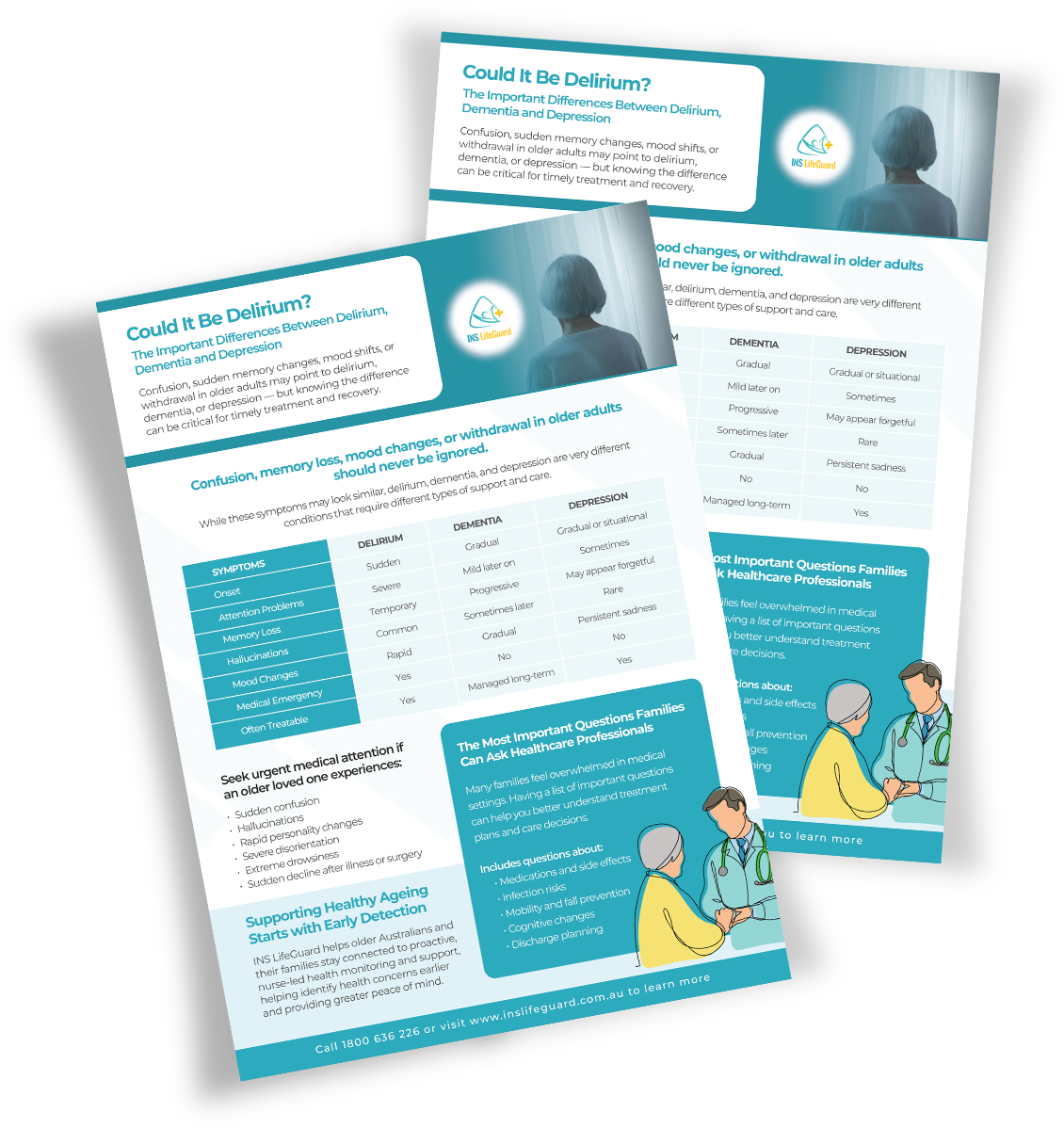
Delirium vs Dementia vs Depression in Older Adults
Changes in memory, behaviour, mood, or confusion in older adults are often mistaken as “normal ageing,” but they may be signs of delirium, dementia, or depression — three very different conditions that require different types of care and support.
Our free downloadable resource helps families and carers better understand the key differences between these conditions, including warning signs, common causes, when symptoms may require urgent medical attention, and how early intervention can improve wellbeing and recovery outcomes.
When Families Should Seek Immediate Medical Help
Delirium is considered a medical emergency. The sooner the underlying cause is identified and treated, the better the chances of recovery.
Seek urgent medical attention if an older loved one experiences:
- Sudden severe confusion
- Rapid personality changes
- Hallucinations
- Extreme drowsiness
- Aggression or agitation
- Difficulty staying awake
- Falls or sudden mobility problems
- Significant changes in communication
Trust your instincts. Families often notice when “something just isn’t right,” even before symptoms become severe.
How Delirium Is Treated
Treatment for delirium focuses on identifying and addressing the underlying cause.
Depending on the situation, treatment may include:
- Antibiotics for infection
- IV fluids for dehydration
- Medication adjustments
- Pain management
- Oxygen therapy
- Nutritional support
- Rest and sleep support
Supportive care is also extremely important. Calm, familiar environments can help reduce confusion and distress during recovery.
Many older adults recover fully from delirium, particularly when treatment begins early. However, recovery can take days, weeks, or even months in some cases.
Can Delirium Be Prevented?
While delirium cannot always be prevented, many risk factors can be reduced through proactive health management and lifestyle support.
Encourage Hydration and Nutrition
Dehydration and poor nutrition are common contributors to delirium. Encouraging regular meals and fluid intake can support brain and body function.
Support Healthy Sleep Routines
Sleep disruption can increase confusion and cognitive stress. Maintaining consistent sleep patterns is important for older adults.
Keep Medications Reviewed
Regular medication reviews can help identify drugs that may contribute to confusion or adverse side effects.
Encourage Mobility and Physical Activity
Gentle movement and physical activity support circulation, strength, and overall health.
Maintain Hearing and Vision Support
Untreated hearing or vision problems can worsen confusion and disorientation.
Reduce Stress During Hospital Stays
Bringing familiar items, maintaining family contact, and supporting orientation can help reduce hospital-related delirium.
Preventative healthcare and ongoing monitoring are becoming increasingly valuable tools for supporting healthy ageing. INS LifeGuard’s nurse-led monitoring services help older Australians and their families stay connected to professional support 24 hours a day, providing added reassurance when health concerns arise unexpectedly.
Supporting an Older Loved One Through Recovery
Recovering from delirium can be overwhelming for both the individual and their family.
Simple strategies can help support recovery:
- Speak calmly and clearly
- Offer reassurance regularly
- Maintain familiar routines
- Reduce noise and overstimulation
- Keep clocks and calendars visible
- Encourage gentle activity where appropriate
- Be patient with memory or communication difficulties
Families should also remember to look after their own wellbeing during this time. Caring for an ageing loved one experiencing confusion or distress can be emotionally exhausting.
Having access to professional support and reliable health monitoring can provide significant peace of mind during challenging periods.
The Importance of Ongoing Health Monitoring for Older Australians
As Australians live longer, proactive healthcare is becoming increasingly important in helping older adults maintain independence, safety, and quality of life.
Changes in vital signs, mobility, sleep, or overall wellbeing can sometimes signal underlying health concerns before symptoms become severe. Early detection and fast response can make a significant difference in outcomes.
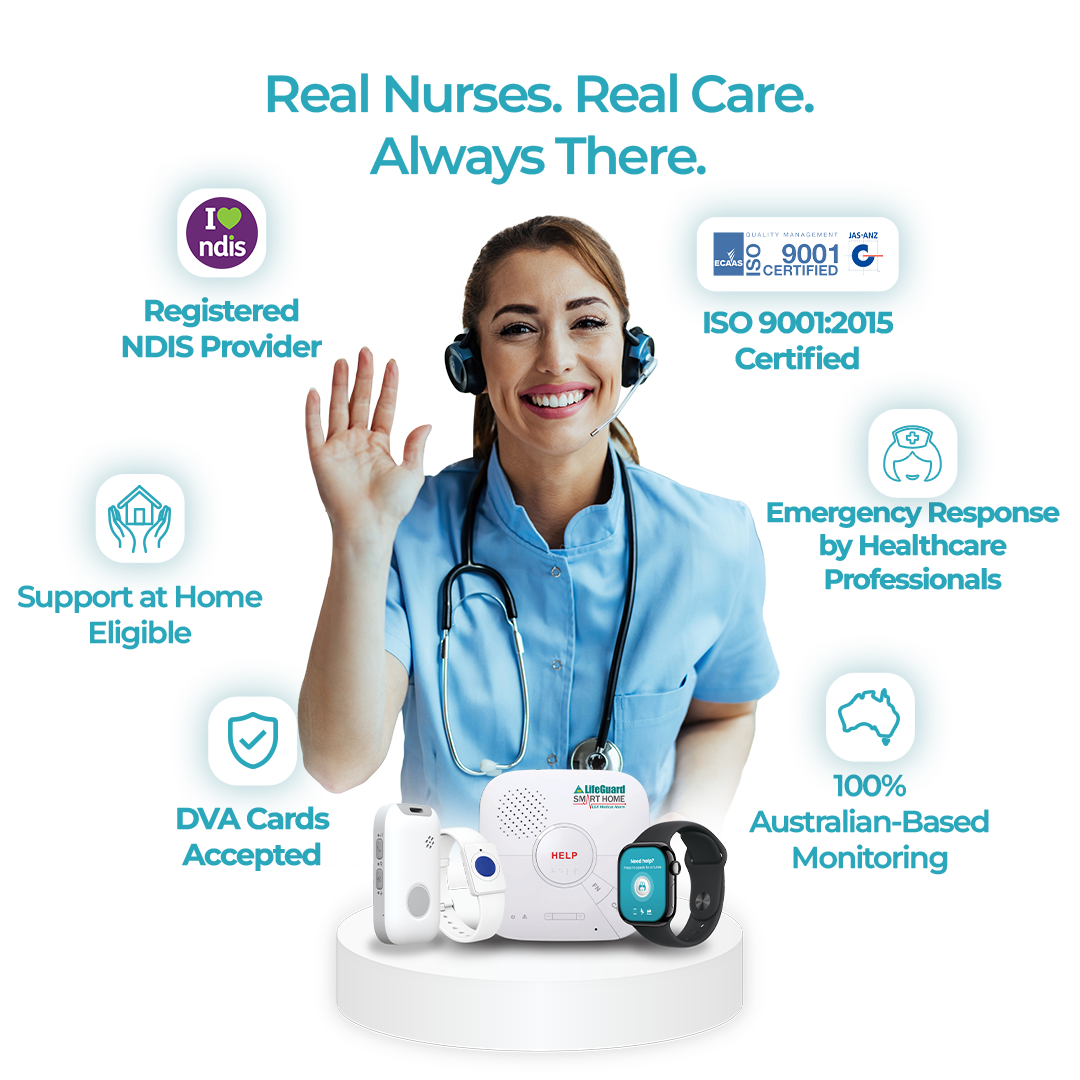
INS LifeGuard combines advanced health technology with real human support through 24/7 nurse-led monitoring services. Designed to support older Australians both at home and on the go, INS LifeGuard helps families stay connected to professional care whenever it may be needed.
Final Thoughts
Delirium in older adults is common, serious, and often misunderstood. Sudden confusion should never be dismissed as a normal part of ageing.
Families and carers are often the first line of defence when it comes to recognising the warning signs and seeking medical help early. With prompt treatment and supportive care, many people recover well from delirium.
By staying informed, proactive, and connected to the right support services, families can help ageing loved ones remain safer, healthier, and more independent for longer.
About
INS LifeGuard is the only 24/7 nurse on-call personal and medical monitoring in Australia. We provide monitoring technology for both in the home and on the go and can also monitor other provider's equipment. Our services are suitable for anyone wanting support to stay independent such as the elderly, those with medical conditions and disabilities plus enhancing safety and security for lone workers.