

Have a Question?

Early Signs of Sepsis in Seniors: When to Seek Urgent Help
INS LifeGuard • May 11, 2026
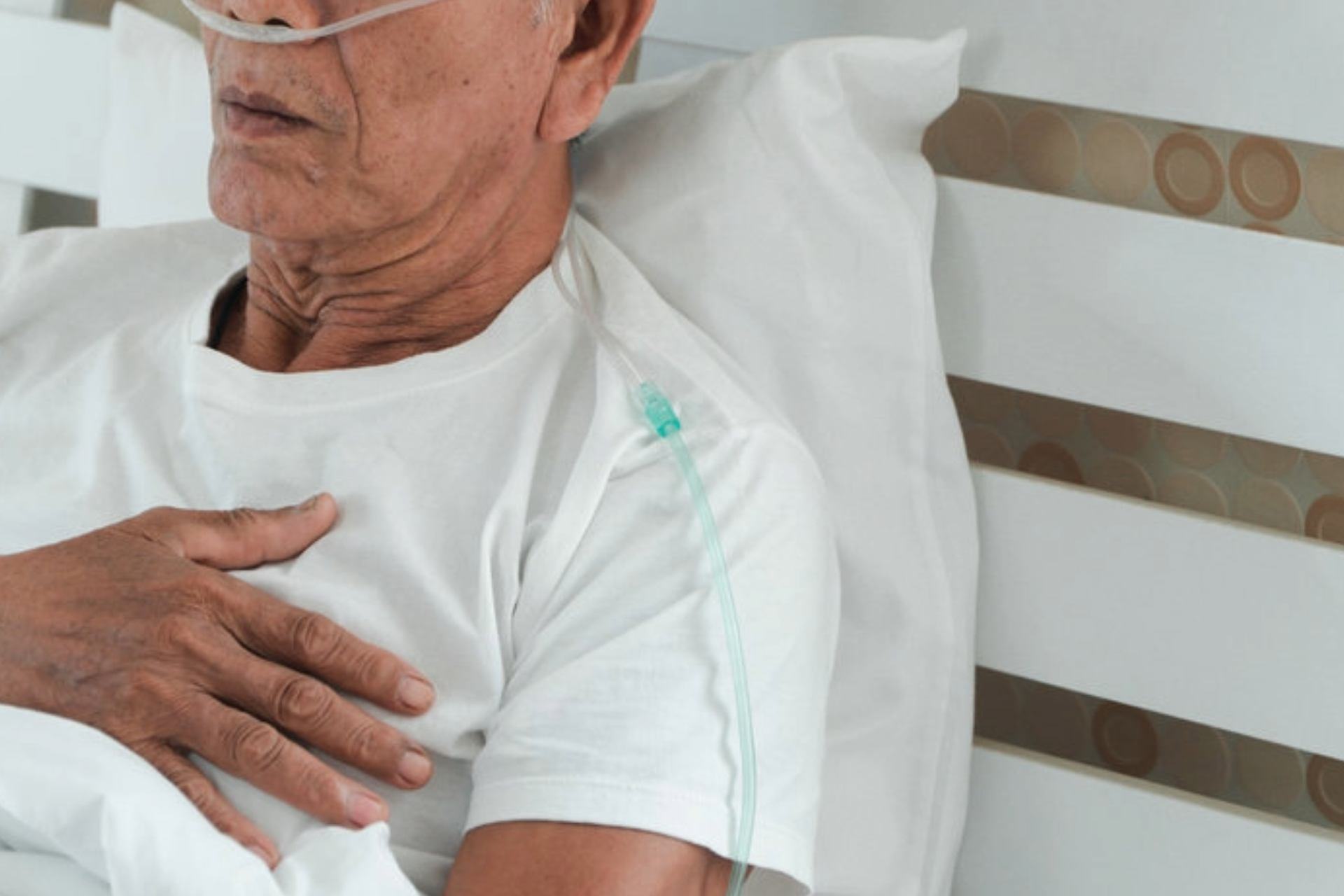
Sepsis continues to be a major health concern for older Australians, with more than 55,000 cases reported across Australia each year. Adults over 65 are disproportionately affected, largely due to age-related immune decline and the increased likelihood of chronic health conditions. The early warning signs are often subtle and easy to miss.
Recognising the early signs of sepsis in seniors and seeking urgent medical attention quickly can make a life-saving difference. Early intervention significantly improves recovery outcomes and reduces the risk of severe complications.
For families, carers, and older Australians living independently, understanding what to look for is essential.
What Is Sepsis?
Sepsis is the body’s extreme and dangerous response to an infection. Instead of fighting the infection normally, the immune system begins damaging healthy tissues and organs throughout the body.
Sepsis can develop from many common infections, including:
- Urinary tract infections (UTIs)
- Pneumonia
- Skin infections
- Wounds or ulcers
- Abdominal infections
Without urgent medical treatment, sepsis can rapidly progress to septic shock, organ failure, and death. According to health experts, early diagnosis and treatment are critical for survival.
Why Seniors Are More Vulnerable to Sepsis
Older adults face a much higher risk of developing sepsis due to several age-related factors.
As we age, the immune system naturally becomes less effective at fighting infections. Seniors are also more likely to live with chronic health conditions such as diabetes, heart disease, kidney disease, or respiratory illness, which can weaken the body further.
Hospital stays, surgeries, reduced mobility, and certain medications may also increase infection risks.
Another challenge is that seniors do not always experience the “classic” infection symptoms people expect. A serious infection may not cause a strong fever or obvious pain. Instead, the first signs may be confusion, exhaustion, or sudden weakness.
This is why subtle changes in an older person’s health or behaviour should never be ignored.
Early Signs of Sepsis in Seniors
Confusion or Sudden Mental Changes
One of the earliest and most common signs of sepsis in older adults is sudden confusion or altered mental state.
A senior who is normally alert may suddenly become:
- Disoriented
- Agitated
- Withdrawn
- Drowsy
- Unable to concentrate
Families sometimes mistake these symptoms for normal ageing or dementia progression, but rapid mental changes should always be taken seriously.
Fever or Low Body Temperature
A temperature higher than 38.3°C or lower than 36°C. While fever is a common sign of infection, seniors with sepsis may instead experience an unusually low body temperature.
Warning signs include:
- Fever
- Chills
- Sweating
- Feeling unusually cold
- Low temperature readings
Any sudden temperature irregularity alongside illness symptoms warrants urgent medical assessment.
Rapid Heart Rate or Breathing
Rapid breathing, with a respiratory rate above 20 breaths per minute and elevated heart rate exceeding 90 beats per minute.
Watch for:
- Fast breathing
- Shortness of breath
- Racing pulse
- Feeling breathless while resting
These symptoms may indicate the body is struggling to maintain oxygen delivery and blood circulation.
Extreme Fatigue or Weakness
Sepsis can cause overwhelming exhaustion and sudden physical decline.
A senior may:
- Struggle to stand or walk
- Sleep far more than usual
- Seem unusually weak
- Lose energy rapidly
Even small declines in mobility can signal a serious underlying issue.
Low Blood Pressure
As sepsis progresses, blood pressure may drop dangerously low.
Symptoms can include:
- Dizziness
- Fainting
- Pale skin
- Cold or clammy hands and feet
- Difficulty staying awake
Low blood pressure is a major warning sign requiring emergency care.
Reduced Urination
Reduced urine output may indicate dehydration or early organ dysfunction caused by sepsis.
If an older person is drinking fluids but urinating less frequently than normal, it should be assessed promptly.
Skin Changes
Changes in skin appearance can occur as circulation becomes impaired.
Warning signs may include:
- Pale skin
- Bluish lips or fingers
- Mottled skin
- Cold extremities
Signs That May Indicate Septic Shock
In more severe cases, sepsis can progress to septic shock, a life-threatening condition where blood circulation and organ function become dangerously compromised.
Signs suggestive of septic shock can include:
- Cold, mottled, or poorly perfused skin
- Delayed capillary refill time greater than three seconds
- Low blood pressure, including systolic blood pressure below 90 mmHg or mean arterial pressure below 60 mmHg
- A purplish or blotchy rash
- Elevated lactate levels above 2 mmol/L
- Ongoing reduced urine output
Because sepsis can worsen rapidly, urgent medical attention is essential whenever these symptoms are present alongside a suspected infection.
Common Infections That Can Lead to Sepsis in Seniors
Urinary Tract Infections (UTIs)
UTIs are one of the leading causes of sepsis in older adults.
Unlike younger people, seniors may not complain of pain or burning when urinating. Instead, symptoms may appear as:
- Confusion
- Fatigue
- Dizziness
- Sudden behavioural changes
Pneumonia
Respiratory infections can quickly become dangerous in elderly individuals, particularly those with chronic lung or heart conditions.
Even mild breathing changes should be monitored closely.
Skin Infections and Wounds
Pressure sores, ulcers, cuts, and diabetic wounds can allow bacteria to enter the bloodstream.
Any wound that becomes red, swollen, painful, or slow to heal should be assessed early.
Gastrointestinal Infections
Food poisoning and abdominal infections can also trigger sepsis, particularly in frail seniors or those with weakened immune systems.
How Early Detection Can Save Lives
Early recognition is one of the most important factors in surviving sepsis.
Many seniors deteriorate rapidly because the early warning signs were mistaken for fatigue, dehydration, ageing, or a “minor illness.”
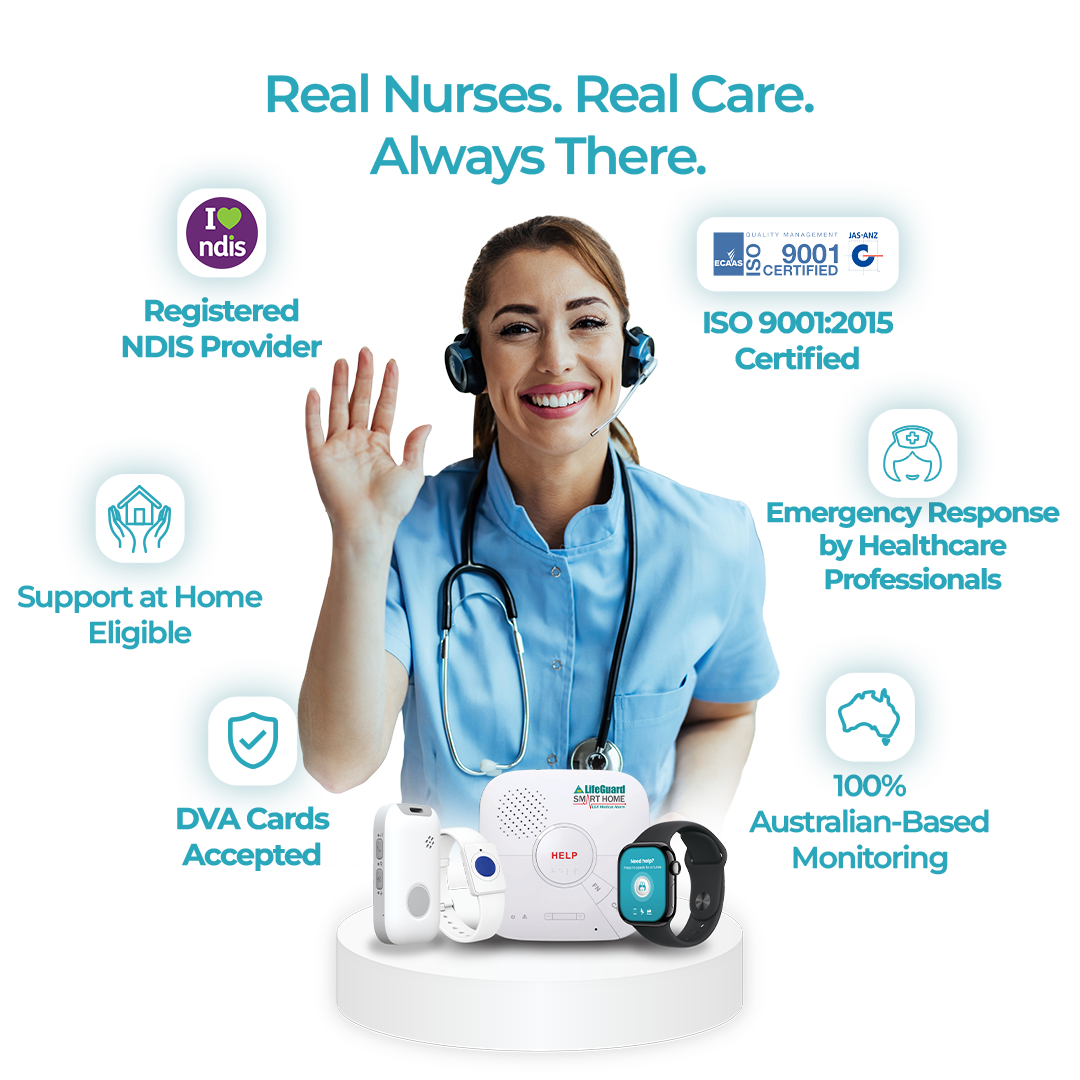
INS LifeGuard combines personal safety monitoring with nurse-led health support to help seniors stay safer at home and on the go.
Its services include:
- 24/7 nurse monitoring
- Emergency response support
- Smartwatch and wearable technology
- Fall detection
- GPS location services
- Vital signs monitoring
- Telehealth support
Our medical alarms can monitor important health indicators such as heart rate, oxygen saturation, movement patterns, and other vital signs that may help identify health concerns earlier.
Unlike traditional personal alarms, INS LifeGuard’s monitoring services are supported by trained healthcare professionals, including nurses who can assess situations and help coordinate appropriate responses when needed.
For seniors living independently and families wanting additional reassurance, this type of proactive monitoring may provide valuable support in recognising changes in health sooner.
Preventing Infections and Reducing Sepsis Risk
While not every case of sepsis can be prevented, there are important ways seniors can reduce their risk.
Helpful prevention strategies include:
- Staying up to date with vaccinations
- Practising good hand hygiene
- Treating infections early
- Managing chronic conditions carefully
- Staying hydrated
- Monitoring wounds and skin injuries
- Attending regular health check-ups
Families and carers should also encourage seniors to seek medical attention promptly if they become unwell.
Final Thoughts
Sepsis is a fast-moving medical emergency that requires urgent attention, particularly in older adults.
Because symptoms in seniors are often subtle, recognising the early warning signs is critical. Confusion, weakness, breathing changes, fatigue, or sudden decline should never be ignored.
Early medical treatment can dramatically improve outcomes and reduce the risk of serious complications.
For seniors wanting additional peace of mind, proactive health monitoring solutions such as INS LifeGuard’s nurse-led monitoring and wearable health technology may help support earlier intervention and safer independent living.
About
INS LifeGuard is the only 24/7 nurse on-call personal and medical monitoring in Australia. We provide monitoring technology for both in the home and on the go and can also monitor other provider's equipment. Our services are suitable for anyone wanting support to stay independent such as the elderly, those with medical conditions and disabilities plus enhancing safety and security for lone workers.