

Have a Question?

Why Some Women Experience More Pain During Their Periods
INS LifeGuard • May 11, 2026
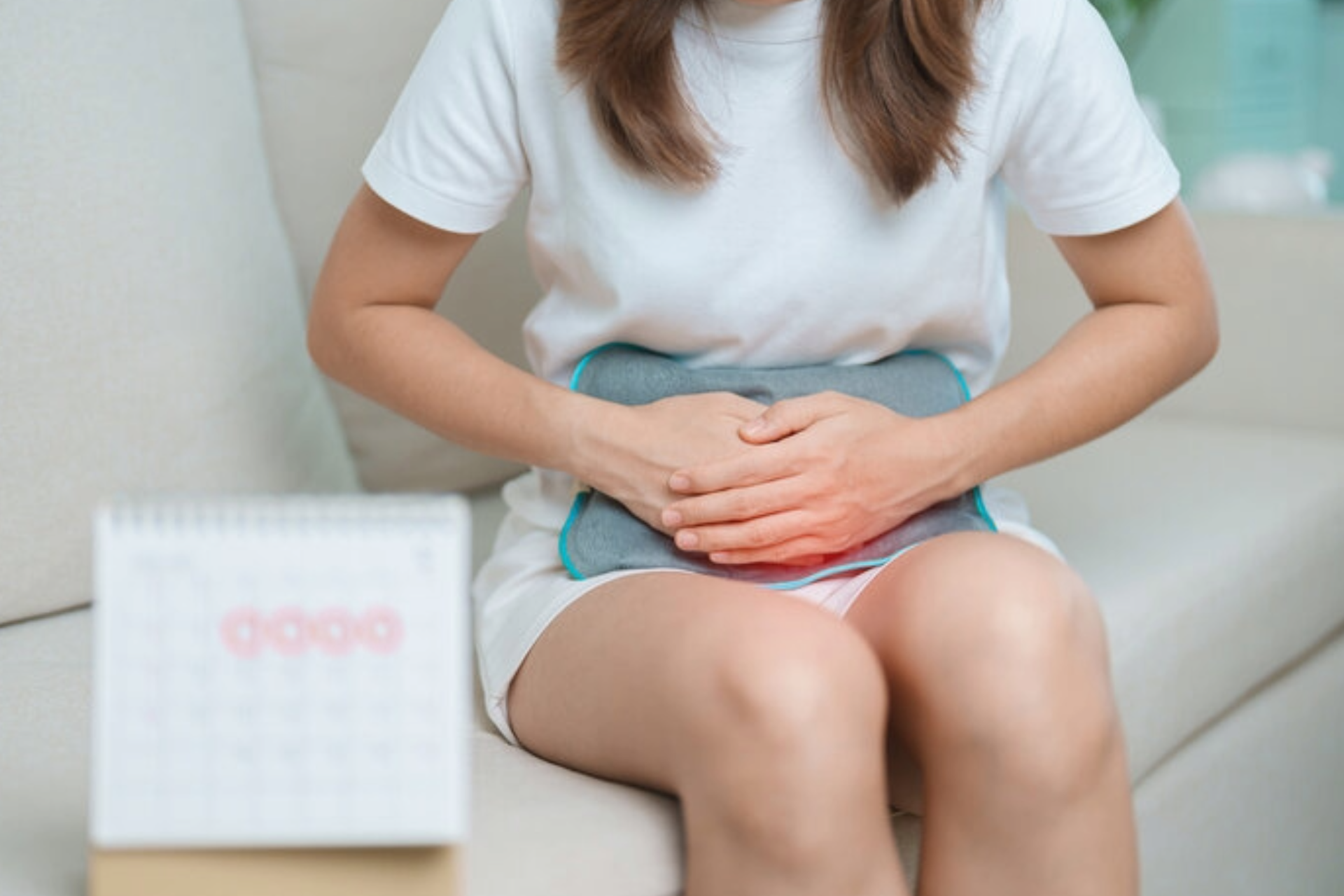
For many women, period pain is a regular part of life. Mild cramping, fatigue and discomfort during menstruation are common, but for some, the pain can become severe enough to interfere with work, sleep, exercise and everyday activities. In some cases, painful periods may even signal an underlying health condition that requires medical attention.
Understanding why some women experience more pain than others is an important step toward better long-term health and wellbeing. By recognising symptoms early and paying attention to changes in the body, women can feel more empowered to seek support and manage their health proactively.
What Is Period Pain?
Period pain, also known as dysmenorrhea, refers to the cramping pain felt in the lower abdomen before or during menstruation. These cramps occur when the uterus contracts to help shed its lining during the menstrual cycle.
Hormone-like substances called prostaglandins play a major role in this process. Higher levels of prostaglandins can trigger stronger uterine contractions, leading to more intense pain, inflammation and discomfort.
For some women, period pain may feel like mild pressure or aching. For others, it can involve:
- Sharp abdominal cramps
- Lower back pain
- Nausea
- Headaches
- Fatigue
- Diarrhoea
- Dizziness
While mild discomfort is generally considered normal, severe or worsening pain should never be ignored.
Why Do Some Women Experience More Pain Than Others?
Every woman’s body is different, and several factors can influence how painful periods become.
Higher Prostaglandin Levels
Women with higher prostaglandin levels often experience stronger uterine contractions. This can reduce blood flow to the uterus temporarily, leading to sharper cramps and increased pain sensitivity.
Inflammation within the body may also contribute to more severe menstrual symptoms.
Genetics and Family History
Painful periods can run in families. If a mother or close relative experienced severe menstrual cramps, there may be a greater likelihood of experiencing similar symptoms.
Genetics can influence hormone regulation, inflammation and pain sensitivity.
Age and Hormonal Changes
Period pain is often more intense during teenage years and early adulthood. Hormonal fluctuations can affect symptom severity over time, with some women noticing improvement after childbirth or as they age.
However, others may develop worsening symptoms later in life due to underlying reproductive health conditions.
Stress, Sleep and Lifestyle Factors
Stress can significantly affect how the body experiences pain. Poor sleep, high stress levels, smoking, lack of exercise and inadequate nutrition may all contribute to increased inflammation and heightened menstrual discomfort.
Lifestyle factors can also influence hormone balance, circulation and overall wellbeing.
Medical Conditions Linked to Severe Period Pain
In some cases, severe period pain may be caused by an underlying medical condition rather than normal menstrual cramping.
Endometriosis
Endometriosis occurs when tissue similar to the uterine lining grows outside the uterus. This condition can cause:
- Severe cramping
- Chronic pelvic pain
- Pain during intercourse
- Heavy bleeding
- Fertility challenges
Many women live with endometriosis for years before receiving a diagnosis.
Adenomyosis
Adenomyosis develops when the uterine lining grows into the muscular wall of the uterus. It often causes:
- Heavy menstrual bleeding
- Prolonged periods
- Intense pelvic pain
- Pressure and bloating
Fibroids
Fibroids are non-cancerous growths that develop in or around the uterus. Depending on their size and location, they may contribute to:
- Heavy bleeding
- Pelvic pressure
- Lower back pain
- Severe cramps
Pelvic Inflammatory Disease (PID)
PID is an infection affecting the reproductive organs, often caused by untreated bacterial infections. Symptoms may include:
- Severe pelvic pain
- Fever
- Unusual discharge
- Pain during intercourse
- Painful periods
Polycystic Ovary Syndrome (PCOS)
PCOS is a hormonal condition that can affect ovulation and menstrual cycles. Women with PCOS may experience:
- Irregular periods
- Heavy bleeding
- Pelvic discomfort
- Hormonal imbalances
Because symptoms can vary widely, many women may not realise their pain is linked to an underlying condition.
Signs Your Period Pain May Need Medical Attention
Although period pain is common, there are times when professional medical advice is important.
You should speak with a healthcare professional if you experience:
- Pain that prevents normal daily activities
- Heavy bleeding or large blood clots
- Symptoms that suddenly worsen
- Pain between menstrual cycles
- Fainting, dizziness or nausea
- Ongoing pain that does not improve with medication
Early intervention can help identify potential health concerns before they become more serious.
How Period Pain Can Affect Overall Wellbeing
Painful periods can affect much more than physical comfort. Ongoing menstrual pain may also impact:
- Mental health and emotional wellbeing
- Sleep quality
- Workplace productivity
- Social activities
- Exercise and movement
- Energy levels
For some women, repeated severe pain can contribute to stress, anxiety and feelings of frustration, especially when symptoms remain unexplained.
This is why preventative healthcare and consistent health awareness are so important. Monitoring changes in symptoms over time may help identify patterns and support earlier medical intervention where needed.
Ways to Manage and Reduce Period Pain
While treatment options vary depending on the cause, several strategies may help reduce menstrual discomfort.
Heat Therapy
Applying heat to the lower abdomen can help relax uterine muscles and improve circulation. Warm baths and heat packs are commonly used to ease cramps naturally.
Exercise and Gentle Movement
Light exercise such as walking, stretching or yoga may help improve blood flow and release endorphins, which can reduce pain sensitivity.
Anti-Inflammatory Medication
Many women use anti-inflammatory medications to reduce prostaglandin production and manage cramps. However, ongoing or severe pain should still be medically assessed.
Nutrition and Hydration
A balanced diet rich in anti-inflammatory foods may support hormonal balance and reduce inflammation. Staying hydrated can also help minimise bloating and fatigue.
Medical Treatments
Depending on the underlying cause, treatment may include:
- Hormonal therapies
- Specialist care
- Surgery for certain conditions
- Lifestyle modifications
- Pain management plans
Seeking personalised medical advice is important when symptoms become severe or persistent.
The Importance of Monitoring Women’s Health
Many women become accustomed to living with pain and dismiss symptoms as “normal.” However, ongoing menstrual pain may sometimes reflect broader health concerns that deserve attention.
Preventative healthcare focuses on recognising changes early, monitoring symptoms consistently and supporting long-term wellbeing before problems escalate. INS LifeGuard promotes this proactive approach through connected healthcare technologies, remote health monitoring and direct access to qualified nurses and healthcare professionals.
By supporting earlier awareness of emerging health patterns, preventative monitoring may help individuals take action sooner and stay better connected to care.
About
INS LifeGuard is the only 24/7 nurse on-call personal and medical monitoring in Australia. We provide monitoring technology for both in the home and on the go and can also monitor other provider's equipment. Our services are suitable for anyone wanting support to stay independent such as the elderly, those with medical conditions and disabilities plus enhancing safety and security for lone workers.