
Have a Question?

WHS Guide for Employers in Australia: Worker Safety, Psychosocial Risk and Emergency Response
INS LifeGuard • May 13, 2026

Employers are increasingly expected to take a proactive approach to worker safety across a wide range of environments, not only traditional high-risk worksites.
This guide explores practical WHS considerations for mobile, remote, after-hours, community-based, in-office and higher-risk workers, including psychosocial risk, emergency response processes, safety check-ins, GPS support, fall and crash alerts, fixed-location workplace support and evidence of active safety management.
Why Worker Safety Requires an Active Approach
Modern workplaces extend well beyond traditional office environments. Workers today may be mobile, remote, isolated, working after hours, attending client homes, managing unpredictable interactions, or operating in higher-risk settings, often without immediate access to colleagues or emergency support.
When a worker experiences a physical incident, medical emergency, or psychosocial crisis alone or away from support, the consequences can escalate quickly. Delayed assistance may increase the severity of injuries, psychological distress, or medical emergencies.
For employers, the obligation to protect workers does not change based on where or when work takes place. Whether managing a team of community nurses, a fleet of field technicians, a reception team working late, or workers attending high-risk environments, the duty of care applies equally.
Common Risks Across Mobile, Remote and Higher-Risk Work Environments
The risks workers face vary depending on their industry, environment, and the nature of their role. Employers should assess both physical and psychosocial hazards across all work types, not only for workers who are completely alone, but for anyone operating in reduced-supervision, after-hours, or higher-risk settings.
Physical Safety Risks
Workers in mobile, remote, after-hours, and higher-risk roles may face a wide range of physical hazards depending on their industry and environment.
These may include:
- Slips, trips, and falls
- Vehicle crashes
- Medical emergencies
- Fatigue-related incidents
- Manual handling injuries
- Exposure to aggression or violence
- Environmental hazards
- Working at heights
- Remote location risks
Psychosocial Risks
Workers operating alone, in the community, or in emotionally demanding roles may be exposed to psychosocial hazards, including:
- Isolation
- Anxiety
- Stress
- Burnout
- Emotional fatigue
- Psychological distress
- Increased pressure during emergencies
- Fear when attending high-risk environments
Psychosocial hazards are increasingly recognised within Australian WHS frameworks, meaning employers should actively assess and manage these risks alongside physical hazards.
Environmental and Operational Risks
Environmental and operational risks involve hazards linked to the worker’s surroundings, communication limitations, or work conditions.
Common environmental and operational risks include:
- Poor communication coverage
- Remote or isolated locations
- After-hours work
- Extreme weather conditions
- Limited emergency access
- Equipment or system failures
Worker Safety Obligations in Australia
All Australian states and territories (except Victoria and Western Australia, which have their own legislation) base their workplace safety laws on the Model Work Health and Safety (WHS) Act, developed by Safe Work Australia.
Under this framework, every employer has a primary duty to ensure the health, safety and welfare of workers "so far as is reasonably practicable."
| State / Territory | Legislation | Financial support | Key priority |
|---|---|---|---|
| Victoria | OHS Act 2004 + Psych Regs 2025 |
OHS Essentials (free audit); WorkSafe return-to-work funding |
Psychosocial Positive Duty |
| NSW | WHS Act 2011 | SafeWork NSW rebate up to $1,000 | Small business rebate access |
| Queensland | WHS Act 2011 | WorkCover return-to-work support; sector codes | Healthcare & community sector |
| Western Australia | WHS Act 2020 | WorkSafe WA consultation; RiskCover for public sector |
Mining, resources, rural |
| South Australia | WHS Act 2012 | Return to Work SA; free SafeWork SA consultation |
Agriculture, community services |
| Tasmania | WHS Act 2012 | WorkCover Tas return-to-work; free consultation |
Rural and remote workforces |
| ACT | WHS Act 2011 | TIO for public sector; psychosocial code |
Public sector, community services |
| Northern Territory | WHS NUL Act 2011 | NT WorkSafe consultation; NDIS sector focus |
Remote workforces, vast distances |
New South Wales (NSW)
NSW is home to one of the most well-known financial incentives for small business safety: the SafeWork NSW Small Business Rebate Program. This program reimburses eligible small businesses up to $1,000 (or 50% of the cost, whichever is less) for the purchase of safety items that address identified workplace hazards.
- SafeWork NSW Safety Rebate: Up to $1,000 back on eligible lone worker safety equipment. Businesses must register, complete a safety assessment, and demonstrate the purchase addresses a specific hazard.
- Eligibility: Businesses with fewer than 50 employees, registered in NSW, with a current workers' compensation policy for at least 12 months.
- Key requirement: The device must address a hazard identified in your risk assessment. Ensure INS LifeGuard is documented as the solution to your lone worker monitoring gap.
- iCare Return-to-Work Programs: iCare funds early intervention and return-to-work support, which may include monitoring devices for workers recovering from psychological or physical injuries.
Queensland (QLD)
Queensland has specific Codes of Practice for industries with high lone worker exposure, including healthcare, community services, and primary industries. These codes explicitly address communication systems for isolated workers.
- Codes of Practice: Provide a compliance roadmap for lone worker communication and emergency response requirements across key sectors.
- WorkCover Queensland: The workers compensation scheme provides return-to-work support that may include safety monitoring for workers in recovery. Employers with strong return-to-work outcomes benefit from premium discounts.
- Industry focus: Healthcare and social assistance is Queensland's largest employer of lone workers. INS LifeGuard's
nurse-monitored safety solution is particularly well positioned for community nursing, NDIS disability support, and home care roles across the state.
Western Australia (WA)
Western Australia was the final state to harmonise with the Model WHS framework, implementing its Work Health and Safety Act 2020 in March 2022. WA employers now operate under broadly similar obligations to other states for the first time.
- New positive duty: WA employers now have a genuine primary duty of care for lone workers, which is a significant shift from the previous legislation and means many businesses need to review their lone worker safety systems urgently.
- Mining and resources sector: Extensive lone worker obligations exist under separate mining regulations. Compliance with communication and emergency response requirements for remote workers is actively enforced.
- RiskCover: For public sector agencies, RiskCover provides return-to-work and injury management support that may include safety monitoring equipment.
South Australia (SA)
SafeWork SA focuses on industry-specific guidance, particularly for community services, healthcare, and agriculture, which are all sectors with significant lone worker populations and elevated duty of care obligations.
- Industry codes: SafeWork SA issues industry codes for rural and remote work, health and community services, and real estate, all of which directly address lone worker safety communication requirements and emergency response standards.
- Return to Work SA: SA's workers compensation scheme emphasises early return-to-work outcomes. Monitoring devices can be funded as part of a rehabilitation plan.
- Free consultation: SafeWork SA runs regular free workshops and consultation services for small businesses to formally document workplace hazards, which strengthens the business case for investing in a lone worker safety monitoring system like INS LifeGuard.
Tasmania (TAS)
Given Tasmania's significant rural and remote workforce, lone worker safety is a genuine compliance priority, particularly in agriculture, forestry, healthcare, and social services where workers frequently operate in isolation.
- Remote and rural provisions: WorkSafe Tasmania emphasises the challenges of isolated work where emergency response times can be significantly longer. Automated alarm systems are strongly recommended.
- WorkCover Tasmania: Provides return-to-work support that may include safety monitoring as part of a rehabilitation plan.
- Free advisory services:
WorkSafe Tasmania offers free safety consultation for small and medium businesses in higher-risk sectors.
Australian Capital Territory (ACT)
Given the high proportion of government and community sector workers in the ACT, lone worker safety is particularly relevant for public service, healthcare, and social services employers.
- Public sector focus: Government agencies, health services, and community organisations all have significant lone worker exposure in fieldwork roles.
- Territory Insurance Office (TIO): ACT government agencies access workers compensation through TIO, which supports return-to-work programs that may include safety monitoring devices.
- Psychosocial code:
ACT has adopted the Model Code of Practice for managing psychosocial hazards, requiring employers to address lone worker stress and aggression risk with the same rigour as physical hazards.
Northern Territory (NT)
Given the NT's vast geographic distances and large proportion of remote and rural workers, lone worker safety has unique and serious implications. Workers can cover enormous distances with limited mobile phone coverage, and emergency services response times can be measured in hours, not minutes.
- NDIS and community care workers: A significant portion of the NT workforce is employed in NDIS, aged care, and community services, roles that carry constant lone worker exposure and high combined physical and psychosocial risk. Nurse-monitored safety systems are critical in these environments.
- Satellite and GPS: In areas with limited mobile coverage, GPS and tracking capability is particularly important. Confirm coverage options with INS LifeGuard for remote Territory locations.
- NT WorkSafe consultation: NT WorkSafe provides workplace advisory services well-suited to the Territory's unique remote workforce challenges.
Financial rebates and funded programs change regularly. Always verify current eligibility and program availability directly with the relevant state authority before making financial decisions based on this guide.
Employer Responsibilities Under WHS
Under WHS laws, employers have a duty to provide a work environment that is safe and without risks to health so far as is reasonably practicable.
For lone workers, this generally involves:
- Identifying workplace hazards
- Conducting risk assessments
- Implementing practical risk controls
- Consulting workers
- Providing training and communication procedures
- Establishing emergency response processes
- Monitoring worker wellbeing where appropriate
Lone worker safety is not addressed through a single universal rule. Instead, employers are expected to assess their individual workplace risks and implement suitable control measures based on the nature of the work being performed.
Why 24/7 Nurse-On-Call Monitoring Matters for Psychosocial Compliance
The 2025 and 2026 regulatory changes have elevated psychosocial safety from a "nice to have" to a legal obligation across all jurisdictions. The INS LifeGuard monitoring model is uniquely positioned to support these obligations through immediate access to qualified nurses and real-time escalation support.
When an Alert Activates, Real Nurses Answer the Call
When a lone worker duress alarm is triggered, the worker speaks directly with a qualified nurse available through a 24/7 nurse response service — not a generic answering service or automated escalation pathway.
This immediate clinical support allows for fast de-escalation, emergency triage and appropriate response coordination during high-pressure situations. Access to support from qualified nurses can help reduce the risk of acute stress responses escalating into serious workplace psychological injuries.
It also creates a documented response pathway that contributes to employer reporting, incident management and compliance processes.
For organisations with obligations under psychosocial health and safety legislation, this level of support can play an important role in:
- Responding to critical incidents quickly
- Supporting isolated or vulnerable workers
- Reducing the likelihood of prolonged psychological harm
- Providing a documented escalation process
- Strengthening workplace safety procedures and audit readiness
Need a practical safety system for lone, mobile or after-hours workers?
INS LifeGuard provides nurse-monitored safety solutions with emergency alerts, check-ins, GPS support, fall/crash detection, 24/7 nurse response, and digital activity records.
A Practical Guide to Lone Worker Compliance
STEP 1 : Risk Assessment
Document all lone worker roles specifically, including community workers, field staff, remote employees, and home care workers.
Identify communication gaps, emergency response time issues, and psychosocial risk factors.
This formal risk assessment becomes both your WHS compliance evidence and the foundation for any lone worker safety rebate or government funding application.
STEP 2 : Free WHS Consultation
Contact your state's WHS authority for a free safety consultation.
- In Victoria, access the OHS Essentials Program.
- In NSW, contact SafeWork NSW.
Each consultation produces a formal lone worker hazard assessment that significantly strengthens your procurement case and funding eligibility.
STEP 3 : Lone Worker Solution Selection
- Match the right INS LifeGuard lone worker safety product to your specific hazard profile.
- High-risk roles with fall detection and vehicle crash detection need the SmartTracker V3.
- Roles with elevated psychosocial risk and communication gaps benefit most from the 24/7 nurse chat line and safety check-in timer features.
STEP 4 : Apply for Safety Rebates or Funding
- In NSW, apply for the SafeWork NSW Small Business Safety Rebate of up to $1,000 before purchasing.
- In Victoria, determine whether a return-to-work plan makes WorkSafe on-call funding available.
- In all other states, discuss lone worker safety funding options directly with your workers compensation insurer
STEP 5: Implement and Audit
- Set up the INS LifeGuard Manager's Portal and train all lone workers on safety check-in procedures and emergency response protocols.
- The digital audit trail generated by the system is your ongoing, real-time evidence of WHS compliance, ready for any WorkSafe inspection or post-incident investigation.
This article provides general information only and does not constitute legal or WHS advice. Employers should check current guidance from their relevant regulator and seek advice for their specific workplace obligations.
INS LifeGuard Solutions for Different Work Environments
Different workers face different risks. Some are visiting clients in the community. Some are travelling between sites. Some are working alone after hours. Others are based in offices, clinics, depots, warehouses, or monitored in-home environments where fast access to help may still be critical.
INS LifeGuard offers flexible safety options that can be matched to the worker, workplace, environment, and level of risk.
| PRODUCT | SOLUTION | KEY FEATURES |
|---|---|---|
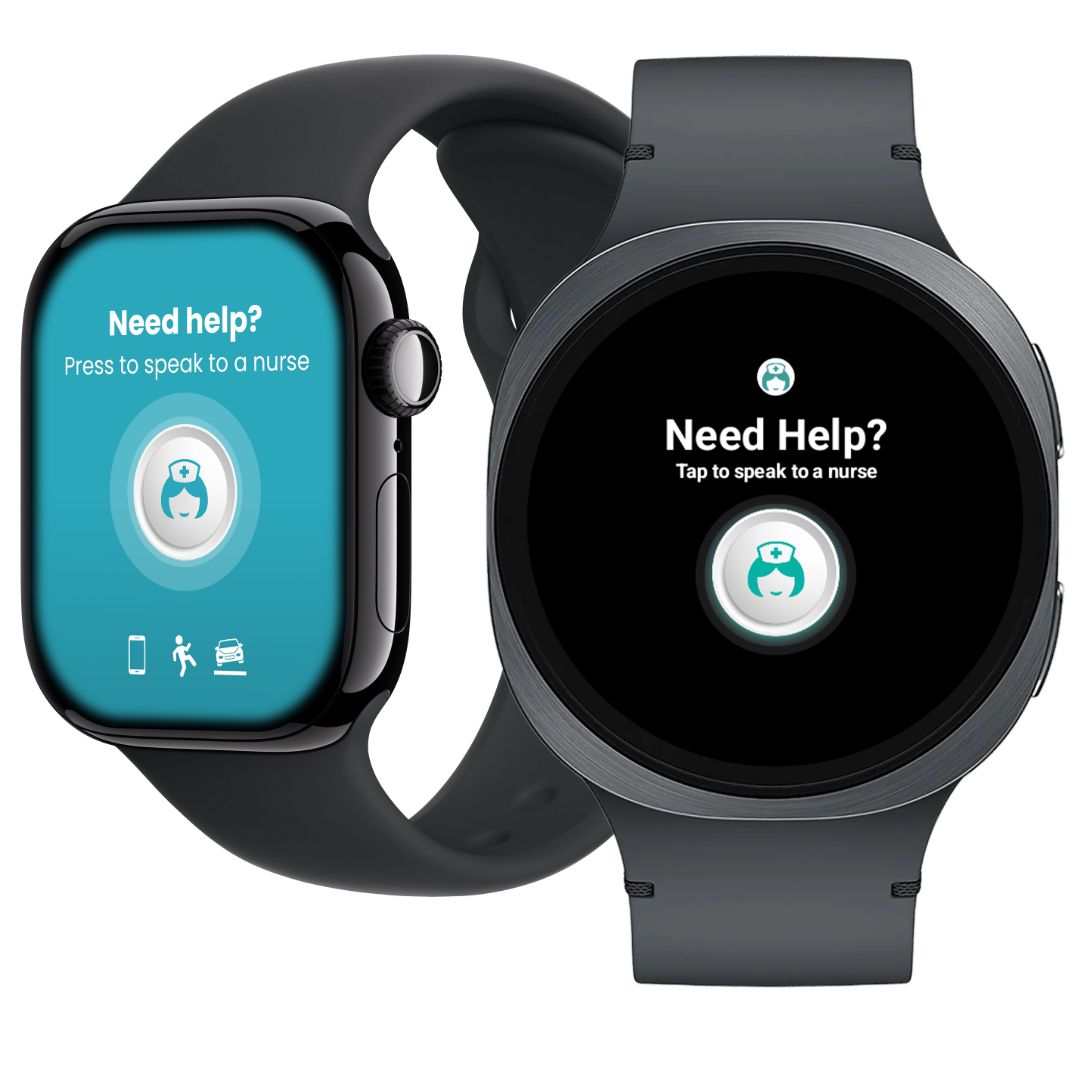 INS LifeGuardian® Watch INS LifeGuardian® Watch |
Supplied Samsung or Apple smartwatch safety solution | Emergency button, safety check-ins, GPS support, fall detection, two-way communication and premium health monitoring* |
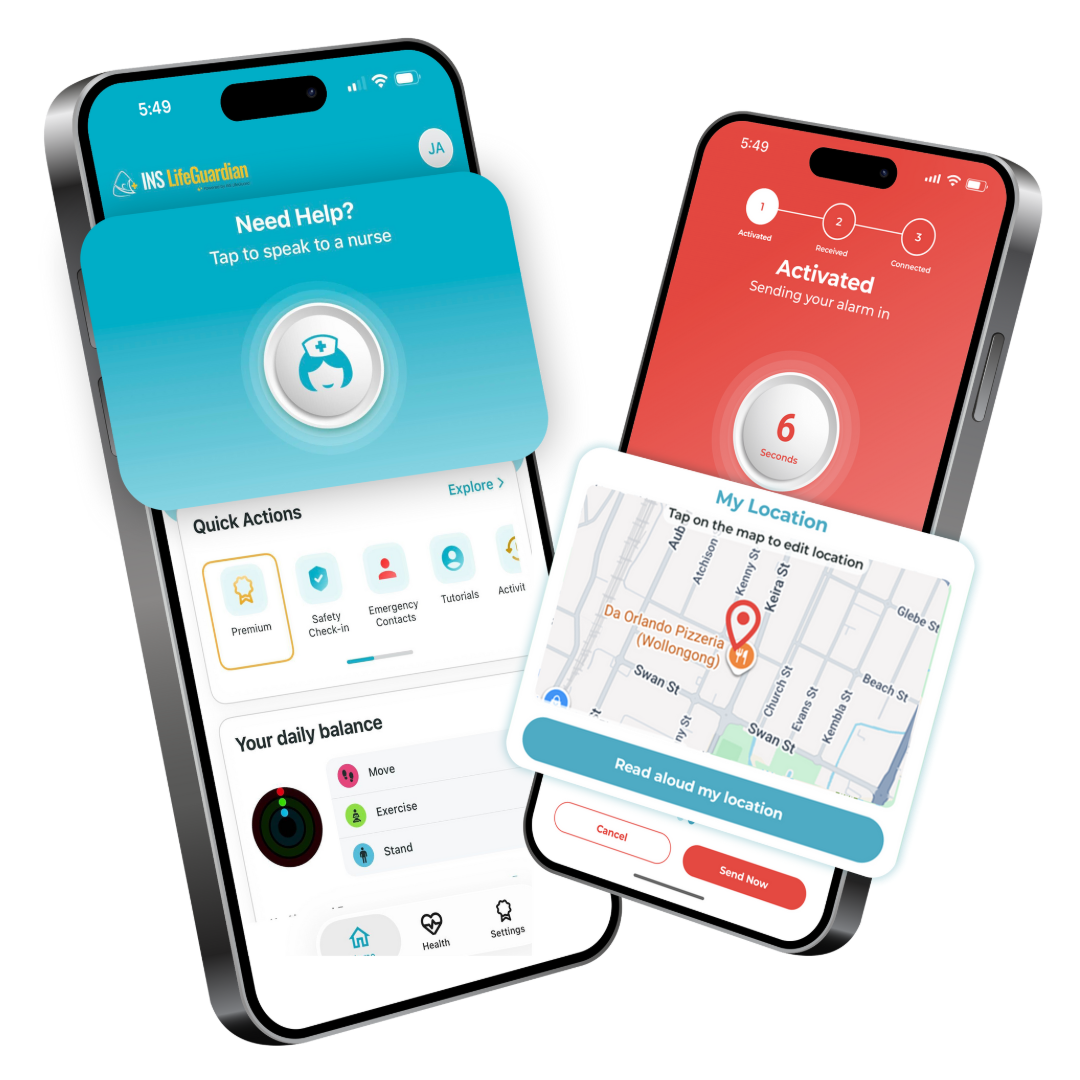 INS LifeGuardian® App INS LifeGuardian® App |
BYO compatible smartphone safety solution, with optional BYO smartwatch connection | Emergency button, safety check-ins, GPS support, fall detection, crash detection, geofence alerts, compatible smartwatch pairing and premium health monitoring* |
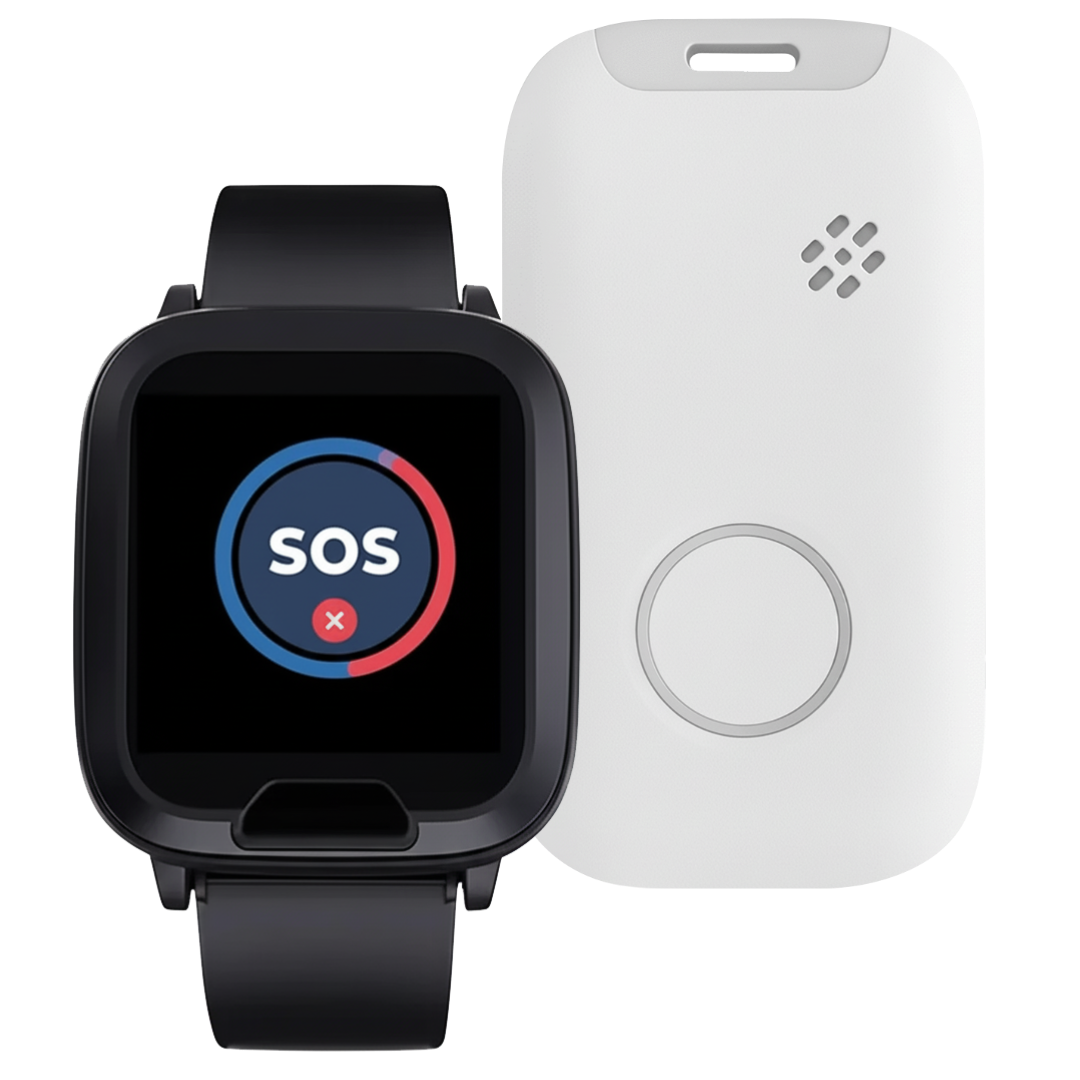 SmartTracker & SafetyWatch SmartTracker & SafetyWatch |
Dedicated GPS safety devices for travelling, remote and higher-risk workers | GPS location support, emergency alerts, fall detection, crash detection and worker location visibility |
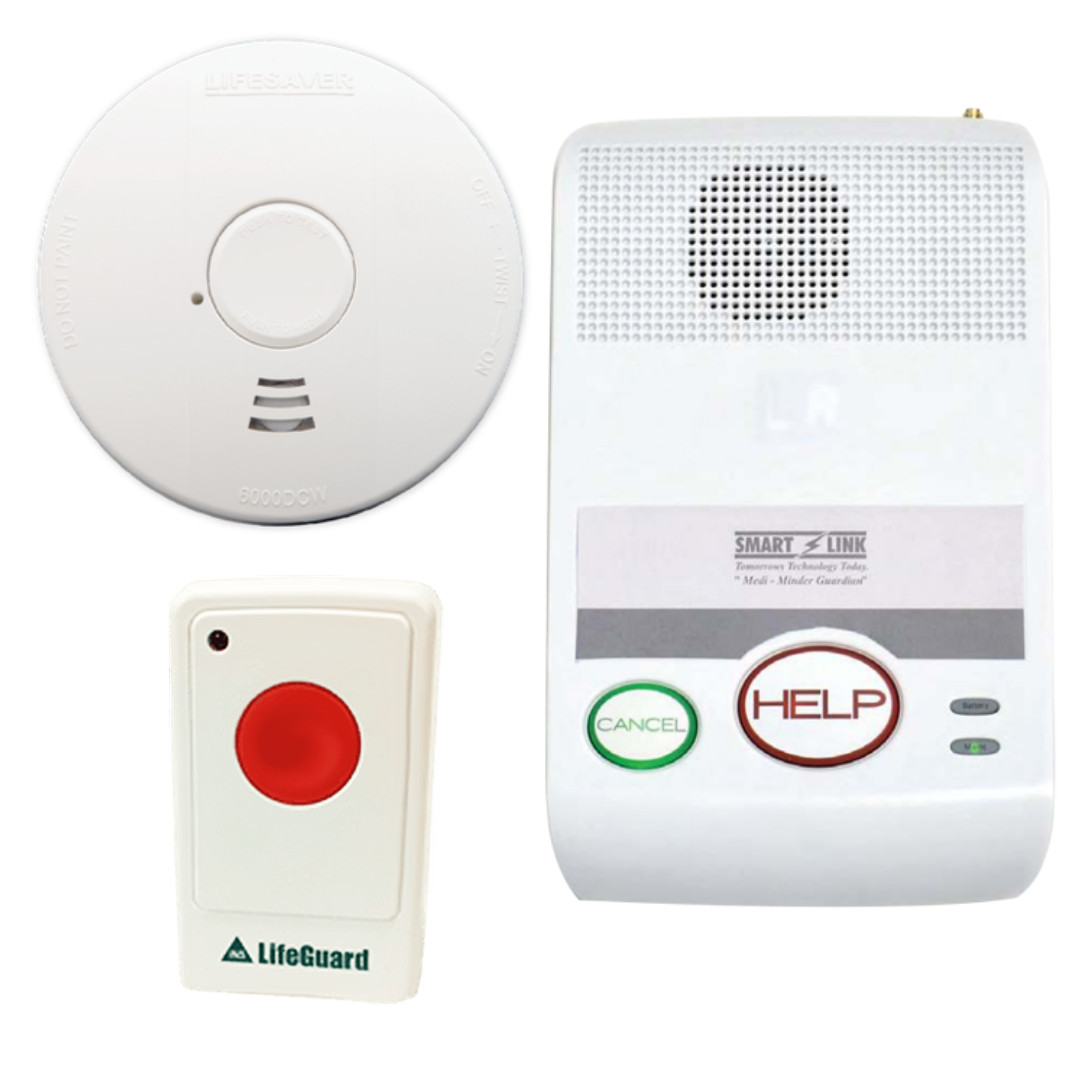 Workplace Base Unit Workplace Base Unit |
Fixed-location safety support for offices, clinics, reception areas and higher-risk workplace zones | Two-way talk, workplace emergency support, optional call points for high-risk or high-slip areas, and optional smoke detection |
| Every monitored solution is backed by INS LifeGuard’s 24/7 nurse-led Emergency Response Centre, staffed by qualified nurses and healthcare professionals. | ||
*Premium health monitoring requires a Premium plan and a compatible smartwatch/device. Fall and crash detection availability may depend on device type and operating system.
Talk to INS LifeGuard About Worker Health and Safety
INS LifeGuard helps employers strengthen worker protection with nurse-monitored safety solutions, emergency alerts, check-ins, GPS support, fall and crash detection, workplace emergency devices, 24/7 nurse response, and digital activity records.
Book a Worker Health and Safety Review
Related Articles
Hospital stays can be stressful, especially when transitioning home or to without the support of an aged care facility. INS LifeGuard provides essential services to help patients leave the hospital safely and confidently, ensuring needed support and ongoing care.
Uncover if falling asleep after meals is a warning sign for diabetes. Learn about possible symptoms, risk factors, and prevention methods.
Discover INS LifeGuard's nurse-led triage service and personal medical alarms in Australia. Reduce ambulance ramping and prevent hospital admissions.
About
INS LifeGuard is the only 24/7 nurse on-call personal and medical monitoring in Australia. We provide monitoring technology for both in the home and on the go and can also monitor other provider's equipment. Our services are suitable for anyone wanting support to stay independent such as the elderly, those with medical conditions and disabilities plus enhancing safety and security for lone workers.