

Have a Question?

Persistent Rash and Burning Sensation? It Could Be Shingles
INS LifeGuard • February 20, 2026

It often starts with a tingling feeling. Maybe a burning patch of skin. Then comes the rash, painful, blistering, and impossible to ignore.
For many Australians, shingles is an unexpected health shock. And while it can affect anyone who has had chickenpox, the reality is this: the risk rises sharply as we age.
In Australia, shingles leads to thousands of hospital admissions every year, and the vast majority of serious cases occur in older adults.
Here’s what you need to know, why it matters, and how to reduce your risk.
What Is Shingles?
Shingles, also known as herpes zoster, is caused by the varicella-zoster virus, the same virus responsible for chickenpox.
After a person recovers from chickenpox, the virus does not leave the body. Instead, it remains dormant in nerve tissue near the spinal cord and brain. Years or even decades later, the virus can reactivate. When this happens, it causes shingles.
Shingles typically appears as a painful rash on one side of the body or face. The rash usually forms in a strip or band-like pattern along a nerve pathway. Because it affects nerves, pain is often one of the first and most noticeable symptoms.
How Common Is Shingles in Australia?
Shingles is common and often underreported.
- About 1 in 3 Australians will develop shingles during their lifetime.
- The risk increases significantly after age 50.
- Hospitalisation rates rise sharply in people aged 70 and over.
- In 2022, there were 2,412 hospital admissions for shingles in Australia.
Because many people do not seek medical care or are not laboratory tested, official notification data likely underestimate the true number of cases.
Recognising the Symptoms of Shingles
Shingles usually develops in stages. Early recognition allows for faster treatment, which can reduce complications.
Early symptoms may include:
- Tingling or numbness in a localised area
- Burning, stabbing or shooting pain
- Sensitivity to touch
- Headache
- Fatigue
- Mild fever
These symptoms are often mistaken for other conditions before the rash appears.
Rash stage:
- Red rash on one side of the body or face
- Clusters of fluid-filled blisters
- Band-like or strip pattern
- Blisters that scab within 7–10 days
- Healing usually within 2–4 weeks
If shingles affects the eye (known as herpes zoster ophthalmicus), urgent medical care is essential to prevent vision loss.
The Most Common Complication: Post-Herpetic Neuralgia (PHN)
The most frequent and distressing complication of shingles is post-herpetic neuralgia.
PHN is persistent nerve pain that continues for more than three months after the rash has healed. It occurs because the virus damages the affected nerves.
Symptoms can include:
- Ongoing burning pain
- Sharp or stabbing sensations
- Extreme sensitivity to light touch
- Deep aching discomfort
The risk of PHN increases with age. Older adults, particularly those over 70, are significantly more likely to experience long-term nerve pain. PHN can interfere with sleep, mobility, mood, and overall quality of life.
Other Serious Complications
Although less common, shingles can also lead to:
- Pneumonia
- Hearing problems
- Facial paralysis (Ramsay Hunt syndrome)
- Blindness (if the eye is involved)
- Swelling of the brain (encephalitis)
Complications are more likely in older adults and immunocompromised individuals.
Why Are Some Younger Adults Developing Shingles?
While shingles is primarily associated with older age, cases do occur in younger adults. Several factors may contribute.
Reduced natural immune boosting
Before widespread childhood vaccination against chickenpox was introduced in Australia in 2005, adults were regularly exposed to children with chickenpox. This repeated exposure may have acted as a natural immune “boost,” helping suppress reactivation of the virus.
With high vaccination rates reducing chickenpox circulation, adults are less frequently exposed. Some researchers suggest this reduced exposure may influence reactivation patterns. This theory is known as the exogenous boosting hypothesis, although its long-term population impact remains debated.
Stress and immune suppression
Chronic stress can temporarily weaken immune function. Adults aged 25–49 often experience high-pressure life stages involving career demands, financial responsibilities, parenting, and sleep disruption.
Stress alone does not cause shingles, but a weakened immune response may create conditions that allow viral reactivation.
Underlying health conditions
Certain medical conditions and treatments can affect immune strength, including:
- Autoimmune diseases
- Cancer
- Diabetes
- HIV
- Long-term corticosteroid use
- Biologic or immunosuppressive therapies
As more Australians live with chronic health conditions and receive immune-modifying treatments, this may also influence shingles risk in younger age groups.
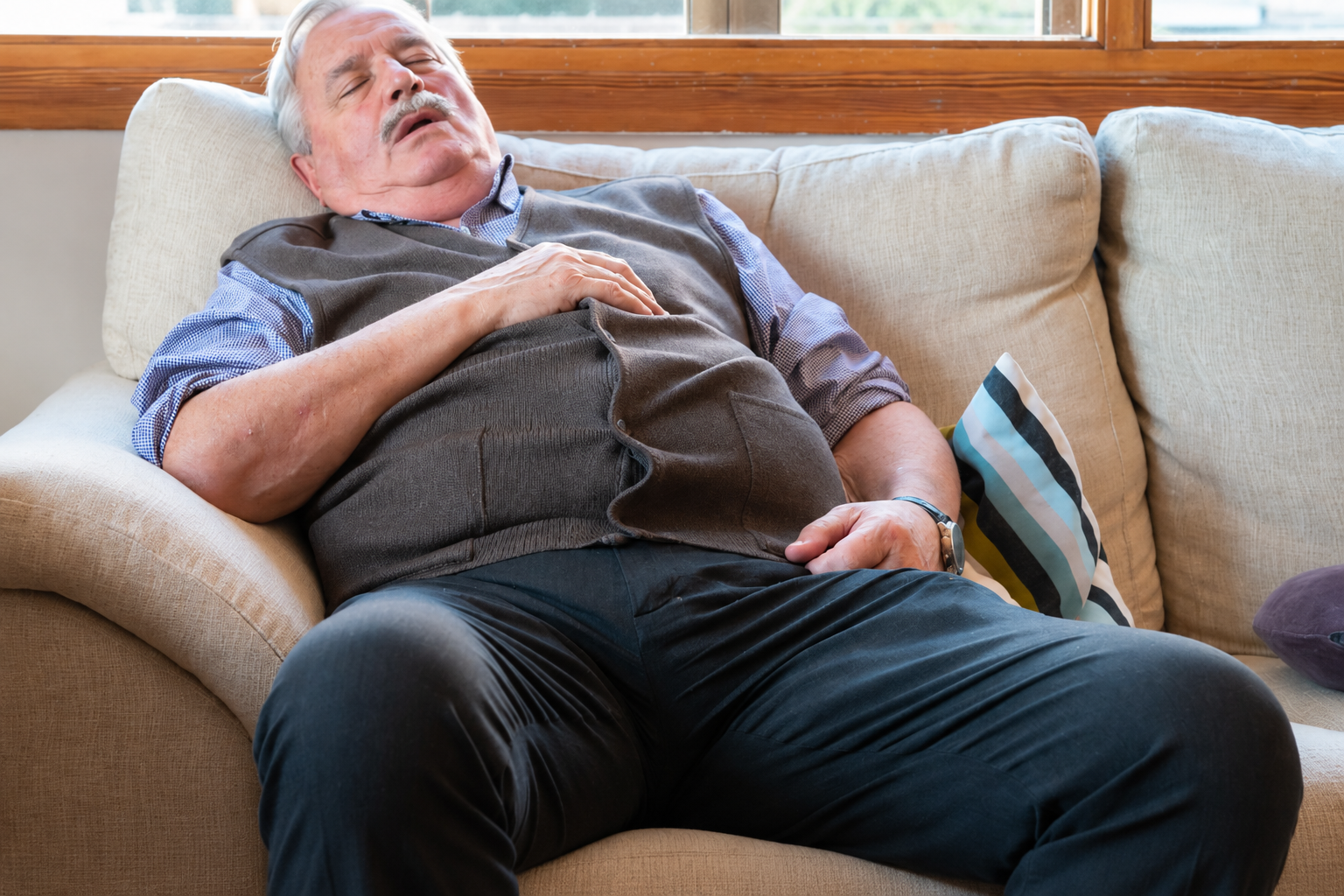
Older Australians Are More at Risk
Age is the single strongest risk factor for shingles.
As we grow older, our immune system naturally becomes less effective, a process known as immunosenescence. This gradual decline reduces the body’s ability to keep the dormant varicella-zoster virus under control. When immune protection weakens, the virus is more likely to reactivate.
While shingles can occur at any age, it becomes significantly more common after 50. The risk continues to rise with each decade of life.
Shingles is particularly more common in:
- Adults aged 50 years and over
- People aged 70 years and above
- Individuals who are immunocompromised
Not only does the likelihood of developing shingles increase with age, but the severity of illness and risk of complications also rise. Hospitalisation rates are highest among Australians aged 80 years and over, reflecting the greater vulnerability of this age group.
When Should You See a Doctor?
Early treatment matters.
Antiviral medications are most effective when started within 72 hours of the rash appearing.
- Seek medical advice immediately if:
- You develop a painful rash on one side of the body
- The rash appears near your eye
- Pain is severe
- You have a weakened immune system
Prompt treatment can reduce the severity and duration of the illness and lower the risk of post-herpetic neuralgia.

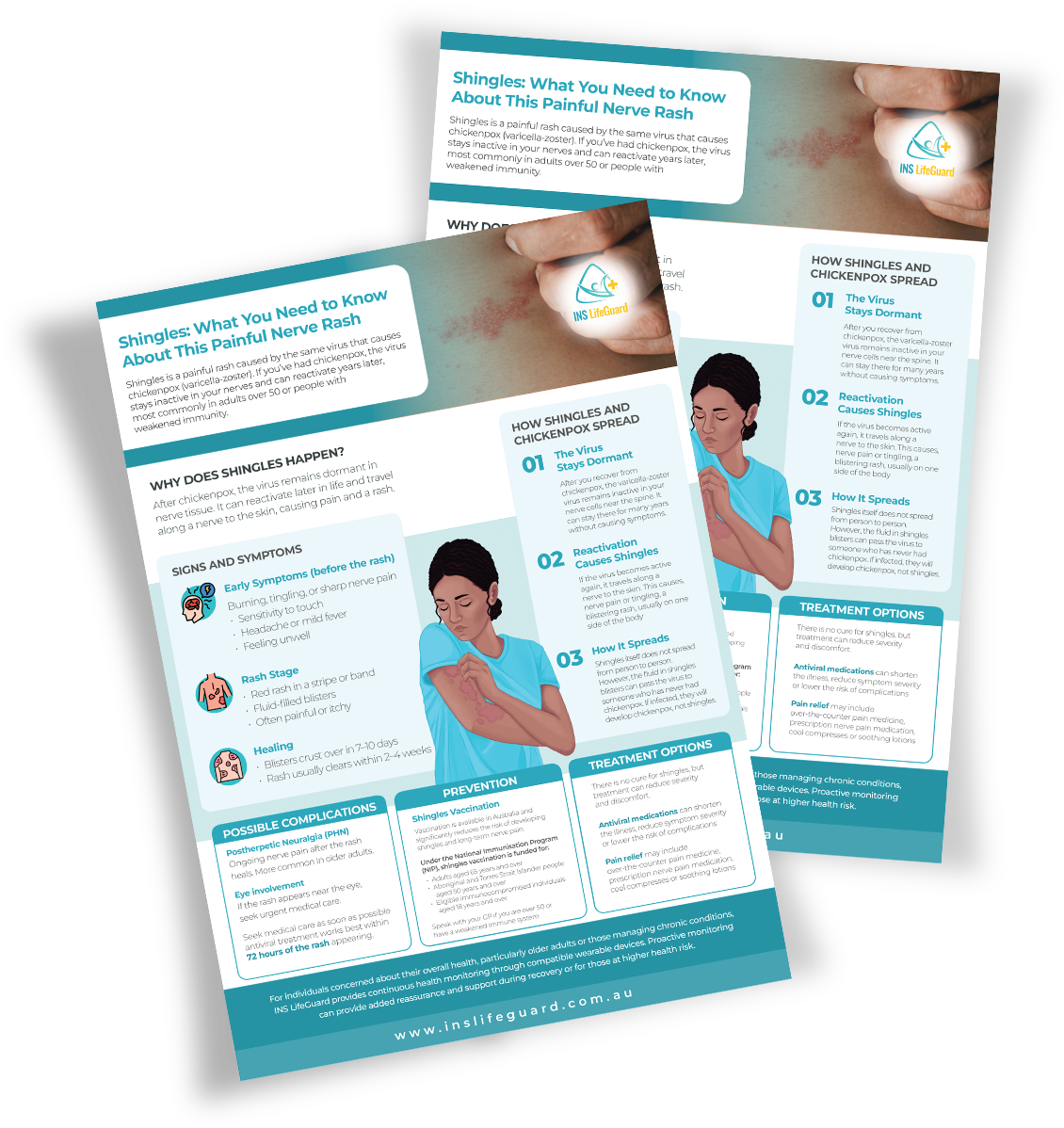
Diagnosed with Shingles? Here’s What You Need to Know About Symptoms, Pain & Treatment
This clear, easy-to-understand resource is designed to help you understand shingles after a diagnosis. It explains what shingles is, why it happens, common signs and symptoms to look out for, possible complications, and the treatment options available to help manage pain and support recovery. The information is practical, reassuring, and written to help you feel informed and prepared.
How Is Shingles Treated?
There is no cure that completely eliminates shingles once it develops. However, treatment can significantly reduce the severity and duration of the illness — especially when started early.
Antiviral Medication
Prescription antiviral medicines are the main treatment for shingles. These medications work by limiting the virus’s ability to multiply.
For best results, antivirals should be started within 72 hours (3 days) of the rash appearing. Early treatment can:
- Shorten how long the rash lasts
- Reduce the intensity of pain
- Lower the risk of complications, including post-herpetic neuralgia
Your GP will assess whether antiviral treatment is appropriate for you. Antivirals are strongly recommended for older adults, people with moderate to severe pain, those with facial or eye involvement, and individuals with weakened immune systems.
If you are pregnant, it is important to speak with your doctor promptly. They can discuss the potential benefits and risks of antiviral treatment in your specific situation.
Managing Pain
Shingles can cause significant nerve pain, particularly during the early stages.
Mild to moderate pain can often be managed with over-the-counter medications such as:
- Paracetamol
- Non-steroidal anti-inflammatory medicines (NSAIDs) such as ibuprofen
If pain is more severe or persistent, your doctor may prescribe stronger pain relief. This can include prescription medications specifically used for nerve pain.
Prompt pain management is important, as uncontrolled pain can affect sleep, mobility, and overall wellbeing.
Caring for the Shingles Rash
Proper skin care can help reduce discomfort and prevent infection.
To support healing:
- Keep the rash clean and dry
- Gently pat the area dry after bathing or showering
- Avoid scratching or picking at the blisters
- Wear loose-fitting clothing to reduce irritation
- Apply a cool compress or cooled towel to soothe discomfort
Scratching can increase the risk of bacterial infection and scarring, so it’s important to avoid irritating the area.
Reducing Spread to Others
While shingles itself is not contagious, the fluid inside the blisters contains the varicella-zoster virus. Direct contact can cause chickenpox in someone who has never had it or has not been vaccinated.
To reduce the risk of transmission:
- Keep the rash covered where possible
- Use a non-stick dressing if clothing does not fully cover the area
- Wash hands regularly
Avoid using:
- Antibiotic creams or gels (unless prescribed)
- Adhesive plasters or sticking bandages directly on blisters
These can irritate the skin and may slow the natural healing process.
Staying Proactive About Your Health
For older Australians, those living alone or individuals managing chronic health conditions, access to reliable clinical support can provide reassurance during illness or recovery.
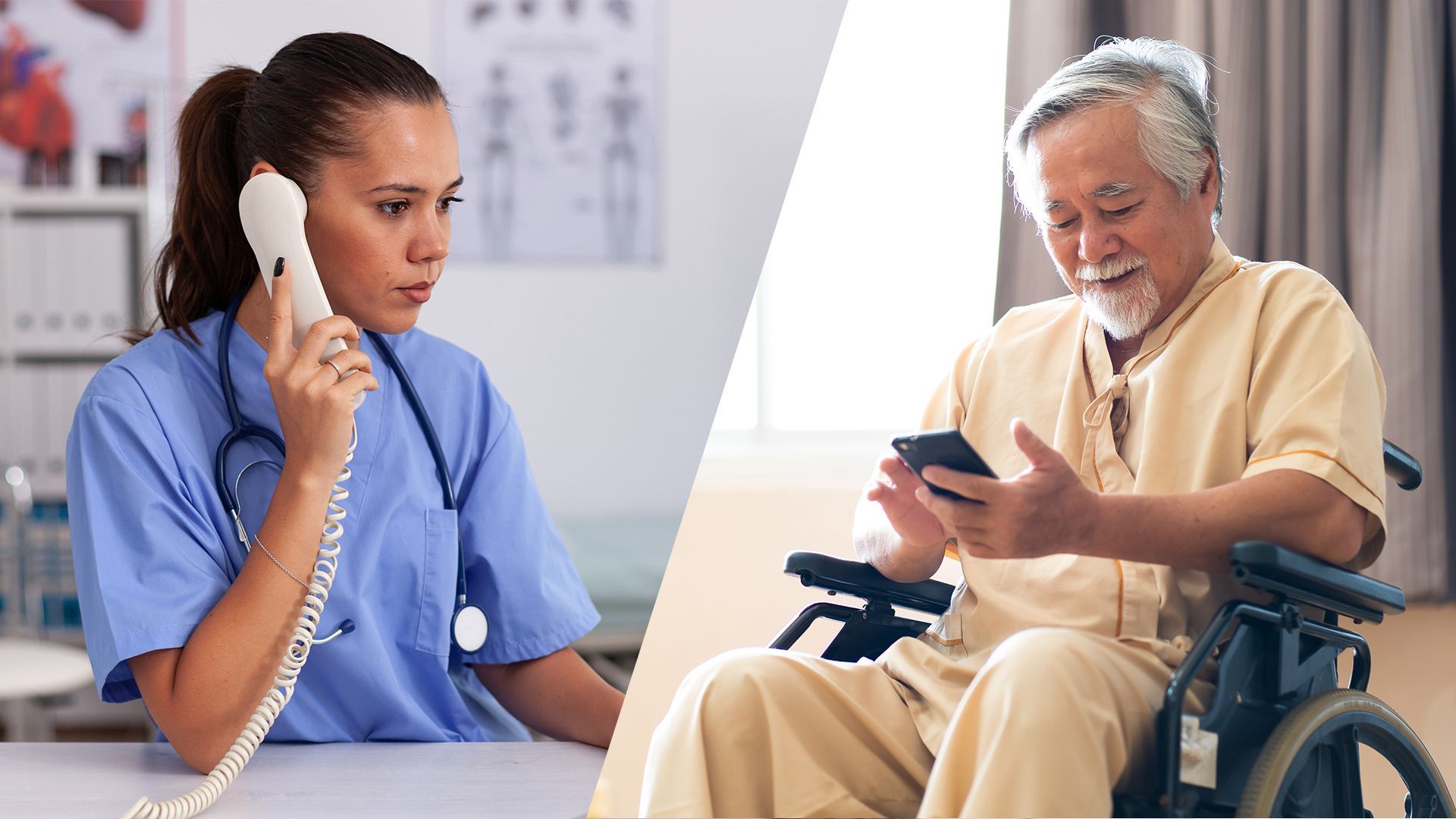
At INS LifeGuard, we focus on supporting Australians with 24/7 nurse access, personal health-monitoring smartwatches, and an app that lets you connect and monitor your BYO smartwatch, helping you live more safely and confidently. While vaccination and medical care remain essential, having professional support readily available can offer added peace of mind.
About
INS LifeGuard is the only 24/7 nurse on-call personal and medical monitoring in Australia. We provide monitoring technology for both in the home and on the go and can also monitor other provider's equipment. Our services are suitable for anyone wanting support to stay independent such as the elderly, those with medical conditions and disabilities plus enhancing safety and security for lone workers.