

Have a Question?


How Grandparenting May Help Slow Cognitive Decline as You Age
INS LifeGuard • March 21, 2026

As people grow older, conversations around ageing often focus on declining health, memory loss, and the increasing need for care. Yet recent research suggests that one of the most meaningful roles in later life, being a grandparent, may actually help keep the brain active and healthy.
Research suggests that grandparents who regularly spend time caring for their grandchildren may experience better cognitive performance than those who are less involved in childcare.
Rather than being seen as a responsibility or burden, spending time with grandchildren may contribute positively to long-term brain health, emotional wellbeing, and overall quality of life.
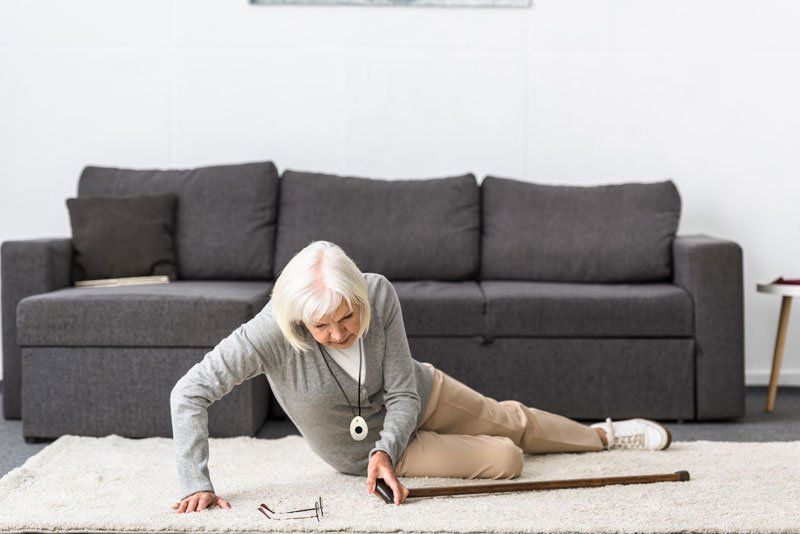
At the same time, having the right support systems in place can help older adults stay confident and independent while remaining active with family. Features like 24/7 nurse-on-call support, personal alarm and health monitoring can track vital signs, detect potential health risks early, and provide rapid assistance when needed.
The Study: Grandparenting and Cognitive Function
Research from Tilburg University in the Netherlands examined large ageing data sets to explore whether caregiving roles influence cognitive performance in older adults. The findings revealed that grandparents who were involved in childcare tended to perform better in cognitive tests measuring memory, language ability, and processing speed.
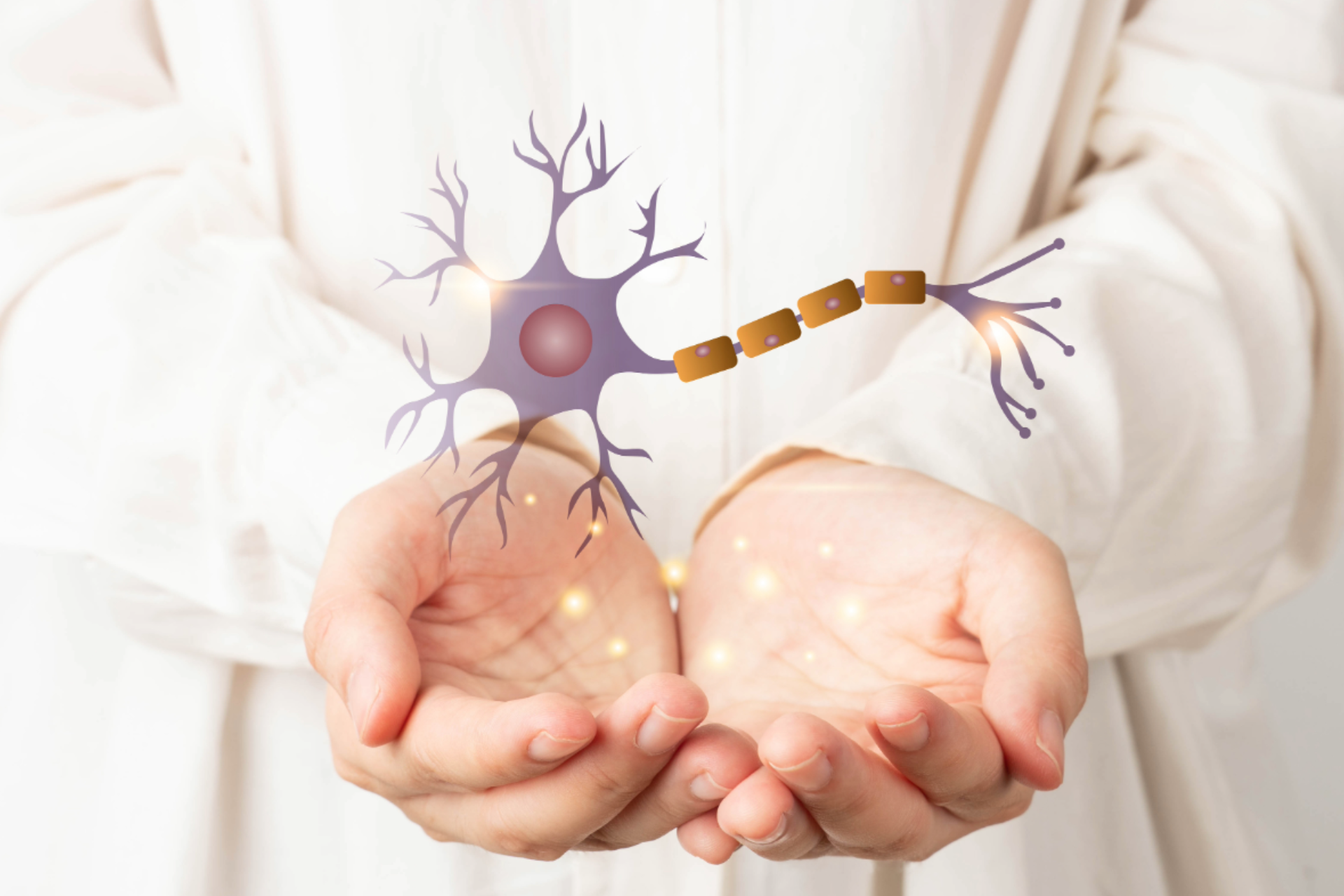
These areas of brain function are often among the first affected by ageing and neurodegenerative conditions such as dementia.
Grandparents involved in childcare were found to demonstrate:
- Stronger memory recall
- Better verbal fluency and communication skills
- Improved cognitive processing
- Slower decline in cognitive performance over time
Importantly, the research found that the benefits were linked to active engagement, rather than the exact number of hours spent caring for grandchildren. Even occasional interaction appeared to provide cognitive stimulation.
Why Spending Time with Grandchildren Helps the Brain
Grandparenting naturally encourages behaviours that support brain health. These interactions stimulate multiple areas of the brain at once, helping maintain mental agility.
1. Social Interaction Keeps the Brain Active
Loneliness and social isolation are known risk factors for cognitive decline. Regular contact with family members, particularly younger generations, provides meaningful social engagement.
Talking, listening, storytelling, and playing with grandchildren stimulate areas of the brain associated with communication, emotional processing, and memory formation.
2. Perspective-Taking Exercises the Mind
Children see the world differently. Interacting with them requires adults to think creatively and adapt their thinking.
Grandparents often find themselves:
- Explaining new ideas
- Answering endless questions
- Viewing situations from a child’s perspective
This process encourages cognitive flexibility, an ability that naturally declines with age but can be strengthened through regular mental stimulation.
3. Problem-Solving Strengthens Cognitive Skills
Children constantly introduce new challenges and puzzles. Whether building a toy, solving a school problem, or inventing a game, grandparents often engage in spontaneous problem-solving activities.
These everyday situations activate brain areas responsible for:
- Logical reasoning
- Decision-making
- Memory recall
- Creative thinking
Mental stimulation plays a key role in maintaining brain health and reducing the risk of cognitive decline.
4. Increased Physical Activity Supports Brain Health
Caring for grandchildren often involves movement, walking to the park, playing outdoors, or simply staying active throughout the day.
Physical activity improves:
- Blood flow to the brain
- Oxygen delivery to brain tissue
- Overall cardiovascular health
The Importance of Balance
While grandparenting offers many benefits, researchers highlight the importance of balance.
Cognitive and emotional benefits are strongest when caregiving is:
- Voluntary
- Enjoyable
- Shared among family members
When grandparents feel overwhelmed by excessive caregiving responsibilities, stress can negatively impact both physical and mental health.
Moderate involvement, such as occasional babysitting, shared activities, or family visits, often provides the most positive outcomes.
Emotional Benefits of Grandparenting
Beyond cognitive advantages, spending time with grandchildren can significantly improve emotional wellbeing.
Many grandparents report feeling:
- A stronger sense of purpose
- Increased happiness and fulfilment
- Greater connection to family
- Reduced feelings of loneliness
Positive emotional experiences release neurotransmitters such as dopamine and serotonin, which contribute to mood regulation and overall mental health.
Supporting Long-Term Cognitive and Health Awareness
While lifestyle habits such as social engagement and physical activity can help support cognitive health, ageing also increases the likelihood of unexpected medical events.
Monitoring health changes, recognising early warning signs, and accessing professional medical support can help individuals maintain independence and quality of life as they grow older.
Wearable devices and personal alarm systems enable individuals to quickly connect with healthcare professionals who can assess the situation, provide guidance, and contact emergency services or family members if needed.
About
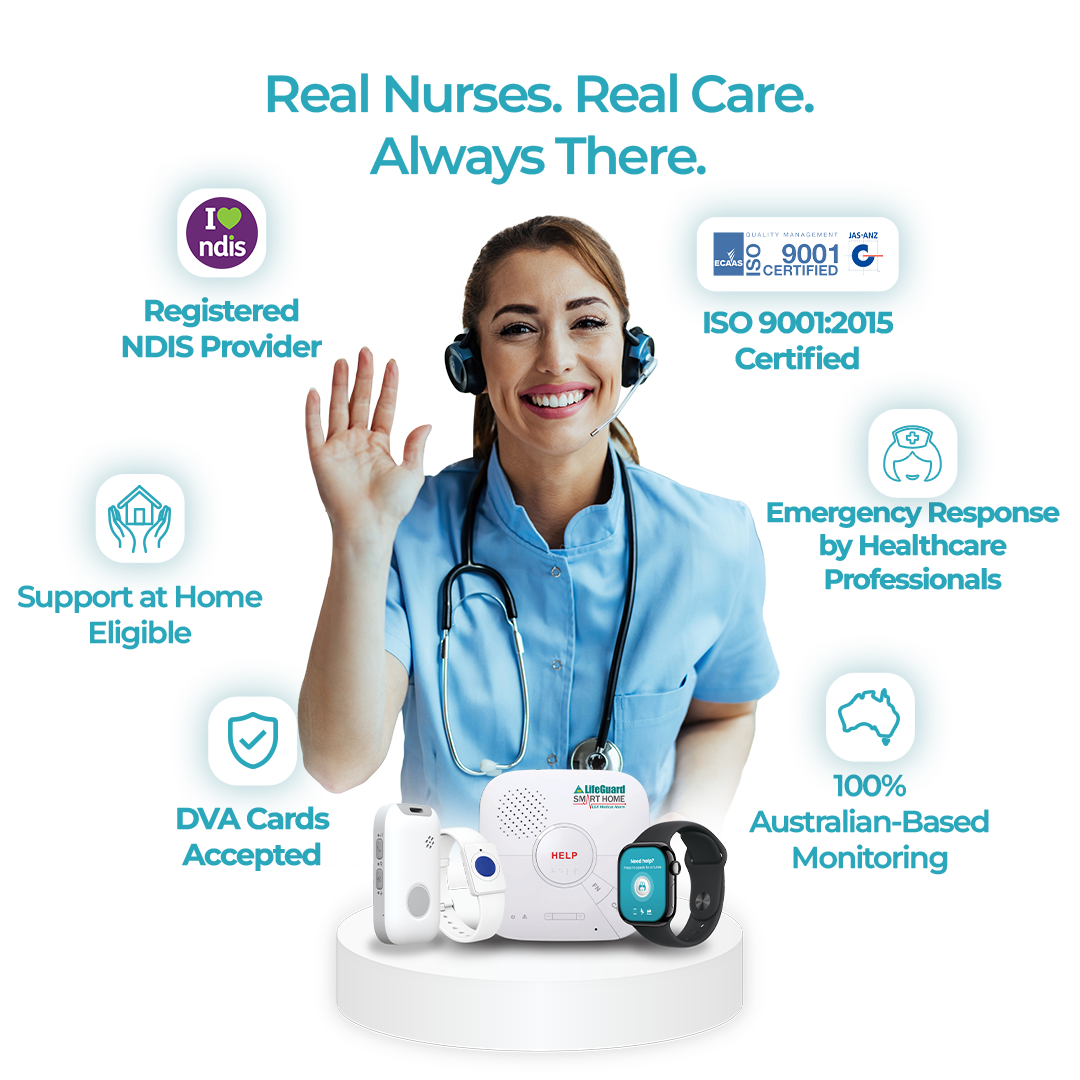
INS LifeGuard is the only 24/7 nurse on-call personal and medical monitoring in Australia. We provide monitoring technology for both in the home and on the go and can also monitor other provider's equipment. Our services are suitable for anyone wanting support to stay independent such as the elderly, those with medical conditions and disabilities plus enhancing safety and security for lone workers.