

Have a Question?

Mental Health & Emotional Wellbeing for Seniors: Understanding Loneliness, Grief, and Where to Find Support
INS LifeGuard • February 3, 2026
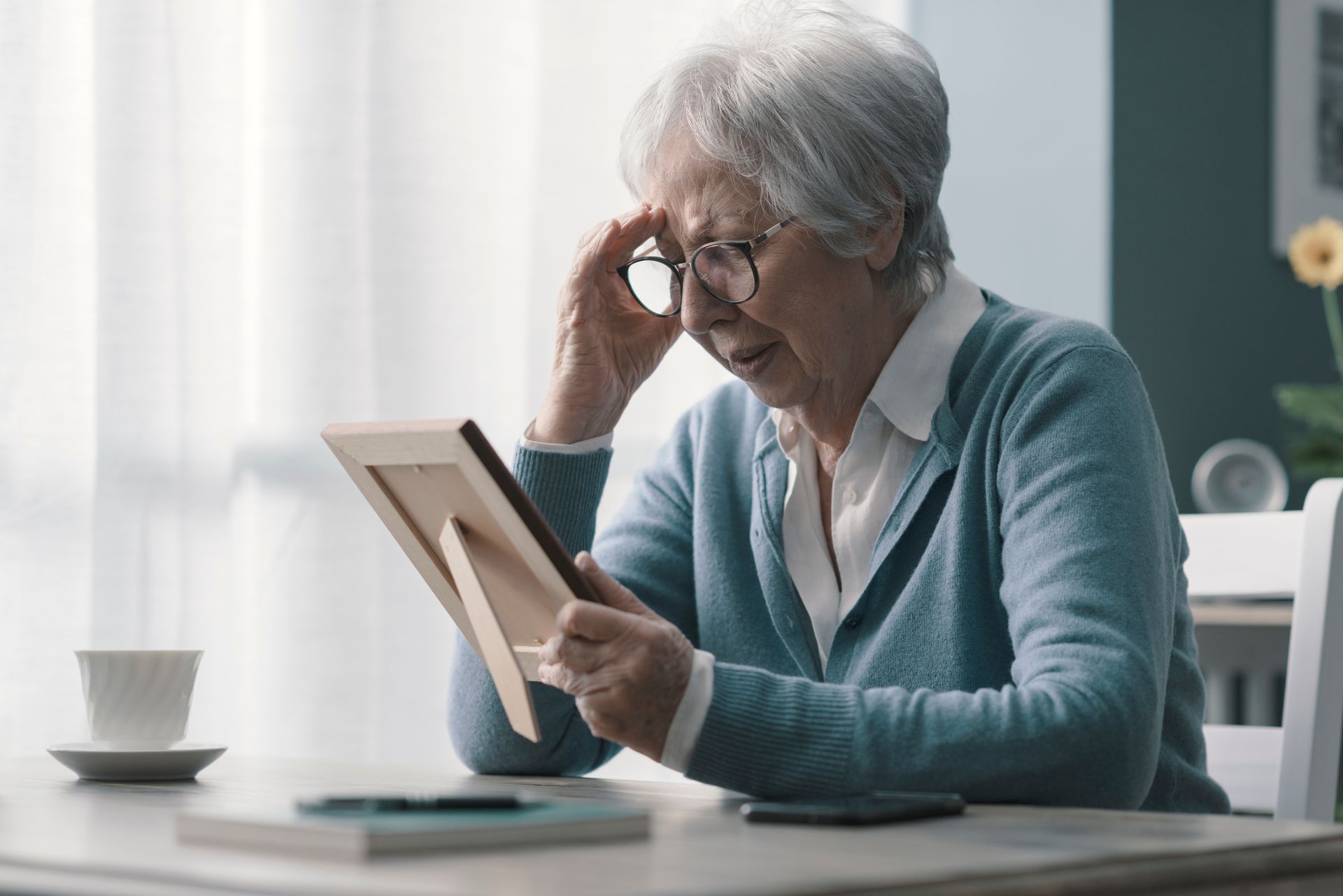
Mental health is no longer whispered about in Australia. It’s demanded attention. Nearly half of all Australians have experienced a mental disorder at some point in their lives. But for older Australians, the conversation often stops too soon.
After a lifetime of caring for others, many seniors find themselves navigating profound losses: partners who’ve passed, friends who’ve moved away, health that’s declining and purpose that feels harder to find. Retirement can feel less like freedom and more like disconnection. Grief doesn’t always come with a handbook. And loneliness? It doesn’t always look like being alone.
The statistics are sobering: 60% of NSW seniors report feeling lonely. One in four struggles with daily tasks because of it. But here’s what the numbers don’t capture—the strength it takes to ask for help, the courage to reach out and the relief of knowing you’re not the only one.
This guide is for anyone who’s felt invisible, anyone who’s wondered if things will get better and anyone who just needs to know where to turn. Because support exists, strategies work, and you deserve both.
Mental Health in Australia: A National Priority
According to recent statistics, 43% of Australians aged 16 to 85 have experienced a mental disorder at some point in their lives. These numbers reflect not only an increase in diagnoses but also growing awareness and willingness to seek help. With awareness comes the urgent need for accessibility, continuity and quality in mental health care.
Increased demand is being driven by:
- Post-pandemic stress and trauma
- Workplace burnout and financial pressures
- Social isolation among older Australians
- Youth mental health concerns tied to identity, bullying and screen time
- Caregiver stress in aged and community care settings
These pressures are being felt across every sector, from schools and families to corporate workplaces and retirement villages.
Common Mental Health Conditions
According to the Australian Institute of Health and Welfare, the most common mental health conditions among Australians include:
- Anxiety Disorders: Affecting around 1 in 7 Australians annually, including GAD, panic disorder, PTSD, phobias and social anxiety
- Depressive Disorders: Impacting over a million Australians each year and a leading contributor to disability
- Substance Use Disorders: Harmful or dependent use of alcohol, nicotine or drugs
- Bipolar Affective Disorder: Affecting nearly 2% of Australians over their lifetime
- Psychotic Disorders: Including schizophrenia, requiring more intensive long-term care
- Eating Disorders: Rising, particularly among adolescents and young adults
- Obsessive-Compulsive Disorder (OCD): Significantly impacting daily functioning
The Loneliness Crisis Among Seniors
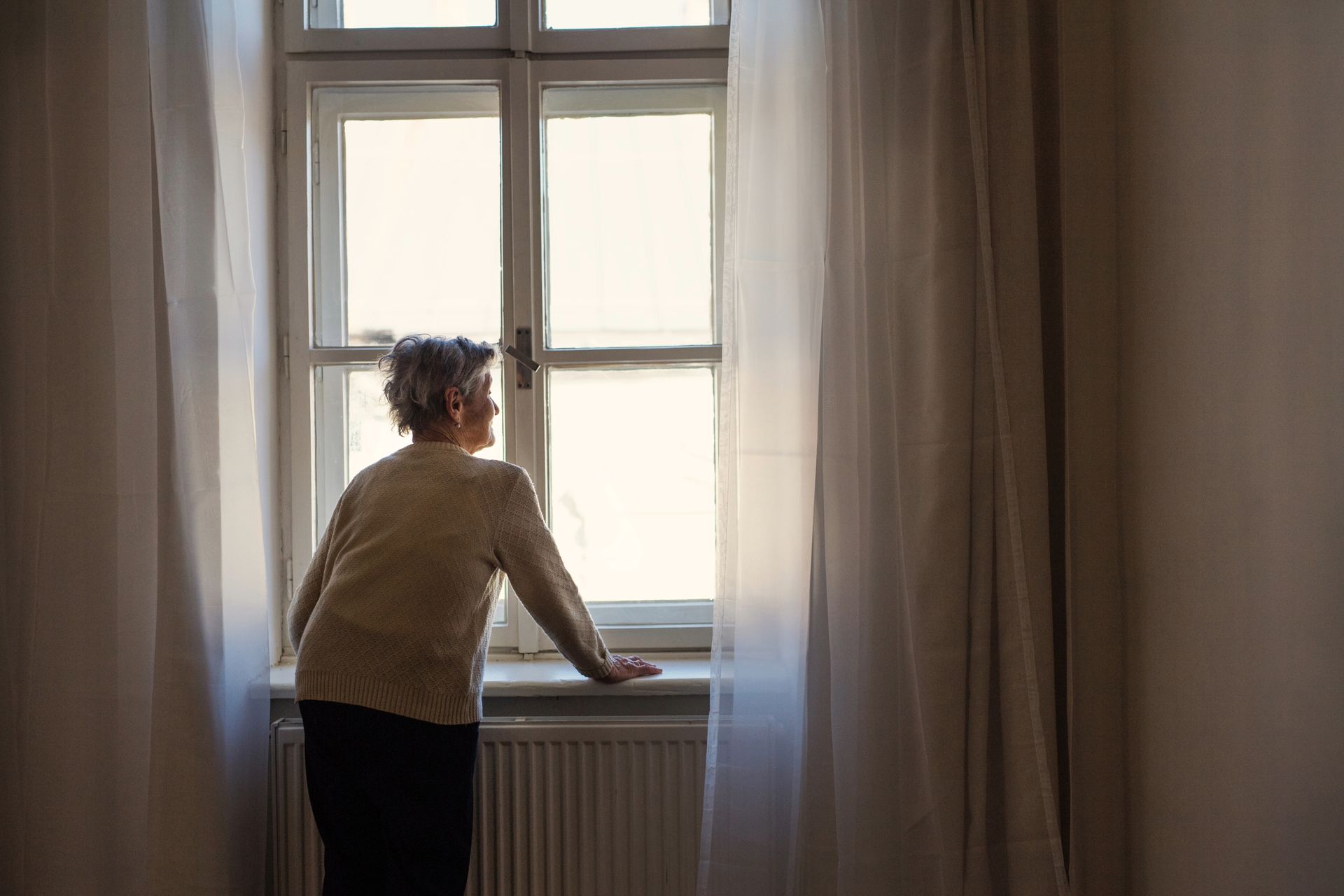
New research by the Council on the Ageing (COTA) NSW has revealed a troubling trend: a growing epidemic of loneliness and social isolation among older adults. The comprehensive report,
Voices of Solitude:
Loneliness and Social Isolation Among Older Adults in NSW, surveyed over 2,200 individuals aged 50 and above, revealing the significant impact on quality of life.
Key Findings
- 60% feel lonely
- 25% suffer from extreme loneliness
- 50% are socially isolated
Gohar Yazdabadi, CEO of COTA NSW, described the findings as devastating: “Our findings paint a devastating picture of the extent of loneliness and social isolation among those aged 50 plus in our community.”
Impact on Daily Life
- 1 in 4 finds it difficult to complete everyday tasks like shopping and cooking
- 1 in 5 is deterred from seeking essential medical care
- 40% engage in social activities less than once a month
- 11% leave their homes only once a month or less
Feeling Undervalued
- 60% do not feel valued by the community
- 20% do not have someone to rely on
- 15% feel their family and friends do not care about them
Ms Yazdabadi emphasised: “The feelings of being undervalued and without a support network are a terrible reflection of ageism and the way we value older people in our society, the impacts of which are keenly felt.”
Understanding the Difference
Loneliness is the distressing feeling of being alone or disconnected, even when surrounded by others. It’s about the perceived quality of relationships.
Social isolation
is the
physical state of being separated from others or having few regular interactions. You can be isolated without feeling lonely, and you can feel lonely even in a crowd.
Common Causes
- Loss of a loved one
- Retirement or unemployment
- Mental, physical and emotional health issues
- Relocation without family, friends or community networks
- Financial constraints
- Ageism and discrimination
Effects on Wellbeing
Social isolation and loneliness impact physical, mental and emotional health:
- Mental health: Increased risk of depression, anxiety, panic attacks and cognitive decline
- Physical health: Headaches, cardiovascular issues, heart disease, stroke, weakened immune system
- Emotional wellbeing: Irritability, frustration, heightened emotional sensitivity
- Cognitive function: Difficulty concentrating, making decisions, remembering things
- Sleep and appetite: Insomnia, disrupted sleep patterns, changes in eating habits
- Self-worth: Low self-esteem, feelings of inadequacy, decreased relationship satisfaction
12 Practical Strategies to Overcome Loneliness
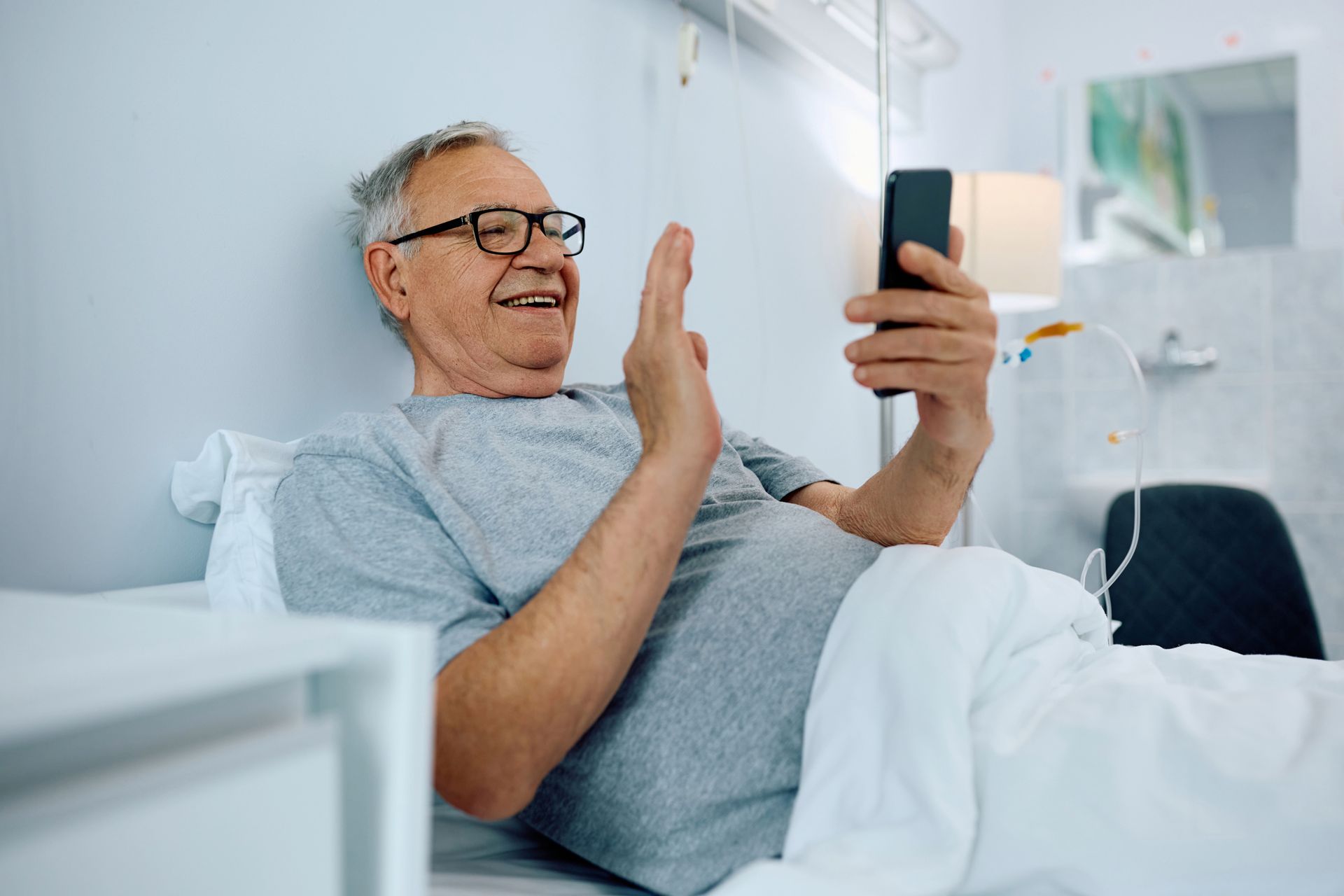
Overcoming social isolation involves understanding yourself, forming genuine connections and cultivating a fulfilling life. Here are 12 evidence-based strategies:
1. Connect with Loved Ones
Reach out to family and friends regularly through calls, video chats or in-person visits. Strong connections provide emotional support, companionship and belonging.
2. Go Outside and Attend Events
Start by spending time outdoors and attending local events. You don’t have to engage socially right away. Taking gradual steps allows you to ease into interactions at your own pace.
3. Participate in Social Gatherings
Building connections takes time. Be patient with yourself. Gradually expand your social circle by participating in clubs, classes or community groups where you share common interests.
4. Volunteer
Volunteering builds meaningful connections. The shared sense of purpose and camaraderie significantly combats social isolation and fosters belonging.
5. Stay Physically Active
Join a walking club or exercise with a friend. Aim for at least 150 minutes of moderate activity weekly. Over time, you’ll notice improvements in physical and mental wellbeing.
6. Adopt a Pet
If capable, consider a pet. Pets provide comfort, reduce stress, lower blood pressure and offer a sense of purpose and routine.
7. Explore Hobbies
Revive an old hobby or learn something new. Discover activities where you can meet others who share your interests.
8. Use Social Media Mindfully
Research shows social media can foster connections. For those with social anxiety, online connection can decrease isolation and enhance belonging.
9. Practice Self-Compassion
Experiencing loneliness is common and not a personal failure. Acknowledge and validate your feelings without judgment. Self-compassion empowers positive steps towards connection.
10. Enhance Safety and Security
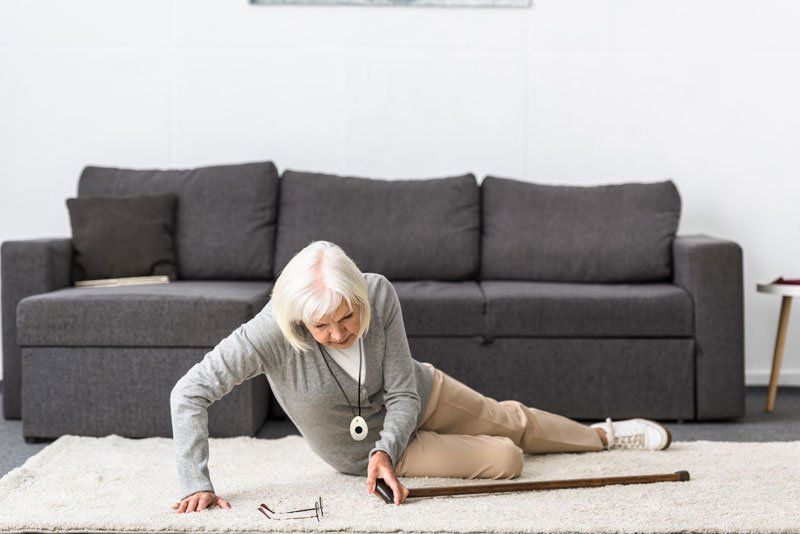
Personal alarms create a safety net. Knowing help is just a button press away provides security and contributes to independent living.
11. Practice Mindfulness
Cultivating present-moment awareness and acceptance of feelings helps prevent isolation. Mindfulness encourages deeper connection with yourself and your environment.
12. Seek Professional Help
If feelings persist, seek support from mental health professionals, counsellors or support groups. Seeking help is a sign of strength, not weakness.
Understanding and Coping with Grief
Grief is a universal, deeply personal response to loss. Whilst often associated with death, grief can stem from various life changes: relationship endings, job loss or health diagnoses. Understanding grief types and navigation strategies helps those affected begin healing.
Types of Grief
- Anticipatory Grief: Occurs before loss, often when a loved one faces terminal illness
- Normal Grief: Typical response where sadness and yearning gradually lessen
- Complicated Grief: Prolonged, intense grief interfering with daily life
- Disenfranchised Grief: Loss not openly acknowledged (pet loss, miscarriage, ex-partner death)
- Collective Grief: Experienced during disasters, pandemics or societal tragedies
- Secondary Losses: Losses arising indirectly from primary loss (financial strain, lost connections)
Self-Help Strategies
- Acknowledge feelings: Allow yourself to feel the full range of emotions without suppression
- Practice self-compassion: Grief is exhausting; prioritise rest and permit yourself to grieve
- Maintain routines: Daily structure provides normalcy and grounding
- Express yourself: Journal, create art or speak with trusted friends
- Stay connected: Reach out to loved ones; isolation intensifies grief
- Engage in gentle activity: Walking, yoga or gardening can be restorative
- Set boundaries: It’s okay to limit interactions to focus on wellbeing
When to Seek Professional Help
Consider professional support if you notice:
- Prolonged intense grief continuing for more than six months
- Thoughts of self-harm or suicide
- Inability to function in daily responsibilities
- Extreme isolation or social withdrawal
- Substance abuse as a coping mechanism
- Signs of paranoia, hallucinations or detachment from reality
How Grief Affects Different Ages
Grief impacts people differently depending on age, life experience and developmental stage:
- Children and adolescents: May not fully understand loss permanence; need reassurance and honest communication
- Young adults (20s-40s): Grief intersects with career and family building; may delay emotional processing
- Middle-aged adults (40s-60s): Face cumulative grief; often prioritise others’ needs over their own healing
- Older adults (65+): Experience frequent losses; grief can impact physical health and increase isolation risk
How INS LifeGuard Supports Mental Health and Emotional Wellbeing
At INS LifeGuard, we recognise that mental health is equally important to physical health. Our personal alarm monitoring system extends beyond emergency response to offer emotional support and connection.
24/7 Nurse-Led Support
Our highly trained nurses are available 24/7 to provide:
- A listening ear when you feel lonely or need someone to talk to
- Emotional support and reassurance during difficult times
- Clinical assessment when needed
- Connection to appropriate services and support
Free 24/7 Chat Line
This service isn’t just for emergencies. Whether you need medical advice or a friendly chat when feeling lonely, our free 24/7 chat line offers comfort, connection and peace of mind during vulnerable moments.
Personal Alarm Systems
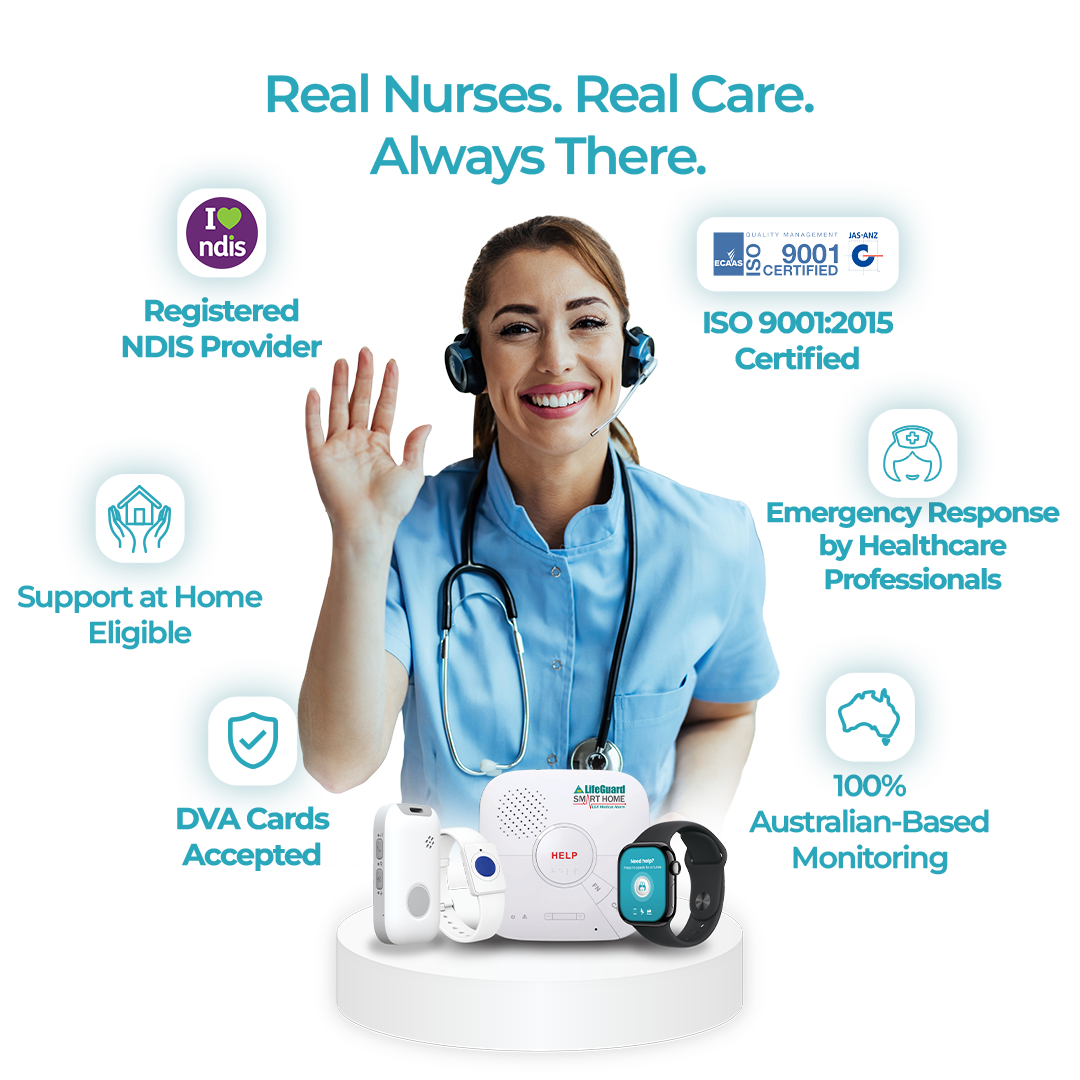
Through our in-home units, smartphone app or connected wearables, users connect to our response centre at the press of a button. Whether feeling anxious, confused or unwell, qualified nurses are ready to listen, assess and take action if needed.
Moving Forward: Building a More Supportive Future
Loneliness, grief and mental health challenges don't discriminate. They affect people across all backgrounds, at all stages of life. But here's what we know: connection heals. Support works. And asking for help is one of the bravest things you can do.
If you're reading this and recognising yourself in these pages — if you've felt the weight of isolation, the ache of loss, or the quiet struggle of just getting through the day — please hear this: what you're experiencing is real, it's valid, and you don't have to carry it alone.
How INS LifeGuard Supports Your Wellbeing
At INS LifeGuard, we have built our service around a simple belief: everyone deserves to feel safe, supported and connected. For people who use our personal alarm services, our 24/7 nurse-led monitoring goes beyond emergency response. It provides reassurance, human connection and professional support when it is needed most.
Our qualified nurses support registered INS LifeGuard users day and night. This includes providing emotional reassurance during moments of anxiety, offering clinical guidance when health concerns arise, and helping users feel less alone during vulnerable times. Support is always accessed through an active INS LifeGuard device or service connection.
Whether you are seeking medical guidance, emotional support or a calm voice at the other end of the line, our nurse-led response team is available to INS LifeGuard customers whenever they activate their service. To learn more about how INS LifeGuard works, or to explore whether our personal alarm solutions are right for you or someone you care about, call us on
1800 636 226 or
browse our website.
About
INS LifeGuard is the only 24/7 nurse on-call personal and medical monitoring in Australia. We provide monitoring technology for both in the home and on the go and can also monitor other provider's equipment. Our services are suitable for anyone wanting support to stay independent such as the elderly, those with medical conditions and disabilities plus enhancing safety and security for lone workers.