
Have a Question?

Respiratory Illness in Australia: Flu, COVID-19, Risks for Seniors, and Ongoing Health Impacts
INS LifeGuard • February 3, 2026
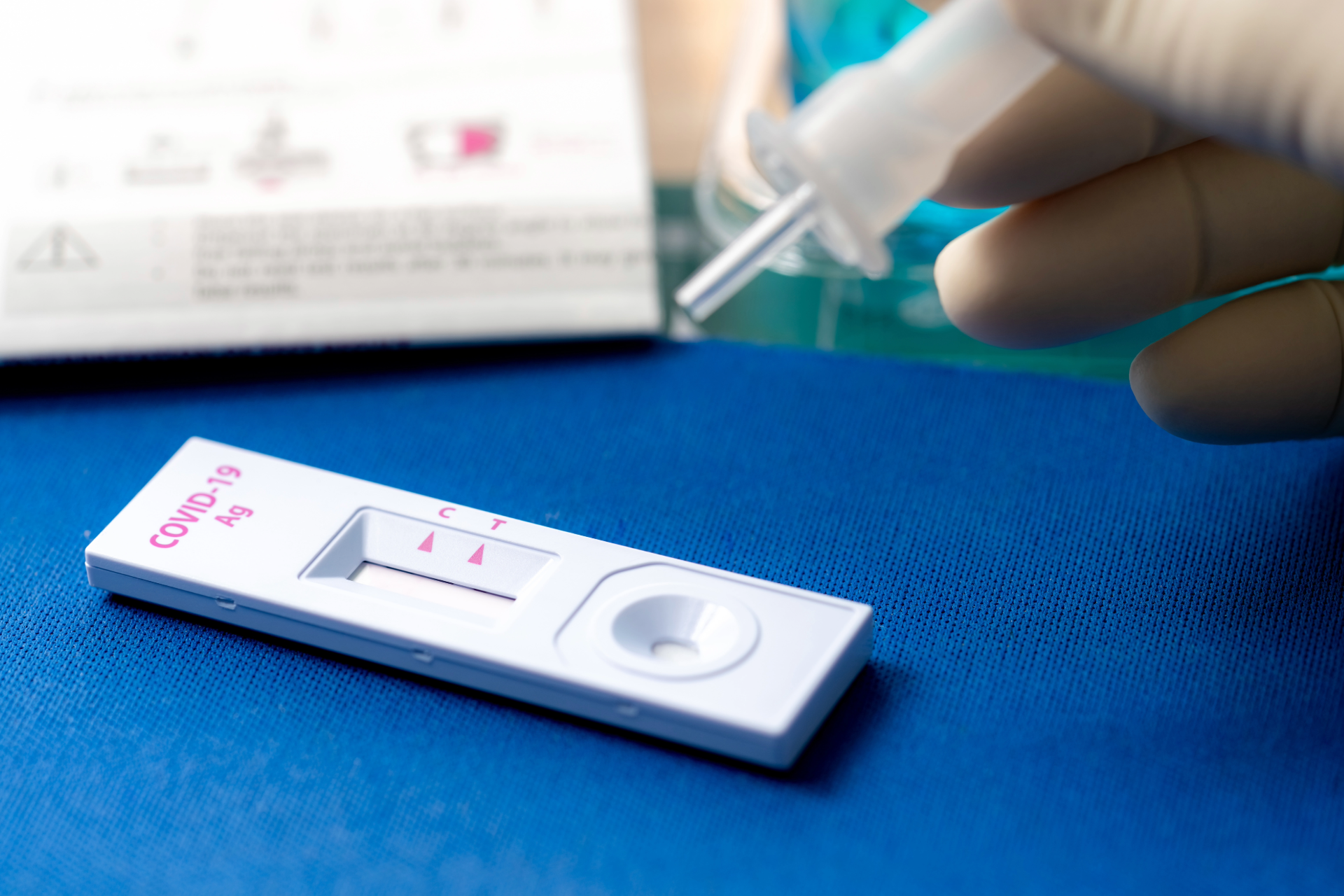
Australia faced a challenging respiratory illness landscape in 2025. An unseasonably early and severe flu season has collided with rising COVID-19 outbreaks in aged care facilities, creating perfect storm conditions for our most vulnerable populations. Meanwhile, thousands of Australians continue to grapple with the lingering effects of Long COVID, navigating symptoms that can last months or years after initial infection.
For older Australians, immune-compromised individuals and those living in congregate care settings, these overlapping threats demand urgent attention. The virus has changed. The flu has returned with force. But our responsibility to protect hasn’t wavered.
This comprehensive blog explores the current state of respiratory illness in Australia, who’s most at risk, how to recognise warning signs early and what support systems can make the difference between deterioration and recovery.
The 2025 Flu Season: Early, Severe and Hitting Hard

Australia is experiencing an unseasonably early and severe flu season, raising serious public health concerns. As of May 2025, influenza infections and hospitalisations have surged beyond the usual winter peaks, prompting health officials to urge immediate action.
The Numbers Tell the Story
According to the Australian Respiratory Surveillance Report (April-May 2025):
- 50% increase in influenza cases compared to 2024
- Emergency departments nationwide under pressure from flu-related admissions
- Early peak catching healthcare system off guard
Why Is This Year So Severe?
- Low community immunity: After two years of mild flu seasons due to COVID-19 restrictions, many Australians have reduced natural and vaccine-induced protection
- Colder, wetter autumn: Cooler conditions have led to increased indoor activity, accelerating virus spread
- Dominant strain - Influenza A (H3N2): Known for causing more severe illness and higher hospitalisation rates, especially in vulnerable groups
COVID-19 in 2025: Rising Cases and New Variants
On July 22, 2025, ABC News reported that COVID-19 outbreaks in aged care facilities are once again on the rise, with hundreds of facilities across Australia affected. Despite years of hard-won lessons, innovation and funding, the sector’s most vulnerable residents still face disproportionate risk—and this time, it’s happening quietly.
From Crisis to Complacency
In 2025, the urgency has faded:
- Mandatory COVID-19 outbreak reporting has eased in many states
- Public data has become less transparent, making real-time response harder
- Infection control measures have relaxed, despite new variants
- Chronic staff shortages persist, leaving facilities stretched thin
The result? A slow erosion of vigilance. Without systems that enable early detection and continuous monitoring, there’s a limit to how proactive aged care can be.
The New COVID Strains
The current surge is being driven by a cluster of Omicron subvariants, including JN.1.13 and KP.3, both circulating widely in Australia as of mid-2025. These variants are:
- Highly transmissible: Even among vaccinated or previously infected individuals
- Subtle in symptoms: Many cases lack fever or strong respiratory signs
- Dangerous for older adults: Particularly those with comorbidities
What makes them dangerous in aged care is how easily they spread before symptoms are noticeable. Residents may appear well, even as their vital signs begin to shift, leading to late detection and delayed response.
Why Seniors Are Most Vulnerable
Older Australians face significantly higher risks from both influenza and COVID-19. According to the Australian Institute of Health and Welfare (AIHW), flu and pneumonia are leading causes of death among Australians aged 75 and over.
In a typical year, between 1,500 and 3,000 Australians die from flu or flu-related complications—most over age 65.
As Dr Linda Selvey from the University of Queensland noted in ABC News: “For the elderly, the flu isn’t just a bad cold—it can be fatal.”
Risk Factors for Seniors
- Age-related immune decline: The immune system weakens with age, making it harder to fight infections
- Pre-existing chronic conditions: COPD, heart disease, diabetes significantly increase risk
- Congregate living: Aged care facilities enable rapid transmission
- Missed or delayed vaccinations: Gaps in vaccination coverage leave seniors exposed
Recognising Symptoms: Why Early Detection Matters
Older people don’t always present respiratory illness the same way younger populations do. COVID-19 subvariants like JN.1.13 and KP.3 can present with minimal or unusual symptoms in older adults, especially those with dementia or complex health needs. A rise in respiratory rate, a dip in oxygen levels or minor confusion may be the first clue—and these signs often go unnoticed without close monitoring.
Typical Symptoms of Respiratory Illness
- Fever, cough, sore throat
- Shortness of breath or difficulty breathing
- Congestion, sneezing
- Muscle aches, fatigue
- Loss of taste or smell (particularly COVID-19)
Subtle Warning Signs in Older Adults
These early red flags may indicate illness in aged care settings, often appearing before fever or cough:
- Changes in mobility or gait: New shuffling, instability or reduced walking distance
- Sudden confusion or withdrawal: Behaviour changes, agitation or drowsiness
- Drop in oxygen saturation (SpO₂): Even a 2-3% dip from normal may be significant
- Loss of appetite or hydration: Skipping meals, refusing fluids or appearing listless
- Increased respiratory rate or shallow breathing: Even without cough or fever
- Fatigue or excessive sleeping: Especially if it’s a sudden change
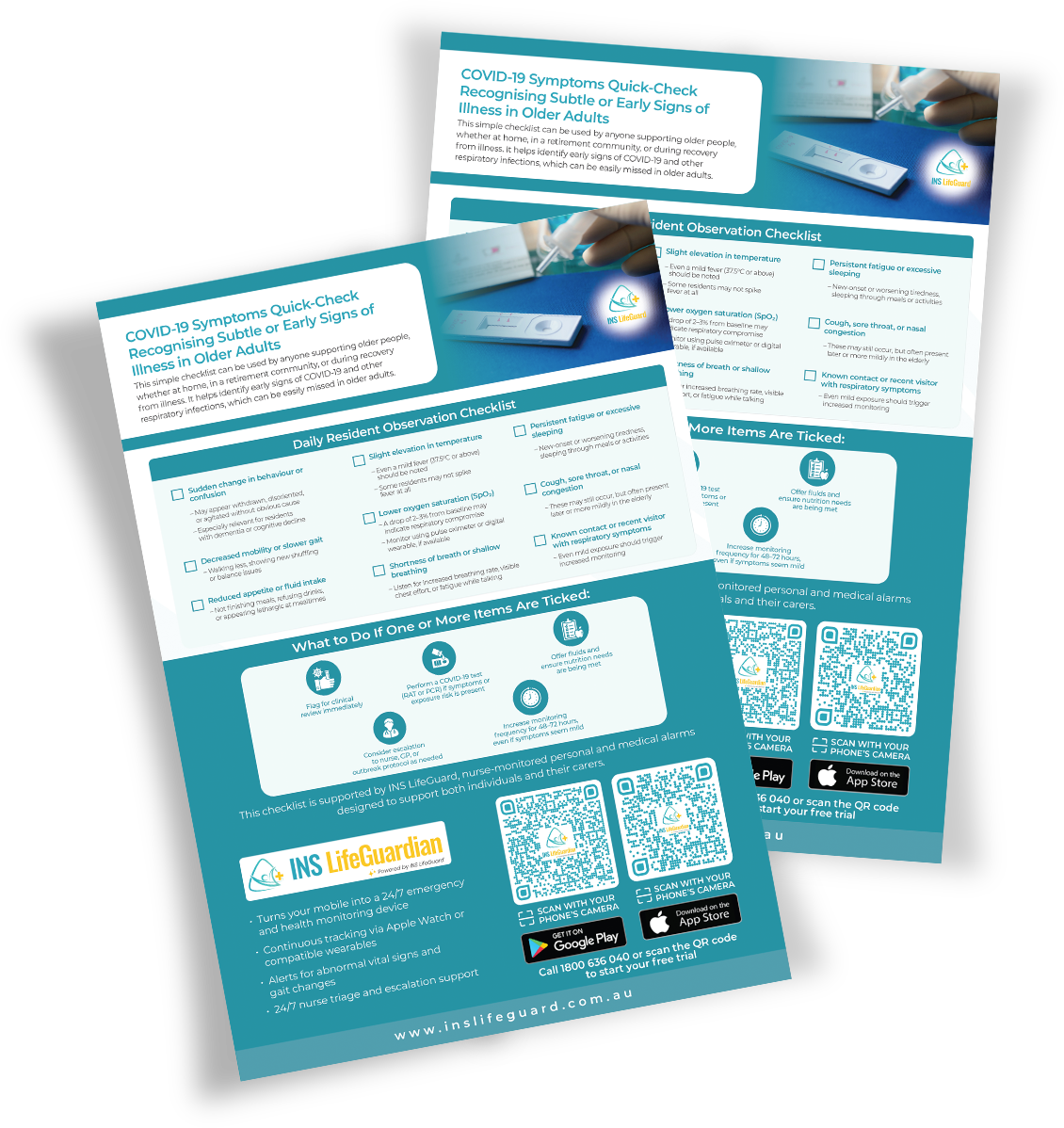
Download Your Free COVID-19 Outbreak Readiness Checklist
A free, printable checklist to support care teams with daily resident monitoring during outbreak periods. Includes the most relevant symptoms, escalation guidance and COVID testing recommendations, all tailored to the 2025 strain profile.
The Ongoing Impact: Understanding Long COVID
Whilst many individuals recover fully after acute COVID-19 illness, studies indicate that 10-20% experience lingering symptoms known as Long COVID, Post-COVID Syndrome or Post-Acute Sequelae of SARS-CoV-2 Infection (PASC). Australia’s high number of COVID-19 cases suggests thousands may face ongoing health challenges.
Common Long COVID Symptoms
Physical Symptoms
- Persistent fatigue: One of the most commonly reported symptoms
- Respiratory issues: Difficulty breathing, shortness of breath, lingering cough
- Muscle and joint pain: Ongoing aches or stiffness
- Loss of taste or smell: May linger for months
Neurological Symptoms
- Brain fog: Difficulty concentrating, memory problems, mental fatigue
- Sleep disorders: Insomnia or disrupted sleep patterns
- Nerve damage: Tingling, numbness or burning sensations
Cardiovascular Issues
- Heart palpitations: Irregular heartbeat or racing heart
- Myocarditis: Heart muscle inflammation, even in mild cases
- Blood clot risks: Increased clotting tendencies
Mental Health Challenges
- Anxiety and depression: Stress of illness combined with lingering symptoms
- PTSD: Particularly in those who were hospitalised
Who Is Most at Risk of Long COVID?
Individuals with Severe COVID-19
Individuals with Severe COVID-19
Those who were hospitalised or required intensive care often face more significant after-effects.
Older Adults
Advanced age increases the likelihood of lingering complications.
Pre-Existing Conditions
People with underlying health issues like diabetes, obesity, or cardiovascular disease are more vulnerable.
Unvaccinated Individuals
Studies suggest vaccination reduces the risk of severe illness and may lower the likelihood of Long-term COVID-19.
Managing Long COVID
- Medical follow-up: Regular check-ups and specialist referrals when needed
- Physical rehabilitation: Pulmonary rehab, gradual activity increases
- Mental health support: Therapy, counselling, mindfulness techniques
- Lifestyle adjustments: Healthy diet, adequate sleep, hydration
- Support networks: Join Long COVID support groups locally or online
Prevention: Your Best Protection
Vaccination
The Australian Government strongly recommends annual flu vaccination for all people over 6 months old. Under the National Immunisation Programme, free vaccines are available for:
- Adults aged 65 and over
- Children aged 6 months to under 5
- Pregnant women
- Aboriginal and Torres Strait Islander people
- People with specific chronic conditions
As Dr Kerry Chant, NSW Chief Health Officer, stated: “Vaccination remains our most effective protection.”
Everyday Prevention Strategies
- Wash hands regularly with soap and water
- Stay home when unwell
- Avoid crowded indoor spaces during peak illness seasons
- Wear a mask in high-risk settings
- Improve indoor air quality with ventilation and air purifiers
How INS LifeGuard Supports Respiratory Health Management
For seniors, immune-compromised individuals, those living alone or anyone managing chronic health conditions, INS LifeGuard offers comprehensive protection that goes far beyond traditional emergency buttons.
Continuous Health Monitoring
Manual checks alone aren’t enough. Care staff do incredible work, but they can’t be everywhere at once. INS LifeGuardian® fills the gap by offering:
- Real-time health tracking: Via Apple Watch or supported Android wearables
- Automatic alerts: For concerning changes in vital signs (heart rate, oxygen saturation, temperature)
- Gait and movement monitoring: Detecting changes in walking speed, stride or stability as early indicators of illness
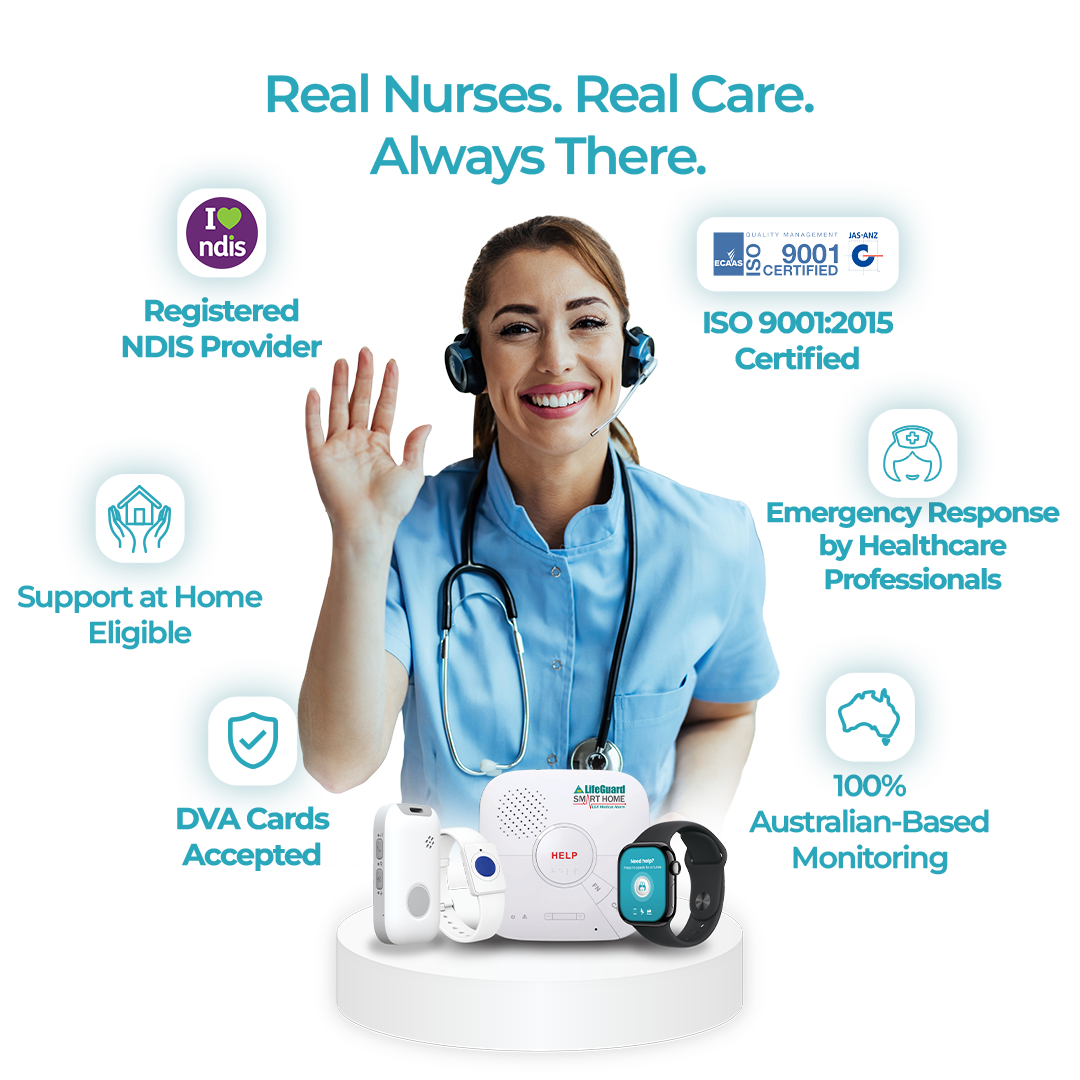
- 24/7 nurse support: Triggered by abnormal readings or manual help requests
These tools empower staff to act early, intervene faster and help prevent unnecessary escalation or hospitalisation.

Turn a Mobile and Smartwatch into a Complete Medical Alarm System
Residents can turn their mobile phone into a full-featured medical alarm system simply by downloading the INS LifeGuardian® app. When paired with an Apple Watch or compatible Android wearable, the system tracks:
- Heart rate
- Blood oxygen (SpO₂)
- Skin temperature
- Activity and movement trends
If anything concerning is detected or if the resident presses the HELP button, our 24/7 nurse-led response team is immediately notified and can triage and escalate appropriately. No stigma. No bulky hardware. Just a simple, smart way to provide safety, oversight and support.
24/7 Nurse Chat and Health Info Line
Our dedicated nurses are available 24/7 for residents, families and facility staff who need reassurance about symptoms, medication advice, clinical questions or simply a calm, professional voice during uncertain times. This service is particularly valuable for socially isolated residents or those who benefit from regular engagement to support mental wellbeing.
Connected Care Through the INS LifeGuard Connect® App
When visitation is limited or care teams and families need better visibility, the free INS LifeGuard Connect® app provides a secure, real-time link between the resident and their support network. Authorised carers, family members or village managers can:
- View vital sign trends
- Receive alerts when an alarm is activated
- Monitor movement patterns or geofence breaches
Data That Drives Action, Not Just Alarms
What sets INS LifeGuardian® apart is our ability to move beyond the traditional “press-a-button” personal alarm model. Vital signs and activity data are:
- Continuously monitored and clinically reviewed
- Automatically analysed for changes or trends
- Summarised into monthly health reports
- Integrated with our nurse-led emergency escalation protocols
This isn’t just about reacting to emergencies; it’s about preventing them before they start.
Preparedness Isn’t Optional. It’s Strategic
The return of COVID-19 to aged care homes, the early arrival of a severe flu season and the ongoing impact of Long COVID aren’t just health risks. They’re signals that systems matter. Surveillance, communication and clinical escalation must be continuous, connected and rapid.
For older Australians, immune-compromised individuals and those in aged care, the stakes are too high for complacency. Early detection saves lives. Proactive monitoring prevents escalation. And having qualified nurses available 24/7 means residents, families and care teams never face uncertainty alone.
Whether you’re a facility manager, care provider, part of a village support team or simply someone wanting better protection for yourself or a loved one, INS LifeGuard can help you detect health risks earlier, respond more quickly and provide greater reassurance. Call us on
1800 636 226 to speak with one of our team members about how INS LifeGuard can support your respiratory health management.
About
INS LifeGuard is the only 24/7 nurse on-call personal and medical monitoring in Australia. We provide monitoring technology for both in the home and on the go and can also monitor other provider's equipment. Our services are suitable for anyone wanting support to stay independent such as the elderly, those with medical conditions and disabilities plus enhancing safety and security for lone workers.