
Have a Question?

Living With Asthma in Australia: Symptoms, Triggers, and Practical Management
INS LifeGuard • February 3, 2026
What is Asthma?
Asthma is a
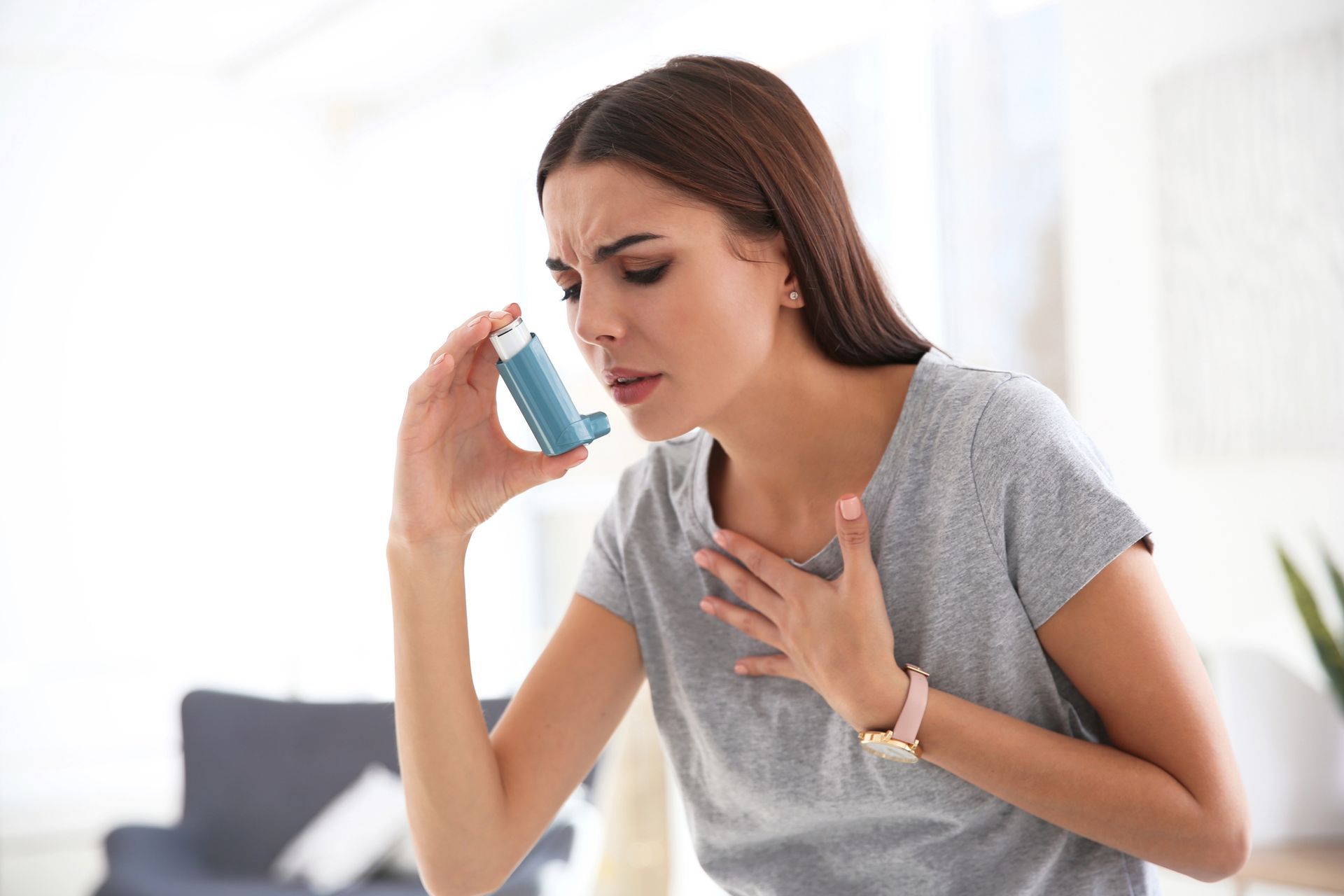
chronic respiratory condition characterised by inflammation and narrowing of the airways. When the airways become inflamed, they swell and produce excess mucus, making breathing difficult. This can trigger coughing, wheezing, shortness of breath and chest tightness. Asthma can range from mild to severe and affects people of all ages, though it’s most often diagnosed during childhood.
Recognising Asthma Symptoms
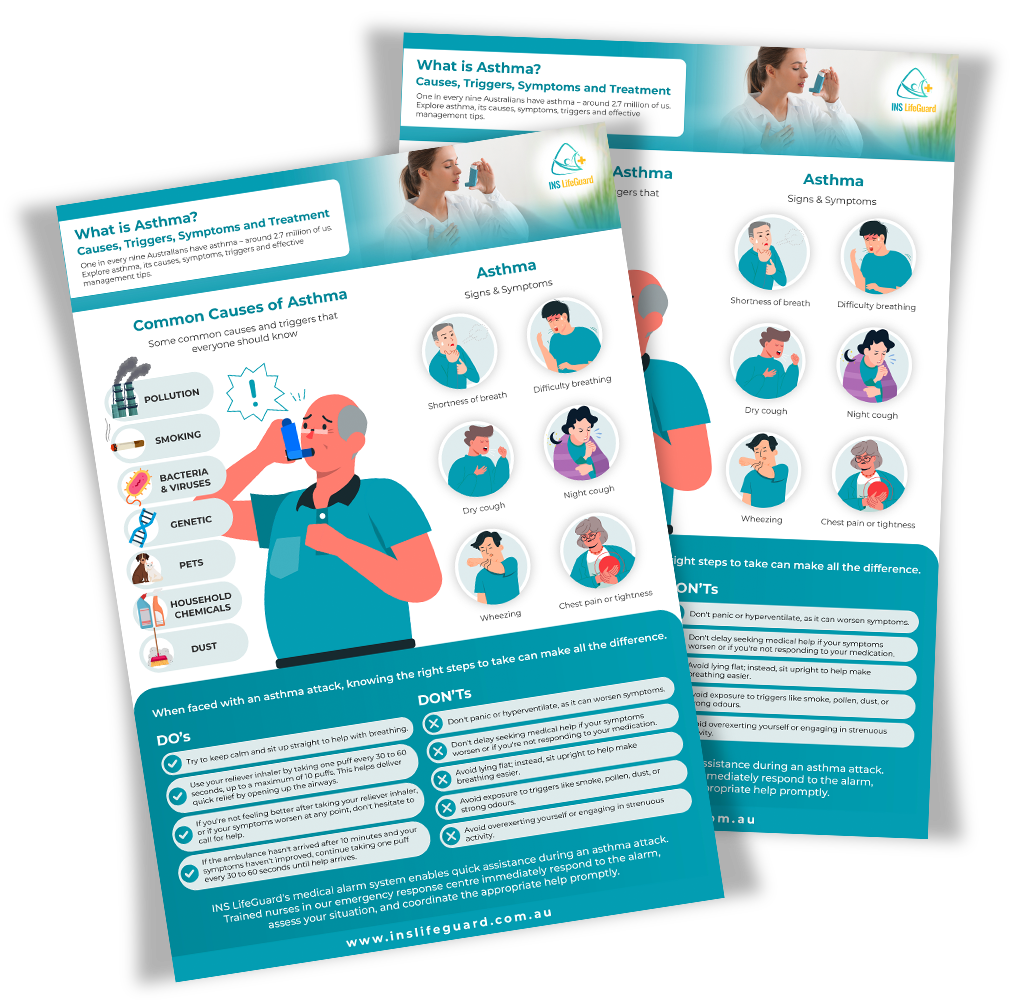
Asthma symptoms can range from mild to severe and often worsen during physical activity, exposure to allergens or at night. Key symptoms include:
- Shortness of breath or difficulty breathing: Feeling like you can’t get enough air
- Tightness or pain in the chest: A constricting feeling that makes breathing uncomfortable
- Persistent coughing: Especially at night or early morning
- Wheezing: A whistling or squeaky sound when exhaling
- Increased mucus production: Excess mucus in the airways
What Causes Asthma and What Triggers Attacks?
The exact cause of asthma is not fully understood, but it involves a combination of genetic and environmental factors. Understanding what causes asthma and what triggers attacks can help you better manage the condition.
Contributing Factors
- Genetics: A family history of asthma or allergic conditions increases likelihood
- Respiratory infections: Viral infections, particularly during childhood, can contribute to development
- Lifestyle and environment: Smoking, air pollution and occupational exposure to irritants
Common Triggers
Certain triggers can worsen asthma symptoms. Identifying and avoiding your personal triggers is crucial:
- Allergens: Pollen, dust mites, mould, pet dander
- Respiratory infections: Common cold, flu
- Irritants: Smoke, strong odours, air pollution, chemical fumes
- Physical activity: Exercise-induced asthma, particularly in cold or dry air
- Weather changes: Cold air, humidity, sudden temperature changes
Comprehensive Asthma Management Strategies
Effective asthma management involves controlling symptoms, preventing attacks and maintaining quality of life. Here are evidence-based strategies that work:
Breathing Techniques
Techniques such as pursed-lip breathing, deep breathing and diaphragmatic breathing can help improve lung function and control breathing during an asthma attack. Practising relaxation techniques like guided imagery or progressive muscle relaxation alongside breathing exercises may further alleviate symptoms and reduce anxiety associated with flare-ups.
Regular Physical Activity
Engaging in regular physical activity, such as walking, swimming or cycling, can help improve lung function and overall fitness, reducing the severity and frequency of asthma symptoms. Physical activity also boosts immune function, which is beneficial in reducing the risk of respiratory infections that can trigger asthma.
Dietary Considerations
Eating a balanced diet rich in fruits, vegetables and omega-3 fatty acids from fish, flaxseeds and walnuts can ease inflammation and support lung health. Avoiding processed foods high in trans fats and sugars, and staying well hydrated, can also help prevent asthma flare-ups.
Stress Management
Meditation techniques, progressive muscle relaxation and mindfulness can all help reduce stress and anxiety, which are common triggers for asthma attacks. Incorporating these relaxation techniques promotes a sense of calm and wellbeing, which positively impacts respiratory health and improves the ability to cope with triggers.
Environmental Control
Improving indoor air quality helps reduce exposure to asthma triggers. Keep your home clean and well-ventilated, use allergen-proof covers on bedding, wash bedding regularly in hot water and consider using air purifiers to filter out pollutants and allergens. Avoid smoking indoors and minimise exposure to strong odours and chemicals.
Regular Monitoring
Keep track of your symptoms and peak flow readings regularly to detect any changes early and adjust your treatment as needed. Monitoring helps you understand your asthma patterns and respond proactively.
Medical Treatment Options
Whilst asthma cannot be cured, it can be effectively managed with proper medication. Working closely with your healthcare provider to identify the right combination of treatments is essential.
Types of Asthma Medications
1. Relievers (Quick-Relief Medications)
Fast-acting medications that relax the muscles around the airways, providing immediate relief during an asthma attack. These are your rescue inhalers and should be kept with you at all times.
2. Preventers (Long-Term Control Medications)
Medications taken daily to reduce inflammation inside the airways and make them less sensitive to triggers. Inhaled corticosteroids are highly effective in reducing airway inflammation and swelling, helping to maintain long-term asthma control and prevent attacks.
3. Combination Therapies
Preventers that contain two different medicines, offering enhanced control for more severe cases. These combine anti-inflammatory and bronchodilator medications in a single inhaler.
Important:
Always follow your treatment plan and take medications as prescribed by your doctor. Never adjust doses or stop taking medication without medical guidance.
Creating Your Asthma Action Plan
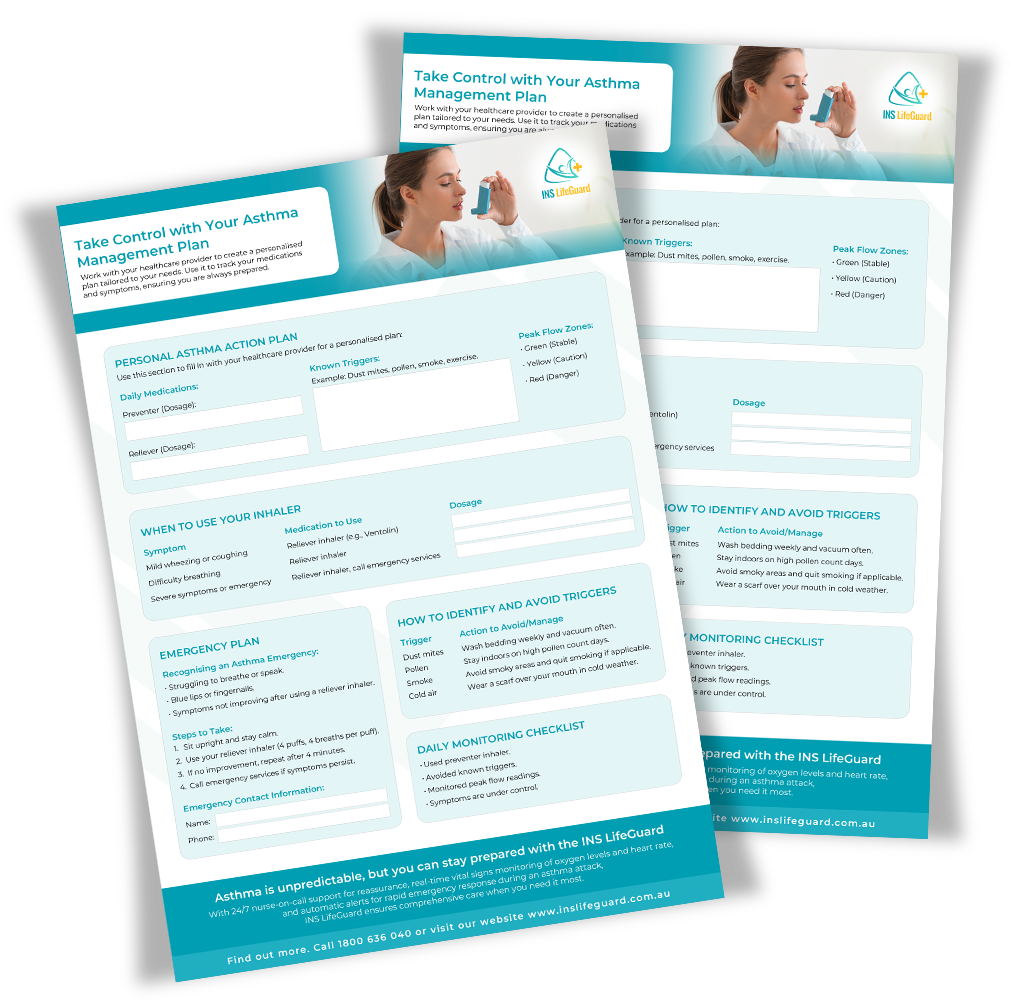
An asthma action plan is a personalised written plan developed with your healthcare provider that outlines:
- Your daily medications and how to take them
- How to recognise worsening symptoms
- Steps to take during an asthma attack
- When to call your doctor or seek emergency help
- Emergency contact numbers
Download Your Free Asthma Management Guide
Take control of your asthma with our printable guide. Fill it in with your healthcare provider to create a personalised plan and keep it handy to track your medications and symptoms.
When to Seek Emergency Help
Despite best efforts, asthma attacks can happen. Knowing when to seek medical assistance is critical. It’s essential to seek immediate medical help if you experience severe asthma symptoms.
Emergency Warning Signs
Call 000 or go to the nearest emergency department if you experience:
- Severe breathlessness: Difficulty speaking due to breathlessness
- Cyanosis: Bluish lips or fingertips indicating lack of oxygen
- Rapid worsening: Symptoms getting worse despite using rescue inhaler
- Chest pain: Persistent chest pain or pressure
- Confusion or drowsiness: Signs of severe oxygen deprivation
Managing an Asthma Attack
Experiencing an asthma attack can be frightening and overwhelming. It’s essential to know how to respond effectively:
- Stay calm: Panic can worsen symptoms. Try to remain as calm as possible
- Sit upright: Sitting upright helps open airways
- Use your reliever: Take your quick-relief inhaler as prescribed
- Follow your action plan: Use the steps outlined in your asthma action plan
- Seek help if needed: If symptoms don’t improve, call for emergency assistance
Download Your Free Guide: Managing an Asthma Attack
Equip yourself with vital information on responding to asthma attacks. This essential guide provides step-by-step instructions to manage symptoms and protect your safety.
How INS LifeGuard Supports Asthma Management
Asthma can be unpredictable, but you don’t have to deal with it alone. INS LifeGuard is here to provide the comprehensive support you require to help you effectively manage asthma with security.
24/7 Nurse-on-Call Support
Our highly qualified nurses can guide you through symptoms or an emergency, providing professional assistance when it matters most. In the event of an asthma attack, our medical alarm system allows you to swiftly summon help with a simple push of a button. When the alarm is triggered, a trained nurse in our emergency response centre immediately responds and accesses your medical history, providing a swift and informed response.
Advanced Health Monitoring
The INS LifeGuardian® app integrates with Apple Watch and other smartwatches to enable real-time tracking of vital signs, including oxygen levels and heart rate. This monitoring helps identify concerning patterns early, often before they escalate into emergencies.
TeleHealth Services
INS LifeGuard’s TeleHealth services enable individuals with asthma to receive 24/7 monitoring and support from qualified healthcare professionals:
- Free TeleHealth Monitoring: Record vital signs using compatible monitoring devices and send them to family members or carers
- Professional TeleHealth Monitoring: 24/7 access to registered nurses who monitor vital signs and intervene when needed, with the ability to share medical records with your GP or specialist
Medication Reminders
Customisable notifications help provide adherence to prescribed asthma treatment, reducing the risk of missed doses that could lead to symptom worsening.
Emergency Response
Automatic alerts provide timely medical attention in the event of a severe asthma attack. Depending on your situation, we’ll contact your family, carer or emergency services, providing help is on the way.
Staying Informed
INS LifeGuard keeps you connected to resources and information from organisations like the National Asthma Council Australia, helping you stay updated on evidence-based guidelines, treatments and prevention strategies for effective asthma management.
Living Well with Asthma
Asthma doesn't get to write your story. Yes, it's part of your life. But it doesn't define what you can do, where you can go, or how fully you can live.
The difference between feeling controlled by asthma and feeling in control of it comes down to three things: understanding what's happening in your body, knowing your personal triggers, and having backup when things don't go to plan. Because sometimes, despite doing everything right, your chest tightens at 2am. Or you're out and realize you've forgotten your inhaler. Or a bad cold turns into something more concerning.
That's where we come in.
INS LifeGuard isn't just an emergency button. It's a registered nurse who knows your history when you press it. It's real-time monitoring that catches warning signs before they become emergencies. It's medication reminders so you don't miss the preventer dose that keeps you stable. And yes, it's emergency response. But more often, it's reassurance. A voice in the middle of the night. Someone who understands what you're experiencing and can help you work through it.
Asthma is unpredictable. Your support system shouldn't be.
Call us on 1800 636 040 or visit
the
INS LifeGuard website to talk about what living confidently with asthma actually looks like.
About
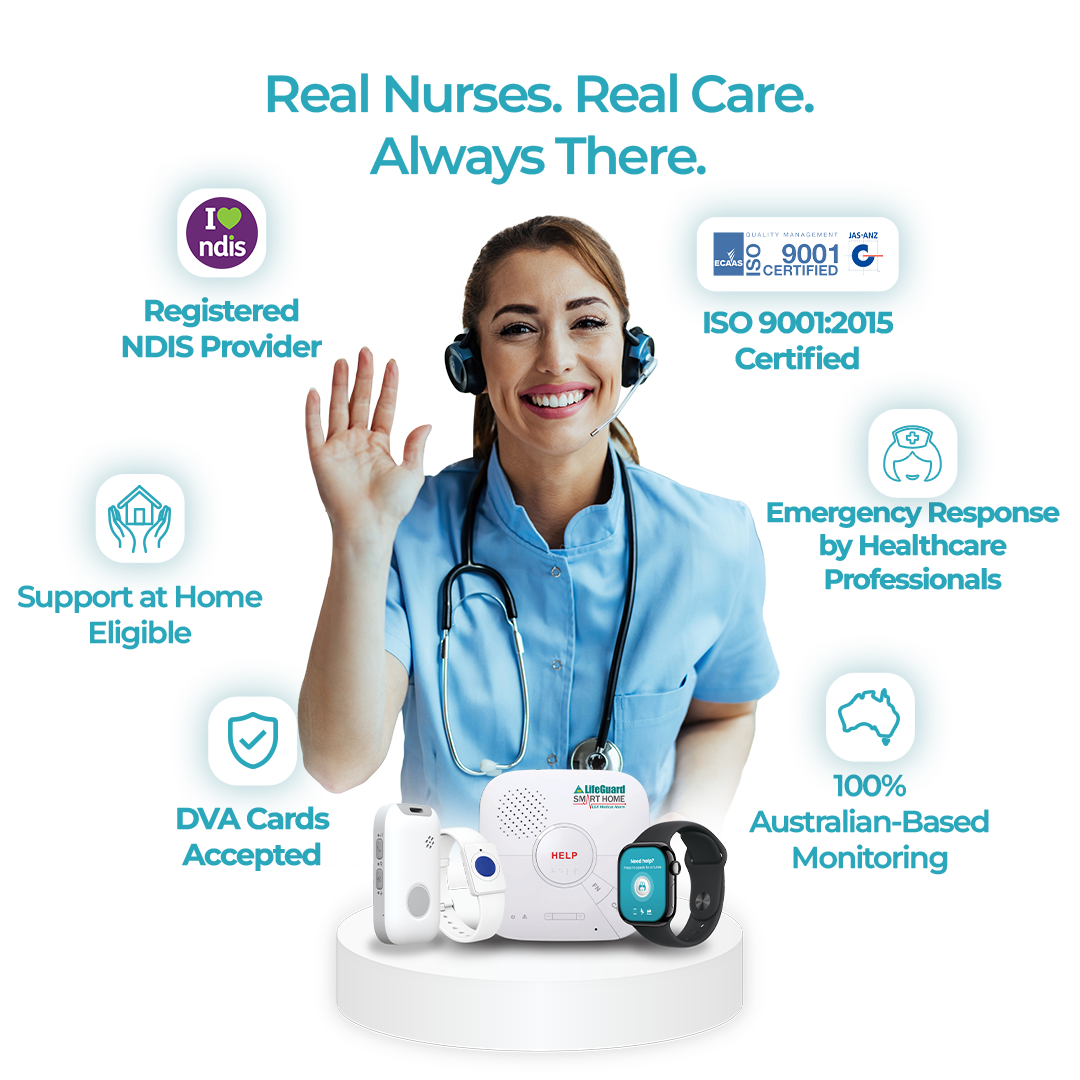
INS LifeGuard is the only 24/7 nurse on-call personal and medical monitoring in Australia. We provide monitoring technology for both in the home and on the go and can also monitor other provider's equipment. Our services are suitable for anyone wanting support to stay independent such as the elderly, those with medical conditions and disabilities plus enhancing safety and security for lone workers.