

Have a Question?


Why Cotton Buds Can Make Ear Wax Problems Worse
INS LifeGuard • March 21, 2026
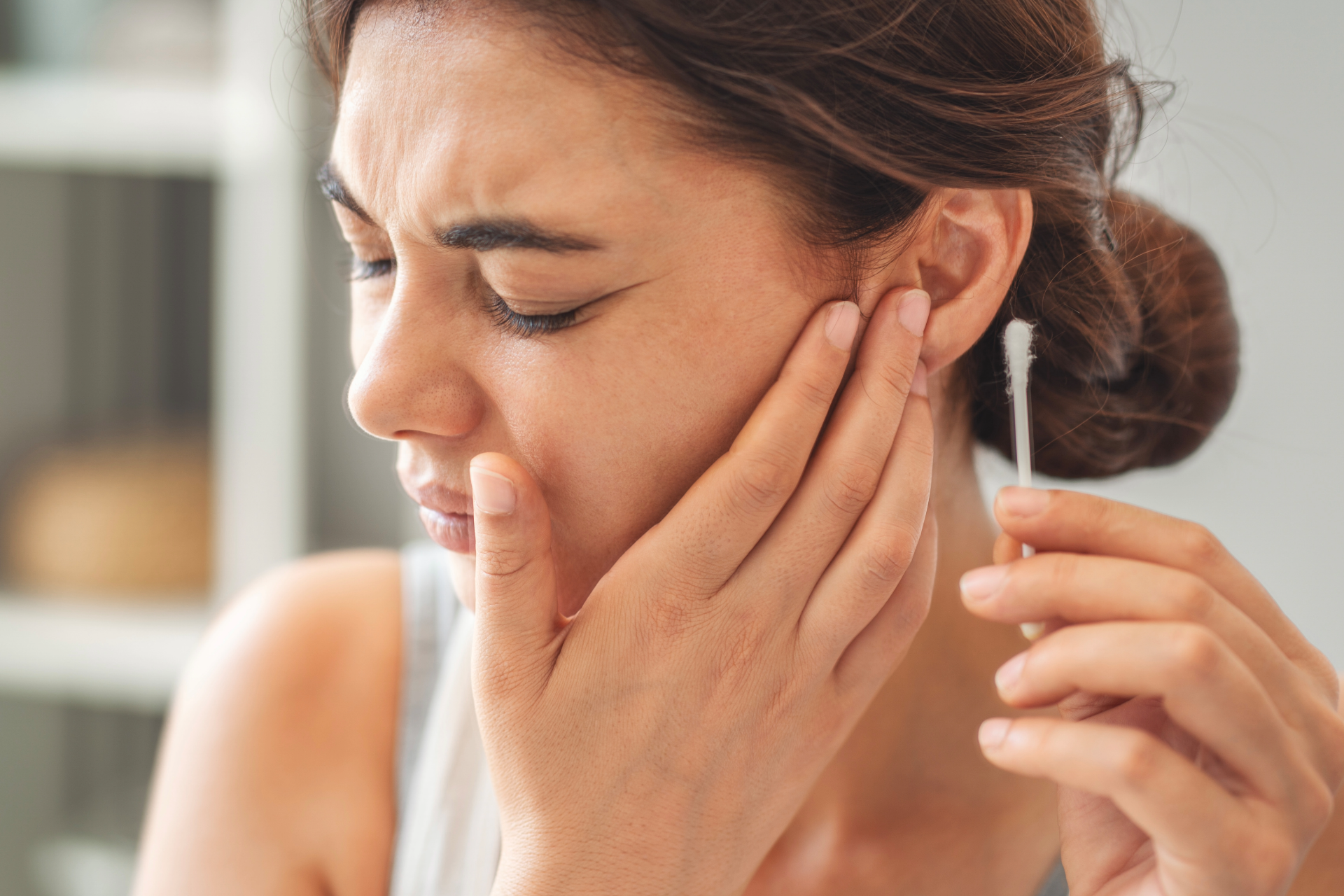
Many people believe ear wax should be removed regularly as part of good hygiene. In reality, ear wax is a natural and protective substance that plays an important role in keeping the ears healthy. Problems usually arise not because ear wax exists, but because it becomes blocked inside the ear canal.
Research shows that around 10% of children and 5% of adults experience ear wax blockage, which can affect hearing and cause discomfort.
One of the most common reasons this happens is the use of cotton buds. While they may seem helpful, cotton buds often make ear wax problems worse rather than better.
Understanding how ear wax works and how to manage it safely can help protect your hearing and prevent unnecessary complications.
What Is Ear Wax and Why Does It Form?
Ear wax, medically known as cerumen, is a natural substance produced by glands in the ear canal. Although many people view it as something dirty, ear wax actually performs several important functions for the body.
It helps to:
- Trap dust, dirt, and bacteria before they reach deeper parts of the ear
- Protect the delicate skin inside the ear canal
- Prevent infections by creating a protective barrier
- Keep the ear canal moisturised
Ear wax is also part of the ear’s self-cleaning system. As you chew, talk, or move your jaw, small movements help wax slowly travel out of the ear canal where it dries and falls away naturally.
Because of this natural process, most people do not need to clean inside their ears at all.
When Ear Wax Becomes a Problem
In some cases, ear wax can build up and become compacted inside the ear canal. This is known as impacted ear wax.
When wax blocks the ear canal, it can interfere with sound reaching the eardrum and lead to temporary hearing problems.
Common symptoms include:
- Muffled or reduced hearing
- A blocked or full feeling in the ear
- Ringing in the ears (tinnitus)
- Ear discomfort or itching
- Occasional dizziness or balance problems
The good news is that once the blockage is safely removed, hearing usually returns to normal.
Why Cotton Buds Can Make Ear Wax Problems Worse
Cotton buds are widely used for ear cleaning, but healthcare professionals strongly advise against inserting them into the ear canal.
Instead of removing wax, cotton buds often push wax deeper inside the ear, where it becomes compacted and more difficult to remove.
This can lead to several problems, including:
- Impacted ear wax
- Irritation or scratches inside the ear canal
- Increased risk of infection
- Damage to the delicate skin of the ear
- In rare cases, injury to the eardrum
Cotton buds also interfere with the ear’s natural cleaning process. When wax is pushed deeper, it can become trapped and create the blockage people were trying to prevent.
Who Is Most at Risk of Ear Wax Blockage?
Although anyone can develop ear wax build-up, certain groups are more prone to experiencing blockages.
1. People Over the Age of 55
As we age, ear wax tends to become drier and harder, making it more likely to accumulate and block the ear canal. Older adults may also experience slower natural wax movement, increasing the risk of impaction.
2. Hearing Aid Users
Hearing aids and earbuds sit inside the ear canal, which can interfere with the natural migration of ear wax. Over time, this may lead to a higher chance of wax build-up.
3. People Who Use Cotton Buds
Regular use of cotton buds or other objects in the ear is one of the most common causes of impacted ear wax.
4. Individuals With Narrow or Hairy Ear Canals
Some people naturally produce more wax or have ear canal shapes that make it harder for wax to move outward naturally.
5. People With Skin Conditions
Conditions such as eczema can affect the ear canal and increase wax accumulation.
Safe Ways to Manage Ear Wax
In most cases, ear wax does not require treatment. However, if it builds up and begins affecting hearing or causing discomfort, there are safe ways to manage it.
1. Let the Ear Clean Itself
For many people, the best approach is simply leaving the ear alone. The ear’s natural cleaning mechanism usually removes excess wax without any intervention.
2. Use Ear Wax Softening Drops (If Recommended)
Pharmacies may offer ear wax softening drops that help loosen hardened wax. These should be used carefully and according to medical advice.
3. Seek Professional Ear Care
If wax blockage becomes severe or persistent, a healthcare professional may safely remove it using methods such as ear irrigation, microsuction
or specialised instruments.
4. Have Regular Hearing Checks
If you wear hearing aids or are over 55, regular hearing assessments can help identify ear wax blockages early.
When Should You See a Healthcare Professional?
You should seek medical advice if you experience:
- Sudden or ongoing hearing loss
- Persistent ear pain
- Dizziness or balance problems
- Discharge from the ear
- Symptoms that do not improve with simple care
A healthcare professional can determine whether ear wax is the cause or if another ear condition needs attention.
Supporting Long-Term Hearing and Health
INS LifeGuard supports a proactive approach to health. Through continuous monitoring of key health data and alerts to qualified nurses, the service helps identify potential health concerns early and encourages timely medical care.
While ear wax build-up is usually a minor and treatable issue, having systems that support early awareness of health changes can play an important role in preventative care.
Taking simple steps to protect hearing, combined with access to modern health monitoring solutions, can help people stay healthier and more confident in managing their wellbeing over time.
About
INS LifeGuard is the only 24/7 nurse on-call personal and medical monitoring in Australia. We provide monitoring technology for both in the home and on the go and can also monitor other provider's equipment. Our services are suitable for anyone wanting support to stay independent such as the elderly, those with medical conditions and disabilities plus enhancing safety and security for lone workers.