

Have a Question?

Thyroid Disorders in Australia: What You Need to Know
INS LifeGuard • April 24, 2026
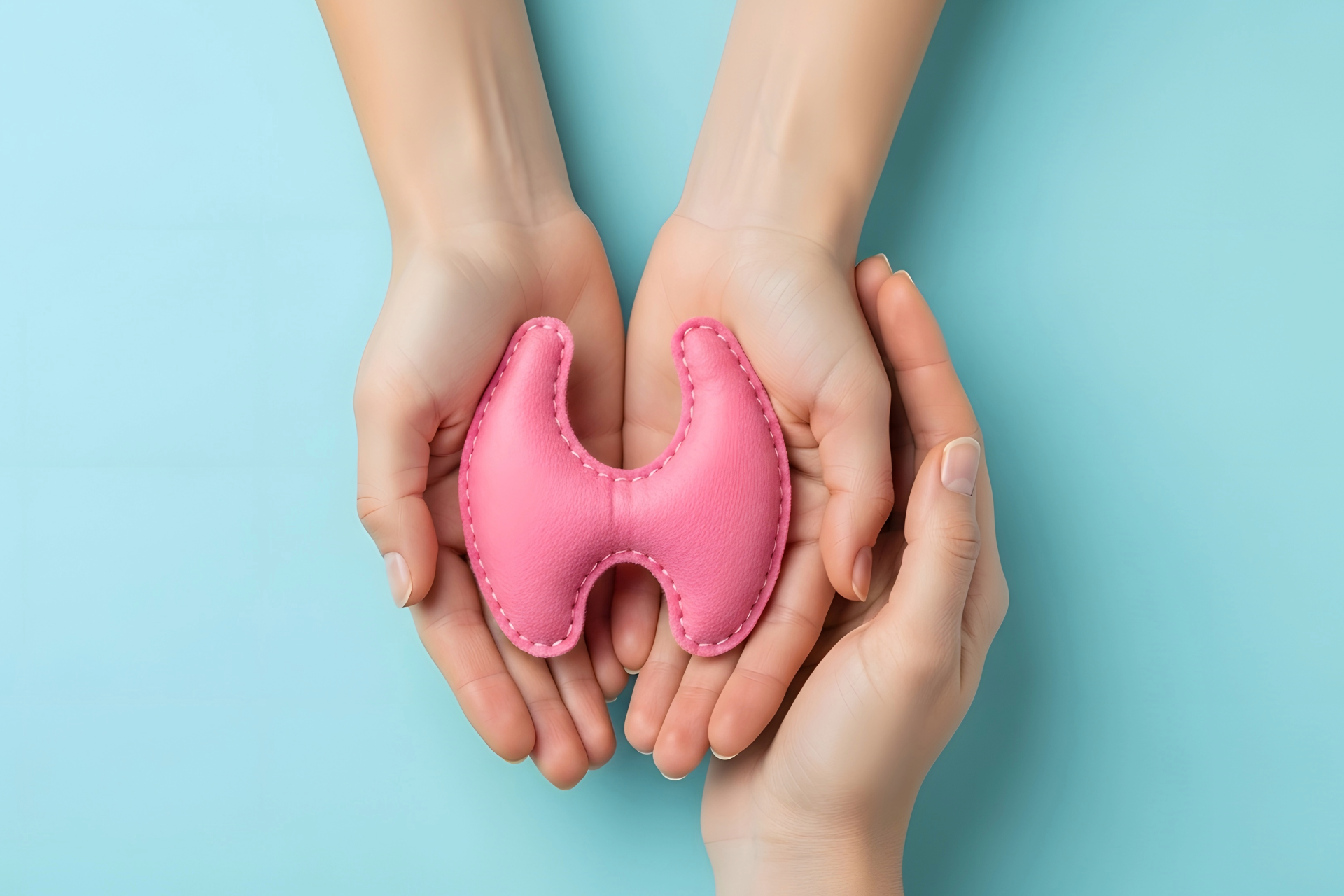
Thyroid disorders are more common in Australia than many people realise. More than 1 million Australians are living with a diagnosed thyroid condition, and that number could be as high as 2.5 million when undiagnosed cases are included.
Current data shows that around 14% of older Australians aged over 50 to 60 have a clinically relevant thyroid disorder. However, a significant number of these conditions, especially hypothyroidism, are not identified, as their symptoms can be subtle or easily confused with typical ageing.
Women are significantly more affected, being around ten times more likely than men to develop thyroid issues. During pregnancy, approximately 10% of women experience mild hypothyroidism, which requires careful monitoring to protect both mother and baby.
Many people do not recognise the symptoms early on because they can develop slowly and often resemble everyday stress, ageing, or lifestyle factors. Understanding how the thyroid works and how disorders present can help you take control of your health sooner.
What Does the Thyroid Do?
The thyroid is a small gland located at the front of your neck, yet it plays a powerful role in keeping your body functioning properly. It produces hormones that regulate how your body uses energy, which affects nearly every organ.
When your thyroid is balanced, your metabolism, energy levels, and body temperature stay stable. When it is not, things can either slow down or speed up too much, leading to a range of symptoms that can interfere with daily life.
Common Thyroid Conditions
Hypothyroidism (Underactive Thyroid)
Hypothyroidism occurs when the thyroid does not produce enough hormones. This is the most common thyroid disorder in Australia, particularly among women and older adults.
It is often caused by Hashimoto’s disease, where the immune system mistakenly attacks the thyroid. Symptoms can develop gradually and may include ongoing fatigue, weight gain, feeling unusually cold, dry skin, and low mood. Because these symptoms are quite general, many people do not realise their thyroid may be the cause.
Hyperthyroidism (Overactive Thyroid)
Hyperthyroidism is when the thyroid gland produces too much thyroid hormone, causing the body to operate at an accelerated pace. Graves’ disease is a common cause of this condition.
People with hyperthyroidism may experience a racing heart, anxiety, weight loss, increased sweating, and difficulty sleeping. These symptoms can feel overwhelming and may affect both physical and emotional well-being if not managed properly.
Thyroid Nodules and Goitre
Thyroid nodules are small lumps that form in the thyroid gland. Most are harmless, but some require further investigation to rule out more serious conditions.
A goitre refers to an enlarged thyroid. This swelling may or may not affect hormone production, but it can sometimes cause discomfort or visible changes in the neck.
Thyroid Cancer
Although less common than other thyroid conditions, thyroid cancer is increasing in Australia. In 2021, the incidence rate was 15 cases per 100,000 people, with higher rates seen in women.
Most thyroid cancers are highly treatable, particularly when detected early, underscoring the importance of regular check-ups if any unusual symptoms arise.
What Causes Thyroid Problems?
There is no single cause of thyroid disorders, but several risk factors can increase the likelihood of developing one. Autoimmune conditions are a major contributor, particularly in cases of Hashimoto’s and Graves’ disease.
Hormonal changes also play a role, which is why women are more affected, especially during pregnancy or menopause. Age is another factor, as thyroid function can change over time. Genetics, iodine intake, and overall health can also influence thyroid function.
In many cases, a combination of these factors contributes to the condition.
Signs You Should Not Ignore
The symptoms are often subtle at first, which is why they are frequently overlooked. However, persistent changes in how you feel should not be ignored.
Keep an eye out for:
- Ongoing fatigue
- Sudden weight changes
- Mood swings or anxiety
- Changes in heart rate
- Hair thinning
- Feeling unusually hot or cold
If something feels off and does not improve, it is worth getting checked.
How Thyroid Disorders Are Diagnosed
Thyroid disorders are typically diagnosed through a combination of clinical assessment and blood tests. Early diagnosis allows for more effective management and reduces complications.
Blood Tests
The main test measures Thyroid Stimulating Hormone (TSH), along with T3 and T4 levels.
Antibody Testing
Used to identify autoimmune thyroid conditions such as Hashimoto’s or Graves’ disease.
Imaging
Ultrasound or scans may be used if nodules or structural abnormalities are suspected.
Biopsy
A fine needle biopsy may be required if thyroid nodules need further investigation.
Treatment Options Available
Treatment depends on the type of thyroid disorder and its severity.
Hypothyroidism Treatment
- Daily thyroid hormone replacement medication, such as levothyroxine
- Regular monitoring of hormone levels
This treatment is highly effective and usually lifelong.
Hyperthyroidism Treatment
- Anti-thyroid medications
- Radioactive iodine therapy
- Surgery in some cases
The choice depends on individual circumstances and medical advice.
Thyroid Nodules and Cancer
- Monitoring for benign nodules
- Surgery if cancer is detected
- Additional treatments such as radioactive iodine for certain cases
Extra Support for Peace of Mind
For some people living with a thyroid condition, symptoms such as fatigue, dizziness, or changes in heart rate can make daily life feel less predictable.
While treatment and regular medical care are the most important parts of managing thyroid health, some people may also find reassurance in having a personal alarm system for added safety, particularly if they live alone or are at increased risk of falls or sudden unwellness.
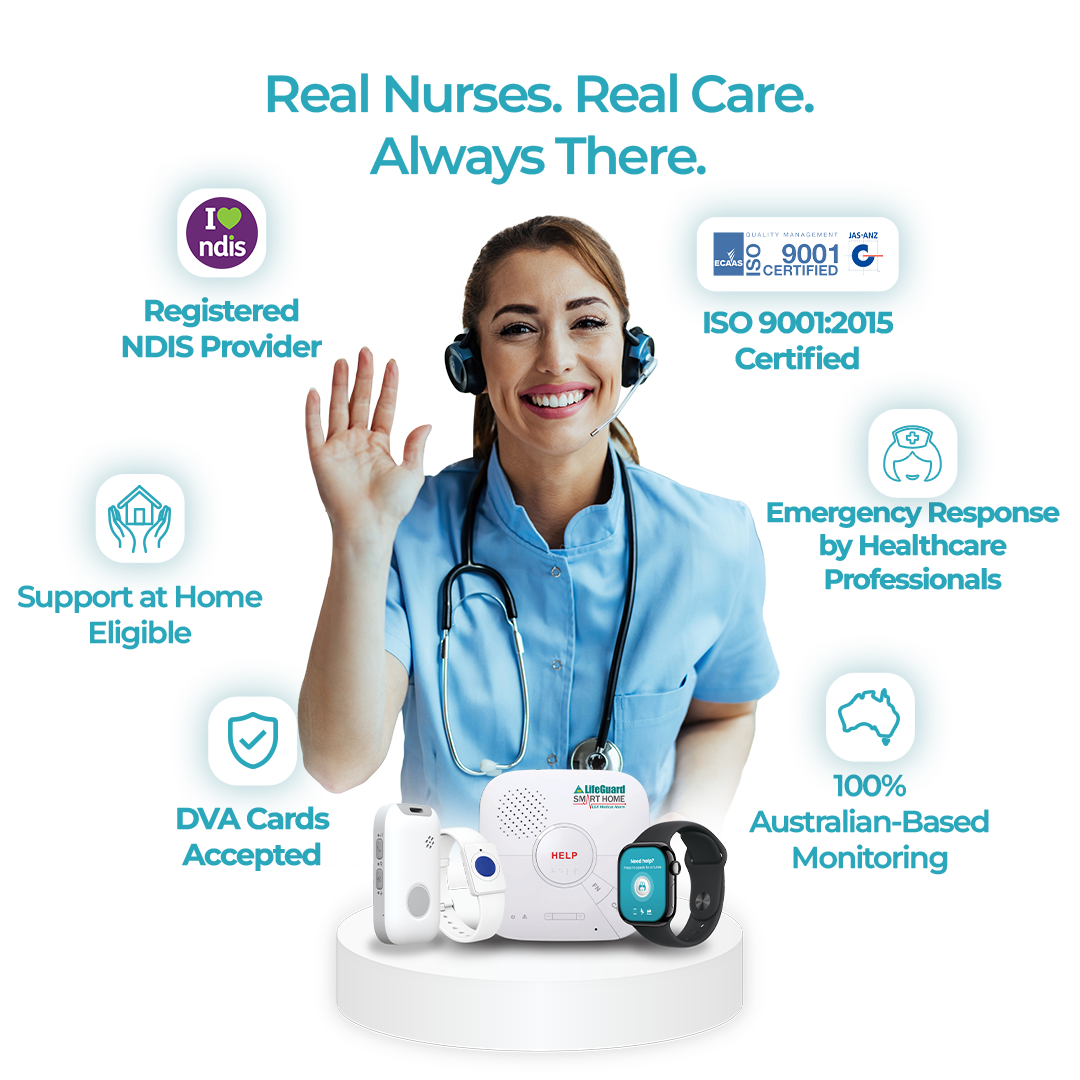
INS LifeGuard offers monitored personal alarm options for people who want extra support and peace of mind at home and in the community.
For those taking a more proactive approach to their health, options such as the INS LifeGuardian® Watch or INS LifeGuardian® App can provide added reassurance. With Premium Health Monitoring via a smartwatch, supported health data can be monitored and reviewed, helping users stay more aware of changes that may need attention.
Living Well with a Thyroid Condition
Managing a thyroid disorder is often a long-term process, but it does not have to limit your lifestyle. Many Australians live full and active lives with the right treatment and support.
Staying consistent with medication, attending regular check-ups, and paying attention to how your body feels are key parts of managing the condition. A balanced lifestyle and open communication with your healthcare provider can also help you stay on track.
If you notice persistent symptoms such as fatigue, weight changes, irregular heartbeat, or mood changes, it is important to speak with your GP. Any swelling in the neck or difficulty managing symptoms should also be checked.
Final Thoughts
If you’re experiencing symptoms that don’t feel right, it’s important to take them seriously. Thyroid disorders are common in Australia, and early attention can make a meaningful difference to how you feel day to day.
Pay attention to changes in your body, understand your risk factors, and don’t hesitate to seek medical advice. A simple check-up can help you gain clarity, manage symptoms more effectively, and support your overall well-being with greater confidence.
About
INS LifeGuard is the only 24/7 nurse on-call personal and medical monitoring in Australia. We provide monitoring technology for both in the home and on the go and can also monitor other provider's equipment. Our services are suitable for anyone wanting support to stay independent such as the elderly, those with medical conditions and disabilities plus enhancing safety and security for lone workers.