

Have a Question?


The Hidden Health Risk of Losing Muscle As You Age
INS LifeGuard • March 21, 2026

Many people worry about weight gain, heart disease, or memory decline as they grow older. Yet one of the most overlooked health risks of ageing is muscle loss.
This gradual decline in muscle mass and strength is known as sarcopenia, and it can have serious consequences for mobility, independence, and overall health.
The truth is that muscle loss doesn’t only affect athletes or bodybuilders. It happens to everyone as they age, and without the right lifestyle choices and preventative care, it can significantly increase the risk of injury, illness, and long-term health complications.
INS LifeGuard can help people stay safer as they age, offering 24/7 nurse-on-call assistance,
medical and personal alarm monitoring to detect potential health concerns early and provide rapid support when it’s needed most.
What Is Age-Related Muscle Loss?
Age-related muscle loss, medically known as sarcopenia, refers to the progressive loss of muscle mass, strength, and function that occurs as we get older.
While it is often associated with older adults, the process actually begins much earlier than most people realise.
Research shows that:
- Muscle mass can begin declining as early as age 30.
- Adults may lose 3–5% of muscle mass per decade after this point.
- After age 50, muscle mass may decline by 1–2% per year.
- Up to 50% of adults over 80 may experience sarcopenia.
This gradual loss of muscle affects more than physical strength, it influences metabolism, balance, and the body’s ability to recover from illness or injury.
Why Muscle Loss Is More Dangerous Than You Think
Many people assume muscle loss simply means becoming weaker. However, the health implications are much more significant.
1. Increased Risk of Falls and Injuries
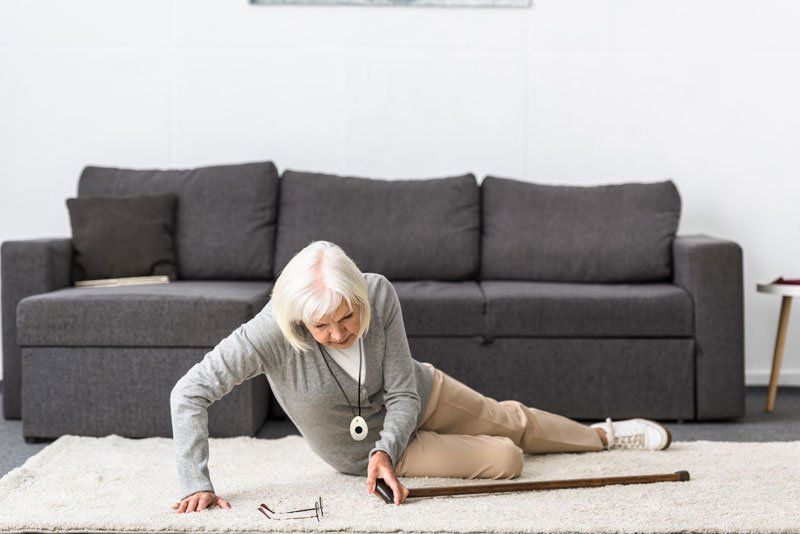
Muscle strength is critical for balance and stability. When muscles weaken, the risk of falls rises significantly.
Falls are one of the leading causes of hospitalisation in older adults, and weaker muscles make it harder for the body to prevent or recover from these incidents.
Studies show sarcopenia can double the risk of falls and fractures if left unmanaged.
2. Reduced Mobility and Independence
Strong muscles support everyday activities like climbing stairs, standing up from a chair, carrying groceries, or walking long distances.
When muscle strength declines, these simple tasks can become difficult.
Over time, this can lead to:
- Reduced physical activity
- Loss of independence
- Greater reliance on caregivers or support services
3. Higher Risk of Chronic Disease
Muscle plays an important role in metabolic health.
Loss of muscle mass has been associated with a higher risk of conditions such as:
- Type 2 diabetes
- Cardiovascular disease
- Obesity
- Chronic inflammation
Sarcopenia is also frequently found alongside conditions such as cardiovascular disease, diabetes, and respiratory illness.
4. Increased Hospitalisation and Recovery Time
Muscle tissue helps the body respond to stress, illness, and injury.
When muscle mass is low, recovery from surgery or illness can become more difficult. Weak muscles may also make rehabilitation slower and increase the likelihood of complications.
Research indicates that sarcopenia can contribute to longer hospital stays and poorer recovery outcomes.
5. Impact on Longevity
Muscle health is increasingly recognised as a key marker of healthy ageing. Lower muscle mass and strength are linked to frailty, increased mortality, and reduced life expectancy. Muscle is not just about strength, it is a critical component of long-term health.
Why Muscle Loss Happens
Age-related muscle decline occurs due to several biological and lifestyle factors.
Hormonal Changes
As we age, the body produces lower levels of hormones that support muscle growth and repair.
Reduced Physical Activity
Sedentary lifestyles accelerate muscle decline. Spending long periods sitting or inactive can lead to rapid reductions in muscle strength.
Lower Protein Intake
Protein is essential for muscle repair and growth. However, many older adults do not consume enough high-quality protein in their diets.
Chronic Health Conditions
Conditions such as diabetes, arthritis, or heart disease can contribute to muscle deterioration.
Inflammation and Cellular Ageing
Ageing also affects the body’s ability to rebuild muscle tissue effectively.
Signs You May Be Losing Muscle
Muscle loss can occur gradually, which is why it often goes unnoticed.
Some early warning signs include:
- Difficulty standing up from a chair
- Slower walking speed
- Reduced grip strength
- Fatigue during daily activities
- Loss of balance or coordination
If these symptoms appear, it may be worth discussing muscle health with a healthcare professional.
Prevent Muscle Loss After 60: Simple Strength Exercises for Healthy Ageing
This easy-to-follow guide introduces safe and practical exercises designed to help older adults maintain muscle strength, improve balance, and support everyday mobility. Whether you're looking to stay active, reduce your risk of falls, or simply move with greater confidence, this guide provides simple steps that can fit into your weekly routine.
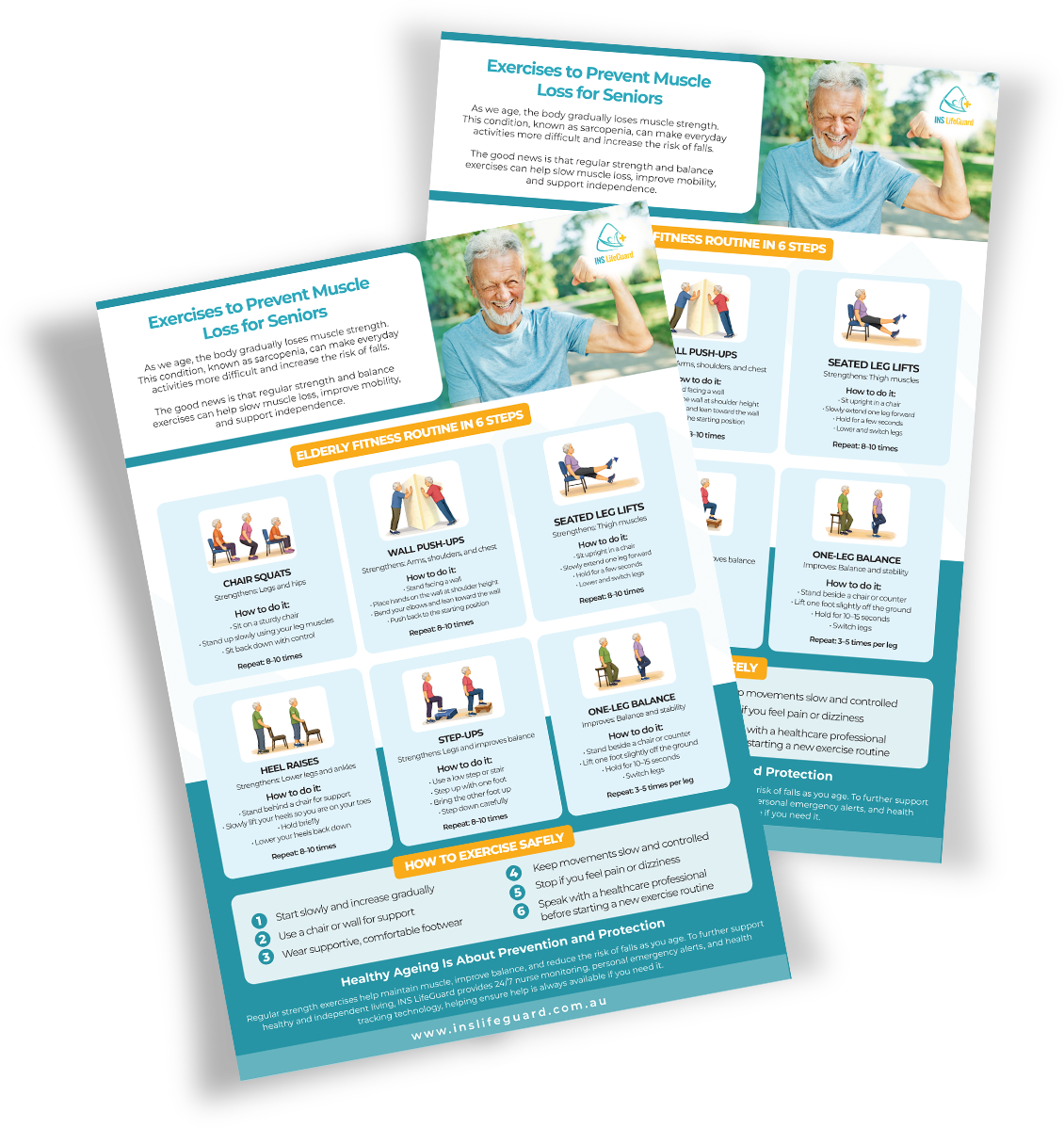
How to Protect Your Muscle as You Age
The good news is that muscle loss is not inevitable. Many people can maintain strength and function well into older age with the right lifestyle habits.
Strength Training
Resistance training is one of the most effective ways to slow or reverse muscle loss.
Exercises such as:
- Weight training
- Bodyweight exercises
- Resistance bands
- Functional strength movements
Health experts recommend resistance training at least two to three times per week for optimal muscle health.
Prioritising Protein
Adequate protein intake supports muscle repair and maintenance.
Good sources include:
- Lean meats
- Eggs
- Dairy
- Fish
- Beans and legumes
- Nuts and seeds
Distributing protein intake evenly throughout the day can help the body utilise it more effectively.
Staying Physically Active
Beyond structured exercise, staying active throughout the day is important. Walking, gardening, swimming, and mobility exercises all help maintain muscle function and prevent stiffness.
Monitoring Your Health
Preventative health monitoring can help identify risks early.
Tracking changes in:
- mobility
- strength
- physical activity
- vital health indicators
Early awareness allows individuals to take proactive steps to protect their long-term health.
Muscle Health Is a Key Part of Healthy Ageing
As life expectancy continues to increase, maintaining quality of life becomes more important than ever.
Strong muscles support:
- independence
- mobility
- resilience against illness
- overall longevity
Ignoring muscle health can lead to serious consequences later in life. However, with the right approach to exercise, nutrition, and preventative health care, it is possible to maintain strength and vitality well into older age.
Taking a Proactive Approach to Your Health
Ageing does not have to mean losing strength or independence.
By understanding the risks of muscle loss and taking practical steps early, older adults can better protect their mobility, reduce fall risk, and remain active and confident in everyday life.
Alongside healthy habits, ongoing monitoring and the right support can provide added peace of mind, helping people stay independent for longer and access assistance when needed.
About
INS LifeGuard is the only 24/7 nurse on-call personal and medical monitoring in Australia. We provide monitoring technology for both in the home and on the go and can also monitor other provider's equipment. Our services are suitable for anyone wanting support to stay independent such as the elderly, those with medical conditions and disabilities plus enhancing safety and security for lone workers.