Stay independent and active knowing help is always available.
INS LifeGuard offers in-home and mobile personal alarms designed to keep older Australians safe and independent, whether you're concerned about a loved one living alone or seeking added security for yourself.
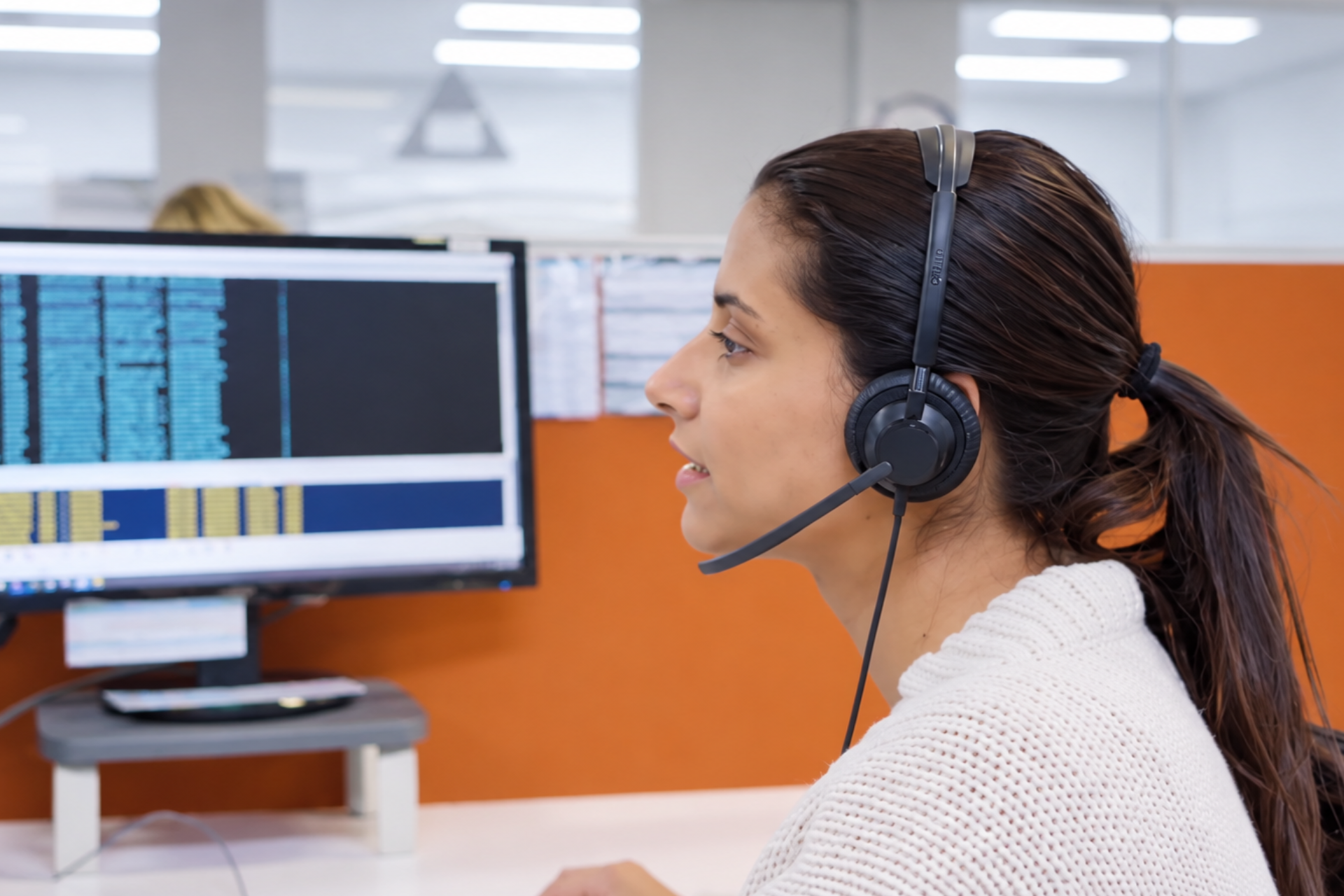
You are supported 24/7 by qualified experts, not a call centre.
Our Emergency Response Centre is staffed around the clock by Australian nurses and healthcare professionals who can clinically assess emergencies, provide immediate medical advice, and coordinate the right response, whether that's contacting family, arranging welfare checks, or dispatching emergency services.
In a fall or medical emergency, help is just a button press away.
INS LifeGuard offers an innovative range of personal alarm options that support safety and independence for seniors, both at home and on the go. Choose an in-home system for everyday reassurance around the house, or a mobile alarm with GPS tracking for support wherever life takes you.
In-Home Monitoring
Whether you prefer a compact personal alarm with advanced telecare features or a flexible system with wearable transmitters and call points placed around the home, there’s an option to suit different living arrangements and safety needs, with optional add-ons available for extra peace of mind.
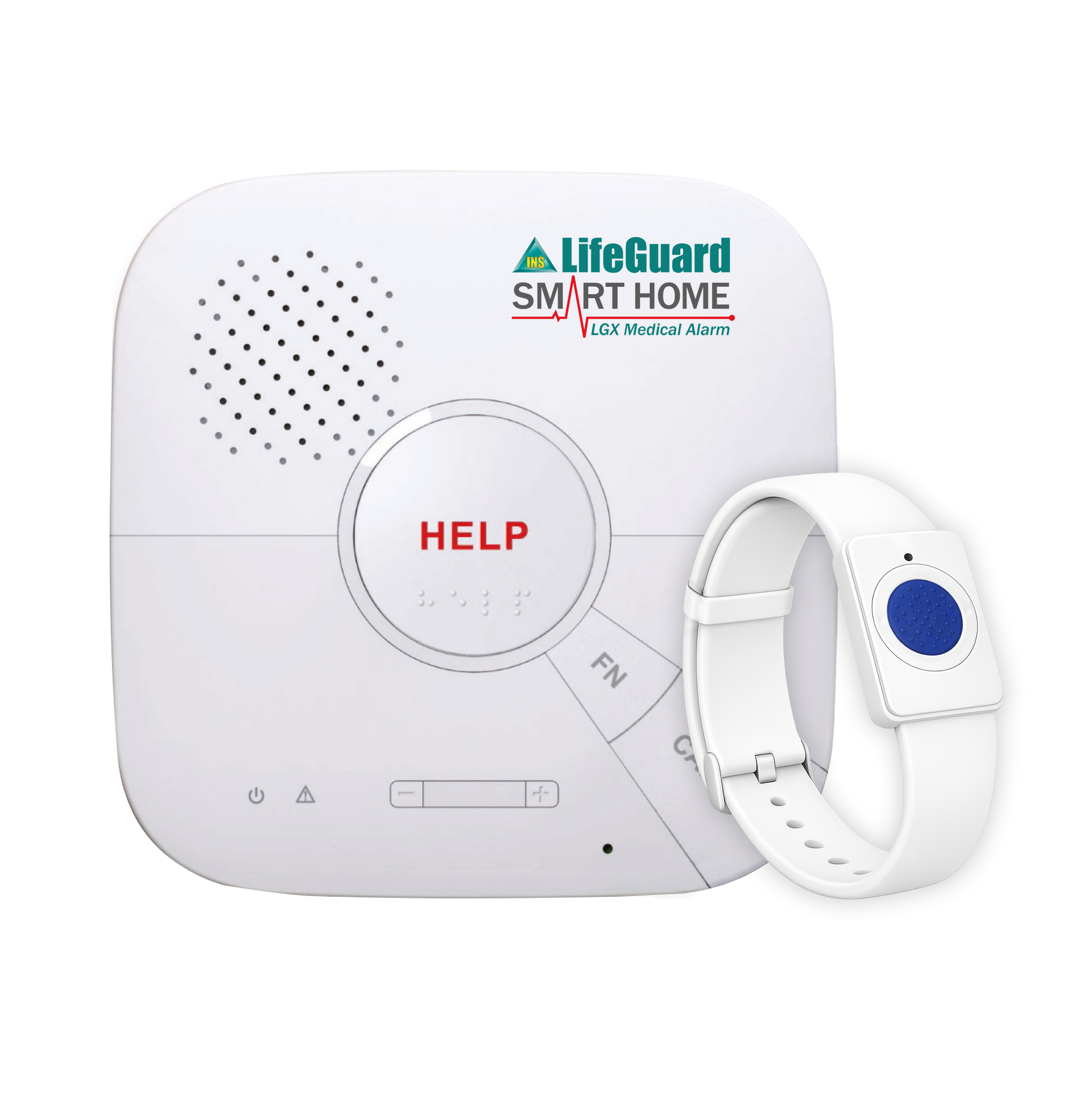
LifeGuard SmartHome LGX
On the lookout for a personal alarm system with features that elderly people need to live independently without worrying about their safety? Look no further than the LifeGuard SmartHome LGX. This compact, simple personal alarm system comes with a waterproof transmitter that can be worn on your wrist at all times, even when in the shower. This device also offers advanced telecare features, making it a great all-in-one personal safety solution for elderly people.
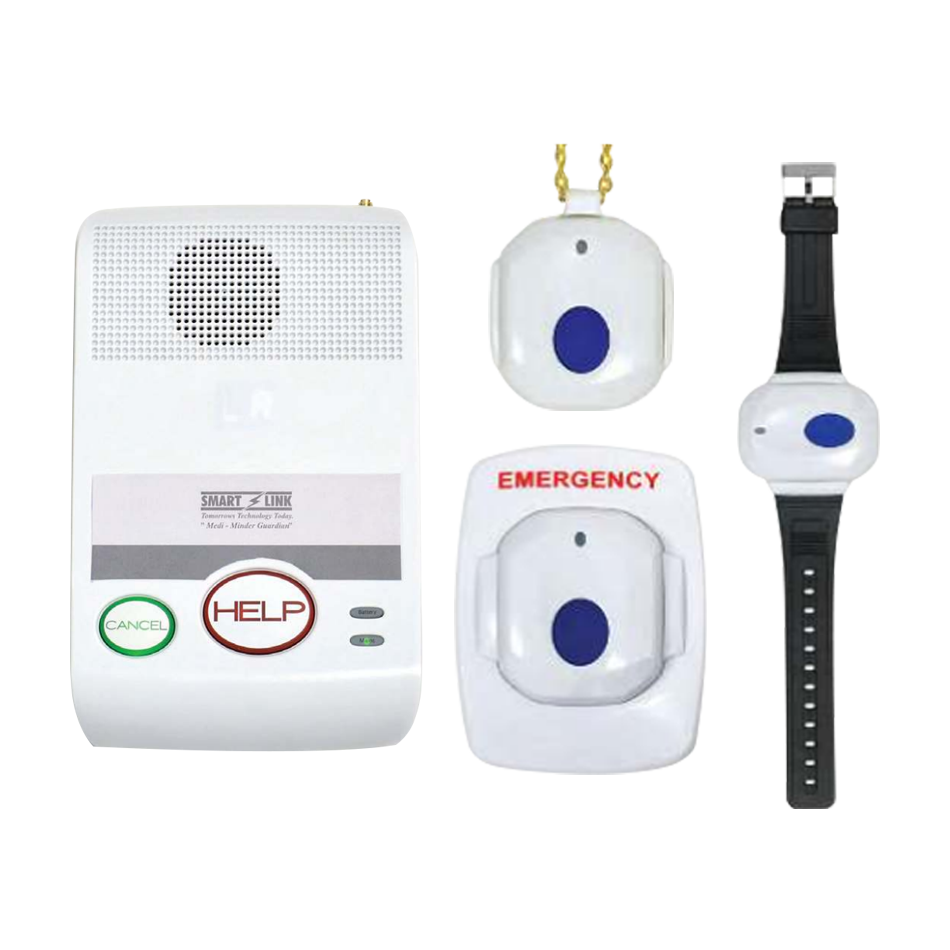
SmartLink Medi Guardian MKII 4G
With its sleek, slimline design, the SmartLink Guardian is the type of personal alarm system that can be installed just about anywhere. This device comes with an interchangeable wrist or pendant transmitter that can be worn at all times, even in the shower or out in the garden. The SmartLink can also be supplied with additional transmitters, as well as call points that can be placed around the home for maximum peace of mind.
On-The-Go Monitoring
From app-based alerts on a smartphone or smartwatch to discreet GPS trackers and wearable safety watches with fall detection and location tracking, each option provides reliable support away from home, with features that suit different lifestyles and mobility needs.
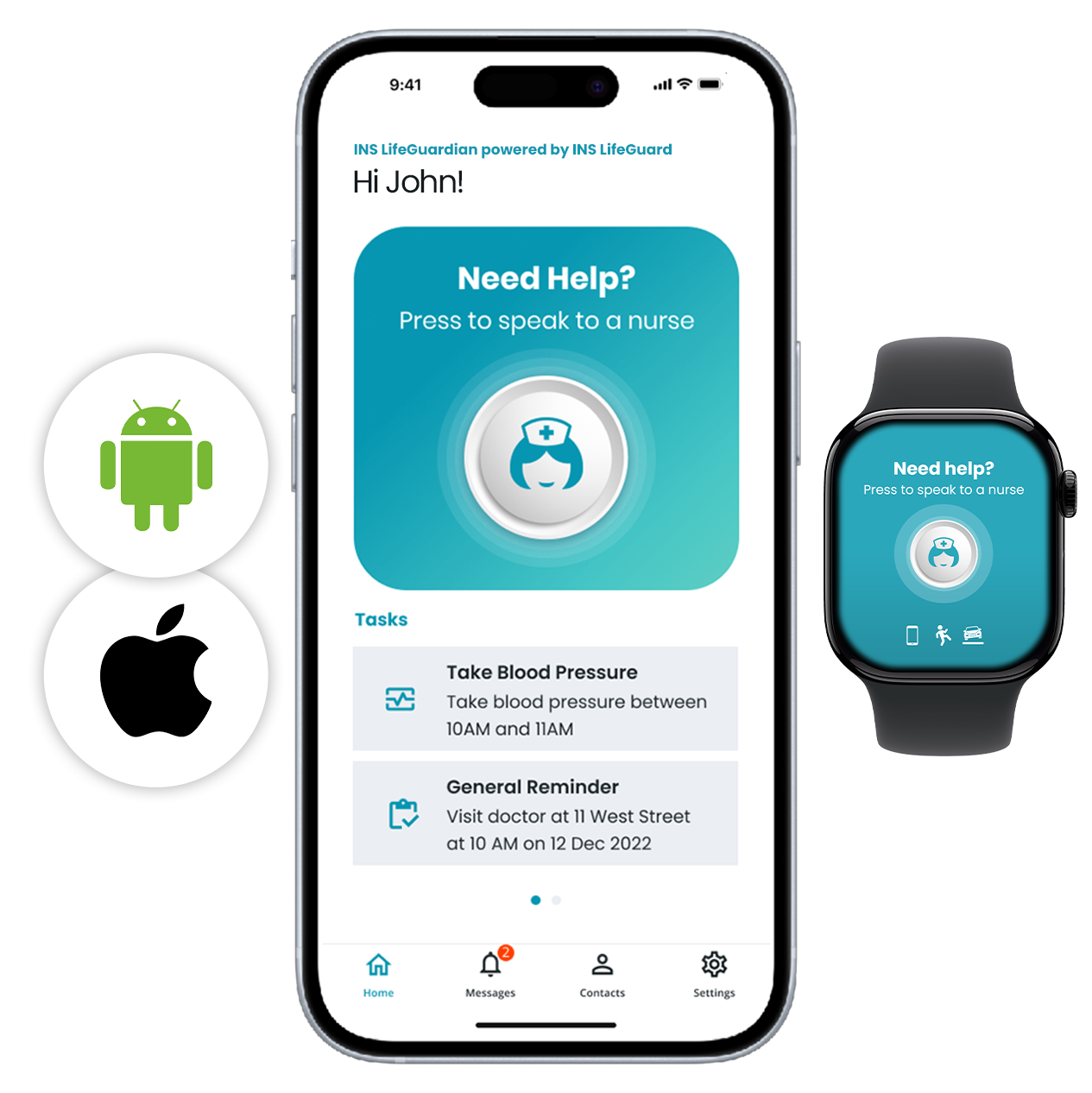
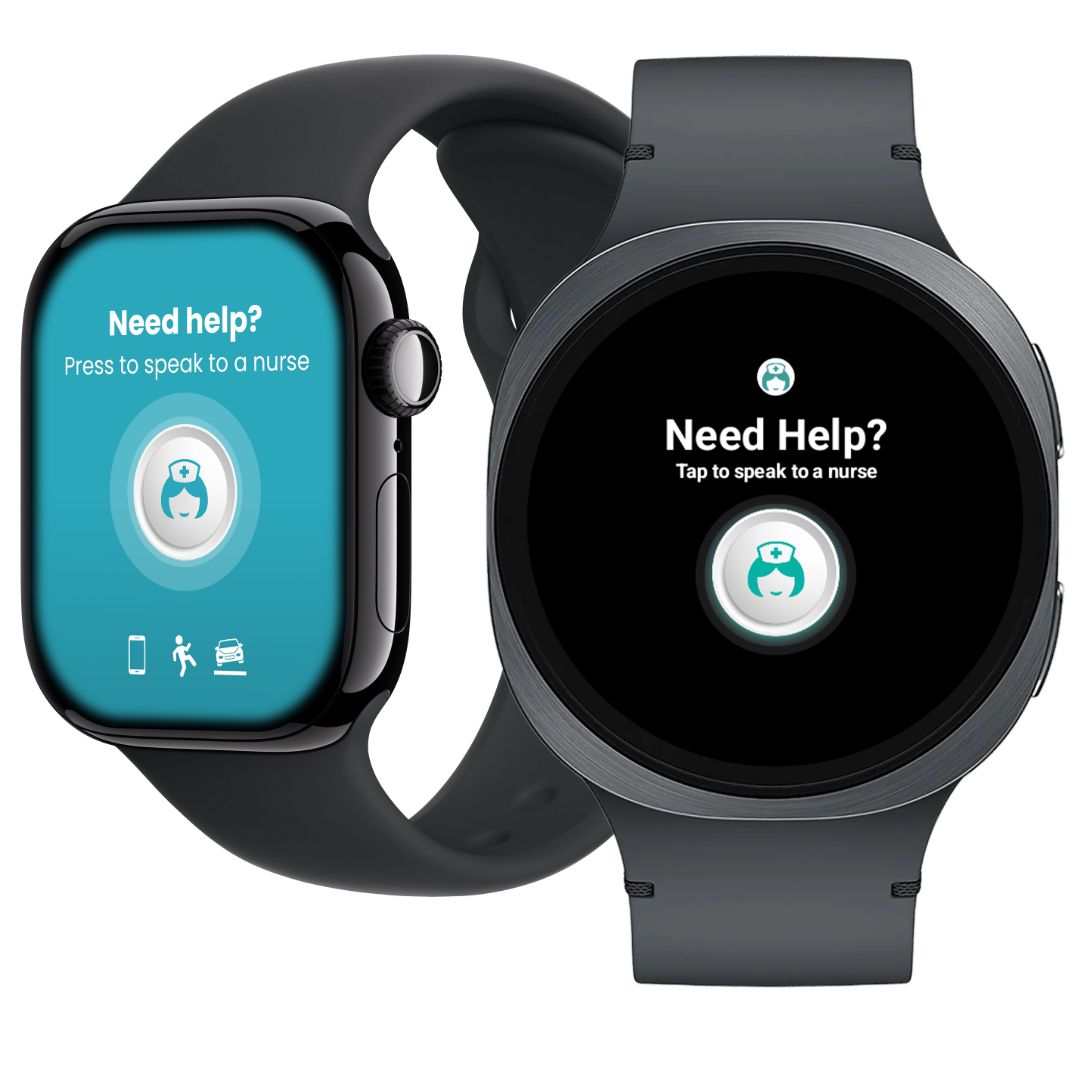
INS LifeGuardian® App (Android & iOS)
This world-first innovative collaboration brings together the unparalleled expertise of Apple and Android tools and technologies and the unmatched TeleHealth and Emergency Response Services by INS LifeGuard, Australia's premier Nurse on Call provider. The INS LifeGuardian® App isn't just another app – it's your shield, offering an array of preventive and reactive features to ensure your safety through your Android device, iPhone or Apple watch.
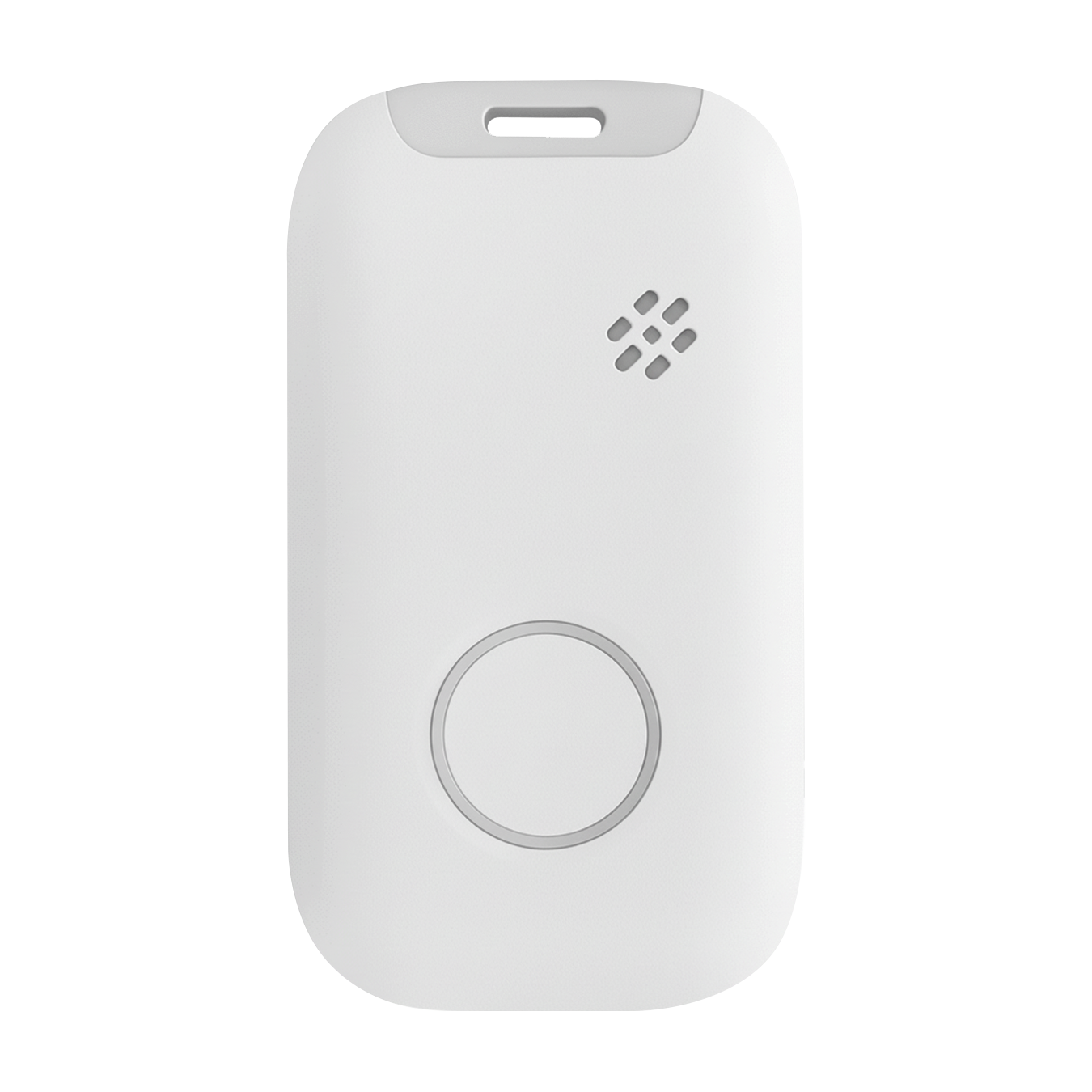
LifeGuard SmartTracker V3
Looking for a more discreet type of mobile alarm that you can carry around without any hassle? Or maybe you’re searching for a personal alarm system with extra features that are essential for independent living safety? The LifeGuard SmartTracker is exactly what you're looking for. This personal medical alarm not only lets you easily send alerts to our response centre or to your emergency contacts, but it also functions as an automatic fall detection system and allows you to set-up geofences and alerts.
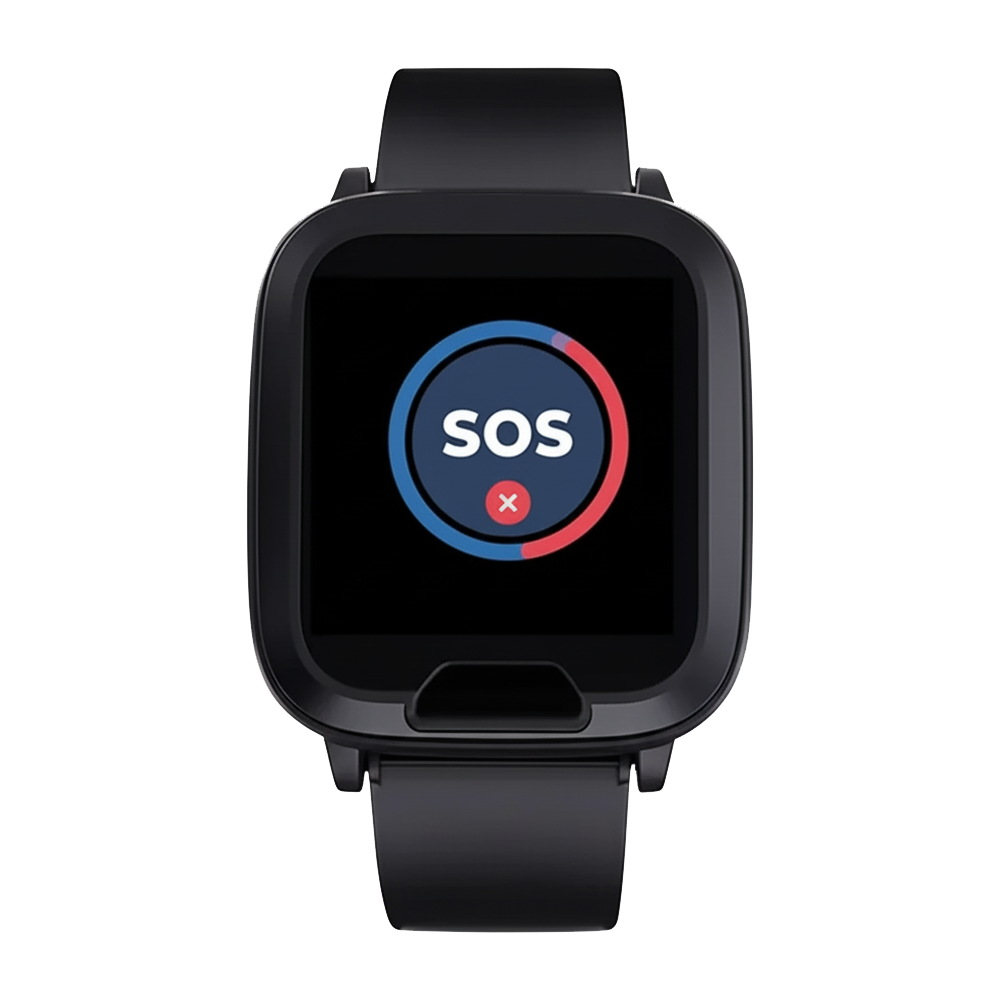
LifeGuard SafetyWatch V3
The LifeGuard SafetyWatch is a stylish medical alarm that lets you send an alarm in real-time with your GPS location by simply pressing the SOS button. This personal alarm device uses up to 4 location technologies for comprehensive coverage, ensuring that our Emergency Response Centre will be able to find you wherever you are. It also comes with a host of other helpful features, including heart rate monitoring, steps tracking, automatic fall detection, geofence alerts, and more. With all its features, the LifeGuard SafetyWatch is perfect for seniors, lone workers, and people with chronic medical conditions.
INS LifeGuard personal alarms and nurse call systems allow seniors to live more independent and active lives, knowing that aid is available at the touch of a button, 24 hours a day, 7 days a week.
Step 1
Press the Button to Trigger an Alarm
In the event of an emergency, press the button on your personal alarm system. We can also supply a Fall Sensor that automatically triggers an alarm when a fall is detected.
Step 2
Communicate with our INS Nurse
An alarm is sent to a nurse in our emergency response centre, who has access to your personal details and medical history. The nurse will call out to you over a two-way speaker on your emergency unit. You need not be near the unit to be heard.
Step 3
Assistance Arranged
The nurse will assess the situation and send whatever help is required – whether that be your emergency contacts (family member, neighbour, or friend), or emergency services.
Step 4
Dispatched Help if Necessary
If the nurse is unable to make voice contact, an ambulance will be dispatched to your location. No matter what the situation, rest assured help is on the way.
Additional Care & Support Features
24/7 Medical & Emotional Support –We care for both your mental and physical well-being.
TeleHealth -Vital signs can be recorded and monitored by family members or carers, or by our nurses through our professional Telehealth services.
Welfare Checks –Peace of mind with post-hospital and regular welfare checks.
Free iOS/Android Carer App -INS LifeGuardian Connect® allows family and carers to receive alerts for alarms and critical events.
Client Portal– Update client and family information remotely.
Managers Portal– Access reports, manage services, and send alerts for independent living providers.
Contact INS LifeGuard
Need help picking the right personal alarm for yourself or a loved one?
Our team can help you compare features to find the correct device for your needs.
A personal alarm is a reliable safety solution that can be used by an individual to summon help in the event of an emergency. Personal alarms, also known as "panic buttons" or "emergency buttons," provide peace of mind, particularly for elderly people who live alone but still value their independence. These devices empower seniors to remain independent and continue with their day to day activities while ensuring help is just a button press away when needed.
Moreover, personal alarms can reduce the risk of serious secondary health issues by preventing a "long lie" after a fall. This is a situation where someone remains on the floor for an extended period, which can lead to complications like dehydration, hypothermia, or pressure sores. Seniors who use personal alarms often report feeling more secure and confident in their daily activities, and many are able to live at home longer, knowing help is always available.
What are the two types of personal alarms?
There are two types of personal alarms at INS LifeGuard: on-the-go and in-home. On-the-go emergency alarms for the elderly are portable and can be taken with you wherever you go. Equipped with exceptional features and functionalities such as 24/7 monitoring and fall detection, these personal alarm systems are especially advantageous for individuals living alone and wish to maintain their independence while staying safe and worry-free.
On the other hand, our in-home personal alarm systems are designed to be installed in your home to give you peace of mind while you’re there. Whether you're feeling lonely or simply need someone to talk with, an INS Nurse is available day or night for you to call and have a conversation with. You can also reach out to INS LifeGuard anytime for information or support.
What are the two types of personal alarms?
The best personal alarms are those that are easily activated in an emergency and those that come with an array of key features. INS LifeGuard's personal alarms are designed to be easy to use and offer a range of features that help enhance the safety of the elderly.
Some of the features that our personal alarms offer include:
A fall detection feature that can automatically detect a fall and raise the alarm
GPS location tracking so that you can always know where your loved one is
Two-way voice communication so that you can always stay in contact
A personal alarm button that can be worn around the neck or wrist for easy access
Water resistance with IP67/IP68 ratings to safely wear in the shower or bath
Large, easy-to-press SOS buttons designed for seniors with limited dexterity or arthritis
Multi-network connectivity using cellular, GPS, Wi-Fi and Bluetooth technologies for reliable location tracking and communication
Advanced models with heart rate monitoring and medication reminders for health and wellness tracking
Do I need internet or a landline for a personal alarm?
No landline is required for any of our devices. However, connectivity options vary by device type:
Mobile Alarms (SmartTracker V3, SafetyWatch V3, INS LifeGuardian® App)
These operate entirely on cellular networks (4G LTE) with a pre-installed SIM card. No Wi-Fi or internet connection needed.
This means:
Work anywhere with good cellular coverage across Australia
4G LTE cellular (primary option - works without internet)
Wi-Fi
Ethernet/IP connection
SmartLink Medi-Guardian MKII 4G - Connects via:
4G LTE cellular network
Can also be programmed/updated over internet data network
For maximum reliability, we recommend using the cellular (4G LTE) connection for in-home systems, as this ensures your alarm stays connected even if your internet goes down. However, if you have stable internet, the SmartHome LGX can use Ethernet or Wi-Fi as an alternative or backup connection path.
The base unit communicates wirelessly with your wearable waterproof pendants and any wall-mounted call points placed around the home.
How long does the battery last on personal alarms?
Battery life varies depending on the type of device:
In-Home Alarm Pendants (Wearable Transmitters)
The waterproof pendants and wristbands that you wear typically last 2-3 years without needing to be charged. These communicate wirelessly with your base unit.
In-Home Base Units
LifeGuard SmartHome LGX - Plugs into mains power with up to 38 hours backup battery in case of power failure
SmartLink Medi-Guardian MKII 4G - Plugs into mains power with 40+ hours backup battery during power outages
This ensures continuous protection even if the power goes out.
Mobile Alarms
LifeGuard SmartTracker V3 - Up to 4 days between charges under normal use
LifeGuard SafetyWatch V3 - Up to 3 days between charges under normal use
Both come with easy-to-use charging docking stations and provide low battery alerts when charging is needed. The long battery life of our mobile devices means you can go several days between charges, reducing the worry of your alarm running out of power.
INS LifeGuardian® App
Relies on your smartphone or smartwatch battery. Battery consumption varies based on your device model, settings, and how frequently the app is used.
Note:
Actual battery life may vary depending on usage patterns, environmental conditions, and device settings.
How does LifeGuard’s personal alarms for seniors work?
INS LifeGuard's personal alarm for seniors works by providing a wearable device that seniors can activate in case of emergency. To use our personal alarm:
Press the button on your LifeGuard SmartHome LGX, SmartLink Medi Guardian, or mobile personal alarm in the event of an emergency. With only the press of a button, help is on the way. We can also provide an automatic fall detection sensor that activates an alarm upon detecting a fall.
A nurse at our emergency response centre is alerted. The nurse, who has access to your personal information and medical history, will communicate with you using a two-way speaker on your emergency unit. You don’t have to be near the unit to be heard.
The nurse will evaluate the situation and dispatch the necessary assistance, whether that be a family member, neighbour, friend, or emergency services.
If the nurse is unable to communicate with you verbally, an ambulance will be sent to your location. Regardless of the circumstance, rest assured that assistance is on the way.
* INS LifeGuard has no control over the local environmental factors that may affect network coverage and voice quality. Even if we cannot communicate with you via the personal safety alarm system, rest assured that we have received the signal and will dispatch emergency assistance.
What other services are included?
Free Nurse Chat and Health Info Line
If you are feeling lonely and need someone to talk to at any hour of the day or night, an INS Nurse is available for you to call. Our chat line is designed for the lonely or socially isolated who may need reassurance or just someone to talk with. In addition, you can contact INS LifeGuard at any time for information or assistance. On request, our nurses can communicate with your GP or other primary care providers.
Welfare Checks
We conduct welfare checks after hospital discharge and at the request of caregivers and families. These welfare checks benefit anyone vulnerable and living alone, including people with disabilities, seniors, and individuals working in remote areas without supervision. Furthermore, these welfare check services guarantee that our support extends beyond emergencies, providing ongoing peace of mind and assistance when you need them the most.
Download the Free LifeGuardian App
Download the LifeGuardian App to gain access to additional INS LifeGuard Ecosystem services, such as TeleHealth and the LifeGuardian Connect App. You can also convert your mobile phone into a mobile alarm and only pay for a low monthly monitoring fee. This app is available for free download via Google Play Store.
LifeGuardian Services Include TeleHealth Monitoring
The results obtained from your personal device can be monitored either by family members or caregivers using the free TeleHealth service or by a registered nurse from INS LifeGuard using our professional TeleHealth Service. We offer flexible monitoring options to suit your needs, from family-based monitoring to professional daily monitoring by our nursing team. Telehealth services offer numerous benefits to seniors and individuals with chronic health conditions. These include:
Better health results for patients with chronic conditions such as diabetes, hypertension, and heart failure.
Reduces travel costs and inconveniences associated with specialist visits
Improving access to care by enabling healthcare delivery from home
Help patients and healthcare providers communicate better
Free LifeGuardian Connect App
When connected, the LifeGuardian Connect app enables the families and caregivers of clients to easily check health status and location, read or modify information, and set alarms. Some other features may also include:
Easily view and access comprehensive reports including alarm history
Set Geofence alerts and location requests, and receive notifications
Set up tasks and reminders
Create rules to send alerts for personal activity monitoring
Monitor or set up vital sign alerts to detect or monitor medical issues early on
Can I get government funding for a personal alarm?
Yes. Several government and state programs offer funding for personal alarms to eligible individuals in Australia, including:
Home Care Packages (HCP) — Offer more comprehensive support for seniors who require a higher level of care, including funding for personal safety alarms and monitoring services.
Commonwealth Home Support Programme (CHSP)
— May provide subsidised or low-cost personal alarms for eligible seniors.
In some cases, funding may also be available through:
National Disability Insurance Scheme (NDIS), for participants who joined the scheme before turning 65 and have assistive technology or monitoring included in their plan
Personal Alert Victoria (PAV), a Victorian Government program offering free personal monitoring and emergency response services for eligible seniors and people with disabilities
Personal Alert Systems Rebate Scheme (PASA)
in South Australia, which supports eligible seniors and people with disabilities to live safely at home
Department of Veterans’ Affairs (DVA), which may fund personal alarms for eligible veterans through Veteran Home Care or other support programs
Eligibility and funding rules vary between programs. INS LifeGuard can help point you in the right direction, or you can speak with My Aged Care, your aged care provider, or an NDIS support coordinator to understand what options may apply to you.
What is the fall detection feature and how does it work?
The fall detection feature uses advanced motion sensors to automatically detect when a fall occurs. If a fall is detected, the device instantly sends an alert to our 24/7 Emergency Response Centre, even if you're unable to press the button yourself.
Available on:
LifeGuard SmartTracker V3 and SafetyWatch V3 (built-in fall detectors)
In-home systems (optional fall sensor accessory)
INS LifeGuardian® App (on compatible smartwatches)
Important: Not all falls can be detected by sensors, so you should always press your help button after a fall if you're able to. Our nurses can then assess your situation and arrange appropriate help.
Can family members or carers receive alerts and monitor activity?
Yes. Every monitored INS LifeGuard service includes access to the free INS LifeGuardian Connect® app for family members, carers, or authorised contacts.
With the user's permission, the Connect app allows you to:
Receive instant notifications when alarms are activated
View GPS location (for mobile devices)
Monitor vital signs data from compatible devices
Set geofence boundaries and receive breach alerts
Access alarm history and activity reports
The app is free to download on iOS and Android and works with all INS LifeGuard devices and monitoring services. Simply download the app and request access — the person being monitored can grant permission through their Client Portal or by contacting us. Get the app here.
When are emergency services contacted?
Our nurses assess every alarm to determine the appropriate response. Emergency services (ambulance, police, or fire) are contacted when:
You require immediate medical attention
You've had a serious fall or injury
You're unable to respond verbally to our nurse
The situation requires urgent professional intervention
For non-emergency situations, we may contact your nominated family members, neighbours, or carers instead. Our nurse-led approach ensures you get the right help, not an automatic ambulance dispatch for every alarm, which helps avoid unnecessary call-outs and costs.
This clinical assessment is what sets INS LifeGuard apart from automated systems.
In-home base with a waterproof pendant that can be swapped for a fall detector, for instant help day or night.
At Home
On Your Smartphone
Clinical assessment, not just call handling
Our team can assess symptoms, understand risk and respond appropriately.
Real Users, Real Peace of Mind
Find Out How INS LifeGuard Makes a Difference
It's like having a family member in the house
A client rings back after an ambulance callout to thank the nurses for always being there.
Nurse: Welcome to INS LifeGuard. This is Kirsty. How may I help you?
Client: I just wanted to thank your wonderful organisation. I had to get an ambulance. I wasn't going too well. And I just want to show my appreciation to you. I was lying down at the time. I think you rang me a couple of times. I just want to let you know, I was very grateful for your help and I appreciate what you did for me and I thought you've always been very, very good to me or kind to me. And I just wanted to let you know, I appreciated that.
Nurse: Thank you so much for your call. That's so lovely to hear. I'll definitely let the nurses know that you called us. How are you feeling now?
Client: I am feeling better. The doctors have been helping me, and I wasn't in the best shape. I didn't realise till I saw the ambulance chaps that I was running a pretty high temperature and, oh, things weren't kind of going so well. So I was very grateful for your help. Thanks very much for that. I just wanted to pass that on to you and let you know that we do appreciate the wonderful work you do.
Nurse: Thank you so much for that. I love hearing when people ring back and let us know.
Client: Oh, thank you for that. And they've always been very, you know, helpful to me over the years. I've made sure that as soon as I'm kind of feeling a little bit better, I'd give you a ring. And I've been very grateful for the treatment.
Nurse: I'm glad that you're in the right place now.
Client: And I was very grateful for you. It makes me feel better too because I thought, Oh, God, it's like having a family member I’ve got in the house. If you're not going well, you realise there's someone you can talk to, and there's someone around the corner, and it’s, you know, you're by yourself; it could be a worry, you know, if you really did get very, very ill. But I thought it reassured me a bit.
Nurse: That's lovely. Thank you so much for your call. We really appreciate your call. Client: Thanks, and thank you. I appreciate having you, and my sister does too. She said she's been so grateful for your organisation. I said, yeah, it does lift you up a lot. Nurse: Yeah.
Client: And I thought, when you live by yourself, it's a bit of a different world in some ways. And I thought it's lovely to know there is someone around the corner. We all appreciate that.
Nurse: Oh, thank you so much for the call.
Client: And I’m very grateful; I felt well, I am. Thanks to you and the ambulance service, I ended up in the right place. So that’s something good.
Nurse: Hope you get better soon, and thank you.
Client: Thank you.
Nurse: Anyway, it was lovely to hear from you. Thank you so much for your call.
Client: Thank you. Thanks very much.
Denise says LifeGuard saved her life
Denise pressed her alarm during a heart attack. She shares what happened next.
Nurse: Hi, Denise. This is Hayden from INS LifeGuard, your medical alarm company. How are you doing?
Client: Oh, I’m doing well, thank you.
Nurse: Oh, that’s good.
Client: I tell you what, I’m telling all the war widows to apply for the LifeGuard. It is very much better than any other similar device.
Nurse: Yeah. Yeah, I think so as well. And, you know, obviously I don’t have to pitch it to you, but, you know, being able to come into a call centre of nurses as well, you know, it’s definitely got to be a plus.
Client: Well, the LifeGuard, six months ago saved my life. I felt very unwell. And I was going to work on Wednesday, and I went out the door and I went, “Oh, I don’t feel well. Oh, Denise, get over it. Put your briefcase in the car, unlock the gates, and go to work, you silly bugger.” So I did. I put the briefcase in the car and I walked down to the gates. Lucky I took an old walker that was in the garage for stability. When I got there, I put my hand on the gate, and as soon as I did that, everything went brown.
Nurse: Brown?
Client: Yes. I couldn’t see anything except brown all around me. And I went, “Oh my goodness, I really don’t feel well.” And I sat down, and after a little while I went, “Yeah, no, I think I’m going to go back, say I’m not coming in today.”
Nurse: Mm-hmm.
Client: So I got halfway back to the back door, pressed my alarm, my LifeGuard, got to the garage. I had enough consciousness to press number one on my phone, which was a friend of mine down the road. She sent her husband up. He came running up. She rang the ambulance, who had already been advised by LifeGuard. Thinking that I’d had a fall. And she went, “No, no, no. Something’s bloody wrong. Something’s really wrong.”
Nurse: Yeah.
Client: I have had a massive heart attack.
Nurse: Oh, wow.
Client: They got me to the hospital, which was 110 kilometres away.
Nurse: Yeah.
Client: I had another, sort of a small heart attack on the way down. So they stopped. When I got there, they put me straight into ICU. That night I had another massive heart attack. The following day, really early, they did an angiogram at six o’clock in the morning. And it showed that two of my arteries were 98% blocked. And all the others were 60% blocked.
Nurse: Yeah.
Client: That afternoon I had another massive heart attack, and that night I had a fourth heart attack. And they kept me sort of out until the following Monday. That was Thursday, Friday, Saturday, Sunday. So five, four days they kept me out. Six, seven o’clock on Monday morning, I was in the surgery, having open-heart surgery.
Nurse: Mm-hmm. And that was about six months, did you say? Six months ago? Client: Six months ago.
Nurse: Yeah. I’m at a genuine loss for words, Denise. But I’m glad that this is – Client: The LifeGuard… if I’d had the little round one for the wrist, which only works in your yard, I shouldn’t say this, but I honestly do not believe I’d be here today.
Nurse: Right. Client: Because the service I got from INS LifeGuard was absolutely flawless. And I am now telling all the war widows, don’t worry about anything else, just go for the INS LifeGuard 4G or 5G GPS one.
Nurse: Yeah, definitely.
Client: But I’m not just telling my war widow friends to get them. I’m telling everybody over 60.
Nurse: Yeah, no, I think that’s a great idea. I think, you know, just for the peace of mind of having something like that. And, yeah, you know, when it works, you know, you’re very glad to have had it.
Client: Oh, my son reckons it’s the best thing since sliced cheese. Yeah. Saved their mother’s life.
Nurse: Well, thanks so much, Denise. I really appreciate having a chat with you, honestly. All right, well, I’ll leave it with you, Denise. Take care and have a great day.
Client: I am. I’m alive. Thank you.
Nurse: That’s it. That’s what I want to hear.
Client: All right. Bye for now.
Nurse: Bye, Denise.
Ben helps a client with her watch
A client gets her new watch set up and tells Ben why she feels secure wearing it.
Client: Oh, better for hearing your voice, Ben. *laughs* Ben, I’ve received a watch and I’ve sent the paperwork back.
Nurse: The watch face itself is an alarm, so if it detects a push, it triggers the alarm.
Client: I’m feeling very secure with it, and I could put that down to possibly the falls alarms where I actually got to speak to the nurses. And they are very caring and they’re wonderful people. They’re wonderful nurses there. Absolutely fantastic. Okay, thank you so much, Ben. You’ve been very kind and very patient.
Nurse: No worries. I’m glad I could help.
You've saved Margaret's life
A husband explains how the watch helped uncover his wife's heart condition.
Client: Thanks, Ben. And thank you for your help all the way through.
Nurse: No worries… No worries.
Client: You've saved Margaret's life, I mean that. She found out she had AF.
Nurse: Yep.
Client: She's been in hospital about three or four times. And they’re talking about trying to shock her back into life again and God knows what. But if we hadn't had that watch, I don't know, she most probably had a stroke or goodness knows what.
Nurse: Yeah. I'm very glad that you both picked it up and decided to join the trial so that we could get to this point and yeah… It's been godsend.
Client: Yeah, it has. It has. The doctors and everything else said it saved her life. And it's not just, you know, very simple. And it's been very, very good, and I appreciate the help you guys have given us.
Client happy with INS service
A nurse follows up after an ambulance callout and hears the client's wife is home and doing well.
Nurse: Hello, it's Ben from INS LifeGuard. How are you?
Client: You got my email?
Nurse: I did. I have some news for you, essentially. We spoke before Christmas in regards to replacing your alarm system.
Client: Yes.
Nurse: I've organised for that. That's going out today, so you'll get an entire new watch with a new number.
Client: That is fantastic. So you're going to send me a new one, right?
Nurse: Yes.
Client: Oh, I really am impressed with your service in all directions. I really, really, really appreciate your service. I think it's just fantastic and I love my watch. Okay. Thank you so much. I really appreciate it.
Nurse: No worries. I'm glad I could help.
Client: Bye.
Nurse: Bye bye.
I recommend you to my elderly friends
A long-term client thanks the team and shares that she's been telling her friends.
Nurse: Hi Trish, it's Nicole from INS LifeGuard. Is everything okay there?
Client: Yes, it is fine. Thanks Nicole. It's just a test because my um, it stopped working so they had to redo it all, so she said just to check to make sure it's working right.
Nurse: Oh, okay. Not a worry. All working. You have a lovely day.
Client: Yeah, and can I say something?
Nurse: Yeah, of course.
Client: I think you're amazing, and I don’t know where we'll be without you, so take care.
Nurse: That's so lovely. I will definitely pass that on.
Client: Thank you.
Nurse: Alright, you take care.
Client: And you too. Bye bye.
Nurse: Bye.
INS assistance was absolutely life saving
A daughter calls to thank the nurse who sent an ambulance after her mother's fall.
Nurse: Hello, Mrs. *****. It's John from INS LifeGuard. Do you need assistance?
Client: This is *******’s daughter. I'm just ringing to let you know that she was taken to hospital yesterday after having a fall, and INS contacted the ambulance. And thank you for your assistance. It was absolutely life-saving, really.
Nurse: No problem at all. That was actually.. Lisa's the one that called the ambulance. I'll let her know that you appreciate her assistance.
Client: Thank you very much.
Nurse: Thank you. Okay. Bye.
John felt comforted and thanked Tim
John thanks the nurse who kept calling back to check on him until the ambulance arrived.
Nurse: Morning, John, it's Allison from INS LifeGuard. You’re all okay there this morning?
Client: Hello, Allison. Yeah. look, I'm okay today. I had a call yesterday morning and I can't remember the name of the young fellow I called yesterday.
Nurse: Yeah.
Client: But I just wanted to ring in and say thank you to him because he rang me several times during my problem to see that I was okay. And I really appreciated that.
Nurse: You were dealing with Tim, so I’ll definitely pass it on. He was on night shift again, so he’s already left.
Client: Would you do that for me, please?
Nurse: I certainly will.
Client: It was very comforting to have him call me regularly until the ambulance was here. And he even then called me to see how I was going.
Nurse: No, beautiful, John, I'm glad that you're feeling better and you're back home again.
Client: Thank you very much.
Nurse: Lovely. Thanks for the call back, John. I'll definitely let Tim know. Okay.
Client: It's my pleasure. Thank you. Thank you. You did a wonderful job. Thank you. Okay, bye.
Nurse: Bye.
Mrs P loves us and would pay double
A client rings back to thank the nurse who helped her that morning.
Nurse: Hi there, Ms. *****, here again from INS. How are you going?
Client: Um, I'm just ringing. I'm sorry. Don't worry, but I wanna give a special thank you to the lady who helped me this morning.
Nurse: No, you are more than welcome; that was me.
Client: The nurse was just coming in cause I called her. I said to her, I said, I don’t know — this is the truth — I don’t know what we pay per month to the INS LifeGuard, but I'm happy to pay double.
Nurse: Oh, love. You're so sweet.
Client: Yeah, darling, I wanna say thank you.
Nurse: You are so very welcome.
Client: See how darling I won't keep me better. Thank you. I love you.
Nurse: Oh, we love you too. Love. So if you need anything, don't you hesitate to press that button.
Client: All right, darling. Okay. Thank you.
Nurse: Not a worry. Take care of yourself.
Client: Bye darling.
Nurse: Bye.
Thank you for caring
A nurse checks in on a client a week after a hospital trip.
Nurse: Oh, good afternoon. This is Christie calling from INS LifeGuard. I've actually called to follow up to see how you're going. We called an ambulance for you on the 11th.
Client: Now I'm getting better, but I had pneumonia.
Nurse: Oh, you did? Oh, that's no good. Are you on the mend?
Client: Yeah, I'm on the mend. Anyway, look, I appreciate you being up checking on me.
Nurse: Yeah, no problem at all.
Client: And John, the fellow that rang up when the ambulance was coming, was excellent.
Nurse: Oh wonderful. Great. No problem. I'll pass that along. Thank you.
Client: Okay.
Nurse: Okay, bye.
Thank you Lisa
A family member thanks Lisa for helping their dad get comfortable using his alarm.
Client: Yeah. Hi. Look, I'm just wondering, is this the customer services for the INS LifeGuard?
Nurse: Yes.
Client: I just wanted to say thank you very much. My dad's name is [name omitted], and I wanted to thank Lisa so very much because basically, Dad has refused to use it for the last year or so. And then when I went over to Australia about a month ago, I came back and I said to Lisa, she rang, she had a chat, then she explained the whole system, she explained what to do and told him to put his watch on. And he's done all that, and it worked out [inaudible].
Nurse: Oh, okay, beautiful. I was on last night. I called the ambulance for him, and it took hours for them to get there, unfortunately. His neighbour attended, so she sat with him for a few hours.
Client: I think it was really wonderful. He wouldn't have listened anyway, but Lisa explained it to him so well and it actually worked. I just wanted to thank you and thank you very much.
Nurse: No worries. I'll at Lisa know. I'll send her a message just letting her know.
Client: Thank You. Thank you so much!
Nurse: Okay. Bye.
Client: See you mate. Bye bye.
Thanks for the care
A wife thanks the nurse who called an ambulance for her husband.
Nurse: Good morning. This is Linda from INS LifeGuard. Is everything all right?
Client: Hello. Yes, everything is fine. Thank you so much. I just wanted to thank you for the care that you took on the first of this month. Monday morning early, I called you and you were a great help, and you called for help on my behalf straight to hospital.
Nurse: Oh, okay. Is he out of hospital yet?
Client: He is, yes. He came out the same day. But it was the first time he'd ever had it, and we both got a shock.
Nurse: Oh, goodness. All right. And how is he feeling now? Is he okay?
Client: He is. Look, he bounced back. He was home the same day, and I think I'm still in shock.
Nurse: Yeah. It can be, yeah. Well, look, you just make sure that one of you has got the pendant on. If you need us for anything, you give it a press.
Client: Well, thank you so much.
Nurse: You're very welcome. All right, you take care.
There is always somebody at the end of that button
After a life-or-death emergency, a client learns someone is always there, 24/7.
There is always somebody at the end of that button
Nurse: Oh, hello, it's Kim here from INS LifeGuard. I'm just ringing 'cause we sent you off to hospital. So I was ringing to see if you were home.
Client: I am home from the hospital, darling. I really appreciate all the help that INS LifeGuard did for me. It was life or death on that day. Thank you. I owe you my life. Thank you very, very, very much.
Nurse: You are welcome, darl. So just so you know, we are always here. If you ever feel you need to talk to somebody, okay?
Client: Really?
Nurse: We are always here. There is always somebody here 24 hours a day, seven days a week. There is always somebody here at the end of that button.
Client: That's so nice to hear. Thank you. Appreciate that. Thank you very, very, very much.
Nurse: Thanks love. Bye.
Client: Bye.
Well done Val
A client thanks the nurse who contacted her daughter and called an ambulance.
Client: I just wanted to say I don't need any help, but on Saturday night, I needed help. And the lady was so amazing. They called an ambulance. I got to the hospital on time, and I just wanted to thank the lady who was on duty on Saturday night.
Nurse: Oh, that’s so sweet. I’ll pass on that. She’s on at the moment, but I’ll definitely pass that on to her.
Client: Yeah, because you phoned my daughter, you phoned the ambulance. Everything went to plan, and I'm fine. Thank you so much.
Nurse: And you're back home, obviously.
Client: I'm back home again, and everything's good. I never had a stroke, but the hospital was good. Everybody was good to me. Thank you so much.
Nurse: That’s okay. Take care.
Client: Thank you. Bye.
Woman praises INS nurse and alarm system
A client remembers the nurse who kept the line open through a long wait for an ambulance.
Nurse: It’s Angela calling back from the alarm company to see how you're feeling since you went to hospital last month.
Client: Oh, yes.
Nurse: Are you recovering well?
Client: Yeah, not too bad. I was meaning to thank you. That lady that was on that night, she was very, very good. I waited so long for that ambulance. It was a terrible night. I know. The alarm system was marvellous. She kept speaking to me, and she kept the line open. I don't know who she was, but she was very good.
Nurse: Yeah. Oh gosh.
Client: Anyway, the lady on the phone that night was absolutely terrific. Yes. Well, anyway, I can't give enough praise for that alarm system, and it was very good. Not that I've had to call them very often, which I’m so pleased about, but anyway, all worked out good in the end.
Nurse: Oh, I’m glad.
Client: It’s very good. Thank you for worrying about me, anyways.
Client: All right, then. Well, you take it easy, okay. Alright. Take care. Bye for now.
You are all special
A client asks for INS's address so she can send the nurses a Christmas card.
Nurse: Hi there, it’s Ceara from INS LifeGuard. Do you require any assistance?
Client: All I need, love — sorry to worry you — I want to send a Christmas card to you all, because I've had so many good people and I don’t know what address, love. Can you help with that?
Nurse: Of course, of course. Do you have a pen and paper there?
Client: I’ve got it standing here, love. Yep.
Nurse: So that's PO Box 485, Unanderra.
Client: Right darling, what's the postcode?
Nurse: 2526.
Client: 2526. INS Management, Post Office Box 485 Unanderra 2526.
Nurse: Yes, that's correct.
Client: Okay. Now I just want to say thank you then. I thought I'll just pop a card in the post for you all.
Nurse: Oh, no, I know, and I've spoken to you before. You're absolutely a pleasure. We're more than happy to receive that from you.
Client: Yeah, but you're all special too.
Nurse: You're so very sweet. Thank you so much.
Client: Bye, darling. Have a good day.
Nurse: You too. All the best, and a Merry Christmas and a Happy New Year.
Client: And everything the same to you, too, darling.
Nurse: Thanks. Have a good day. Bye bye.
Client: Bye, darling.
You guys are the diamonds in the business
A daughter shares why she recommends INS to everyone after years of support for her mum.
Nurse: Good morning, Linda from Accounts. How may I help you?
Client: Hi, good morning, Linda. We've been customers for several years with your console because of my mom. You guys have been absolutely wonderful.
Nurse: Oh, thank you.
Client: What an amazing service. I literally speak about you guys to everybody I go. You do not want anybody else but these guys; these are the absolute diamonds in the business. I swear to you.
Nurse: Oh, thank you.
Client: Been dealing with mum and aged care and so many other people. Like I can honestly, wholeheartedly, as a client, testify to amazing services and stuff, and you guys have saved our *** so many times, so many times. And my mom really needed it.
Nurse: Oh, that's lovely. That's really nice. Thank you. That means a lot. And thank you for allowing INS LifeGuard to provide our service, and I wish you all the best moving forward.
Nurse: Thank you, Linda.
Client: No worries at all.
Ben and a client
A client who lives alone explains how wearing her pendant saved her when she collapsed.
Nurse: Hello, it's Ben from INS LifeGuard. How are you?
Client: I'm well, thank you.
Nurse: I'm just calling up about your medical alarm system.
Client: I was grateful that I had the thing around my neck when I collapsed. I was just lucky that I had it. If I'd had to walk to it or ring someone, I wouldn't have made it.
Nurse: Yep, that's the benefit of the alarm–
Client: So that shows you how these alarms work, doesn't it?
Nurse: Yep, it does.
Client: You can use that to tell your folks that it saved my life.
Nurse: Yeah, I'll definitely pass that on.
Client: I couldn't have made a phone call. I couldn't have called out for help. I couldn't have done anything. I live all on my own.
Nurse: Just so that you're aware as well, in case you ever need it, with our service it's not just the alarm system that you are paying for. You can actually give us a call if you have health questions, and we have nurses here.
Client: Oh, really?
Nurse: But you can also just give us a call if you want to have a chat at any time. There’s always someone here, even if it’s 2 o’clock in the morning.
Client: Goodness me!
Nurse: You can always just give us a call and have a chat with someone if you would like to.
Client: That’s very kind. As I say, nobody checks on me, so if I hadn't had the thing around my neck, I would've been.. How many days would I have laid there? I have no idea.
Nurse: Yeah, It's a great system to have for when you need it.
Client: Since I have no family in this country, nobody looks in on me. I need it. I need it. And I, and I've proved now I need it. Yep. So the hard way, unfortunately. Yeah.
Nurse: At least you had it.
Client: Oh yeah. And it was around my neck. I've spoken to other people who have it and they say, oh, don't have that bloody thing hanging around your neck. I just leave it on the hook by the bed or whatever. And I don't take it off when I go to bed either. I don't put it on the bedside table, so you can say thank you to your company. It a comfort, I suppose, particularly if you're on your own, like I am, and I'm choose to live on my own.
Nurse: Yeah.
Client: Not that I've been sent to Coventry or something. I like my house and my garden and I'm pleased to be here. So that's the price you have to pay as you have to be more careful and have this backup system.
Nurse: Yep.
Client: So there you go. And I don't take it off even in the shower.
Nurse: Yep. That, that's the benefit of it being waterproof, really.
Client: So there you go. So thank you very much for that.
Nurse: No worries. I'm glad I could help.
Client: Okay. Thank you very much. Bye.
Nurse: Bye.
Talking to Robyn
A client thanks Robyn for calling an ambulance, even when she wasn't sure she needed one.
Nurse: Good morning, Mrs *****. It’s Lisa from INS LifeGuard, do you need assistance?
Client: Good morning, Lisa. Last night I had a rather nasty attack of what I thought was food poisoning. And I spoke to a lady called Robyn, who was terrific and she said, “Look, I'm going to call an ambulance.” And I said, look, we've gone through; it's not a heart attack, and it's not a stroke and you know, whatever. I said, I think I'll be all right. She said, “No, I'll call an ambulance anyway.” I just wanted to thank Robyn and tell her that I do have an appointment with the doctor this afternoon. I think I've got myself covered, but I do appreciate her. She rang me about two in the morning. By that time I think I had dropped off into a sleep.
Nurse: Yeah. Look, I will definitely pass on your thanks to her.
Client: Much, Lisa, because I really appreciated it. I said more than anything, Robyn, I think I just need to talk to somebody because you know, it's pretty awful with you.
Nurse: Of course. Yeah. No, that's no problem at all. That's what we are here for and I will certainly let her know.
Client: Thanks Lisa, and you have a lovely weekend.
Nurse: You too. You take care.
Client: Bye-bye.
Nurse: Bye-bye.
I am very impressed with INS
A daughter explains why she trusts that someone always answers, day or night.
Client: But I must say to you, every time, you know, which is nearly every time I go to Mum's and I see one of the buttons flashing or whatever. You know, I phone up you guys, and even if I've had to phone you at 11 at night when you guys have phoned me and whatnot, I really got total confidence that you guys, that someone is at the other end whenever you need it, whether it's two in the morning or whatever. So I just want to pass back my feedback that I'm very, very impressed with INS. Nurse: No, I'm glad that we could help and give you that reassurance that we're always here.
Client: Mm. Yes. Well, thank you very much. I really appreciate it.
Nurse: No worries.
Yvonne thanks Bianca for the ambulance call
Yvonne calls to thank the nurse who sent an ambulance and contacted her daughter.
Nurse: Good morning, it's Lisa from INS. Are you alright there?
Client: I just wanted to thank you very much for looking after me on Friday.
Nurse: Oh, that's okay. You went to the hospital, didn't you?
Client: I just wanted to thank you so much, darling. You were so efficient, and everything went well, and the ambulance came, and my daughter came. And I just thought so often people phone you, but they might not think to phone you back and thank you.
Nurse: Oh, that's absolutely lovely. And I'll let Bianca, the nurse, know who called the ambulance for you. Now, are you wearing your pendant?
Client: Absolutely.
Nurse: Good. And don't you hesitate at all. If you need anything, you press that button, okay?
Client: Thank you so much.
Nurse: You are so welcome. You take care. Please rest up.
Client: Okay, darling.
Nurse: Thank you. Bye bye.
I know who to refer other people to now
A family shares how reassuring their mum's SmartTracker was while she was at home.
Nurse: Hello, it's Ben from INS LifeGuard. How are you?
Client: Okay, thank you, Ben.
Nurse: I'm calling up about your mum's SmartTracker. I've received that back. I will close out her account for you.
Client: Fantastic. Thank you very much indeed. And it was really reassuring for us for her to have that while she was home. So thank you.
Nurse: No worries. I'm glad we could help and provide that bit of comfort for you.
Client: Beautiful. And I know who to refer other people to now, which is great.
Nurse: We're always here and always happy to help.
Client: Great. Thank you very much. Thanks for your call, and I'm so pleased you've received it. Thank you.
Nurse: No worries. Thank you.
Client: Okay, bye.
Nurse: Bye.
More Client Feedback
I wanted to express my heartfelt thanks to Bev and Taliah for their wonderful service and quick action the other night when my wife needed an ambulance. I was truly impressed with the level of care and professionalism they provided.
— Tony K.
My daughter and I want to extend our sincere thanks to Belinda and Tim for their help overnight. The continuous callbacks to check on me were so comforting. They were both wonderful, and I am deeply grateful for their kindness.
— Beryl G.
I want to thank everyone at INS for their assistance when my blood pressure dropped to 70 and I eventually needed several blood transfusions in the hospital. I'm not sure what would have happened if I hadn’t been wearing my pendant. I’m incredibly grateful for the service.
— Mr. B.
I would like to thank and praise Rosie who looked after 2 calls for ambulances on Tuesday evening with me. Rosie definitely went above and beyond with her help, not only for the two residents but for me, who has no medical background!
— Angela, Village Manager
I recently had a friend who was assisted by INS LifeGuard, and I just wanted to express my appreciation for the service they provided. The questions they asked were spot-on, and the kindness they showed was both relevant and reassuring.
— Marilyn
I wanted to thank Kristie for her assistance this morning when I required an ambulance. They arrived promptly, and after experiencing a bout of vertigo, I’m already home and feeling much better. I’m very thankful for the care I received.
— Noeline E
I want to thank John for his quick action in calling 000 when my grandson was in shock after losing his grandfather. I’m truly grateful for his patience and understanding during such a difficult time.
— Mrs. Lynette P
I want to express my heartfelt thanks to Ben W for the help he provided in June when my husband was unwell. I’m happy to share that my husband is now home and recovering well.
— Ms. Laurie M
I am very grateful to Abbey for the help she provided when I had a fall in June. Her support was truly appreciated.
— Elizabeth M
I want to say a BIG THANK YOU to Robyn for saving my life recently when I had a stroke.
— Mrs. Pamela B
I want to express my gratitude to INS for their speedy response and for the help of their nurse, who was most caring and arranged for an ambulance to convey me to the hospital, where I received the appropriate attention.
— Mr. Tom W
I called to thank Rosie and the staff for calling an ambulance for my neighbor, Sally, when she fell. She is currently in the hospital and, unfortunately, broke her arm.
— Maree
I want to thank the INS nurses for their quick action in getting me an ambulance in April. I underwent major surgery and spent three weeks in the hospital.
— Mr. David G
I want to express my deepest gratitude to Nurse Belinda, who was there for me when I urgently needed an ambulance. Having this system in my home feels like having another person living with me—I no longer feel alone.
— Mrs. Morton
I want to express my heartfelt thanks to Robyn for the assistance she provided me the night before last when I needed the ambulance. I was extremely impressed with the nurse, the INS service, and the quick response time of the ambulance.
— Yvonne L.
I called to personally thank Roz for her help when I needed an ambulance. Your support was invaluable, and I’m truly grateful.
— Mrs. Jeannie A.
I want to extend my heartfelt thanks to Tim for assisting me recently with my faulty smoke detector. Your help was much appreciated.
— Mrs. Cook
I want to express my deep gratitude for all the support given to my mother over the last two years. A special thank you to Shay for being there during a very distressing time—it meant the world to me.
— Wonita
A big thank you to Ben W for your assistance the other morning. I truly appreciated how you kept me updated on what was happening during the three hours I was on the floor. Your support made a challenging time much easier.
— Bill H
I wanted to extend my heartfelt thanks to Kristie and Shay for their promptness and care yesterday. Your quick response and attention to detail made all the difference. Thank you so much!
— Mr. S and Mrs. P
I want to thank John for helping me with my alarm last week when I was short of breath. I was transported to the hospital, where it was determined I had blood clots in my lungs. I feel very lucky to be alive, and I’m deeply thankful to all the INS staff who assisted me.
— Mrs. Long
I want to express my deep gratitude to Ceara for calling the ambulance for my wife. Your quick thinking and excellent service made all the difference, and I cannot thank you enough.
— Allan T
I would like to sincerely thank you for your service. It has saved my mother several times after falls at home while she was alone. Knowing that she had help if she needed it gave us great peace of mind.
Hi Kimberley, I just want to say how much I appreciate your professionalism, care, and kindness since our first communication yesterday. You've been an absolute blessing, and I’m so thankful for how attentive and helpful you’ve been. I’m really looking forward to getting this installed for Dad.
— Natalie S.
Huge thank you to Roz. I didn’t think I needed the alarm, but after using it twice now for falls, I’m very grateful.
— Robert M.
Thank you so much, INS, for helping my husband last week when he was suffering from bad neuralgia. Your support meant the world to us, and we are very grateful.
— Mrs. Leonie R.
Thanks to the INS staff for all the wonderful and caring work over the years since I have been in the village.
— Jillian
I just wanted to take a moment to thank INS for all the assistance they've provided me over the years. Your help has been truly appreciated.
— Judith B., Campbelltown
I recently spoke with Ben M and was incredibly impressed by his politeness and knowledge about the equipment. I want to wish everyone at your company happiness and love during Christmas and the New Year. You are all lifesavers!
— Mr. Hanna
I want to express my extreme happiness with INS and how they collaborated with emergency services to ensure a quick and pleasant outcome when I needed an ambulance on Saturday. I’m especially grateful to Ben W. for his care and efficiency—he’s wonderful!
— Mrs. Barbara H.
I want to express my appreciation for the consistent and caring support I received from INS. Beverley and Shay responded promptly to my specific actions on file and even checked in with me to ensure I was okay. Thank you both for your dedication!
— Vanessa R.
I would like to express my appreciation of the service supplied by INS.The questions they asked and the kindness they expressed were very relevant and assuring.
— Marilyn
I want to thank Lisa for her assistance while I was shivering on the floor waiting for the ambulance. She kept me sane while I was waiting.
— Mrs. Connie H.
Sandra and I wanted to express our appreciation for the great service and efforts from George when Sandra was unwell recently. Great job, George!
— Bruce
Thank you for always being there and the friendly service you have always given [Mum]!
— Gwen R
Thank you for the INS LifeGuard for my husband to use when I had to go out for an appointment sometimes, knowing he would be able to use the pendant if needed.
— Carole H
I want to extend my deepest gratitude to Julie for the wonderful job she did when we had to call an ambulance for my husband last month.
— Mrs. Fox
I wanted to thank Karen for the assistance she provided with my father overnight.
— Sam
Thank you, INS, for taking such good care of my dad during his time of distress when he was struggling to breathe and feeling scared. Your help meant the world to us.
— Charles’ Daughter
Awesome, thanks for your great customer service, Ash! You really helped me out with a resident’s device, and I appreciate it.
— Robyn
I want to thank Kristie, Ben W, and Shay at INS for the thoughtful way they handled the alarm when my Mum needed help the other night. Your care and communication meant so much to us.
— A Client's Daughter
I’d like to extend my gratitude to Ceara and Shay for the care they showed my mother last week after her fall. Their assistance meant the world to us.
— Mrs. Kathleen’s daughter
During a recent medical emergency, my husband and I were immensely reassured by the prompt and professional response from INS LifeGuard Service. Robyn, a team member at INS, provided calm and effective support, quickly notifying the ambulance team and offering assistance over the phone. The swift arrival of the Village Manager further strengthened our confidence in the emergency care system. Now that my husband is recovering, we remain deeply appreciative of the compassionate and efficient service. We are so grateful for the reliable and comprehensive support provided by INS.
— Mr. and Mrs. Davis
Your phone and wrist button made me feel safe and secure in my home when through illness I felt vulnerable. The fact that I knew that I only had to press a button to have someone on the other end talk to me and arrange an ambulance allowed me to stay independent for as long as possible.<br>
— Barbara
Firstly, I would like to thank you for the consistent high-quality service you have provided to The Willows Residents during 2023. Your team responds with efficiency and kindness at all times and we value the attention and care given through all the calls we have made to you. THANK YOU!!!
Just wanted to say a huge THANK YOU for all your time and patience on the phone today Nicole. As a virgin INS user, I emailed you. You called me right away and were so patient and took the time to learn a little of what our village required from this system. You then patiently explained the functions of the portal, paying attention to the functions which [our village] would find helpful.
I just wish to say thank you to the INS staff member who assisted us, Alison. She was very calm and caring and made the effort to check in on the situation over the several hours the call was active. She helped alleviate some of my distress, and I hope that you can note this on her file or at least pass on my thanks to her once more.
— Retirement Village
I recently spoke with our resident, and she couldn’t praise you enough for the amazing care, compassion, and professionalism you provided her. I also want to extend my personal thanks for your help and the service you offer. I’m on the phone with your team many times a week, and I can add my compliments to this one.
— Village Staff Member
Thank you so much, INS, for all your assistance! I am Mrs. B’s daughter, and I wanted to express how grateful I am for everything. I believe in giving credit where it’s due, and everyone at INS was so helpful in swapping over and setting up my mother’s new alarm device. Your support has been invaluable.
— Margaret
I wanted to take a moment to express my deep gratitude for the exceptional service my wife and I received. Both of us had contracted Covid, and when my wife needed to be transported to the hospital, everything went off without a hitch—like a Swiss watch. I’m particularly thankful to John, who handled our alarm call with such professionalism. Thank you to everyone involved in providing us with such excellent care.
— Arthur T
On behalf of our independent living village I must pass on our sincere thanks as your team have been really impressive lately with responding to emergencies, especially regarding one of dear residents who required an ambulance yesterday whilst having lunch in our clubroom...response time was fantastic…..well done!
I want to thank two of your staff members who I spoke to recently. They were both so kind and understanding during what was an incredibly difficult time for us. Staff who are so caring, especially during such tough times, are truly a credit to any organisation. Thank you so much.
— Debra N.
I’m the manager of one of our new village sites, and I wanted to share some positive feedback with INS. The residents have been very complimentary of our team, especially the nurses who respond to the emergency alarms. They were lovely, and it’s clear we’re doing a great job. Well done, everyone!
I want to extend my gratitude for your continued excellent service. My daughter shared that the old unit worked perfectly on Monday, helping secure an ambulance for Mum. The person from INS who assisted us was extremely calm and helpful. I thought you might appreciate this positive feedback.
Still Have Questions?
If you have any questions or would like to know about your options, please contact INS LifeGuard directly.
INS LifeGuard is the only nurse on-call personal emergency response service in Australia. We have a commitment to healthcare innovation which includes personal alarms and medical alert solutions that make independence easier, safer and more enjoyable.
Our services support Seniors, Carers, Providers, NDIS Participants, Retirement Villages, DVA, Lone Workers and anyone that wants the security that help is a press of a button away.
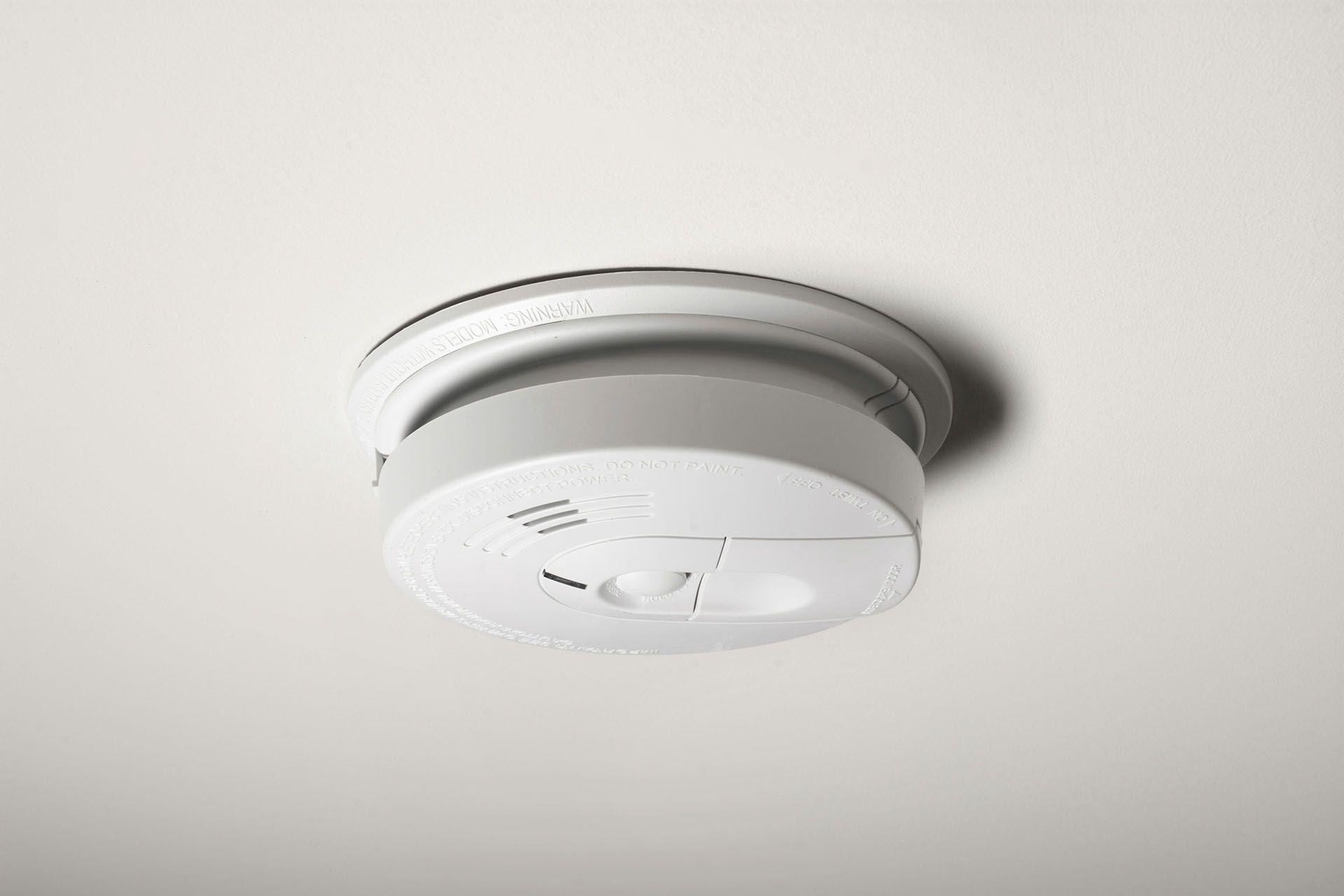
What interconnected smoke alarm rules mean for your home, including Queensland's 2027 deadline, and how a monitored smoke detector adds 24/7 protection.
Already have a personal alarm? INS LifeGuard can monitor most alarms, including other providers', with 24/7 nurse-led support. Check if yours can connect.
What interconnected smoke alarm rules mean for your home, including Queensland's 2027 deadline, and how a monitored smoke detector adds 24/7 protection.
Already have a personal alarm? INS LifeGuard can monitor most alarms, including other providers', with 24/7 nurse-led support. Check if yours can connect.