
Have a Question?

Motor Neurone Disease (MND): Signs, Symptoms, Progression & Support
INS LifeGuard • August 21, 2026
Being diagnosed with Motor Neurone Disease (MND), or learning that someone you care about has MND, can leave you with many questions. What happens next? What symptoms should you expect? How quickly can MND progress?
MND can affect movement, speech, swallowing and breathing. However, every person's experience is different. As it progresses, the type of support a person needs may change too.
Understanding the signs and symptoms of motor neurone disease can help people living with MND and their families feel more prepared for the decisions ahead. Practical support can also help manage symptoms, maintain independence and improve quality of life.
What Is Motor Neurone Disease (MND)?
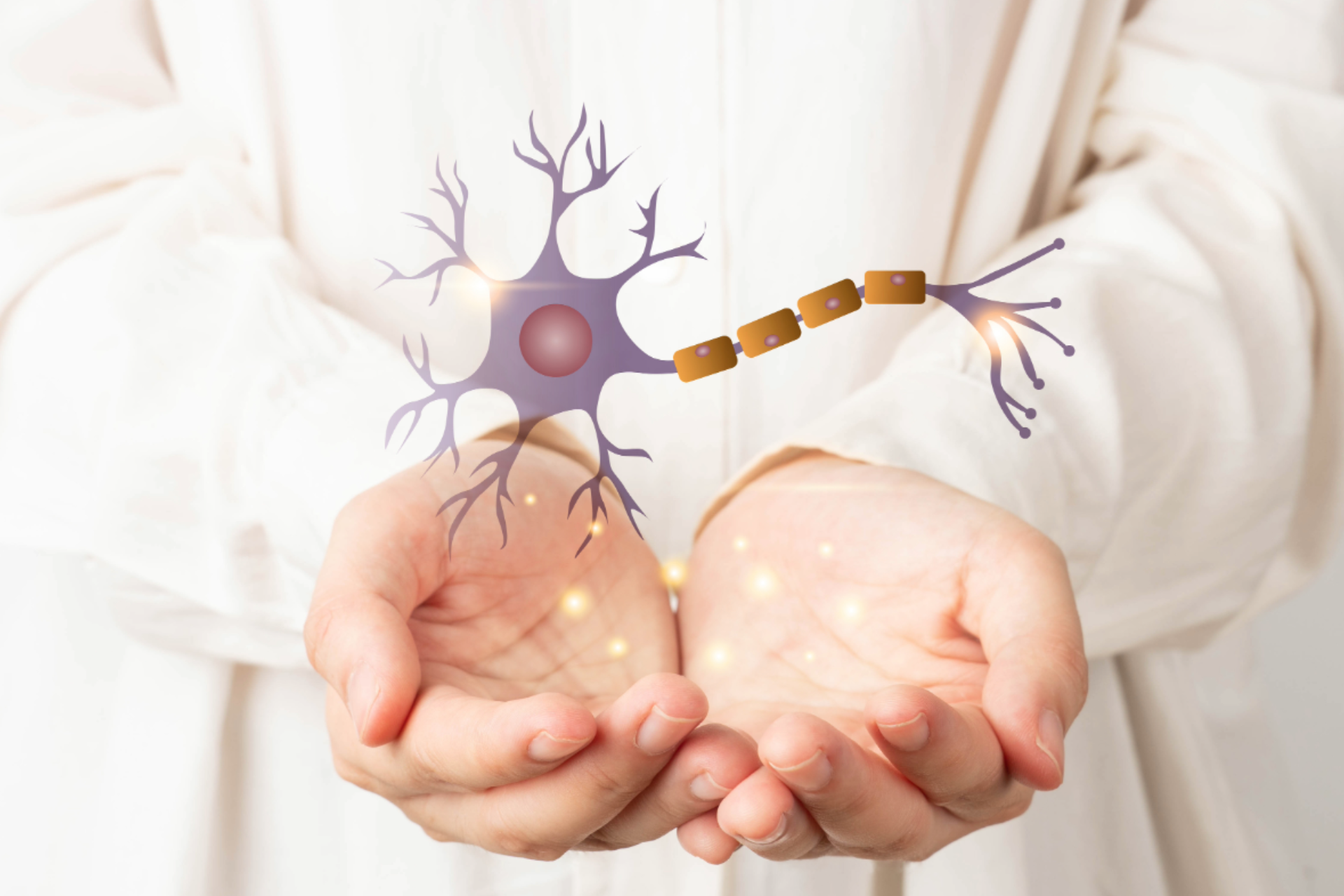
Motor Neurone Disease (MND) is a progressive neurological condition that affects the nerve cells that control voluntary muscle movement. These nerve cells, called motor neurons, carry instructions from the brain and spinal cord to the muscles that help us walk, move, speak, swallow and breathe.
With MND, these motor neurons gradually become damaged and stop working effectively. As the muscles receive fewer signals from the brain, they can weaken, become stiff and eventually lose function.
MND can affect each person differently, including where symptoms begin and how quickly they progress.
What Are the Early Signs and Symptoms?
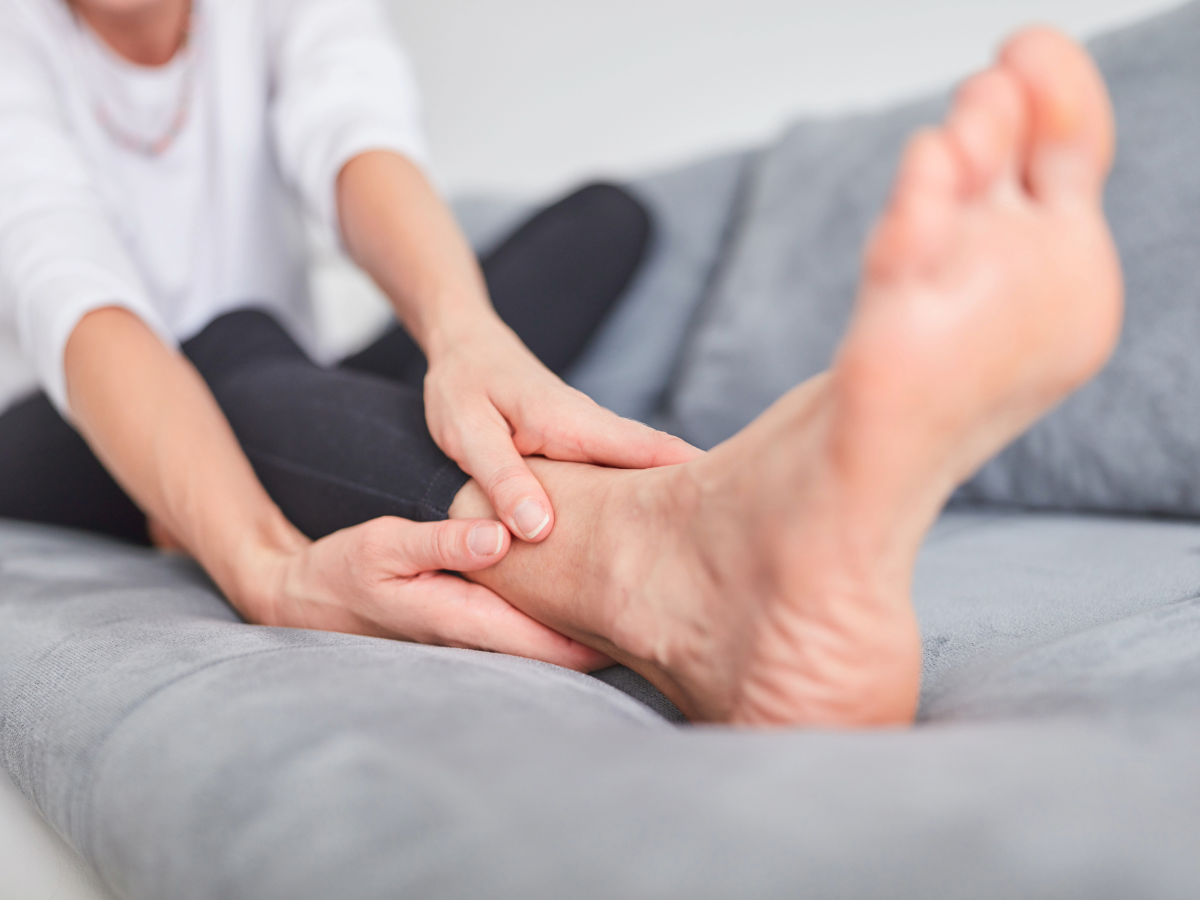
The first symptoms of MND can be subtle and may initially be mistaken for other health problems.
Early symptoms can include:
- weakness in the legs that causes stumbling
- difficulty holding or gripping objects due to weakness in the hands
- slurred speech
- difficulty swallowing
- muscle cramps
- muscle twitching
Symptoms often begin in one part or one side of the body before gradually spreading. However, the location and nature of the first symptoms can differ between people.
Somebody experiencing these symptoms does not necessarily have MND. Muscle weakness, cramps, swallowing difficulties and similar symptoms can have many possible causes. Persistent or unexplained symptoms should therefore be assessed by a doctor rather than self-diagnosed.
How Does Motor Neurone Disease Progress?
MND is a progressive condition, meaning symptoms generally worsen over time.
However, there is no universal MND progression timeline.
Some people experience relatively rapid changes, while others live with the condition for considerably longer.
As MND progresses, a person may experience increasing difficulties involving:
- walking and mobility
- balance
- arm and hand movement
- transferring between a chair, bed or toilet
- completing personal care and household activities
- speaking and communicating
- chewing and swallowing
- managing saliva
- breathing
- fatigue
Some people experience changes in cognition, behaviour or mood, and a smaller proportion develop a form of dementia.
Is There a Cure for MND?
Currently, there is no cure for motor neurone disease (MND). However, treatments and support can help manage symptoms, slow disease progression in some people, and improve quality of life.
Treatment for MND may include medication, physiotherapy, speech therapy, nutritional support and breathing support. Assistive equipment can also make everyday activities easier.
Researchers worldwide continue to study MND and explore possible new treatments. This includes research into new medicines, gene-based therapies and other approaches that may improve how MND is treated in the future.
Is It Possible to Prevent Motor Neurone Disease (MND)?
At present, there is no known way to prevent motor neurone disease (MND). In most cases, it is not clear why a person develops the condition.
Research suggests that, in some cases, a combination of genetic and environmental factors may play a role. However, having a possible risk factor does not mean someone will develop MND.
Because there is no proven method of preventing MND, the focus is generally on early diagnosis, managing symptoms and providing practical support.
Can Someone With MND Continue Living Independently?
Many people living with MND want to remain in their own home and retain as much independence as possible.
Independence does not necessarily mean completing every activity without assistance. Appropriate equipment, home modifications, and support can help someone keep making choices and participating in everyday life even as their physical abilities change.
Professionals involved in MND care may include:
- GPs
- neurologists
- nurses
- physiotherapists
- occupational therapists
- speech pathologists
- dietitians
- respiratory specialists
- social workers
- psychologists
- palliative care professionals
Making the Home Safer for Someone With MND
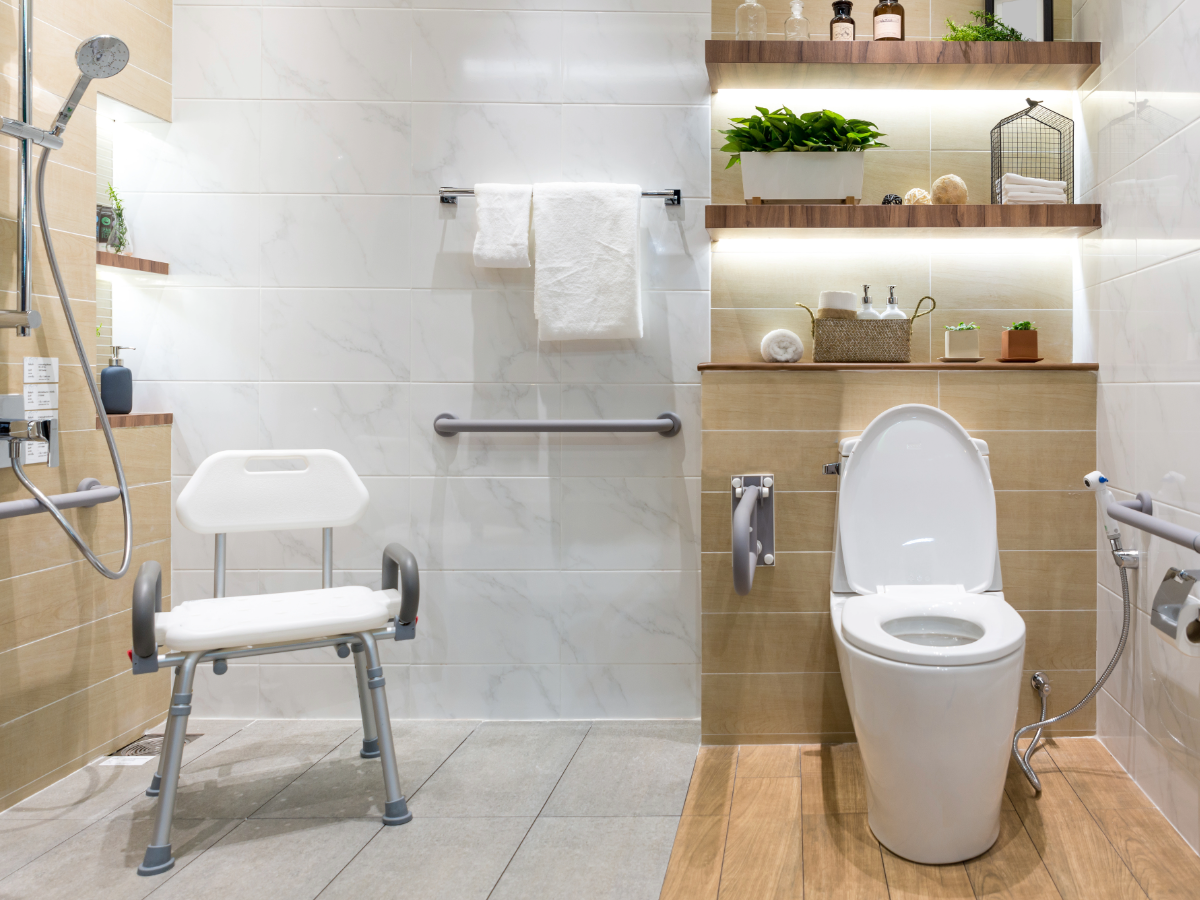
Changes in mobility are among the most significant practical challenges for many people living with MND.
Muscle weakness can make walking more difficult and may cause someone to stumble or lose their balance. Falls can be particularly concerning for someone whose muscle strength is already reduced. A person who falls may also have difficulty getting back onto their feet or reaching a phone to ask for assistance.
As strength and mobility change, the home environment may need to change as well.
An occupational therapist can assess how a person manages everyday activities and identify areas where modifications or equipment could improve accessibility and safety.
Depending on individual needs, this might involve reviewing:
- access into and around the home
- stairs and steps
- bathrooms and toilets
- shower access
- bed and chair transfers
- floor surfaces and trip hazards
- furniture positioning
- lighting
- frequently used household items
- mobility equipment
- methods of calling for assistance
Planning ahead can be especially valuable with a progressive condition. Making changes before they become urgently necessary may reduce disruption and give the person time to become comfortable with new equipment.
Supporting Someone Living With MND
One of the most useful approaches is to involve the person living with MND in decisions wherever possible.
Rather than automatically taking over tasks, consider discussing:
- what the person would still like to do independently
- which activities are becoming difficult
- what assistance they would find useful
- what equipment may make tasks easier
- who should be contacted in an emergency
- future care preferences
- how family and professional carers can share responsibilities
If you are aged 65 or over and living with MND, you may also be eligible for priority access to aged care support through the Support at Home program.
→ Read our guide to MND priority access under Support at Home
Carers also need support themselves. There is available information and resources for carers, family members and friends that can provide additional assistance.
Creating an Emergency Plan
Because MND can affect mobility, speech, swallowing and breathing, planning for unexpected situations is particularly important.
An emergency plan might record:
- emergency contact details
- the person's diagnosis and important medical information
- current medications
- communication needs
- mobility and transfer requirements
- breathing or respiratory equipment
- feeding or swallowing considerations
- preferred hospital or healthcare contacts
- details of family members, carers and healthcare professionals
Copies can be kept somewhere accessible and shared with appropriate carers or family members.
If the person uses a personal alarm, family members may also wish to discuss who should be nominated as contacts and what should happen when an alert is activated.
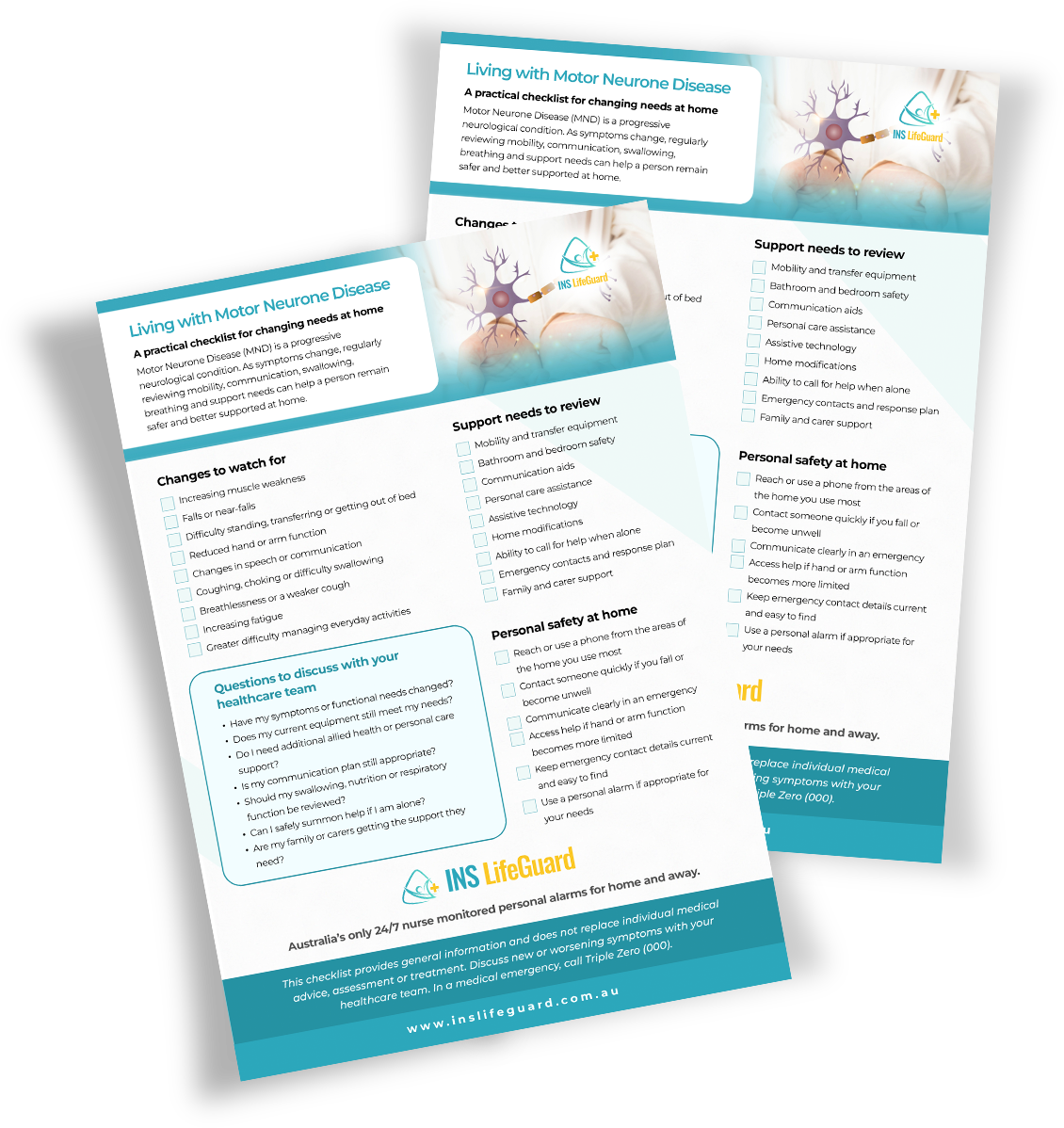
Living with Motor Neurone Disease: Clinical Signs & Home Safety Checklist
Motor Neurone Disease can affect movement, strength, balance, communication and everyday safety at home.
Download this free checklist for a simple overview of common clinical signs to be aware of, plus practical home safety considerations that may help support independence and reduce everyday risks.
Nurse-Monitored Personal Alarms for People Living With MND
INS LifeGuard provides personal alarm options that connect users to its 24/7 Emergency Response Centre, which is staffed by trained emergency responders who are also qualified healthcare professionals, including Registered and Enrolled Nurses.
Depending on the personal alarm plan and compatible devices selected, INS LifeGuard can provide a range of useful safety and health features.

24/7 access to nurse support
Help is available at any time of the day or night. When an alarm is activated, the user can be connected with the INS LifeGuard Clinical Operations Centre. An INS nurse can speak with them, assess the situation and decide what assistance may be appropriate.
Help in an emergency
If additional help is needed, a nurse can contact nominated family members, friends or neighbours, or arrange emergency services. If a nurse cannot make voice contact after an alarm, an ambulance will be sent to the user's location.
Support at home and while out
INS LifeGuard offers both in-home and mobile personal alarm options. Its mobile devices include GPS-enabled options, while in-home systems can include waterproof pendants and fall detection. This can provide added reassurance for people who spend time alone or want to continue participating in their community.
Fall detection
Falls can become a concern when a person experiences reduced strength or mobility.
Personal alarms in the home can include fall detection; mobile personal alarms come with fall detection, and smartwatches paired with the INS LifeGuardian® App provide
fall detection that can alert the response service when a fall is detected. Availability depends on the device and technology being used.
GPS location support
Mobile alarms and the INS LifeGuardian® App provide GPS location support. This can help the response team locate the person when assistance is required away from home.
Vital signs monitoring with compatible devices
INS LifeGuardian® App plan provides nurse-led health monitoring when used with a compatible smartwatch or device. This includes monitoring of supported health and vital-sign data by Registered Nurses.
Welfare checks
We also offer nurse-led welfare checks. These can provide another point of contact for people living with a health condition, including those who live alone or whose family members cannot always be nearby.
Keeping family and carers informed
The free INS LifeGuardian Connect® app allows family members and carers to receive alerts about alarms and critical events. This can give families greater visibility while supporting the person's independence.
Planning Ahead
Living with MND often involves adapting to change.
While it may be difficult to predict exactly how quickly someone's symptoms will progress, early planning can make future transitions easier.
Putting appropriate systems in place before they are urgently needed can help someone living with MND maintain greater choice, safety and independence as their circumstances change. It can also mean considering relatively simple questions such as:
If I am home alone and need assistance, how will I call for help?
Speak with us to learn more about personal alarm options and how a nurse-monitored service may be appropriate as part of your or your loved one's broader home safety plan.
Related Articles
Hospital stays can be stressful, especially when transitioning home or to without the support of an aged care facility. INS LifeGuard provides essential services to help patients leave the hospital safely and confidently, ensuring needed support and ongoing care.

Breast, bowel, lung, cervical & heart health screenings are available to Australians in their 50s, most of them free. Here's what each one involves & who qualifies.

Uncover if falling asleep after meals is a warning sign for diabetes. Learn about possible symptoms, risk factors, and prevention methods.
About
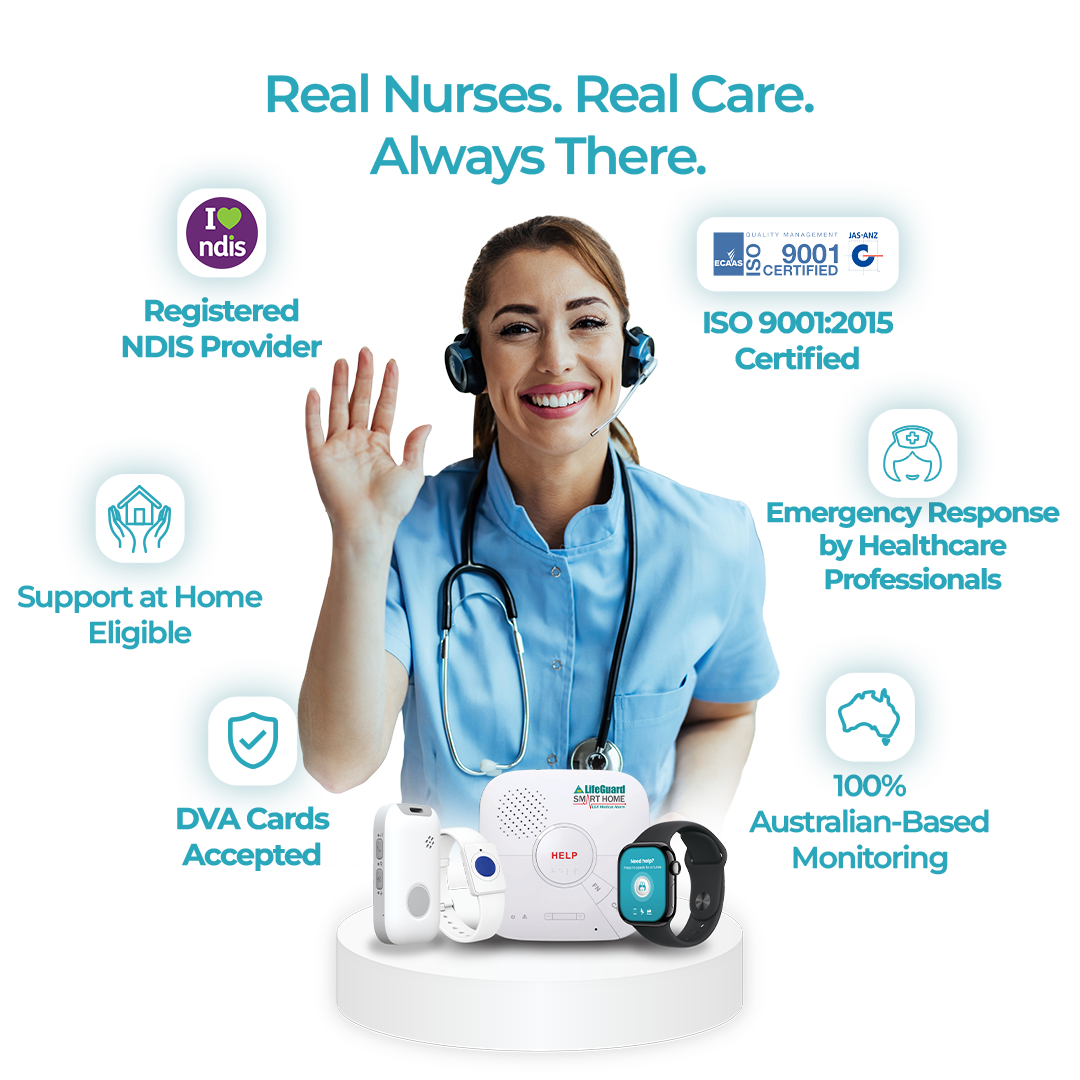
INS LifeGuard is the only 24/7 nurse on-call personal and medical monitoring in Australia. We provide monitoring technology for both in the home and on the go and can also monitor other provider's equipment. Our services are suitable for anyone wanting support to stay independent such as the elderly, those with medical conditions and disabilities plus enhancing safety and security for lone workers.