

Have a Question?

Already Have a Personal Alarm? How INS LifeGuard Can Provide Nurse-Led Monitoring for Your Existing Equipment
INS LifeGuard • October 23, 2026
A personal alarm in Australia is only as good as the people who answer it. The pendant, watch or base unit starts the call, but what happens in the minutes after you press the button depends on the monitoring service behind it.
If you already own an alarm, or you're supporting someone who does, you may not need to replace it to change who monitors it, or to add professional monitoring if your alarm currently only calls family and friends. INS LifeGuard can also monitor other providers' equipment, which means you may be able to keep your existing device and add a monitoring service staffed by nurses and other qualified healthcare professionals.
This guide explains what nurse-led monitoring involves, who it suits, what to check before you switch, and how to find out whether your device can connect.
Why the Monitoring Service Matters as Much as the Device
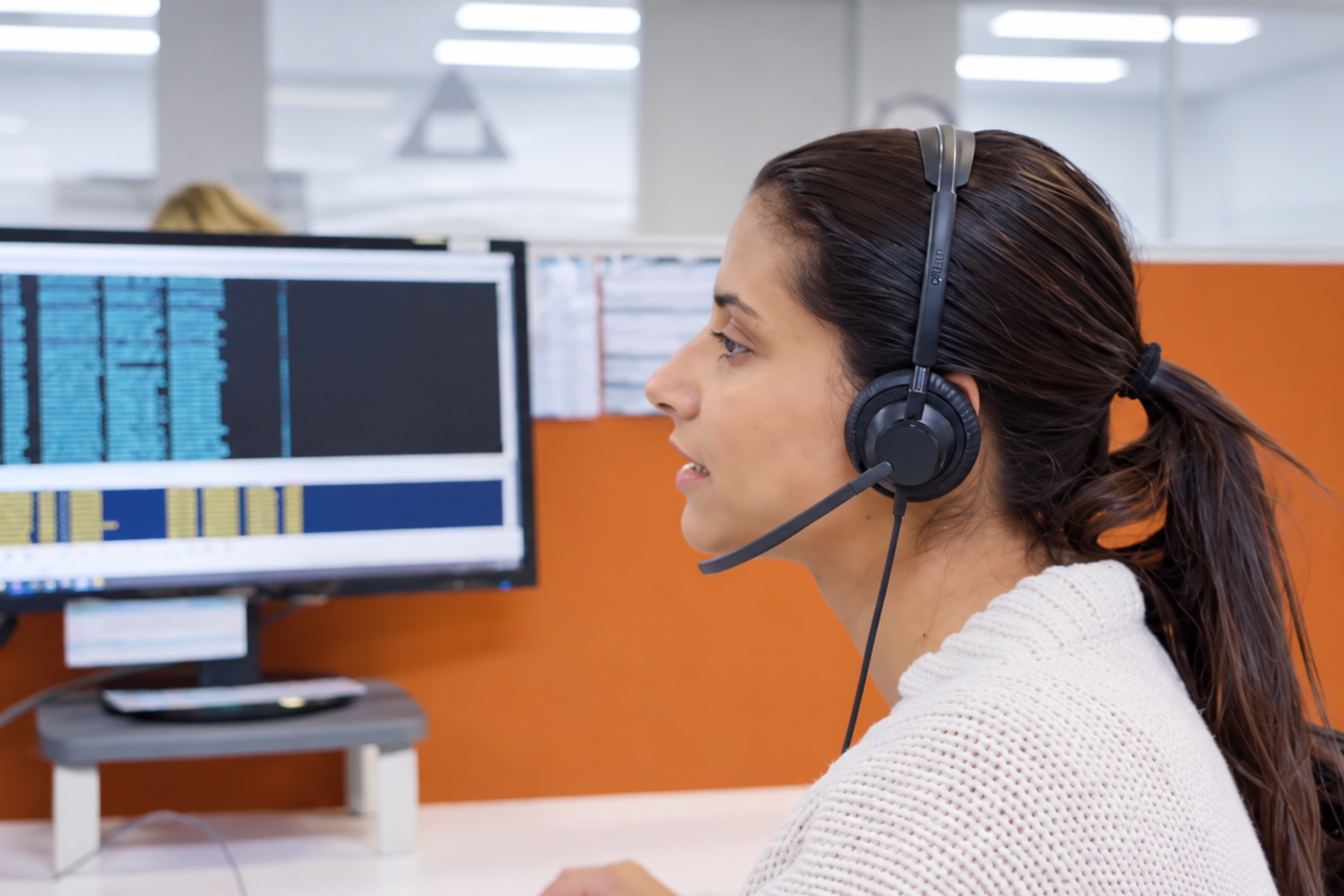
A monitored personal alarm connects to a 24/7 monitoring centre when you press the button. What differs from one service to the next is who answers and what they can do. Many monitoring centres are staffed by call handlers who follow set procedures: they confirm the alarm, contact your emergency contacts and call an ambulance when needed. Some hold first aid training, but call handling is not a clinical role. INS LifeGuard's centre works differently. It is staffed by trained responders including Registered and Enrolled Nurses, who can ask clinical questions, assess how urgent a situation is, give immediate advice and decide what help is needed.
If you or someone you care about lives alone, has a medical condition or has had a recent fall, it's reasonable to want a service that can look at the situation, not just pass the call along.
When you press your alarm, you want more than someone to pick up. You want someone who understands what you're going through, can recognise when something may be medically urgent, and knows what help to arrange. That's the difference clinical experience makes. Our Clinical Operations Centre team includes Registered and Enrolled Nurses, who bring healthcare knowledge to every alarm they answer.
What Nurse-Led Monitoring Means at INS LifeGuard
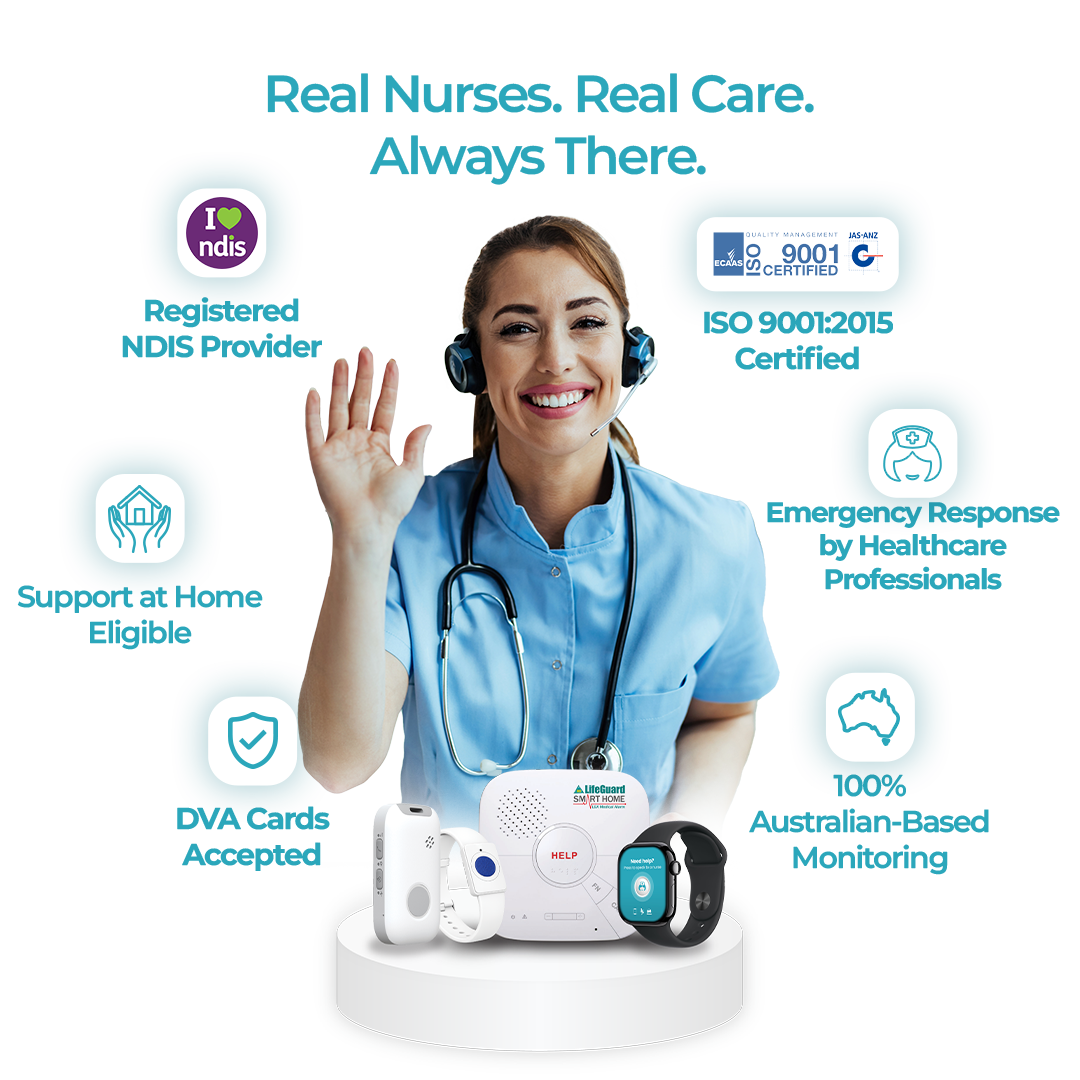
INS LifeGuard's Australian-based Clinical Operations Centre is staffed 24 hours a day, seven days a week by trained responders, including Registered and Enrolled Nurses and other qualified healthcare professionals. INS LifeGuard is the only nurse on-call monitoring service available in the Australian market.
When an alarm comes in, the team can:
- Speak with the person through the device, where the device supports two-way voice
- Review the personal details and relevant medical information held on file
- Ask questions to understand what has happened and how urgent it is
- Contact nominated family members, friends or carers
- Arrange an ambulance or other emergency help, including sending an ambulance if they can't make voice contact
Because the team includes nurses, they can triage the call and decide what help is needed, which can mean the right help is on its way sooner. They do not replace a doctor or emergency services. Their role is to assess the situation, provide reassurance and make sure the right help is on the way.
What Happens When You Press the Button
Whether you use a pendant, a watch or your phone, the steps are the same.
- You press the button. Your alarm, smartphone or smartwatch connects you to INS LifeGuard's 24/7 Clinical Operations Centre. Some selected devices also send automatic alerts, for example, for a fall.
- You speak with our clinical team. The team can see your personal details and medical history, and speaks with you directly through your device to understand what has happened.
- The team assesses the situation and arranges the help you need. That might be reassurance, a call to a family member, neighbour or friend, or sending emergency services.
- If the team can't make voice contact, an ambulance is sent to your location.
Hear From One of Our Nurses
Alison, an Enrolled Nurse, has been part of the INS LifeGuard team for 20 years. Here, Alison talks about who answers when you press the button, and the other ways the team can help, day or night.
Video transcript
I've been with INS LifeGuard for 20 years. It came up to 20 years last October. At INS LifeGuard, we hire nurses to be our medical responders. We've all got a medical background at various stages. Some have worked in hospitals, some in nursing homes, but we all have the medical terminology and the medical knowledge.
But we're not just a medical alarm company. We can call the police, we can call the fire brigade. We've even had to call snake catchers, when we've had snakes in lounge rooms that wouldn't go out.
We also offer what's known as a chat call, so you can call in and talk about your medication or a problem, especially when you're by yourself.
It's knowing that we're there 24/7, that you can ring us and we'll answer. If you don't feel like ringing your family at two o'clock in the morning because you've heard a noise outside, you can ring us, and we can check on you and make sure you're okay.
Who Might Consider Changing Monitoring Provider?
People look for a new monitoring service for many reasons. Common ones include:
- Your current provider is changing or ending its service
- Your alarm currently calls family and friends instead of a monitoring centre
- You want a service staffed by nurses and other qualified healthcare professionals
- You live alone or have a health condition, and want someone with clinical insight to answer when you press the button
- You're a family member or carer who wants confidence that someone with healthcare training will respond
- You're a retirement village, community service or care provider looking for a monitoring partner for equipment you already use
If you're a provider, see our information for
providers and organisations and our
24/7 call support for healthcare and community services. Retirement villages may also find our guide to
improving safety and security in a retirement village useful.
Your Equipment: What Can Be Monitored
Whatever alarm you use, the same nurse-led team answers the call. These sections cover what can be monitored and what to have ready when you get in touch.
Does Your Alarm Call a Monitoring Centre or Family and Friends?
Not every personal alarm is monitored. Some lower-cost alarms are set up to call family and friends instead, usually a list of numbers dialled in order until someone answers.
If help depends on a family member or friend answering, there can be gaps, for example at night, when someone is driving or when nobody on the list is available. A monitoring centre is staffed around the clock, so a trained person is available to take the call at any hour.
If your alarm is set up to dial preset numbers, that doesn't rule out monitoring. When INS LifeGuard takes over the monitoring, many alarms can be reconfigured to reach our Clinical Operations Centre instead. Contact the INS LifeGuard team with your device details to find out, or to talk through a monitored alarm that would suit you better.
Can INS LifeGuard Monitor My Existing Alarm?
Quite possibly. INS LifeGuard can monitor most modern alarms, including equipment from other providers. Whether yours can be connected depends on its brand and model.
Many providers sell very similar devices under different names, so the quickest way to find out is to contact the INS LifeGuard team and tell them which company supplied your alarm, along with its make and model. They can tell you whether it can be monitored and, if it can't, which INS LifeGuard options could suit your situation.
Use Your Smartphone or Smartwatch as a Monitored Personal Alarm
The same nurse-led team answers whether you use a pendant, a watch or your phone. If your current alarm can't be connected, or you'd rather not rely on a separate device, the INS LifeGuardian® app can turn your smartphone into a monitored personal alarm. You don't need to buy additional equipment. When you activate the alarm, the app sends your GPS location and connects you with INS LifeGuard's Clinical Operations Centre for two-way voice communication.
If you already own a compatible smartwatch, it can be paired with the app so you can raise the alarm from your wrist. Compatible watches include Apple Watch and Samsung Galaxy Watch models, so check with the team that yours is supported. Features such as fall detection depend on your phone and watch.
The app needs a mobile or internet connection to send alarms and support two-way communication. You can read more about the INS LifeGuardian® app, or contact the team to talk through which option suits you.
Do You Own a Talius (Formerly HSC) Alarm?
Talius, formerly HSC, is a provider of personal emergency response equipment. INS LifeGuard has an arrangement with Talius to supply, monitor and support its hardware, and compatible Talius devices can be reprogrammed to work with INS LifeGuard monitoring.
If you own a Talius or HSC device, contact the team with your model details to check whether it can be set up.
Were You a BaptistCare CareCall Customer?
CareCall, formerly part of BaptistCare, is now INS CareCall, part of The INS Group. INS LifeGuard still monitors the older CareCall equipment, so if you still use it, the nurse-led team described above is the team that answers. Many CareCall customers have since upgraded to more modern solutions. If you have a CareCall device and want to check your monitoring or look at your upgrade options, contact the INS LifeGuard team.
What to Have Ready When You Get in Touch
Having a few details to hand makes the first conversation quicker:
- The company that supplied your alarm, and its make and model (usually printed on the back or underside of the base unit or pendant)
- How the device connects, if you know (for example 4G or landline)
- Whether it calls a monitoring centre or a list of family and friends when you press the button
- Who currently monitors it, and whether you're in a contract or notice period (check with your current provider)
- The names and phone numbers of your emergency contacts
- Any medical information you're comfortable sharing, such as conditions, medications and your GP's details
What Happens Next?
- You contact the INS LifeGuard team with your device details.
- The team checks whether your equipment can be monitored.
- If it can, they set up your account, emergency contacts and personal details.
- Your device is connected or reprogrammed to reach the INS LifeGuard Clinical Operations Centre, and tested before you rely on it.
- You keep testing your alarm regularly, as recommended for any personal alarm.
Questions to Ask Any Monitoring Provider
Whether you choose INS LifeGuard or another service, these questions help you compare monitoring services fairly:
- Who answers my call: a nurse or other healthcare professional, or a call handler? What training do they have?
- Is the service staffed 24 hours a day, seven days a week, and is it Australian-based?
- What happens if the person can't speak?
- How are my personal and medical details stored and used?
- Can my family and carers be contacted in the order we choose?
- What quality certifications does the provider hold?
- What are the monthly fees, set-up costs and contract terms?
- How easy is it to leave the service if my needs change?
Frequently Asked Questions
Can I keep my existing alarm if I switch to INS LifeGuard monitoring?
Quite possibly. INS LifeGuard can monitor most modern alarms, including other providers' equipment. Tell the team which company supplied your alarm, along with its make and model, and they can check.
Do I need to buy new equipment?
Not necessarily. If your device can be monitored, you may be able to keep it. If it can't, INS LifeGuard offers its own range of monitored personal alarms for use at home and on the go, including personal alarms for seniors, fall detection options and the INS LifeGuardian® app. You can see all the options in our alarm shop.
Can I use my smartphone or smartwatch as a monitored personal alarm?
Yes. The INS LifeGuardian® app can turn your smartphone into a nurse-monitored personal alarm without any extra equipment, and a compatible smartwatch can be paired with it. The app needs a mobile or internet connection to send alarms. Contact the team to check that your phone and watch are compatible.
How much does monitoring cost?
Costs depend on your equipment and the service you need. Contact the team for a quote.
Is this only for older Australians?
No. INS LifeGuard supports older Australians, people with disabilities, carers, NDIS participants, DVA clients, lone workers, retirement villages and providers.
Can funding cover monitoring?
It depends on the funding program and your individual assessment. Check with your funding provider or care team, or ask the INS LifeGuard team what may apply to your situation.
Will switching cancel my current contract?
Not automatically. You'll need to end your current service with your existing provider. Check their contract and notice period before you switch, so you don't pay for two services at once.
Is the service available at night and on weekends?
Yes. The Clinical Operations Centre is staffed 24 hours a day, seven days a week.
Ask the INS LifeGuard Team About Your Alarm
If you'd like nurse-led monitoring behind the alarm you already have, or you'd like to talk through your options, the INS LifeGuard team can help.
Call 1800 636 226 to speak with our friendly team, available 7:30 am to 5:00 pm AEST, Monday to Friday. Alarm monitoring itself runs 24 hours a day, seven days a week.
Disclaimer: This article provides general information only. Whether a particular device can be monitored depends on its make, model and connection. Please contact INS LifeGuard to confirm your circumstances.
Last updated: 23 October 2026
About
INS LifeGuard is the only 24/7 nurse on-call personal and medical monitoring in Australia. We provide monitoring technology for both in the home and on the go and can also monitor other provider's equipment. Our services are suitable for anyone wanting support to stay independent such as the elderly, those with medical conditions and disabilities plus enhancing safety and security for lone workers.