
Have a Question?

How to Improve Safety and Security in a Retirement Village
INS LifeGuard • June 22, 2026
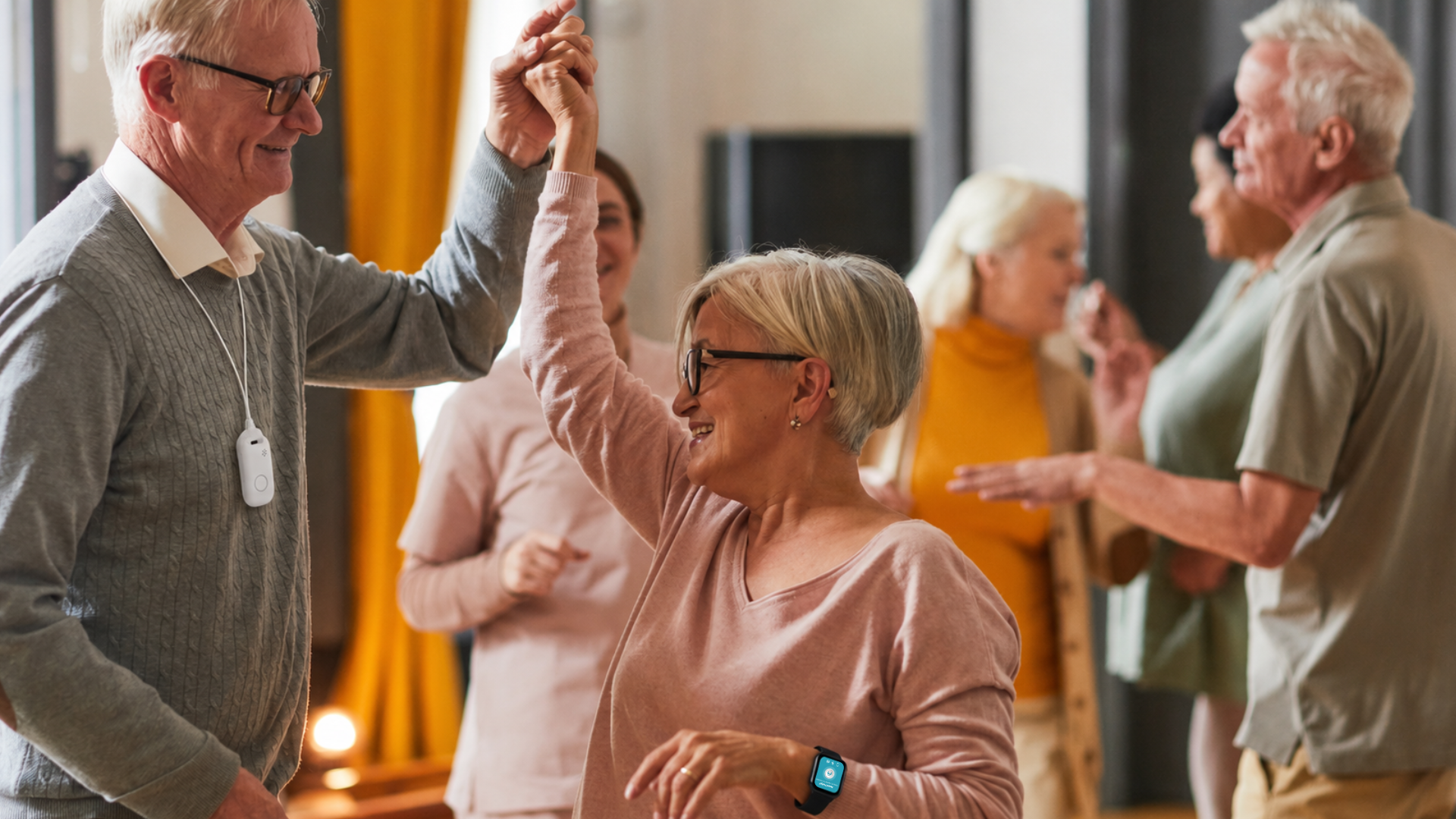
A retirement village should give residents the freedom to live independently while also providing reassurance that support is available when it is needed. For many older Australians, that balance matters deeply. They want privacy, choice and independence, but they also want to feel safe, connected and protected.
True safety is not only about locks, gates and cameras. It is also about what happens when a resident falls, feels unwell, presses an alarm, becomes isolated or needs urgent reassurance.
For operators, this is one reason many communities review not only their physical safety measures, but also who responds when a resident presses an alarm. In our related article, "Why Retirement Villages Choose INS LifeGuard for 24/7 Nurse-Answered Medical Alarms," we explain how having emergency calls answered by nurses and other healthcare professionals can support safer, more informed responses.
In this guide, we focus on the broader safety picture: how retirement villages can improve access control, fall prevention, emergency communication, medical response, social wellbeing and day-to-day oversight.
Why Retirement Village Safety Needs a Whole-of-Community Approach
Retirement villages are designed to help older people live independently in a supportive community environment. Residents may live in their own homes or units while enjoying shared facilities, social connections, added security and access to support services.
But safety risks can still arise.
Falls may happen in bathrooms, gardens, pathways or shared facilities. Medical episodes can occur when a resident is alone. Visitors, contractors and unfamiliar people may enter the village. Fires, power outages or severe weather events may require quick communication. Some residents may also experience loneliness, isolation, grief, anxiety or declining health.
This means retirement village safety should include both physical security and resident well-being.
A strong retirement village safety plan should consider:
- Access control and visitor management
- Fall prevention and safer shared spaces
- Fire safety and emergency communication
- Personal alarm systems and emergency call points
- 24/7 medical response pathways
- Resident welfare checks
- Social and mental health support
- Clear reporting and oversight for village managers
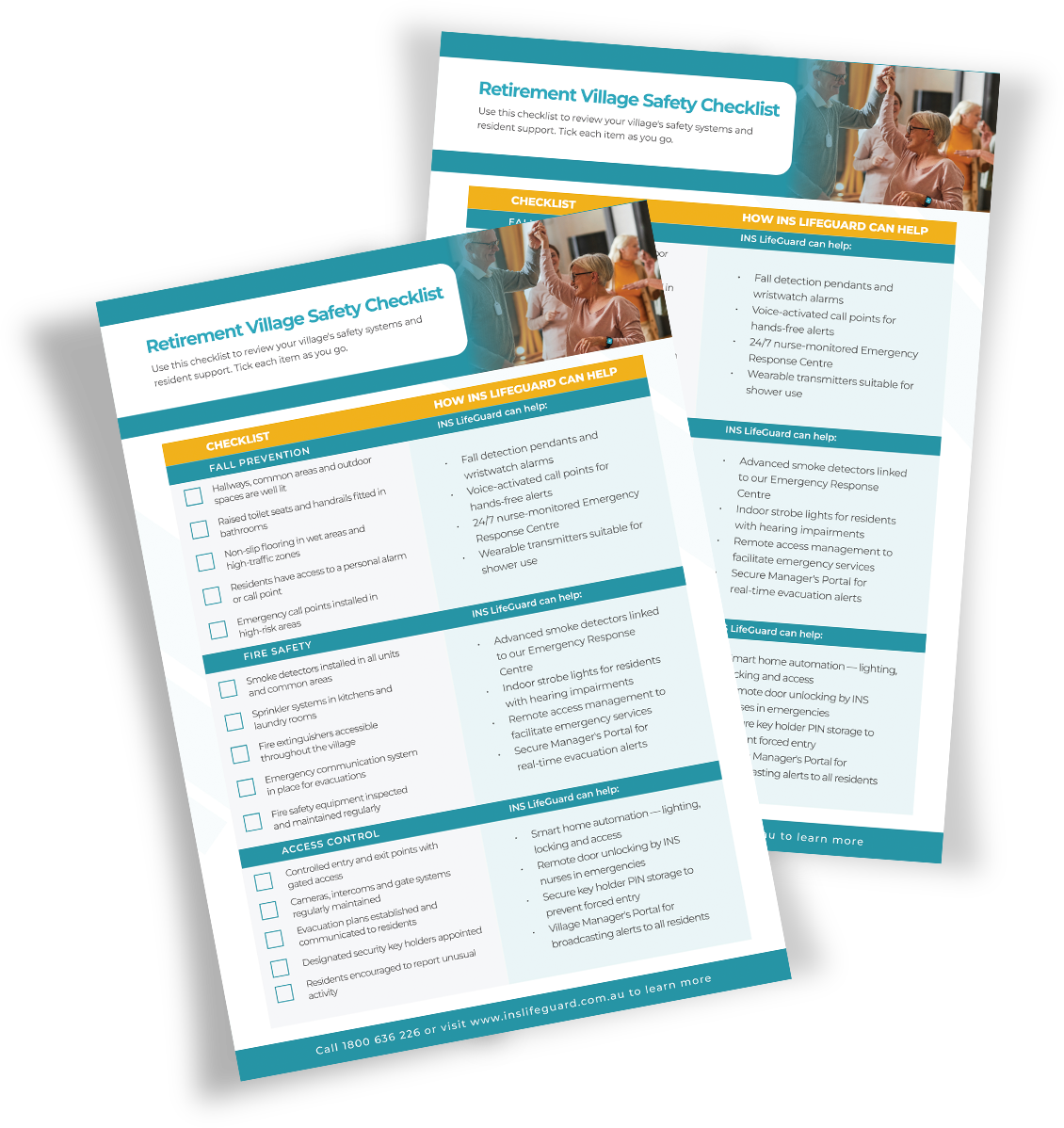
The INS LifeGuard Retirement Village Safety Checklist below also highlights these key areas, including access control, fire safety, fall prevention, medical assistance, and social and mental health support.
1. Improve Access Control and Entry Point Security
A retirement village should feel welcoming, but it also needs clear systems for managing who enters and exits the community.
Controlled access helps protect residents from unauthorised visitors, opportunistic crime and confusion during emergencies. It can also make it easier for staff to identify unusual activity or respond quickly if a resident is missing, unwell or absent for longer than expected.
Practical access control measures may include:
- Controlled entry and exit points
- Visitor sign-in processes
- Secure gates, intercoms or access systems
- Regular maintenance of cameras, gates and entry equipment
- Emergency access procedures for ambulance, fire and police
- Clear processes for contractors and tradespeople
- Encouraging residents to report suspicious activity
Access control should never make residents feel restricted. The goal is to support independence while creating a safer and more accountable environment.
INS LifeGuard can support retirement villages through personal alarm systems, secure emergency access processes, home automation options and Manager Portal communication tools that help operators keep residents informed during safety events.
2. Prioritise Fall Prevention
Falls are one of the most common safety risks for older people, and retirement villages should take a proactive approach to reducing fall hazards.
A fall can happen quickly. Poor lighting, slippery flooring, uneven paths, cluttered walkways or bathrooms without support rails can all increase risk.
Key fall prevention measures include:
- Well-lit hallways, pathways, car parks and common areas
- Non-slip flooring in bathrooms and shared spaces
- Handrails in high-risk areas
- Raised toilet seats where appropriate
- Clear walkways and outdoor paths
- Regular maintenance of uneven surfaces
- Call points in bathrooms and other higher-risk areas
- Wearable personal alarms for residents

Personal alarm systems and retirement living panic buttons are especially important because they allow residents to quickly call for help in the event of a fall. Wearable pendants, wrist alarms and mobile personal alarms can provide reassurance both inside and outside the home.
The INS LifeGuard checklist specifically recommends fall alarms, call points, and wearable transmitters as part of a broader fall-prevention strategy.
3. Strengthen Fire Safety and Emergency Communication
Fire safety is essential in every retirement village.
Residents need to know how they will be alerted, where they should go, who will assist them, and how to contact emergency services. Fire safety planning should be simple, clear and regularly reviewed.
Important fire safety measures include:
- Smoke detectors in residential units and common areas
- Emergency lighting
- Clearly marked evacuation routes
- Accessible fire extinguishers
- Regular inspection of alarms and equipment
- Sprinkler systems in higher-risk areas where appropriate
- A communication system to alert residents quickly
- Clear evacuation support for residents with mobility or health needs
INS LifeGuard’s checklist notes the importance of emergency communication systems and call points, as well as regular inspection and maintenance of fire safety equipment. It also outlines how smoke detectors, strobe lights for hearing-impaired residents and Manager Portal alerts can support timely communication during fire emergencies.
4. Use Personal Alarm Systems and Emergency Call Points
Personal alarm systems are one of the most effective ways to support independent living in a retirement village.
A resident may press their alarm because they have fallen, feel dizzy, are experiencing chest pain, feel unsafe, are confused, or simply know that something is wrong. In those moments, fast access to help matters.
INS LifeGuard’s personal alarm systems can connect residents to a 24/7 Emergency Response Centre staffed by trained emergency responders who are also qualified healthcare professionals, including nurses.
This means residents are not only connected to a response centre. They are connected to people who can assess, reassure, escalate and arrange help based on the situation.
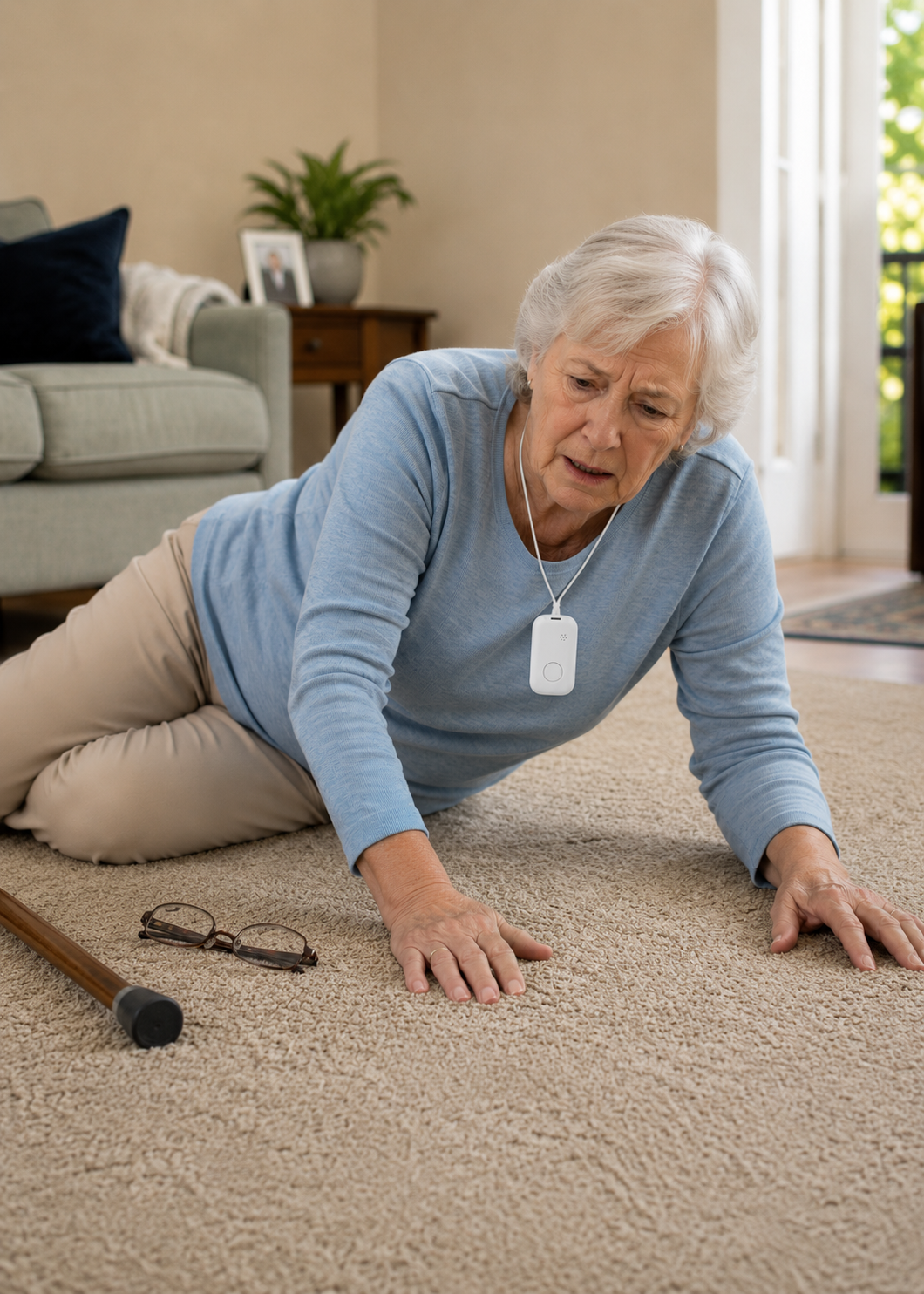
Personal alarm options may include:
- In-home alarm systems
- Wearable pendants
- Wrist-worn transmitters
- Fall detection devices
- Mobile personal alarms
- Call points in shared or high-risk areas
- Telehealth-supported monitoring options
For retirement villages, call points are particularly useful in areas where slips, falls or medical events may be more likely, such as bathrooms, gyms, pools, community rooms and shared facilities.
5. Make Medical Assistance Easy to Access
A strong retirement village safety plan should include more than emergency response. It should also consider how residents access medical support, reassurance and follow-up care.
Residents may need help after a hospital stay, during illness, after a fall, or when they are unsure whether their symptoms are serious.
Medical support measures may include:
- Secure access to relevant medical history
- Updated medication information
- Clear escalation pathways for ambulance or family contacts
- Post-incident welfare checks
- Telehealth support where appropriate
- Nurse-led health information and reassurance
- Support for residents returning home from hospital
INS LifeGuard supports retirement villages with in-home and mobile alarm systems, telehealth services, 24/7 nursing support, welfare checks and a health information and chat line. The checklist also notes that family and caregivers may stay connected with the client through the LifeGuard SmartCarer app, with the client's consent.
This type of support is especially valuable in independent living communities, where residents may live alone but still benefit from an added layer of clinical oversight.
6. Support Social Connection and Mental Wellbeing
Safety is not only physical.
For many older people, isolation, loneliness, grief and anxiety can have a serious impact on wellbeing. A resident may be physically safe but still feel disconnected or unsupported.
Retirement villages can help by creating a community culture where residents feel known, valued and included.
Practical steps include:
- Regular social activities
- Wellbeing check-ins
- Support for new residents settling into the community
- Clear pathways for residents to ask for help
- Staff awareness of signs of isolation or decline
- Encouraging neighbour connection
- Health information and reassurance services
The INS LifeGuard checklist includes social and mental health support as a key safety category, highlighting the importance of prioritising mental health, creating inclusive environments and offering access to nurse support for residents who may be feeling isolated or simply need someone to talk to.
INS LifeGuard’s Nurse-on-Call support can provide reassurance, health guidance and a friendly voice when residents feel alone, uncertain or worried.
7. Maintain Facilities and Respond Quickly to Hazards
Regular maintenance is one of the simplest and most effective ways to improve safety in a retirement village.
Minor hazards can quickly become serious risks for older residents. Loose handrails, uneven paving, poor lighting, faulty gates, worn flooring or damaged intercom systems should be identified and fixed promptly.
A strong maintenance process should include:
- Regular safety inspections
- Clear hazard reporting pathways
- Fast response to urgent repairs
- Routine testing of alarms, lighting and access systems
- Inspection of shared facilities
- Documentation of maintenance activity
- Resident communication when works may affect safety or access
Facilities should be easy for residents to use, safe to move through and maintained to a standard that supports confidence and independence.
8. Create and Review an Emergency Plan
Every retirement village should have a clear emergency plan.
Emergencies may include fire, flood, severe weather, power outages, medical incidents, security events or other unexpected disruptions.
A strong emergency plan should outline:
- How residents will be alerted
- Who coordinates the response
- How emergency services are contacted
- How vulnerable residents are assisted
- Where residents should go during evacuation
- How family members or carers are notified
- How staff are trained
- How often are procedures tested
- How incidents are reviewed afterwards
The plan should not sit in a folder and be forgotten. It should be tested, communicated and updated regularly.
Residents should know what to do, staff should know their responsibilities, and village managers should have systems in place to communicate quickly with individuals, groups or the entire community.
9. Give Village Managers Better Visibility
Village managers need practical tools to understand what is happening across their community.
INS LifeGuard’s Manager Portal is designed to help village and community care managers oversee resident information, communicate updates, generate reports and support care delivery from a centralised hub.
This can help managers:
- View relevant resident or client information
- Send updates to individuals or groups
- Generate reports
- Support safety procedures
- Communicate during emergencies
- Maintain better operational oversight
For families and carers, connected apps can also help them stay informed, receive alerts, update information and monitor supported health information where appropriate and with consent.
This type of visibility is important because safety depends on more than equipment. It depends on timely information, clear communication and coordinated response.
Download the Retirement Village Safety Checklist
A safer retirement village starts with a clear understanding of your current risks, systems and support pathways.
Our Retirement Village Safety Checklist covers five key areas:
- Access control
- Fire safety
- Fall prevention
- Medical assistance
- Social and mental health support
It is designed to help retirement village operators review their current safety measures and identify practical ways to improve resident protection, independence and peace of mind.
How INS LifeGuard Supports Retirement Villages
INS LifeGuard helps retirement villages create safer, more connected independent living environments through reliable alarm technology and 24/7 nurse-led response.
Our services can support:
- Personal alarm systems
- Fall alarms and wearable transmitters
- Call points for shared and high-risk areas
- In-home and mobile alarm systems
- Telehealth support
- 24/7 nurse-led emergency response
- Welfare checks
- Health information and reassurance
- Manager Portal visibility
- Family and carer connection tools
- Emergency communication support
- Security and home automation options
Frequently Asked Questions
What are the most important safety features in a retirement village?
The most important safety features include controlled entry and exit points, good lighting, fall-prevention measures, fire safety systems, emergency communication, personal alarms, call points, medical response pathways, and social well-being support.
A complete safety strategy should protect residents physically while also supporting independence, confidence and connection.
Why are personal alarms important in retirement villages?
Personal alarms give residents a quick and simple way to call for help during a fall, medical episode, safety concern or other emergency.
For retirement village residents living independently, a wearable alarm or in-home alarm can provide reassurance that help is available even when staff, neighbours or family are not nearby.
Where should emergency call points be installed in a retirement village?
Emergency call points are especially useful in higher-risk areas such as bathrooms, gyms, pools, community rooms, laundries, corridors, outdoor paths and other shared facilities.
These areas may have an increased risk of falls or medical emergencies, so having a simple way to call for help can improve response times and residents' confidence.
How can retirement villages reduce fall risks?
Retirement villages can reduce fall risks by improving lighting, installing handrails, using non-slip flooring, keeping walkways clear, maintaining outdoor paths, adding bathroom supports, and providing personal alarms or fall-detection devices.
Regular maintenance and resident education also play an important role.
How can retirement villages support residents who live alone?
Retirement villages can support residents living alone through personal alarms, welfare checks, social activities, nurse-led support, neighbour connection, family communication tools and clear emergency response pathways.
The goal is to support independence while reducing isolation and making help easy to access.
What should be included in a retirement village emergency plan?
A retirement village emergency plan should include procedures for fire, severe weather, power outages, medical emergencies, evacuation, resident communication, staff responsibilities, emergency service contact, support for vulnerable residents and post-incident review.
The plan should be tested and updated regularly.
How does INS LifeGuard help retirement village managers?
INS LifeGuard supports village managers with personal alarm systems, nurse-led monitoring, call points, welfare checks, telehealth support, emergency communication and Manager Portal visibility.
The Manager Portal helps operators oversee information, communicate with residents and generate reports from a centralised hub.
Does INS LifeGuard provide 24/7 support?
Yes. INS LifeGuard’s Emergency Response Centre is staffed 24 hours a day, seven days a week by trained emergency responders who are also qualified healthcare professionals, including nurses.
This gives residents access to support at any time of day or night.
Conclusion
Improving safety and security in a retirement village requires more than one solution.
It takes secure access, well-maintained facilities, fall prevention, fire safety, emergency planning, personal alarms, medical support, social connection, and strong communication among residents, staff, families, and responders.
INS LifeGuard helps retirement villages bring these elements together through nurse-led monitoring, personal alarm systems, call points, telehealth support, welfare checks and manager visibility tools.
For residents, this means greater confidence and independence.
For families, it means reassurance.
For retirement village operators, it means stronger systems, clearer oversight and a trusted partner in resident safety.
Because a safe retirement village is not just one where help is available in an emergency. It is one where residents feel supported every day. To review your current systems, download the Retirement Village Safety Checklist or speak with INS LifeGuard about safety solutions for your community.
Related Articles
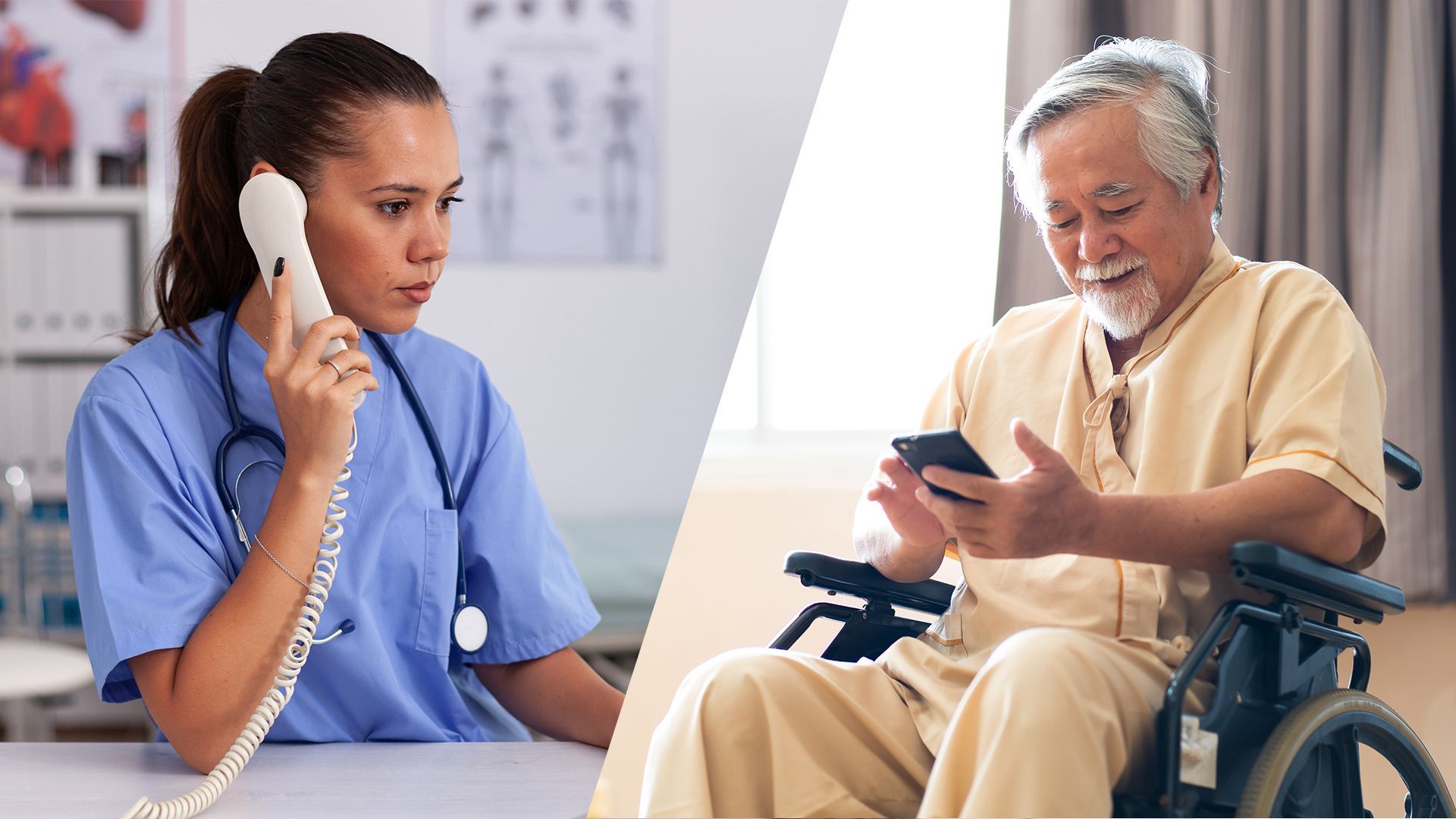
Hospital stays can be stressful, especially when transitioning home or to without the support of an aged care facility. INS LifeGuard provides essential services to help patients leave the hospital safely and confidently, ensuring needed support and ongoing care.

From mammograms to bowel and lung cancer checks, here's what health screening is available in Australia after 50, what it involves, and why it matters.
Uncover if falling asleep after meals is a warning sign for diabetes. Learn about possible symptoms, risk factors, and prevention methods.
About
INS LifeGuard is the only 24/7 nurse on-call personal and medical monitoring in Australia. We provide monitoring technology for both in the home and on the go and can also monitor other provider's equipment. Our services are suitable for anyone wanting support to stay independent such as the elderly, those with medical conditions and disabilities plus enhancing safety and security for lone workers.