
Have a Question?

Why Retirement Villages Choose INS LifeGuard for 24/7 Nurse-Answered Medical Alarms
INS LifeGuard • June 11, 2026

For retirement village operators, choosing medical alarm devices for residents is not just a technology decision. It is a resident safety, compliance, risk management and service quality decision.
Residents and families need confidence that help is available when it matters most. Village managers need a reliable system that supports independent living, provides clear visibility, and connects residents with clinically appropriate support, not just a scripted call-centre response.
That is why many villages choose INS LifeGuard as their retirement village emergency response, medical alarm and personal alarm provider.
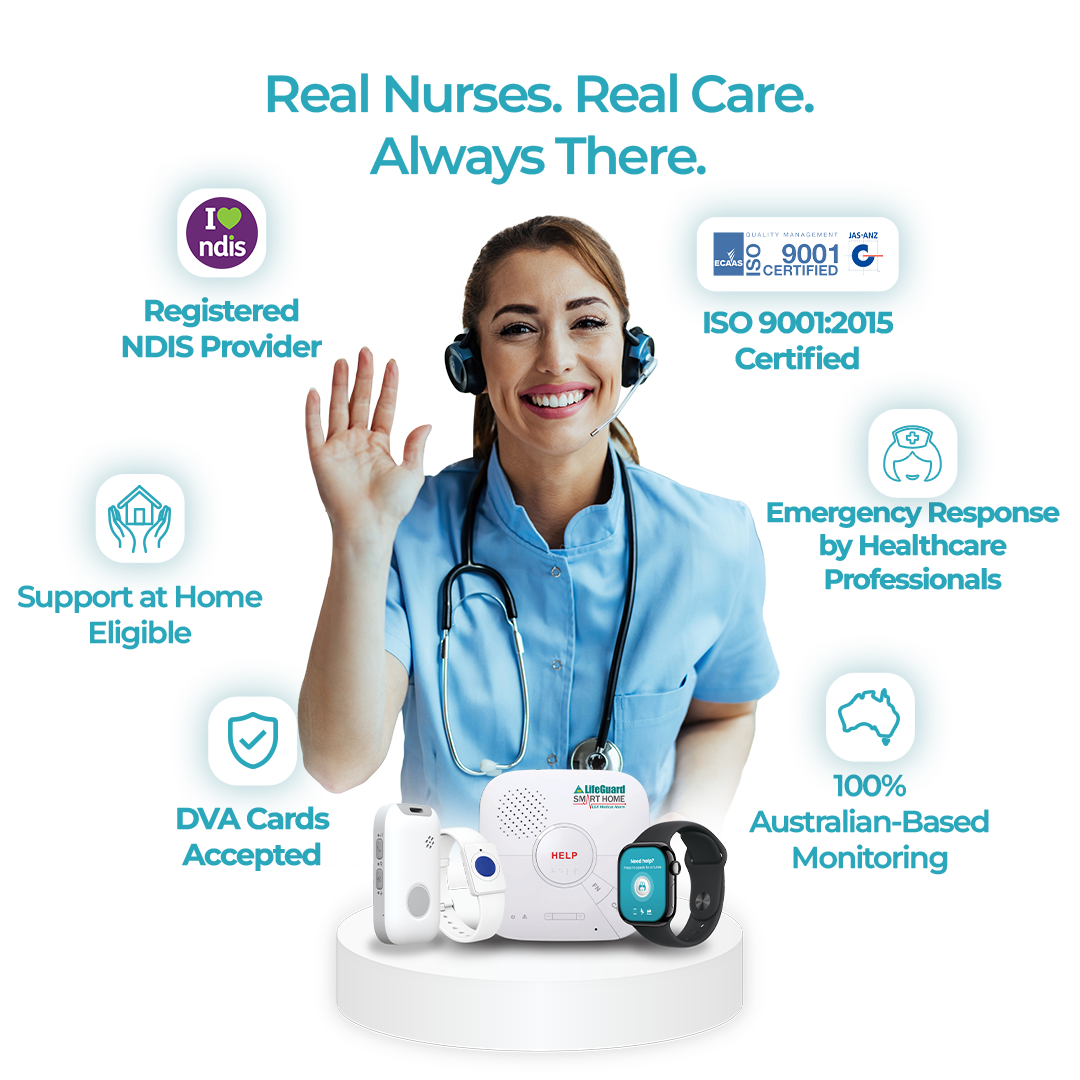
INS LifeGuard combines reliable personal alarm technology with 24/7 nurse-led emergency response, giving residents access to qualified healthcare professionals when they press their emergency button.
What Is a Medical Alarm System?
A medical alarm system, also known as a personal emergency response system, is designed to help residents quickly call for assistance during a medical emergency, fall, safety concern, or other urgent situation.
A typical system may include a base unit, a pendant, a wrist-worn emergency button, or a mobile personal alarm. When activated, the device connects the resident to a 24/7 monitoring centre, so help can be arranged.
For retirement villages and independent living communities, medical alarm systems provide an important layer of protection. They help residents maintain independence while giving families and operators confidence that support is available day and night.
But not all medical alarm systems are the same.
The key difference is not just the device. It is who answers the call, what information they have, and how they respond.
The INS LifeGuard Difference: Nurse-Led Emergency Response
READ VIDEO TRANSCRIPT
Alison: So my name's Alison, I'm one of the enrolled nurses here at INS LifeGuard. I am a medical responder, so I answered all the medical alarms that come into our call centre.
So INS LifeGuard, we hire nurses to be our medical responders. We've all got medical background. So we've got a client on file who is calling up for chest pain, we can look into their history.
Okay, they've got heart related conditions. They've got heart related medications. So we can then pass it on to the ambulance. I've had like a lot of comments.
We also give what's known as a chat call so you can actually call in and talk about medication or a problem.
So, a lot of times I'll say to people because they're scared of pressing their alarm sometimes because they don't think they need an ambulance.
So you can always press it, come to talk to us nurse here on site and we can advise you whether an ambulance is worth it or no. Hold off to your doctor for the next day. But we're not only just a medical alarm company, so we can call the police, we can call fire. We've even had to call snake catchers before.
When someone calls for an ambulance and they get transported, we have what's known as transport follow-up.
So we actually ring them depending on what's happened. But in usually srot of 2-3, maybe 5 days, just depending on what the incident was, just to make sure that they're back home again, make sure we can't help them any further.
We have had instances, especially in this day and age, where the hospitals don't always keep them in too long and we've actually called them to follow up on them and they've actually sounded breathless to us again. So they might have gone in being breathless. And they sound breathless to us again. So out of that, we've gone
"When you sound breathless, how you going?"
"Are you sure you don't need any help?"
And yeah, we've ended up sending them back again.
Many personal alarm providers connect residents to a monitoring centre staffed by call-centre operators.
INS LifeGuard is different.
Our Emergency Response Centre is staffed 24 hours a day, seven days a week by trained emergency responders who are also qualified healthcare professionals, including Registered and Enrolled Nurses.
This means residents are not simply passed through a scripted call process. They can be clinically assessed, reassured, monitored and escalated appropriately when needed.
For retirement village operators, this nurse-led model helps reduce the risk of over-escalation, under-escalation and poor handover during critical incidents.
A comparative overview of emergency response models highlights this key difference: INS LifeGuard provides clinical triage by qualified healthcare professionals, while typical call-centre personal emergency response providers generally rely on scripted decision trees without clinical assessment.
But, why INS LifeGuard?
Well, first of all, we understand the needs of senior living communities. We have been in the medical industry since 1984, and we are committed to providing quality emergency response services that your residents can trust.
Recently a large independent living group commissioned a white paper comparing the various monitoring services and after a comprehensive market analysis, they chose to stay with INS. Their report’s recommendations stated amongst other things:
INS LifeGuard vs Standard Call-Centre Medical Alarm Providers
| Capability | INS LifeGuard Nurse-Led Model | Standard Call-Centre Alarm Provider |
|---|---|---|
| 24/7 monitoring | Staffed by trained emergency responders who are also qualified healthcare professionals, including nurses | Usually staffed by non-clinical call-centre operators |
| Clinical triage | Nurses assess the situation and determine the most appropriate response | Typically follows scripted decision trees |
| Use of resident health information | Medical history, medications, conditions and known risks can support triage and escalation | Limited or no clinical information available |
| Ambulance escalation | An ambulance is arranged when clinically indicated, with a clearer clinical handover | An ambulance may be escalated based on standard scripts or limited information |
| Ongoing monitoring | Resident condition can be monitored during and after an event | Usually limited to initial alarm handling |
| Post-event follow-up | Welfare and recovery checks can be provided where appropriate | Often no structured follow-up once the event is closed |
| Non-emergency support | Nurse-on-Call support, reassurance, health information and welfare checks | Usually limited to emergency alarm response |
| Village manager visibility | Manager Portal with device status, alarm history, response times and reporting | Reporting may be limited or manually requested |
| Technology platform | Digital IP and 4G platform, modular and upgradeable | May rely on mixed or legacy systems |
| Monitoring location | Australian-based monitoring centre in Wollongong, NSW | May vary by provider |
Why Clinical Triage Matters in Retirement Living
In an emergency, every second matters, but so does the quality of the response.
A resident may press their alarm because they have fallen, feel unwell, are experiencing chest pain, are confused, feel unsafe or simply know that something is not right.
A non-clinical call centre may escalate based on limited information and a scripted process. INS LifeGuard’s nurse-led response model allows each event to be assessed by a healthcare professional who can consider the resident’s medical history, medications, known risks and current presentation.
This matters because the right response is not always the same.
Sometimes an ambulance is needed immediately. Sometimes a family member, a village staff member, or a nominated responder may be the most appropriate first point of contact. In other situations, the resident may need reassurance, monitoring, health advice or a welfare check.
When emergency services are required, INS LifeGuard can provide more accurate information and clinical handover to support a timely and appropriate response.
Supporting Residents Before, During and After an Incident
Retirement village safety does not end once an alarm is answered.
INS LifeGuard can continue monitoring a resident’s condition during and after an event. Based on clinical triage, our nurses may escalate, de-escalate or request further responder intervention as the situation evolves.
Where appropriate, INS LifeGuard can also provide post-event welfare and recovery checks to help ensure residents are safe, recuperating, and not deteriorating after an incident.
READ VIDEO TRANSCRIPT
INS LifeGuard Nurse:
Just following up with you to see how you are, since we sent you to the hospital a little over a week ago. How are you doing now?
Client:
I’m okay. I’m much better than last week.
INS LifeGuard Nurse:
Glad to hear you’re doing well. If you need us, you can call or you can use your alarm bell.
Client:
Okay, honey. Thank you so much for calling me, for caring for me.
INS LifeGuard Nurse:
Of course. Absolutely.
Client:
Beautiful. Thank you. Thank you so much.
INS LifeGuard Nurse:
Have a lovely night. Be safe and take care.
Client:
Okay, honey. Thank you.
READ VIDEO TRANSCRIPT
INS LifeGuard Nurse:
Hello. Good afternoon, this is Kristy calling from INS LifeGuard. I’m calling to follow up and see how you’re going. We called you an ambulance on the 11th.
Client:
I’m getting better, but I had pneumonia.
INS LifeGuard Nurse:
Oh, you did? That’s no good. But you’re starting to mend?
Client:
Yeah, I’m on the mend. Anyway, look, I appreciate you checking up on me.
INS LifeGuard Nurse:
No problem at all.
Client:
And the fellow that rang up when the ambulance was coming was excellent.
INS LifeGuard Nurse:
Oh wonderful, that’s great. No problem, I’ll pass that along. Thank you.
Client:
Okay, fine.
This follow-through is especially valuable in independent living environments, where residents may live alone but still need an added layer of clinical support.
More Than Emergency Alarm Handling
READ VIDEO TRANSCRIPT
Alison: We've had a lot of mental health issues though too. We just, where people feel that their family aren't there for 'em, their family don't want them anymore.
Beverly: We do get a few emotional, um, clients that have dementia confusion and, um, our, our support is vital. Uh, in, in, sometimes they just want someone to talk to and we can provide lifeline number and
because we are qualified nurses, we can, um, be qualified to give that emotional and medical support.
Alison: You could have someone dear who's just needs a chat or someone who's it's life threatening.
Sammy: I feel like I've been heard or you are genuinely understanding my pain and empathizing.
You know, it's just, um, you talk with lots of people, you talk about their pain, talk about their medications and this and that, but, um, how many people actually feel like, you know, because I think it gives you a very big mental support as well, you know, like to be heard. Um, I feel like listening is a big part of healing. So I mean like when I'm listening to them, they feel like their emotions are being validated and I'm taking them seriously.
They tell us that it feels so good to know that someone is watching over me and if anything happens, I have someone to help me. It feels great.
Alison: Just the simple comment of, I'm so glad we've got you there 24/7. I'm so glad you're there that we can just ring you or press our button.
I'm so glad you are there that they can stay in their own home. That's the main thing that I get back from the community about INS Lifeguard is, yeah, and they're not bothering their family all, they might be estranged from their family, so for them to be able to press their button and there's someone there.
INS LifeGuard is more than a button that calls for help.
Our nurse-led model also supports residents with non-emergency assistance, including health information, reassurance, welfare checks, medication reminders, social support, and someone to speak with during moments of loneliness, grief or uncertainty.
For residents, this can make the service feel more human.
For families, it provides peace of mind.
For retirement village operators, it supports a safer, more connected independent living environment.
The comparison between emergency response models shows that typical call-centre providers are often limited to handling emergency alarms, whereas INS LifeGuard includes broader Nurse-on-Call support and follow-up services.
Visibility and Oversight for Village Managers
Retirement village operators need clear information about how their emergency response systems are performing.
INS LifeGuard supports village managers with practical oversight tools, including a Manager Portal that provides visibility over device status, alarm history, response times, compliance reporting and operational activity.
This helps operators monitor system performance, identify issues early and reduce reliance on manual reporting or fragmented communication.
For retirement villages, this level of visibility can support stronger governance, clearer accountability and better day-to-day operational confidence.
Built for Modern Retirement Living
Many retirement villages are now moving away from ageing legacy systems and towards digital, future-ready emergency response platforms.
INS LifeGuard’s technology platform is fully digital, IP- and 4G-enabled, modular, and upgradeable. It is designed to integrate with the broader monitoring and care ecosystem, giving retirement village operators one provider and one point of responsibility.
This matters because fragmented systems can create confusion. When hardware, monitoring, reporting and support are split between multiple providers, accountability can become unclear.
INS LifeGuard provides a more complete model by combining technology, monitoring, and nurse-led response services into a single connected solution.
Supporting Individual Residents and Shared Community Spaces
Retirement villages are not made up solely of private dwellings.
Residents also use shared facilities such as bathrooms, gyms, pools, clubhouses, gardens and common areas. These spaces also need appropriate safety coverage.
INS LifeGuard can support both individual residences and shared community facilities, helping operators create a more comprehensive safety environment across the village.
This is important because incidents do not only happen inside the home. Falls, medical episodes and safety concerns can occur anywhere residents spend time.
Compliance, Quality and Service Resilience
Retirement village operators need confidence that their medical alarm system is reliable, compliant and resilient.
INS LifeGuard operates in line with the requirements of AS 4607 Personal Emergency Response Systems, which cover key areas such as emergency response performance, monitoring operations, power resilience, redundancy, and service continuity.
INS LifeGuard also maintains an ISO 9001-aligned Quality Management System, supporting structured governance, risk management, continuous improvement, staff training and consistent service delivery.
In addition, INS LifeGuard is a member of PERSL, the Personal Emergency Response Services Limited association, which promotes best-practice standards for emergency response providers in Australia.
For operators, this provides confidence that resident safety is supported by strong governance, quality processes and an established emergency response framework.
Reliable Monitoring, Backed by Redundancy
A medical alarm system must be ready when residents need it.
INS LifeGuard’s monitoring operations are supported by multiple layers of redundancy, including power backup, telecommunications failover, system resilience, staffing continuity and operational failover processes.
The system is designed to support continuity of service during outages, disruptions or major incidents.
For retirement village operators, this reduces operational risk and builds confidence that residents can continue to access help when it matters most.
Australian-Based Monitoring
INS LifeGuard’s monitoring centre is based in Wollongong, New South Wales.
This gives retirement village operators and residents confidence that calls are handled locally by an Australian-based team that understands the needs of Australian seniors, healthcare systems, families and emergency services.
For many operators, local monitoring is an important consideration when assessing resident safety, privacy, responsiveness and service quality.
Why Retirement Village Operators Choose INS LifeGuard
Retirement village operators choose INS LifeGuard because our service is designed around more than alarm activation.
It is designed around resident wellbeing, clinical response, operational visibility and long-term reliability.
INS LifeGuard supports retirement villages with:
- 24/7 monitoring by qualified healthcare professionals, including nurses
- Clinical triage rather than scripted call handling
- Access to resident medical information to support an informed response
- Appropriate escalation to emergency services, responders or family
- Clinical handover when ambulance attendance is required
- Post-event welfare and recovery checks were appropriate
- Nurse-on-Call support for non-emergency concerns
- Australian-based monitoring in Wollongong, NSW
- Digital IP and 4G technology
- Manager Portal visibility for village operators
- Support for individual residences and shared facilities
- AS 4607-aligned service delivery
- ISO 9001-aligned quality management
- PERSL membership and best-practice standards
- A single provider model with clearer accountability
For retirement living providers, these differences can help reduce clinical, reputational and escalation risk compared with non-clinical call-centre-based models.
Future-Ready Monitoring, Supported by Smarter Technology
Technology is changing quickly, and retirement village operators need systems that can evolve with resident needs.
INS LifeGuard continues to invest in smarter systems that support faster, better-informed emergency response.
Our approach to innovation is simple: technology should support clinical care, not replace it.
As artificial intelligence becomes more common in healthcare and safety technology, INS LifeGuard’s position remains clear:
AI assists, the nurse decides.
This means technology may help our team access information faster, identify risks earlier and improve response workflows, but clinical judgement remains in human hands.
INS LifeGuard’s AI strategy reinforces this principle, focusing on ways AI can support nurses rather than replace them. This includes ideas such as call note-taking, smarter rostering, protocol assistance, live-call information support, and predictive risk insights, all while nurses remain accountable for decisions.
For retirement villages, this means future-ready monitoring without losing the human care and clinical judgement residents rely on.
A Proven Partner for Retirement Living
INS LifeGuard has been part of the medical and emergency response industry since 1984.
Over that time, the needs of retirement villages have changed. Technology has evolved. Residents are living independently for longer. Families expect greater visibility and reassurance. Operators need stronger systems, clearer accountability and reliable support.
INS LifeGuard continues to meet those needs by combining trusted personal alarm technology with a nurse-led response model designed for modern retirement living.
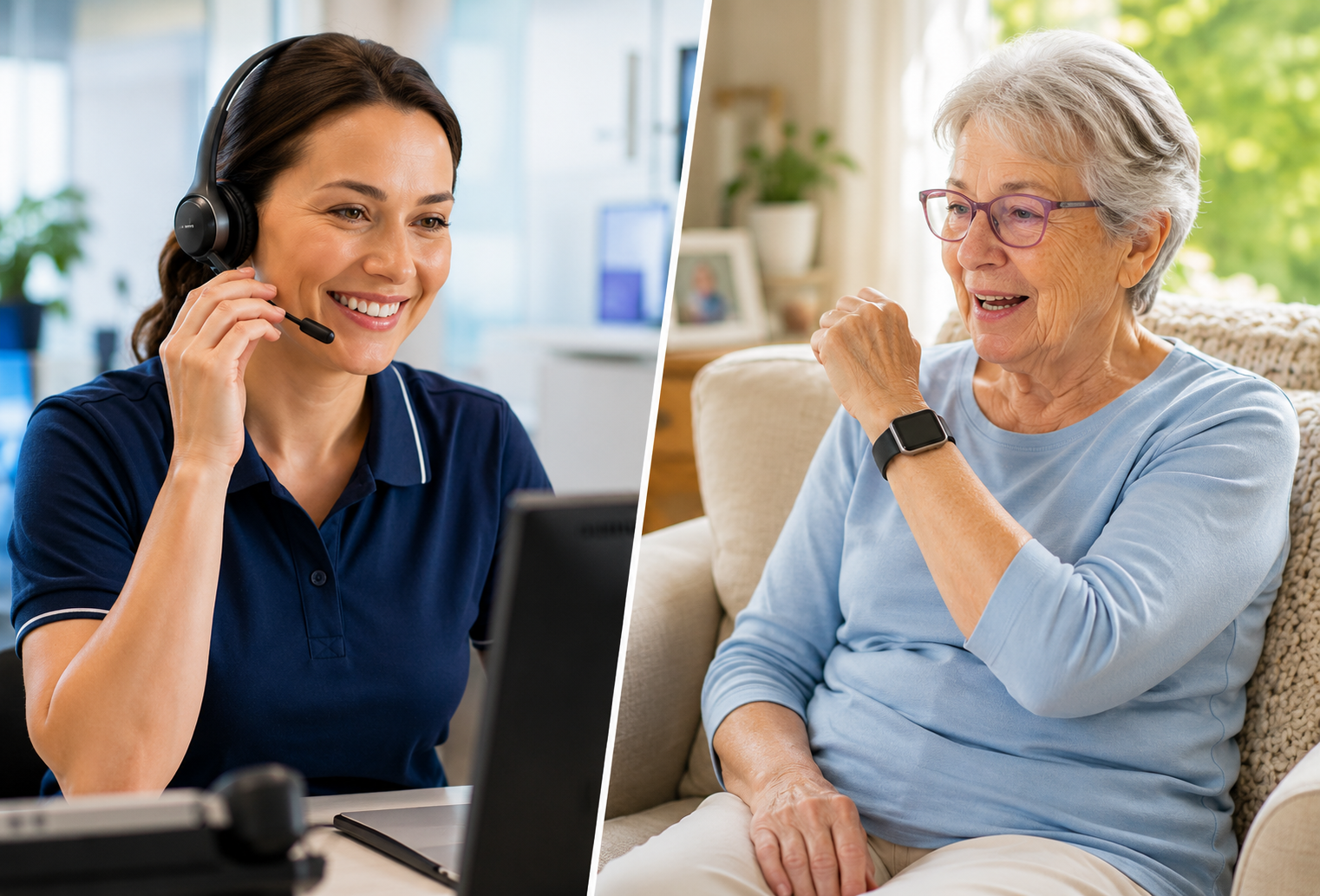
Recently, a large independent living group commissioned a white paper comparing various monitoring services. After a comprehensive market analysis, they chose to stay with INS LifeGuard.
Their report highlighted INS LifeGuard’s 4G intercom technology, reliable systems, familiar monitoring service, nurse-led response model and best-in-class response times. It also noted that no other supplier’s emergency call centre provided nurses as the first point of contact.
One of the report’s strongest conclusions was that, in an emergency where every second may count, this clinical distinction made it difficult to recommend any other supplier.
Frequently Asked Questions
What is the best medical alarm system for retirement villages?
The best medical alarm system for a retirement village is one that combines reliable alarm technology with 24/7 professional monitoring, clear escalation processes, compliance support and strong visibility for village managers.
INS LifeGuard is designed specifically for retirement and independent living environments, with nurse-led monitoring, clinical triage, Australian-based response, digital IP and 4G technology, and Manager Portal visibility for operators.
How is INS LifeGuard different from a standard personal alarm provider?
Many standard personal alarm providers connect residents to a non-clinical call centre where operators follow scripted workflows.
INS LifeGuard’s Emergency Response Centre is staffed 24/7 by trained emergency responders who are also qualified healthcare professionals, including nurses. This means residents can be clinically assessed, reassured, monitored and escalated appropriately when needed.
Do INS LifeGuard alarms connect residents to nurses?
Yes. INS LifeGuard provides 24/7 nurse-led monitoring. When a resident activates their alarm, they can be connected to qualified healthcare professionals who can assess the situation and arrange the most appropriate response.
This may include contacting emergency services, notifying family or responders, monitoring the resident’s condition, or providing reassurance and support.
Why does nurse-led monitoring matter in a retirement village?
Nurse-led monitoring matters because not every alarm event requires the same response.
A resident may press their alarm for a fall, chest pain, dizziness, confusion, illness, anxiety, a safety concern, or simply because something does not feel right. A nurse-response model allows the situation to be clinically assessed rather than handled only through a scripted call-centre process.
Does INS LifeGuard automatically call an ambulance?
Not always. INS LifeGuard arranges ambulance support when it is clinically indicated.
Because calls are handled by qualified healthcare professionals, the response can be based on the resident’s condition, known risks, medical history and the situation at the time. When ambulance attendance is required, INS LifeGuard can provide clearer clinical handover to emergency responders.
What happens after a resident has an emergency?
INS LifeGuard can continue to monitor the resident during and after an event. Where appropriate, post-event welfare and recovery checks can be provided to help ensure the resident is safe, recovering and not deteriorating after the incident.
This follow-up is one of the key differences between INS LifeGuard’s nurse-led model and standard call-centre alarm handling.
Can INS LifeGuard support residents who live independently?
Yes. INS LifeGuard is designed to support people living independently, including residents in retirement villages and independent living communities.
The service gives residents access to help at the press of a button, while also supporting families and village operators with added reassurance, clinical oversight and response coordination.
Does INS LifeGuard support shared areas in retirement villages?
Yes. INS LifeGuard can support safety coverage across individual residences and shared community facilities, including common areas, bathrooms, gyms, pools and other village spaces.
This helps retirement village operators create a more comprehensive safety environment, not just alarm coverage inside individual homes.
Does INS LifeGuard provide reporting for village managers?
Yes. INS LifeGuard provides village managers with visibility via a Manager Portal that includes device status, alarm history, response times, compliance reporting, and operational oversight.
This helps operators monitor system performance and maintain clearer visibility across their community.
Is INS LifeGuard Australian-based?
Yes. INS LifeGuard’s monitoring centre is based in Wollongong, New South Wales.
For retirement village operators and residents, this means calls are handled locally by an Australian-based team familiar with Australian healthcare systems, emergency services and community expectations.
Is INS LifeGuard compliant with personal emergency response standards?
INS LifeGuard operates in line with the requirements of AS 4607 Personal Emergency Response Systems, which cover emergency response performance, monitoring operations, power resilience, redundancy, and service continuity.
INS LifeGuard also maintains an ISO 9001-aligned Quality Management System and is a member of PERSL, supporting best-practice standards for emergency response providers in Australia.
Is INS LifeGuard suitable for retirement village operators looking to upgrade old alarm systems?
Yes. INS LifeGuard is well-suited to retirement villages looking to upgrade ageing or legacy alarm systems.
Its digital IP and 4G platform is modular, upgradeable and designed to integrate with the broader monitoring and care ecosystem. This gives operators a more future-ready model, with a single provider responsible for technology, monitoring, and response.
Does INS LifeGuard use AI in medical alarm monitoring?
INS LifeGuard’s approach to AI is focused on supporting nurses, not replacing them.
The guiding principle is: AI assists, the nurse decides. This means technology may help with faster access to information, call notes, workflow support, quality review or future risk insights, while clinical judgement remains in human hands.
Will AI replace nurses in emergency response?
No. INS LifeGuard’s position is that AI should support clinical care, not replace it.
For emergency response, human judgment remains essential. AI may assist by enabling nurses to work faster and access relevant information, but the nurse remains accountable for assessment, escalation, and decision-making.
Why do retirement villages choose INS LifeGuard?
Retirement villages choose INS LifeGuard because it offers more than a standard alarm response.
The service combines 24/7 nurse-led monitoring, clinical triage, Australian-based response, post-event follow-up, digital technology, compliance support, village manager visibility, and a single-provider model with clearer accountability.
For operators, this supports resident safety, operational confidence and reduced clinical, escalation and reputational risk.
Conclusion
For retirement villages, choosing a medical alarm system is about far more than installing devices.
It is about choosing a response partner that residents can trust.
INS LifeGuard provides retirement village operators with a nurse-led, clinically informed, Australian-based medical alarm monitoring service designed to support independent living, resident safety and operational confidence.
With 24/7 nurse-led monitoring, clinical triage, modern digital technology, compliance-focused systems, post-event follow-up and ongoing support, INS LifeGuard is a trusted choice for retirement villages seeking more than a standard call-centre alarm service.
Because when a resident presses their emergency button, they deserve more than a response.
They deserve the right response.
Related Articles
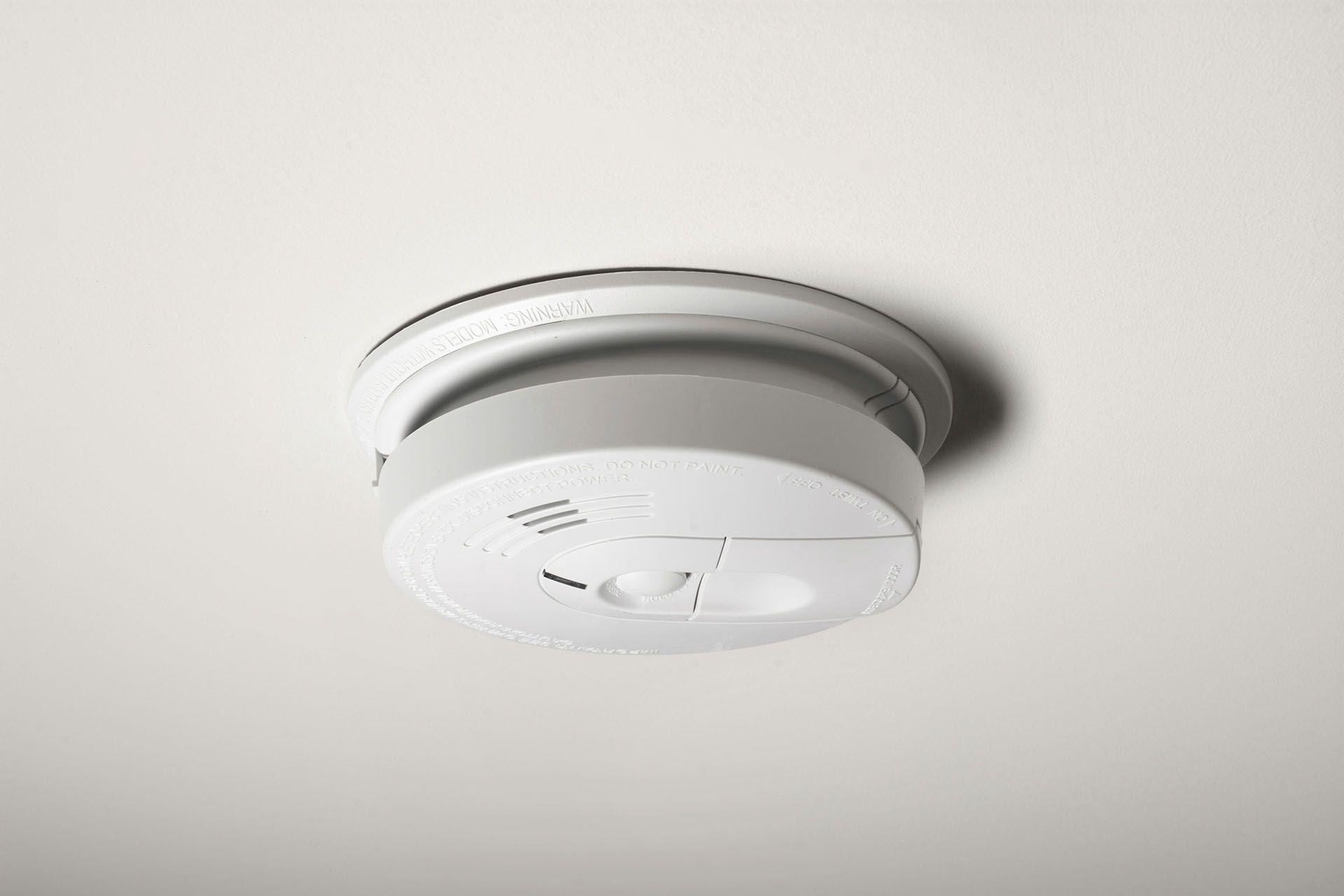
What interconnected smoke alarm rules mean for your home, including Queensland's 2027 deadline, and how a monitored smoke detector adds 24/7 protection.
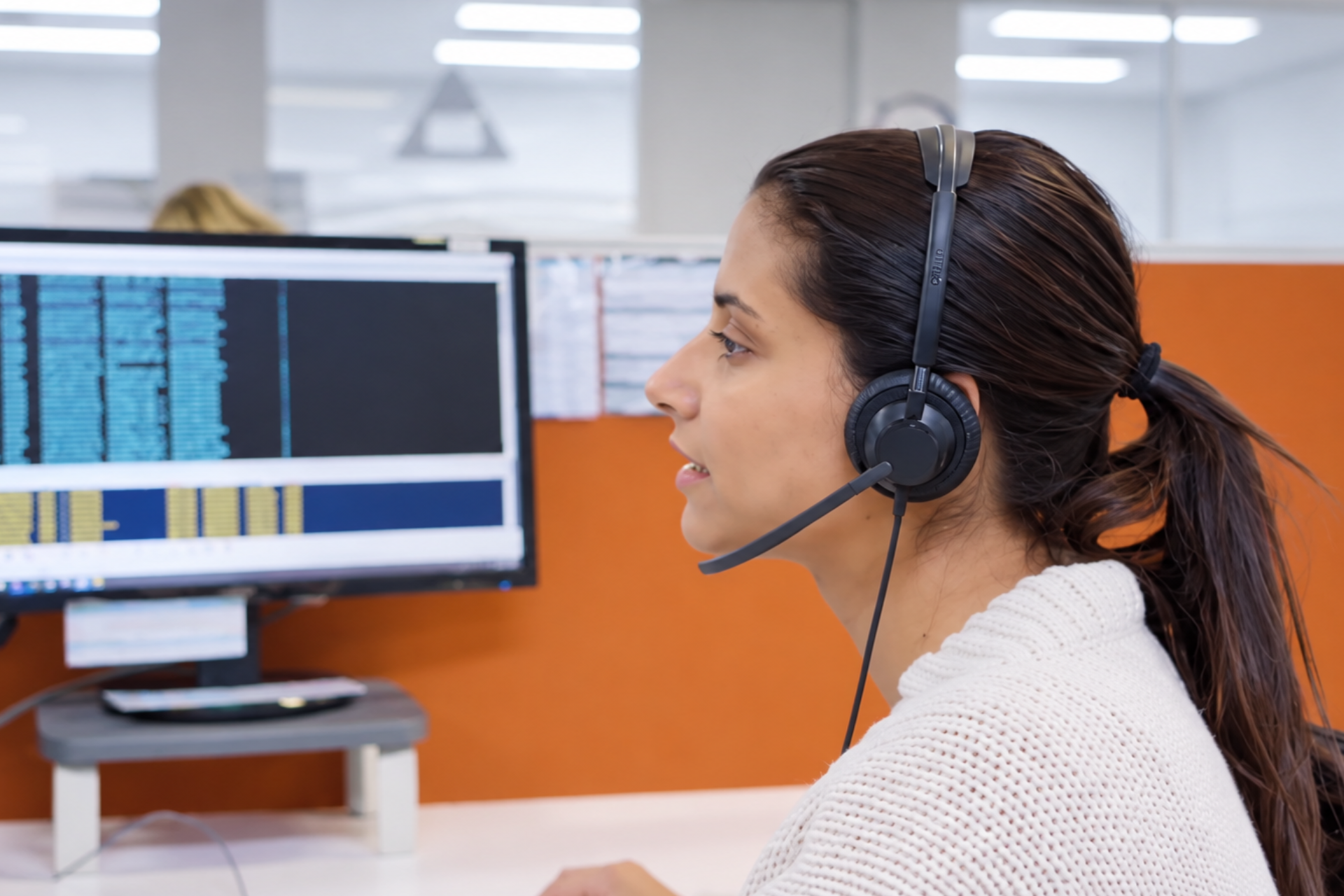
Already have a personal alarm? INS LifeGuard can monitor most alarms, including other providers', with 24/7 nurse-led support. Check if yours can connect.

Find out who qualifies for the Commonwealth Seniors Health Card, the current income limits, the benefits and how to apply in Australia.
About
INS LifeGuard is the only 24/7 nurse on-call personal and medical monitoring in Australia. We provide monitoring technology for both in the home and on the go and can also monitor other provider's equipment. Our services are suitable for anyone wanting support to stay independent such as the elderly, those with medical conditions and disabilities plus enhancing safety and security for lone workers.