
Have a Question?

AI and Personal Alarms: Why the Future Still Needs a Nurse
INS LifeGuard • June 11, 2026

Artificial intelligence is changing almost every part of healthcare, safety technology and personal monitoring.
For seniors, families, retirement villages and people living independently, this creates an important question:
Can AI make personal alarms safer, smarter and more proactive?
At INS LifeGuard, we believe the answer is yes, but only when AI supports qualified people, not replaces them.
That is why our approach is simple:
AI assists, the nurse decides.
Technology can help identify patterns, organise information, reduce administration and support faster response. But in a real emergency, human judgment still matters. A distressed voice, a change in breathing, confusion after a fall, and uncertainty about whether to call an ambulance are situations where clinical experience and compassion are essential.
That is where INS LifeGuard is different.
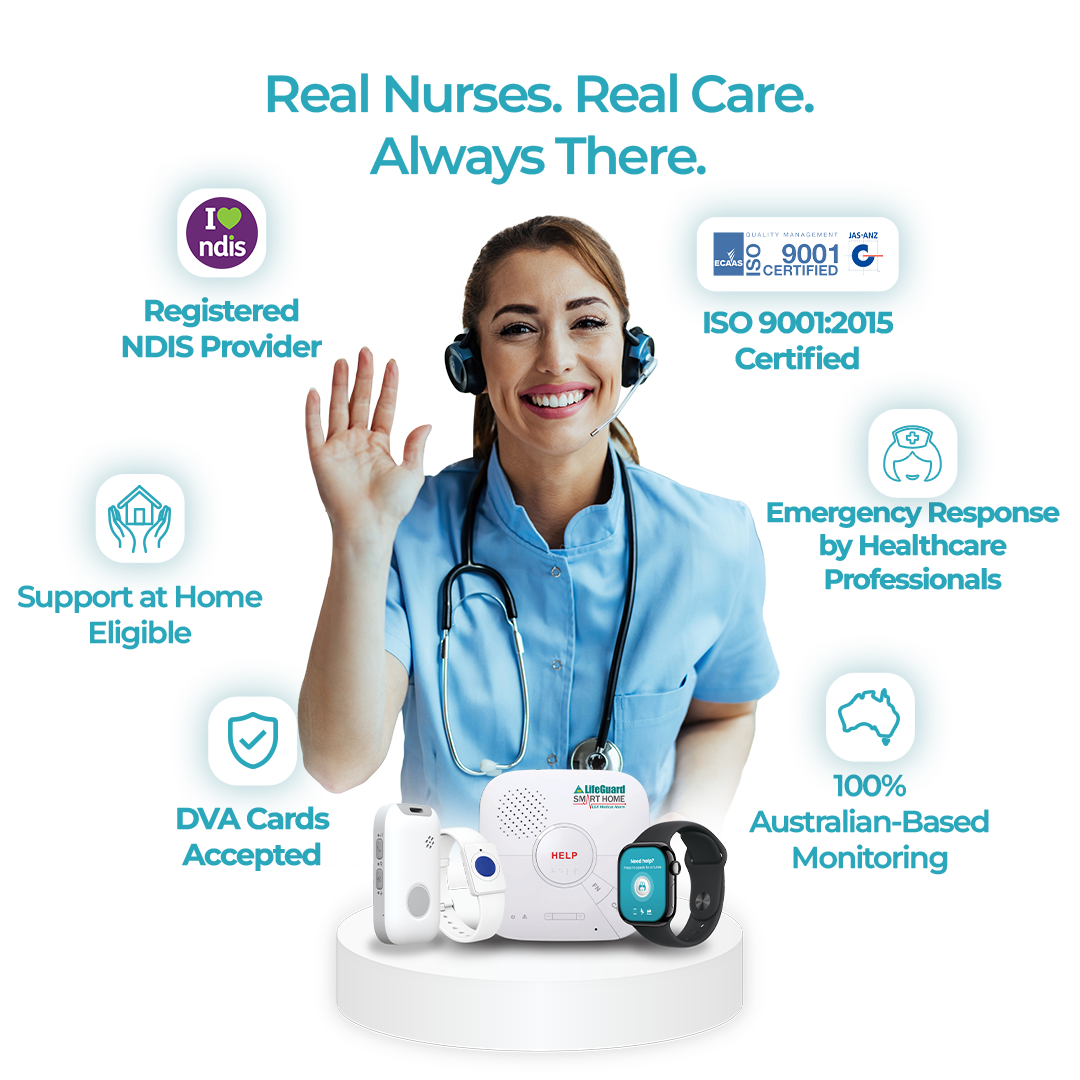
Our 24/7 personal alarm Emergency Response Centre is staffed by trained emergency responders who are also qualified healthcare professionals, including Registered and Enrolled Nurses. AI may help make that response faster and better informed, but the nurse remains at the centre of care.
Why AI Matters in Personal Alarm Monitoring
Traditional personal alarms are usually reactive.
A person presses a button.
An alert goes to a monitoring centre.
Someone responds.
That model is important, and it saves lives. But it also has limitations.
What happens if someone falls and cannot press the button?
What happens if they are unwell but do not realise how quickly they are deteriorating?
What happens if a family member notices something is wrong only after days of unusual behaviour?
What happens if a monitoring team is handling multiple alarms and needs the right information immediately?
This is where AI has real potential.
AI can help personal alarm monitoring move from simply responding after something happens to identifying early warning signs, supporting nurses with better information and helping teams act sooner.
INS LifeGuard’s internal AI strategy identifies a clear opportunity for personal alarms to become more predictive and personalised for example, noticing changes in walking steadiness, unusual quietness or changes in health trends before a crisis occurs.
The Problem With “Smart” Devices Alone
Many devices now include features such as fall detection, heart rate tracking, movement monitoring, and emergency alerts.
Smartwatches, mobile phones, and wearable devices have made this technology more common. But sensors alone are not enough.
A device may detect a fall, but it cannot always understand the full situation.
Is the person injured?
Are they confused?
Are they alone?
Do they have a history of stroke, heart disease, diabetes or falls?
Are they taking medication that increases the risk?
Do they need an ambulance, a family member, a village responder or reassurance from a nurse?
That is why INS LifeGuard does not see the future as “AI instead of people.”
We see the future as smarter technology connected to a qualified clinical response.
The real difference is not just what the device detects. It is what happens next.
AI Assists, the Nurse Decides
This is the principle behind INS LifeGuard’s approach to AI.
AI assists, the nurse decides.
AI can help organise information, highlight changes and reduce repetitive tasks. It can help nurses access care notes faster, summarise call information, support rostering and identify patterns that may deserve attention.
But AI should not replace clinical judgement.
INS LifeGuard’s AI planning clearly separates helpful AI support from unsafe automation. AI may look things up, summarise, draft or flag information for a nurse. The nurse remains responsible for assessment, escalation and decision-making.
This matters because emergency response is not just a technical process. It is a human one.
People calling for help may be frightened, breathless, confused, in pain or unable to explain what has happened clearly. A nurse can listen for more than words. They can assess tone, distress, medical context and risk.
AI can support that process, but it should not take over.
How AI Could Support Safer Personal Alarm Monitoring
AI has the greatest value when it helps the response team work faster, identify risks earlier and spend more time caring for people.
At INS LifeGuard, this may include several areas.
1. Fall-Risk Insights
A fall often appears sudden, but the risk may build over time.
Someone may begin walking more slowly. Their balance may change. Their daily movement may be reduced. They may become less steady without realising it.
AI-supported monitoring could help identify these changes earlier.
For example, if walking steadiness has declined over several weeks, the system may prompt a nurse-led check-in before a fall occurs.
This shifts the focus from:
“You fell — now we respond.”
to:
“We noticed a change — let’s check in before something happens.”
INS LifeGuard’s AI strategy identifies fall-risk insight as one of the strongest starting points for future product development, particularly because phone-based walking steadiness data may already be available for some users.
2. Quiet Day Alerts
One of the biggest risks for people living independently is not always a dramatic emergency.
Sometimes the warning sign is silence.
A person may be unusually inactive because they are unwell, confused, dehydrated, in pain, on the floor or simply not coping.
A quiet day alert could help identify when someone’s normal pattern has changed.
For example:
“Jean has had much less movement than usual today. Would you like us to check in?”
This type of alert could be valuable for families, carers and retirement village operators because it focuses on the moments when a person may not press their alarm.
INS LifeGuard’s AI report identifies “Quiet Day Alert” as a high-value opportunity because it may help detect silent emergencies where the button is never pressed.
3. Health Trend Monitoring
Sometimes the body shows signs of illness before the person feels seriously unwell.
Changes in resting heart rate, sleep patterns, movement or activity may suggest that something is changing.
AI may help identify trends over time rather than reacting to a single reading.
For example:
“Your resting heart rate has been higher than usual for several days. It may be worth speaking with a nurse or your GP.”
This would not be a diagnosis. It would be a prompt for human follow-up.
That distinction matters.
AI should not tell someone they have a medical condition. But it may help identify when a nurse-led conversation or GP review could be worthwhile.
4. Faster Access to the Right Information
In an emergency, nurses need accurate information quickly.
A resident’s medical history, medications, known risks, recent events and care instructions may all affect the response.
AI can help deliver that information to the nurse more quickly.
Instead of searching across systems, a nurse may be presented with the most relevant information at the moment the call connects.
This could support faster, better-informed responses while still keeping the nurse in control.
INS LifeGuard’s AI planning includes “live-call copilot” concepts where the system shows relevant facts, such as care plans, medications, recent events and procedures, without making the decision for the nurse.
5. Reducing Administration for Nurses
Nurses should spend as much time as possible helping people, not completing repetitive paperwork.
AI can assist by drafting call notes after an interaction. The nurse can then review, correct and approve the note.
This does not remove accountability. The nurse still owns the record.
But it can reduce administrative work, improve consistency, and free up more time for care.

INS LifeGuard’s AI report identifies call note-taking as one of the most practical early opportunities, as it is a proven, low-risk way to support clinical teams during the nurse's review and sign-off on the final record.
6. Smarter Rostering and Demand Planning
Emergency response centres need the right number of staff available at the right times.
Too few staff can increase pressure during busy periods. Too many staff can create unnecessary costs.
AI can forecast call demand based on historical patterns, enabling managers to plan safer rosters with appropriate buffers.
This type of AI does not make clinical decisions. It simply helps the organisation prepare better.
The INS LifeGuard AI strategy identifies demand forecasting and smarter rostering as strong early operational use cases because they use existing call-volume data and do not require patient data to be effective.
7. Better Training and Quality Review
In many response centres, only a small sample of calls may be reviewed for quality.
AI could help review a much larger number of calls against approved checklists, helping identify training opportunities, missed steps or areas where staff may need support.
Used properly, this should not be about surveillance. It should be about coaching, consistency and safety.
For retirement village operators and families, this type of quality assurance can support greater confidence in the service.
The important safeguard is that AI should review against clear procedures, with human oversight and appropriate consent.
Why AI Cannot Replace Human Emergency Response
AI can be powerful, but it has limits.
It may mishear speech.
It may cause distress.
It may fail to recognise context.
It may not know what matters clinically unless a qualified person interprets it.
It may struggle with elderly, breathless, accented or distressed voices.
That is why INS LifeGuard’s approach keeps nurses at the centre.
Emergency response often involves uncertainty. A person may not be able to explain what has happened. They may be frightened or confused. They may say they are fine when they are not. They may minimise symptoms because they do not want to be a burden.
A nurse can ask better questions, listen carefully and make a clinically informed judgement.
AI can support the nurse.
It should not replace the nurse.
What This Means for Seniors and Families
For seniors and families, AI-supported monitoring could mean more reassurance and earlier support.
It may help identify changes that would otherwise go unnoticed. It may help nurses respond faster. It may reduce the chance of important information being missed. It may give families greater confidence that their loved one is being supported, even during quiet moments when no alarm has been pressed.
But the most important reassurance is this:
INS LifeGuard is not moving towards a model where vulnerable people are left speaking only to machines.
Our focus is on combining smarter technology with human care.
The future of personal alarms should feel more personal, not less.
What This Means for Retirement Villages
For retirement village operators, AI-supported monitoring may help strengthen resident safety, operational visibility and risk management.
Future-ready monitoring could help identify emerging risks, support more efficient response workflows and provide better information to nurses during alarm events.
But the value of AI is strongest when it sits behind a clinically led service model.
A standard call-centre model may use technology to process alerts. INS LifeGuard’s model uses technology to support qualified healthcare professionals who can assess, reassure, escalate and follow up.
This is particularly important in retirement living, where residents may have complex health histories, multiple medications and varying levels of independence.
AI may help the system become smarter.
The nurse-led response makes it safer.
Keeping AI Safe, Private and Accountable
INS LifeGuard’s AI approach is guided by safety, privacy and governance.
Key principles include:
Human oversight: AI supports nurses but does not replace clinical judgement.
Clinical accountability: Nurses remain responsible for assessment, escalation and decision-making.
Australian data handling: INS LifeGuard’s AI strategy reinforces the importance of keeping data in Australia and avoiding offshore handling.
Clear consent: People should understand when calls or information may be recorded, reviewed or analysed to improve service quality.
Careful rollout: More sensitive AI features, such as predictive risk or false-alarm prioritisation, require careful testing, governance and regulatory consideration before live use.
This approach protects the most important part of the service: trust.
AI Is Not the Differentiator on Its Own
Many companies will eventually claim to use AI.
That alone is not enough.
The real question is:
Who is the AI supporting?
At INS LifeGuard, AI supports nurses, emergency responders, residents, families and village operators.
It is not being used to remove people from care. It is being used to help the right people act sooner, with better information.
That is the difference.
A sensor can detect movement.
AI can identify patterns.
But a nurse can understand the person.
The Future of Personal Alarms Is Predictive, Personal and Human
The next generation of personal alarm monitoring will not only be about pressing a button after something goes wrong.
It will be about noticing changes earlier.
It will be about identifying risk before a crisis.
It will be about helping nurses respond faster.
It will be about giving families and retirement village operators more confidence.
But most importantly, it will be about keeping care, human.
At INS LifeGuard, we believe the future of personal alarms is not about AI replacing nurses.
It is AI supporting nurses.
Because when someone is frightened, unwell, injured or alone, they do not just need a device.
They need a person who can listen, understand and act.
AI assists. The nurse decides.
Frequently Asked Questions
Does INS LifeGuard use AI in personal alarm monitoring?
INS LifeGuard is exploring and developing AI-supported tools that can assist nurses and improve monitoring workflows. The focus is on helping nurses access information faster, reduce administrative work, identify trends, and support safer responses.
The guiding principle is: AI assists, the nurse decides.
Will AI replace nurses at INS LifeGuard?
No. INS LifeGuard’s position is that AI should support nurses, not replace them.
AI may help with summaries, alerts, workflow support and information retrieval, but clinical judgement remains with qualified healthcare professionals.
How can AI make personal alarms safer?
AI may help by identifying changes in movement, activity or health trends, supporting faster access to resident information, reducing paperwork and helping response teams prepare for busy periods.
This can support earlier intervention and better-informed response when combined with nurse-led monitoring.
What is a quiet day alert?
A quiet day alert is a potential AI-supported feature that identifies when someone’s activity is much lower than usual.
This may help detect situations where a person is unwell, confused, on the floor or not following their normal daily routine, even if they have not pressed their alarm.
Can AI predict falls?
AI may help identify changes associated with increased fall risk, such as reduced walking steadiness or altered movement patterns.
It should not be treated as a guarantee that a fall will or will not happen. Instead, it can help prompt earlier check-ins, conversations and preventive support.
Why is nurse-led monitoring important if AI is available?
AI can identify patterns, but nurses can understand people.
A nurse can assess symptoms, listen for distress, consider medical history, ask questions, provide reassurance and decide whether emergency escalation is needed.
This human judgement is especially important for seniors, people with health conditions and residents in independent living communities.
Is AI safe for elderly personal alarm users?
AI can be helpful when used carefully, with human oversight, clear consent, privacy protections, and clinical governance.
INS LifeGuard’s approach is designed around safety: AI supports the nurse, but the nurse remains responsible for decisions.
Can AI help retirement villages manage resident safety?
Yes, AI-supported systems may help retirement village operators by improving visibility, identifying early warning signs, supporting response workflows and helping clinical teams access the right information faster.
The strongest model is AI combined with nurse-led monitoring, not AI alone.
Related Articles
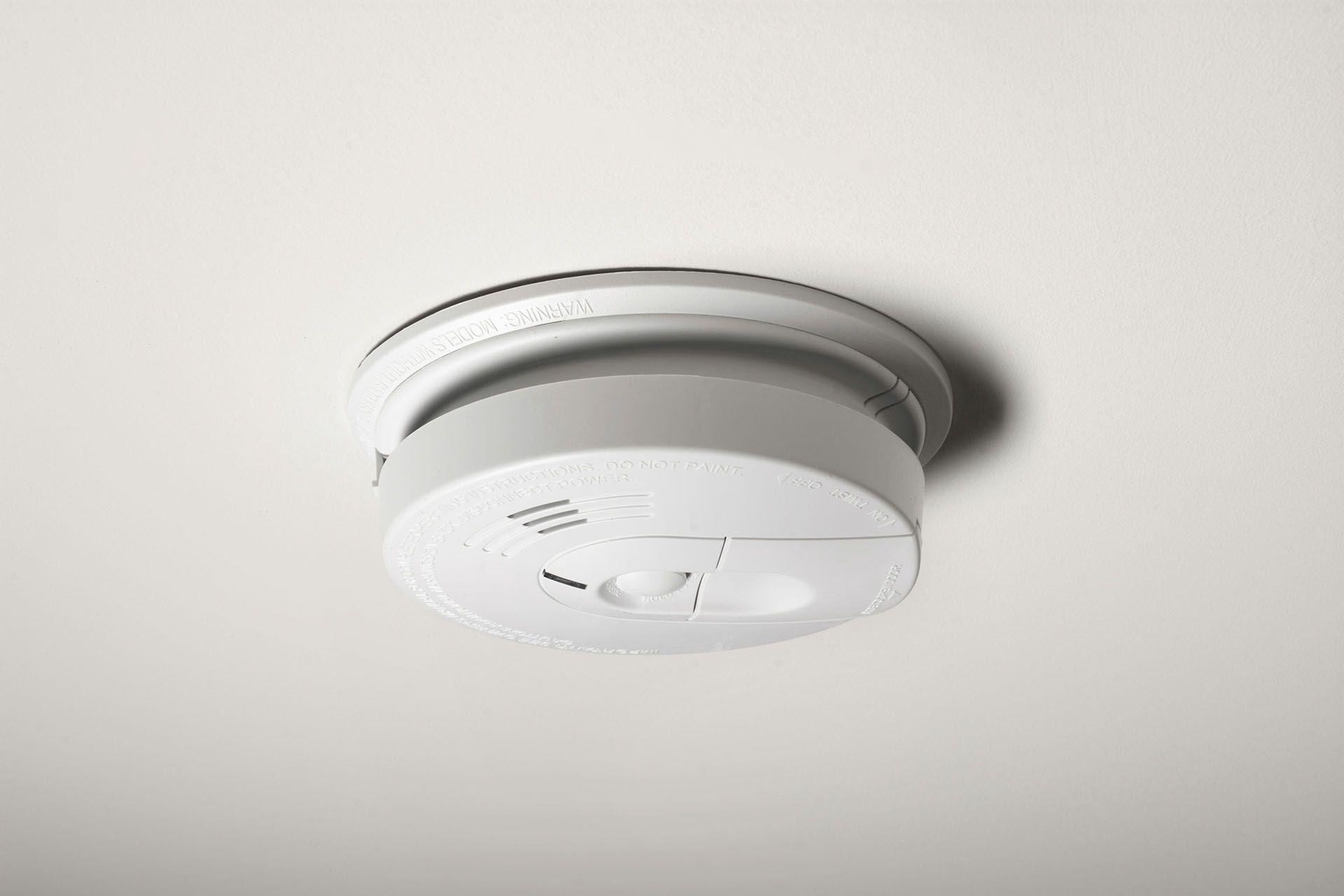
What interconnected smoke alarm rules mean for your home, including Queensland's 2027 deadline, and how a monitored smoke detector adds 24/7 protection.
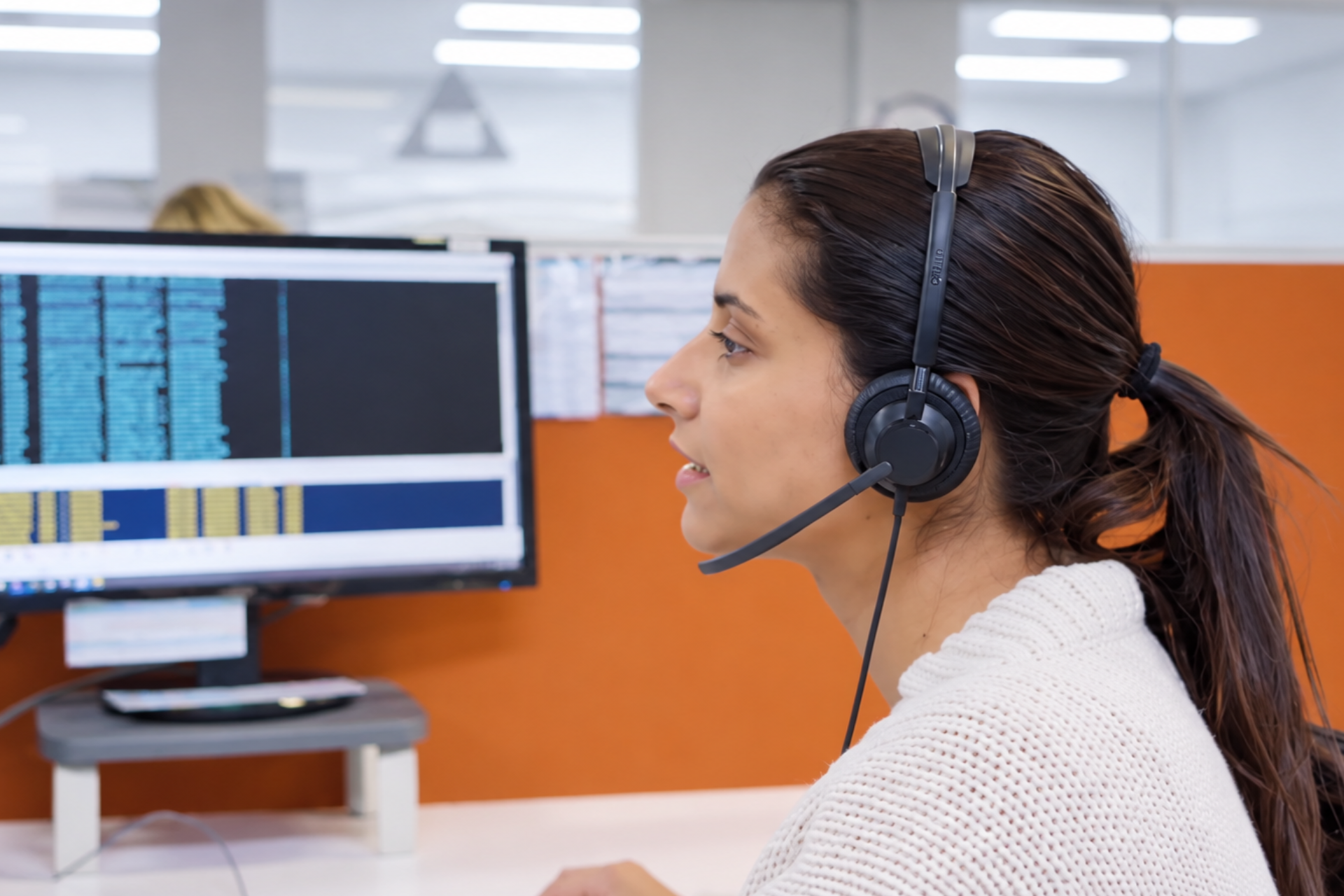
Already have a personal alarm? INS LifeGuard can monitor most alarms, including other providers', with 24/7 nurse-led support. Check if yours can connect.

Find out who qualifies for the Commonwealth Seniors Health Card, the current income limits, the benefits and how to apply in Australia.
About
INS LifeGuard is the only 24/7 nurse on-call personal and medical monitoring in Australia. We provide monitoring technology for both in the home and on the go and can also monitor other provider's equipment. Our services are suitable for anyone wanting support to stay independent such as the elderly, those with medical conditions and disabilities plus enhancing safety and security for lone workers.