
Have a Question?

Scam Alert: How to Recognise Fake INS LifeGuard Messages
INS LifeGuard • June 11, 2026
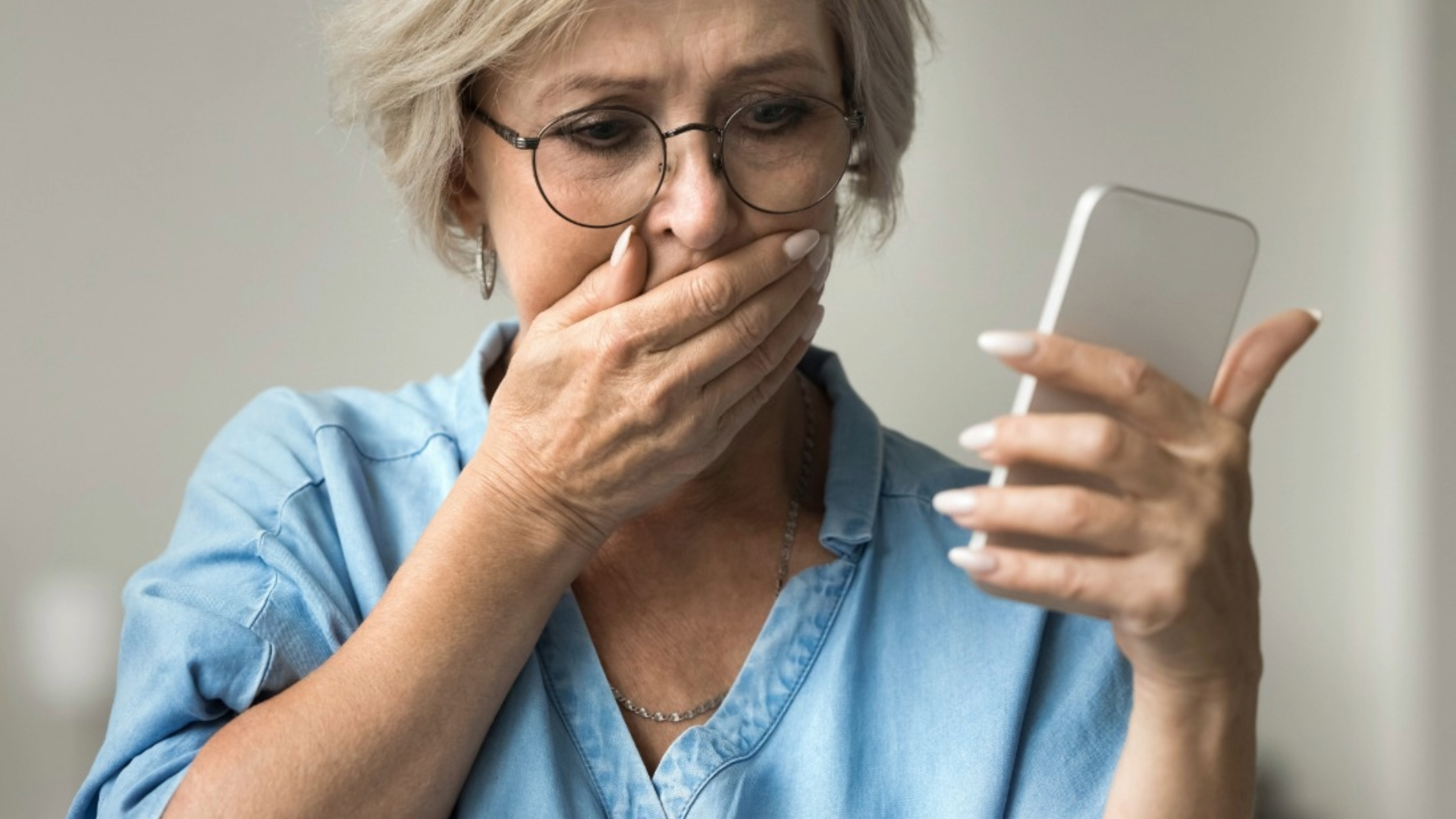
INS LifeGuard has been made aware of scam emails and text messages being sent to some clients and family members.
These messages claim to be from INS LifeGuard, INS Group or INS and may say that a medical monitoring account has been cancelled, deactivated, suspended, or that urgent payment is required to continue service.
Some scam messages have requested payment of around $75, although the amount may vary.
These messages are not from INS LifeGuard.
We are sharing this information to help clients, families, carers, villages and providers stay alert and avoid losing money or sharing personal information.
If you receive an unexpected message about your INS LifeGuard account, do not click any links or make a payment from the message. Please contact INS LifeGuard directly on 1800 636 226 to check whether the message is genuine.
Why is this scam so concerning
INS LifeGuard monitored personal alarms and medical alarm devices play an important role in the well-being and safety of many older Australians, NDIS participants, people living alone, and vulnerable members of the community.
For many clients and families, a monitored personal alarm is more than a device; it is a lifeline. It provides reassurance that help is available when needed, especially in the event of a fall, a medical episode, a safety concern, or an emergency.
This is why scam messages claiming that an account has been “cancelled”, “deactivated”, or “requires urgent payment to reactivate” can be so distressing.
Scammers rely on creating a sense of urgency. They want people to panic and act quickly before they have time to stop, check, and confirm whether the message is genuine.
What the scam messages may say
The scam messages may claim that:
- your medical monitoring account has been cancelled
- your emergency alarm service has been deactivated
- your account requires urgent payment
- you must pay a reactivation fee
- your service will stop unless you act immediately
They may arrive by text message, email or phone call.
Some messages may include a link, a phone number, a payment request, or instructions to provide card details.
Why these messages can seem convincing
Scammers often impersonate trusted organisations. Scam emails and text messages can look genuine, especially if they use familiar names, urgent wording, similar contact details, logos, or links that appear official.
Scam messages often pressure people to act quickly, make a payment, click a link, or provide personal information.
That is why it is important to stop and check before acting on any unexpected message.
How to check if a message is really from INS LifeGuard
If you receive an unexpected message about your INS LifeGuard account, do not click any links or use any phone number included in the message.
Instead, contact INS LifeGuard directly using our official phone number:
1800 636 226
You can also check with a trusted family member, carer, village manager, provider or support person before making any payment.
This is especially important if the message says your service will be cancelled unless you act immediately.
Be cautious of unexpected messages asking you to:
- click a link to reactivate your account
- pay an urgent reactivation fee
- provide banking details
- provide card details
- provide Medicare information
- share passwords or verification codes
- call an unfamiliar number provided in the message
A simple rule is: do not use links or contact details provided in an unexpected message. Go directly to the trusted source instead.
For INS LifeGuard clients, that means calling us directly on 1800 636 226.
What to do if you receive a suspicious INS LifeGuard message
- Do not click links.
- Do not reply to the message.
- Do not provide personal or payment information.
- Do not call the number included in the message.
- Call INS LifeGuard directly on 1800 636 226 to check whether the message is genuine.
- Report the message to Scamwatch.
- Delete the message once it has been reported or checked.
What to do if you have already paid or shared details
If you believe you have paid a scammer or shared card details, contact your bank immediately.
Ask your bank to stop or dispute the payment, cancel the card if needed, and monitor your account for unusual activity.
You should also report the scam to Scamwatch.
If you have shared passwords, change them immediately.
If you have clicked a suspicious link, run a security scan on your device and seek help from a trusted family member, IT support person, or cybersecurity professional.
A note for DVA clients and provider-funded clients
Some clients do not pay INS LifeGuard directly because their account is managed through DVA, a home care package provider, a village, an organisation, or another funding arrangement.
If you receive a message asking you to pay a reactivation fee, stop and check before taking any action.
Do not assume the message is genuine simply because it mentions medical monitoring, emergency alarms, or INS LifeGuard.
Help protect loved ones
Families, carers and village teams can help by reminding residents and clients:
INS LifeGuard monitoring will not be suddenly cancelled by a suspicious text or email demanding urgent payment.
Scammers often create panic, so people act quickly. It is always okay to pause, check and call INS LifeGuard directly.
A quick conversation may prevent someone from losing money or sharing sensitive information.
Remember: stop, check, protect
If you receive a message claiming to be from INS LifeGuard and something does not feel right, stop before acting.
Do not click links or make a payment from an unexpected message.
Check by calling INS LifeGuard directly on:
1800 636 226
If the message is a scam, report it to Scamwatch.
Related Articles
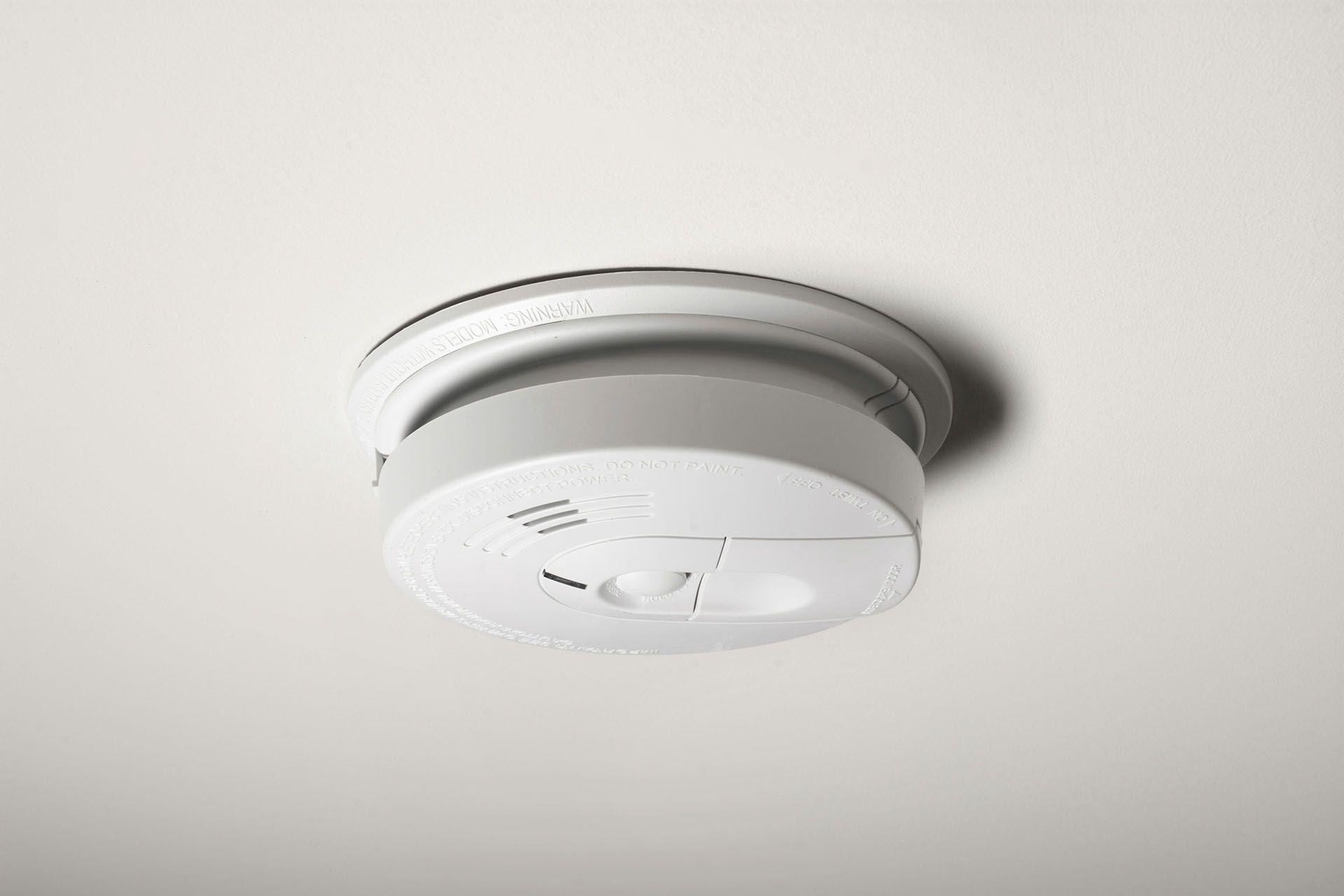
What interconnected smoke alarm rules mean for your home, including Queensland's 2027 deadline, and how a monitored smoke detector adds 24/7 protection.
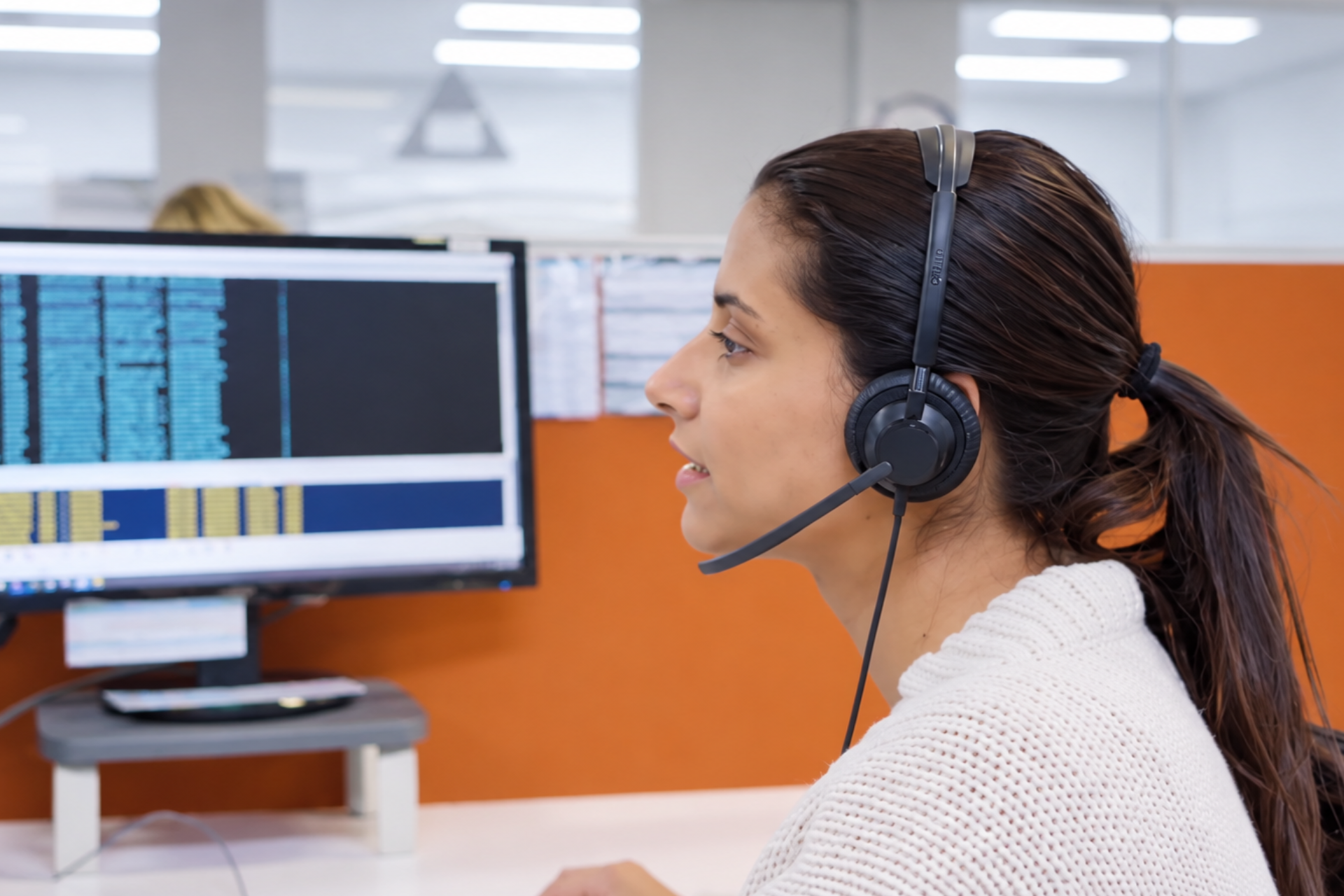
Already have a personal alarm? INS LifeGuard can monitor most alarms, including other providers', with 24/7 nurse-led support. Check if yours can connect.

Find out who qualifies for the Commonwealth Seniors Health Card, the current income limits, the benefits and how to apply in Australia.
About
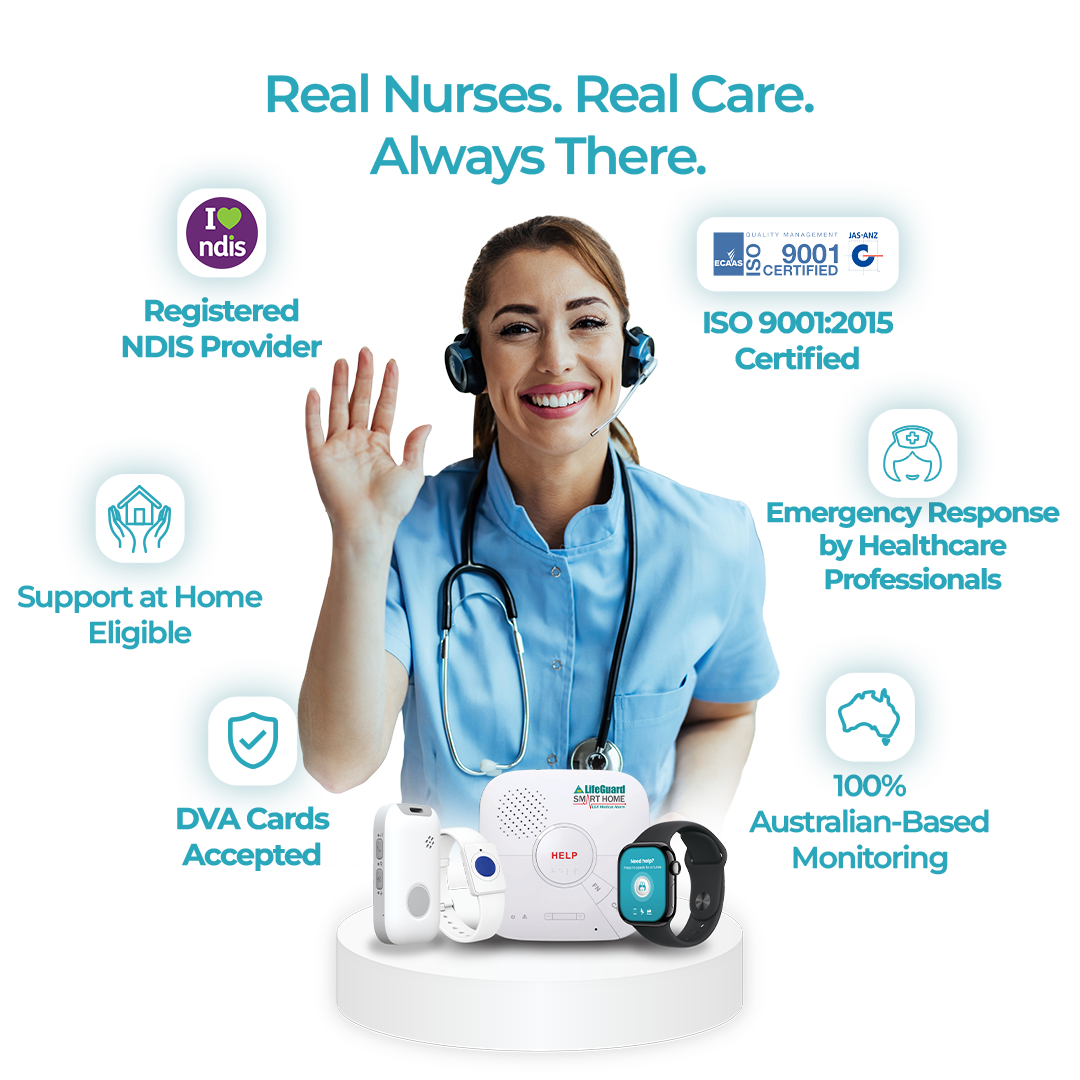
INS LifeGuard is the only 24/7 nurse on-call personal and medical monitoring in Australia. We provide monitoring technology for both in the home and on the go and can also monitor other provider's equipment. Our services are suitable for anyone wanting support to stay independent such as the elderly, those with medical conditions and disabilities plus enhancing safety and security for lone workers.