
Have a Question?

Australia's Telstra Outage: What It Means for Personal Alarms, Aged Care and Emergency Communication Resilience
INS LifeGuard • July 14, 2026

On Wednesday, 8 July 2026, Australia experienced one of the country's most significant telecommunications disruptions in recent years. Beginning at approximately 4:15 am AEST, a software defect in Telstra's network disrupted mobile voice and data services across the country. The impact extended beyond mobile phones to EFTPOS terminals, regional train networks and, in some cases, access to Triple Zero (000).
Telstra attributed the fault to a software defect in time-keeping servers at its Sydney and Melbourne data centres, which disrupted the time synchronisation critical to mobile connectivity. The Communications Minister sought to dampen speculation of a malicious attack, and the Australian Communications and Media Authority (ACMA) announced it would investigate the outage and Telstra's response.
For many Australians, the outage was an inconvenience. For organisations responsible for the safety and well-being of older Australians, it highlighted something much more important: how dependent modern care services have become on reliable communications, and why communication resilience is now an essential part of delivering safe, continuous care.
Whether it's a retirement village, residential aged care service or community care provider, emergency response systems are only as effective as the communication pathways that connect them. While no organisation can prevent a telecommunications outage, every organisation can assess its preparedness to respond when one occurs.
The events of 8 July serve as a timely reminder that emergency preparedness is no longer just about having the right technology. It also requires robust business continuity planning, experienced clinical teams and communication strategies designed to adapt when normal networks become unavailable.
What Happened During the Outage?
The disruption began in the early hours of the morning and quickly escalated into a nationwide telecommunications incident. Customers across Australia reported being unable to make or receive mobile calls, use mobile data or access services that relied on Telstra's network. Businesses experienced EFTPOS disruptions, regional train networks in Victoria and NSW faced significant delays, and emergency authorities confirmed that some people experienced difficulties contacting Triple Zero before welfare checks were carried out on affected callers.
By mid-morning, close to 90 per cent of affected services had been restored, with the network fully recovered by 4 pm. The outage reinforced an important reality: Australia's healthcare, aged care, and emergency response sectors rely heavily on telecommunications infrastructure to operate effectively. As more health technologies become connected, ensuring those communication pathways remain resilient is becoming increasingly important.
Why the Outage Matters for Personal Alarms
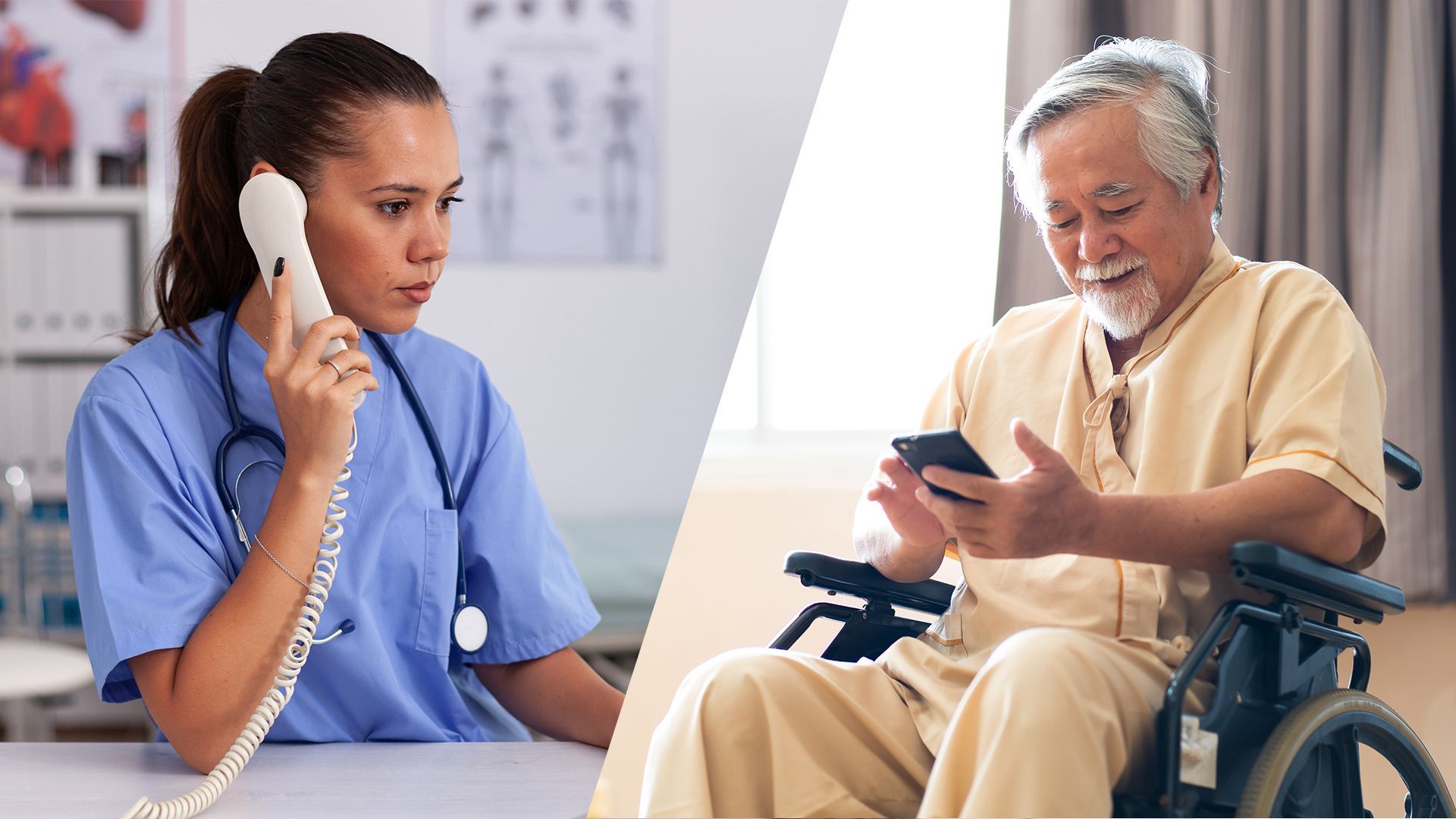
Modern monitored personal alarms are far more sophisticated than the traditional emergency pendants of the past. Today's systems connect residents with a 24/7 Emergency Response Centre, allowing trained operators to communicate directly with the person requiring assistance, assess the situation and coordinate the most appropriate response.
To do this, the alarm must successfully establish a communication pathway. Depending on how a system has been configured, that pathway may utilise mobile networks, Voice over Internet (VoIP), broadband services or other communication technologies. If the underlying telecommunications network experiences disruption, that communication pathway may also be affected unless alternative connectivity or redundancy has been incorporated into the solution.
Importantly, this does not necessarily represent a failure of the medical alarm device itself. Rather, it highlights how critical resilient communications have become in delivering reliable emergency response services. We recognise that some residents' devices were affected where telecommunications services were unavailable and no alternative communication pathway had been established. For organisations supporting older Australians, understanding these dependencies is becoming an increasingly important part of risk management and business continuity planning.
How INS Continued Supporting Clients
While the outage disrupted telecommunications services nationwide, INS LifeGuard's Emergency Response Centre remained operational throughout the incident. Our monitoring platform, clinical teams, and business continuity procedures were built for exactly this kind of disruption, and they held up. That meant we could respond quickly, adapt to changing circumstances and continue supporting our clients without interruption, at the moment it mattered most.

Throughout the outage, our Registered Nurses and Clinical Operators remained available around the clock, successfully managing an exceptionally high and sustained volume of emergency alarms while delivering reassurance, clinical assessment and support to residents, families and village teams. As information evolved throughout the day, our operations team worked closely with village managers to implement alternative escalation procedures where required, ensuring support remained focused on residents most affected by the disruption.
The outage reinforced something our clients already know: technology is only one part of an effective emergency response. Experienced people, clear processes and strong partnerships are equally important, and continuity of care cannot be an afterthought when networks fail. It has to be built in from the start.
Building Greater Communication Resilience
There is no one-size-fits-all approach to communication resilience. Every retirement village, aged care provider and community has different infrastructure, operational requirements and resident needs. That's why INS works collaboratively with each client to develop solutions that align with their environment rather than applying a standard configuration.
The INS LifeGuard SmartHome LGX platform supports a range of communication options, including Voice over Internet Protocol (VoIP) via resident Wi-Fi, community Wi-Fi, or dedicated network infrastructure where available. Depending on the local environment and system configuration, these options can provide an additional communication pathway should one network become unavailable.
Communication resilience is not simply about adding more technology. It's about designing systems that continue supporting residents during challenging circumstances while giving providers confidence that their emergency response arrangements remain effective.
Strong Partnerships Make the Difference
One of the strongest outcomes of the outage was the collaboration between providers and their communities. We would like to sincerely thank our village managers and client partners for their communication, local knowledge and responsiveness throughout the incident.
Their collaboration with our clinical teams enabled alternative procedures to be implemented quickly where required, helping to ensure residents continued to receive the highest possible level of support. Events like these reinforce that the best outcomes are achieved when resilient technology is supported by experienced clinicians and strong client partnerships.
Looking Ahead
No organisation can predict when the next telecommunications disruption, severe weather event or infrastructure failure will occur. What organisations can control is their preparedness.
The recent outage provides an opportunity for retirement villages, aged care providers and community care organisations to review their communication resilience, assess existing emergency response arrangements and consider whether additional redundancy or contingency planning may be appropriate.
At INS LifeGuard, we remain committed to helping organisations strengthen that resilience through dependable technology, experienced clinical teams and tailored communication strategies that support continuity of care. Because when communications are challenged, care should never stop.
If you would like to review your current emergency communication arrangements or discuss resilience options for your community, our team would be pleased to assist.
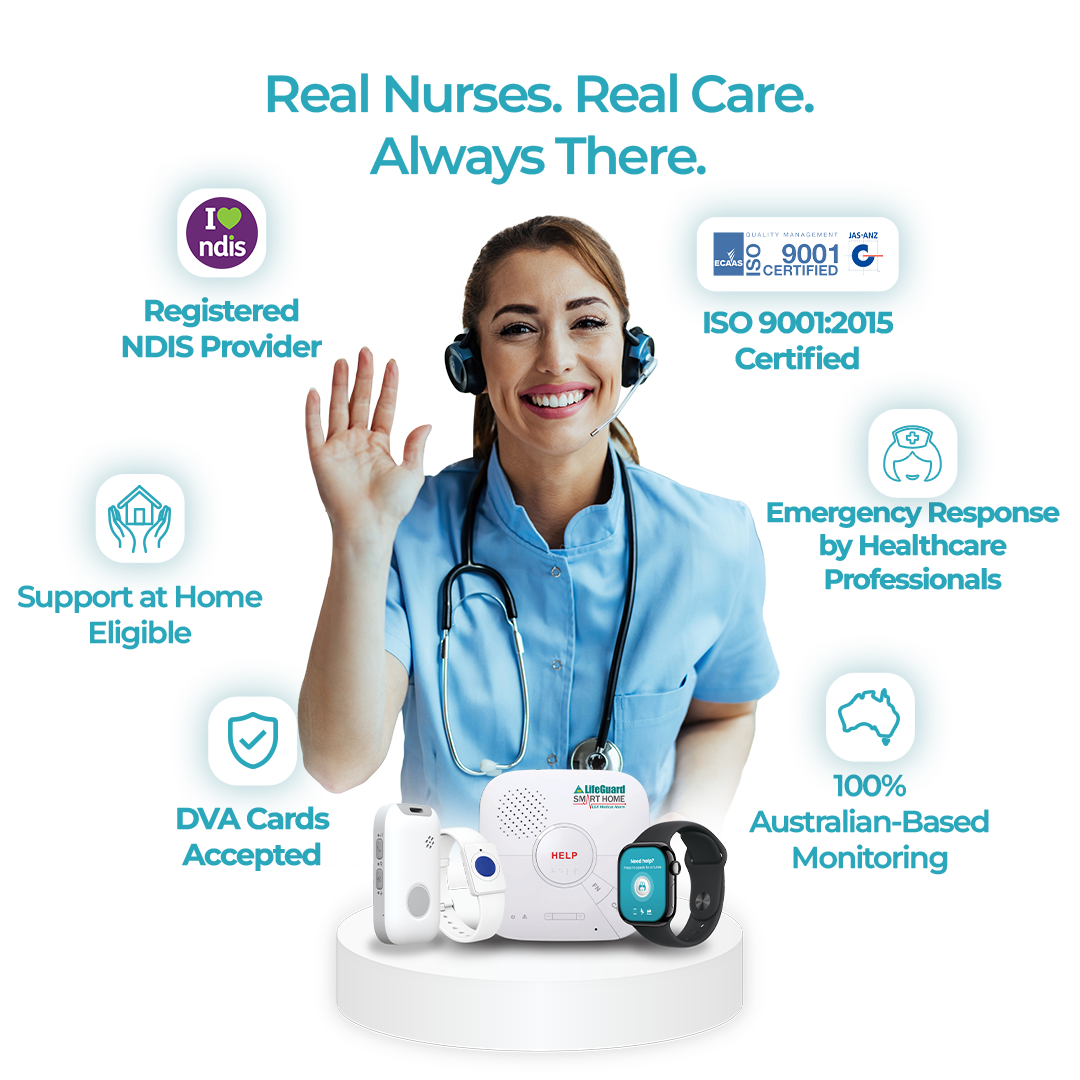
Real Nurses. Real Care. Always There.
Related Articles
Hospital stays can be stressful, especially when transitioning home or to without the support of an aged care facility. INS LifeGuard provides essential services to help patients leave the hospital safely and confidently, ensuring needed support and ongoing care.

Breast, bowel, lung, cervical & heart health screenings are available to Australians in their 50s, most of them free. Here's what each one involves & who qualifies.

Uncover if falling asleep after meals is a warning sign for diabetes. Learn about possible symptoms, risk factors, and prevention methods.
About
INS LifeGuard is the only 24/7 nurse on-call personal and medical monitoring in Australia. We provide monitoring technology for both in the home and on the go and can also monitor other provider's equipment. Our services are suitable for anyone wanting support to stay independent such as the elderly, those with medical conditions and disabilities plus enhancing safety and security for lone workers.