
Have a Question?

Welfare Check Service for Elderly Australians: How INS LifeGuard Can Help
INS LifeGuard • June 24, 2026
When someone you love lives alone, the worry can be constant.
You might be interstate, working long hours, or simply unable to visit as often as you would like. And in the back of your mind, there is always a question: are they okay right now?
A welfare check is one of the most important safety nets available for older Australians, people living with a disability or health condition, and anyone who spends extended time alone. But not all welfare check services are the same and who responds makes all the difference.
At INS LifeGuard, welfare checks are not handled by a basic call centre. They are carried out by qualified nurses available 24 hours a day, seven days a week through our nurse-monitored personal alarm services, including in-home medical alarms, mobile personal alarm pendants, smartwatches and a personal alarm app.
What Is a Welfare Check and When Is It Needed?
A welfare check is a contact or visit made to confirm that a person is safe, well and not in need of assistance.
In Australia, welfare checks are typically conducted when someone may be at risk or unable to look after their own safety. Police officers, community services or other authorised professionals may visit a person's home to confirm they are safe and receiving the support they need. These checks are often requested by family members, neighbours, healthcare professionals or support coordinators who are concerned about a person's wellbeing.
A welfare check may be needed when:
- A person has not been seen or heard from for an unusual period of time
- There are concerns following a recent health event or hospital discharge
- A person is managing a chronic condition and family members cannot check in
- Living conditions may be unsafe or deteriorating
- Changes in behaviour suggest someone may need support
- A person is experiencing a mental health crisis or family members are unable to reach them
- A carer or support worker has been unable to make contact
- Family members live interstate or overseas and want regular reassurance
Welfare checks provide an important safeguard, helping identify when someone may need assistance before a situation becomes a crisis.
According to the Australian Institute of Health and Welfare, around 4.2 million Australians aged 65 and over were living in the community as of 2021, with a significant proportion living alone. For these individuals and their families, welfare checks and ongoing monitoring can be a critical part of staying safe and connected.
Welfare Checks Vs Ongoing Monitoring: What’s The Difference?
A traditional welfare check is usually a one-off response to a specific concern. Ongoing monitoring is a proactive, scheduled approach to safety that does not wait for something to go wrong.
INS LifeGuard offers welfare check support as part of a broader nurse-monitored personal alarm service. This means that rather than only responding in an emergency, our nurses make regular scheduled contact with a person to check in on their safety, health, and well-being and respond if something is wrong.
For families who cannot always be there in person, this kind of ongoing support provides consistent, nurse-led reassurance that their loved one is safe, connected and not managing alone.
How INS LifeGuard Welfare Checks Work
For clients already using an INS LifeGuard personal alarm or monitoring service, welfare checks can be arranged as part of their ongoing safety plan.
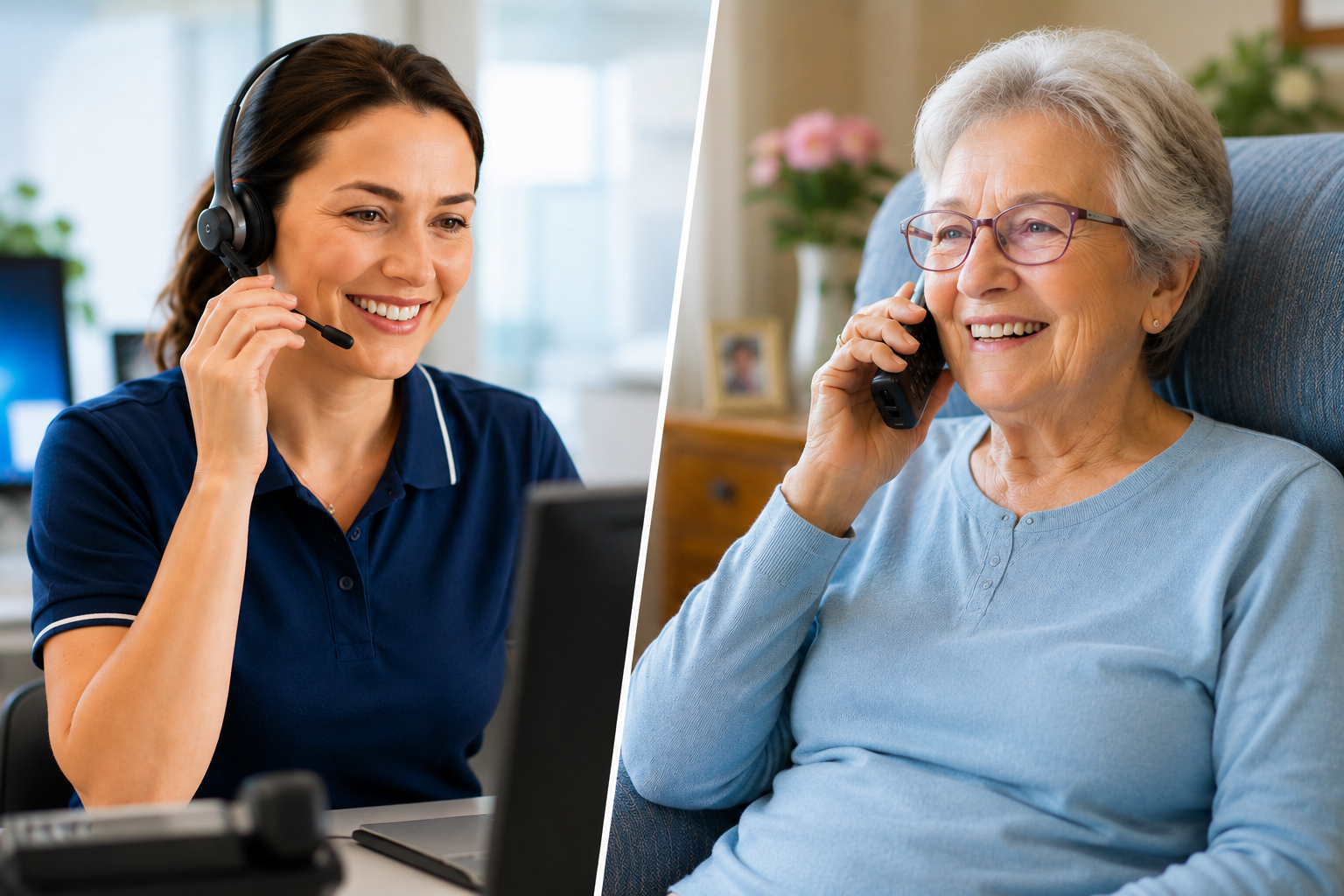
For a small fee, our nurses can contact the person via voice call at the agreed times to check in on their health and safety and have a chat. If any concerns arise, the family or nominated carer is contacted immediately. If our nurses are unable to establish verbal contact, they will follow an established escalation pathway which may include contacting nominated family members or carers, or arranging for someone to visit the home where appropriate.
Unlike many services that rely on non-clinical call centres, INS LifeGuard provides 24/7 nurse-on-call personal alarms, allowing our nurses to assess and triage situations in real time. This means faster responses, informed decisions and greater peace of mind for families.
This approach provides genuine reassurance while allowing the person to maintain their independence and dignity at home. And sometimes, it is simply about having a voice on the other end of the phone someone who genuinely cares.
Care When You Can't Be There
VIDEO TRANSCRIPT
Just a little chat to make sure you're having a nice day.
I recall we had a lady — it was years ago — but her daughter had gone overseas. She was a very nervy lady, very nervy daughter, and had gone overseas. She was worried because her daughter would come and visit her every day, so she was worried. The daughter rang us and said: is there a way you can ring up and talk to her, morning and night, make sure she's okay? She just needs someone to talk to — not necessarily someone to come and visit. It's just having that voice.
So she put in what was called a welfare check.
We rang this lady — her name was Norma. She was lovely. We rang her morning and night and at first she was a little bit standoffish, not knowing us and being that nervy sort of person. By the time her daughter came back three weeks later, she didn't want to give up the service.
I find with INS, it's nurses who are here because they want to help. They want to make sure that the clients, the residents, the individuals are just nice and happy and cared for. And it's our duty of care as well — just to make sure everyone's right.
So we are here for a chat. We are here for an emergency. And we are here to make sure no one is alone."
Who Is This Service For?
Elderly Australians living alone
For older people living independently, regular welfare check-ins provide an important layer of safety and connection. Families can have confidence that a qualified nurse is keeping an eye on their loved one's wellbeing without intruding on their day-to-day life.
This is especially valuable for families who live at a distance, work full-time or are simply unable to visit as regularly as they would like.
People living with a disability or health condition
For people managing a chronic illness, disability or fluctuating health condition, regular monitoring and check-ins can help identify changes before they become emergencies. INS LifeGuard is also a registered NDIS provider, and some clients may be able to access personal alarm and monitoring services through their NDIS plan.
Lone workers
People who work alone in remote locations, after hours, or without direct supervision face particular safety risks. INS LifeGuard's monitored personal alarm options can support lone workers with check-in calls, GPS location monitoring and immediate nurse response if something goes wrong.
Why Who Responds Matters
Many families assume that welfare check and personal alarm services are all much the same. They are not.
Most personal alarm providers connect callers to a general call centre staffed by people trained to take messages and contact emergency services. INS LifeGuard is different.
Our Emergency Response Centre is staffed 24 hours a day, seven days a week by trained emergency responders who are also qualified healthcare professionals, including Registered and Enrolled Nurses.
That means when someone calls for help — or when our team makes a welfare check-in call — the person on the other end can genuinely assess the situation. They can provide reassurance, identify whether something needs urgent attention, contact family or carers, and escalate to emergency services when needed.
For elderly people, people living with health conditions, and families managing complex care situations, this clinical capability makes a real difference.
Personal Alarm Options That Support Welfare Monitoring
INS LifeGuard offers a range of personal alarm and monitoring solutions that can support welfare check services and ongoing safety at home and away.
Options include:
- In-home personal alarms — for safety and reassurance at home
- Wearable pendant and wrist alarms — simple, discreet options that stay with the person
- The INS LifeGuardian® Watch — a fully functional Samsung or Apple smartwatch with personal alarm, fall detection, GPS and health monitoring built in
- The INS LifeGuardian® App — for people who already own a compatible smartphone or smartwatch and want to add nurse-monitored personal alarm features to a device they already use
- Fall detection and automatic alerts — so help can be sent even if the person cannot press a button
- Safety check-ins — scheduled contact to confirm the person is safe and well
- GPS location support — for people who are active and independent outside the home
- Health monitoring on compatible devices — including heart rate, blood oxygen and activity insights
- 24/7 nurse-led emergency response — qualified nurses and healthcare professionals available at any hour
- Health information and nurse chat line — for people who feel unwell, unsure or simply need someone to talk to
- Family and carer connection tools — so the people who care can stay informed
When Should Families Consider a Welfare Check Service?
It is worth considering a welfare check service or monitored personal alarm if your loved one:
- Lives alone, and family members cannot check in regularly
- Has recently been discharged from the hospital
- Is managing a chronic health condition such as heart disease, diabetes, arthritis or a respiratory condition
- Has had a fall or near-fall
- Has reduced mobility or confidence moving around the home
- Is experiencing social isolation or reduced contact with others
- Has a disability or health condition requiring ongoing monitoring
- Is receiving Support at Home services and would benefit from additional safety support
A welfare check service is not only for people in crisis. It is a proactive way to support independence, catch problems early and give families genuine peace of mind.
Frequently Asked Questions
Is a welfare check the same as a personal alarm?
Not exactly. A welfare check is typically a proactive contact to confirm someone is safe — either scheduled or in response to a concern. A personal alarm is a device or service that the person uses to call for help themselves. INS LifeGuard combines both monitored personal alarms with scheduled welfare check-ins as part of an integrated safety service.
Who responds to an INS LifeGuard welfare check or alarm?
INS LifeGuard's Emergency Response Centre is staffed 24/7 by trained emergency responders who are also qualified healthcare professionals, including Registered and Enrolled Nurses. To our knowledge, no other personal alarm provider in Australia offers nurse-staffed monitoring.
What happens if the person doesn't answer a welfare check call?
Our nurses follows an agreed escalation pathway, which may include contacting nominated family members or carers, and arranging for someone to visit the home where appropriate.
Can a welfare check service be funded through Support at Home or the NDIS?
Depending on individual circumstances, personal alarm and monitoring services may be available through Support at Home or an NDIS plan. INS LifeGuard is a registered NDIS provider. We recommend speaking with your support coordinator or contacting our team directly to discuss your options.
Are there options for people who are active and go out regularly?
Yes. INS LifeGuard offers mobile personal alarm options, including GPS-enabled devices, smartwatches and the INS LifeGuardian® App, which provide protection both at home and away.
Conclusion
When someone you care about lives alone, regular welfare check-ins are not an intrusion. They are a lifeline.
With INS LifeGuard, welfare checks are backed by qualified nurses, real clinical assessment and a genuine commitment to the safety and independence of every person we support.
Because knowing someone you love is safe should not have to be something you worry about alone.
Speak with INS LifeGuard about welfare check services and personal alarm monitoring for elderly Australians, people living with a disability, and anyone who needs the reassurance that help is always within reach.
Visit inslifeguard.com.au | Call 1800 636 226
Related Articles
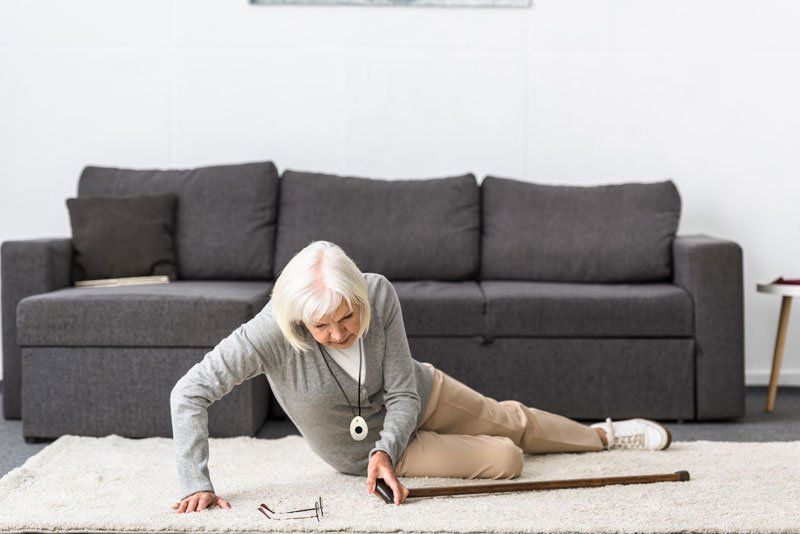
Learn about fall prevention in aged care, fall management strategies, risk factors and how personal alarms and medical alert systems can support older Australians.

Learn the early signs and symptoms of Motor Neurone Disease (MND), how it progresses, and practical ways to support independence and safety at home.
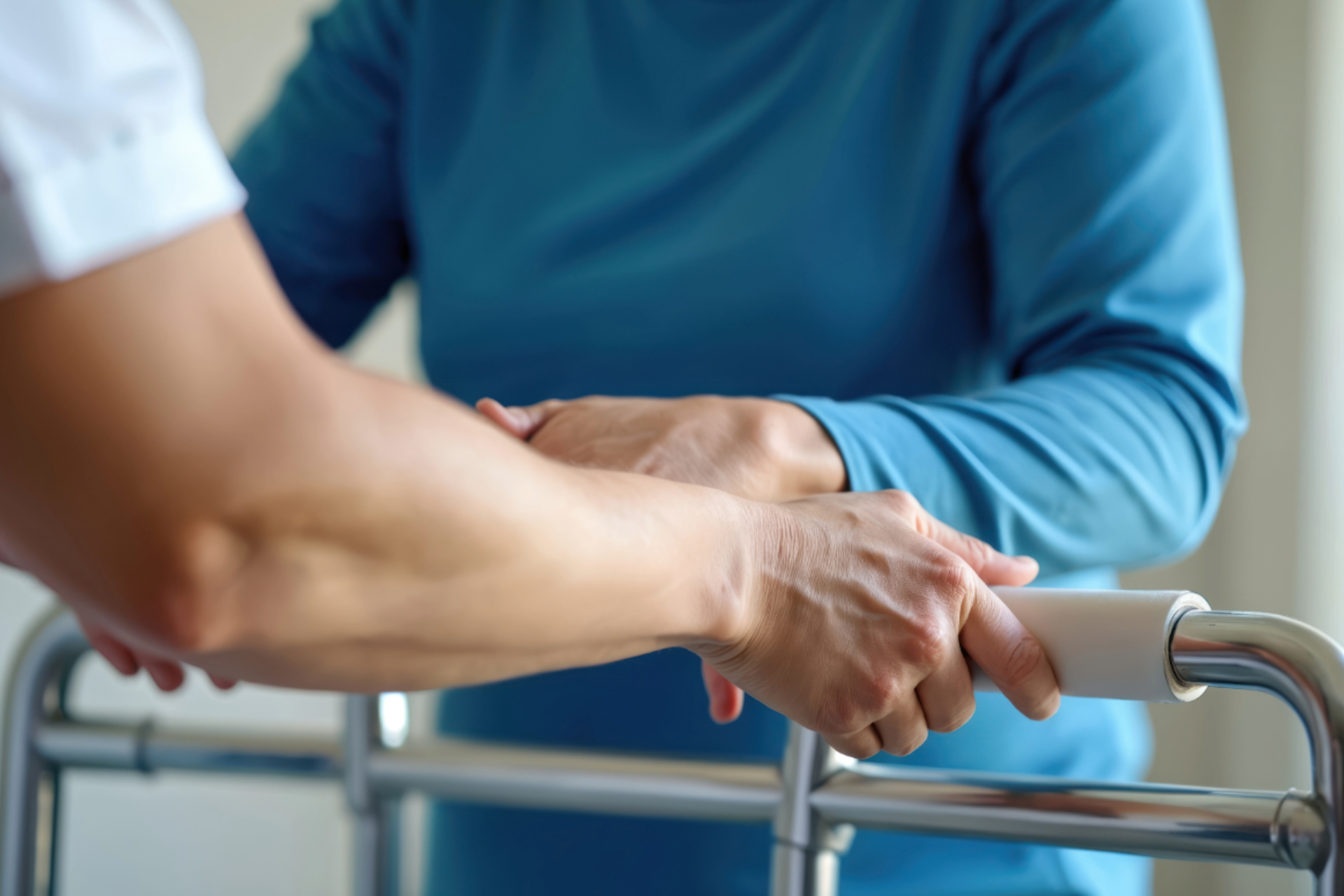
Learn how people with Motor Neurone Disease can receive priority access to Support at Home and AT-HM funding for aged care support in Australia.
About
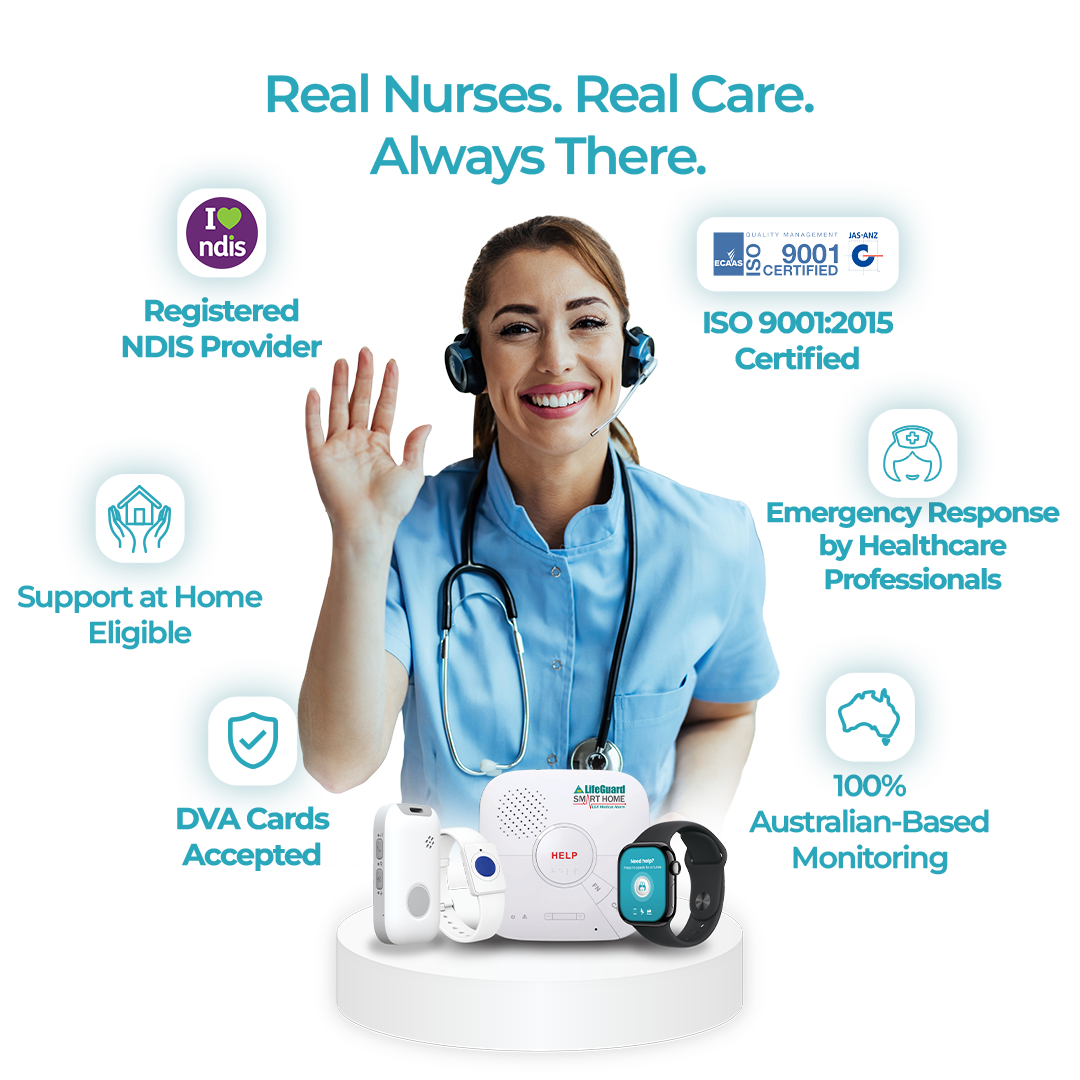
INS LifeGuard is the only 24/7 nurse on-call personal and medical monitoring in Australia. We provide monitoring technology for both in the home and on the go and can also monitor other provider's equipment. Our services are suitable for anyone wanting support to stay independent such as the elderly, those with medical conditions and disabilities plus enhancing safety and security for lone workers.