
Have a Question?

AI and the NDIS: What Participants Should Know About Technology, Safety and Choice
INS LifeGuard • June 23, 2026
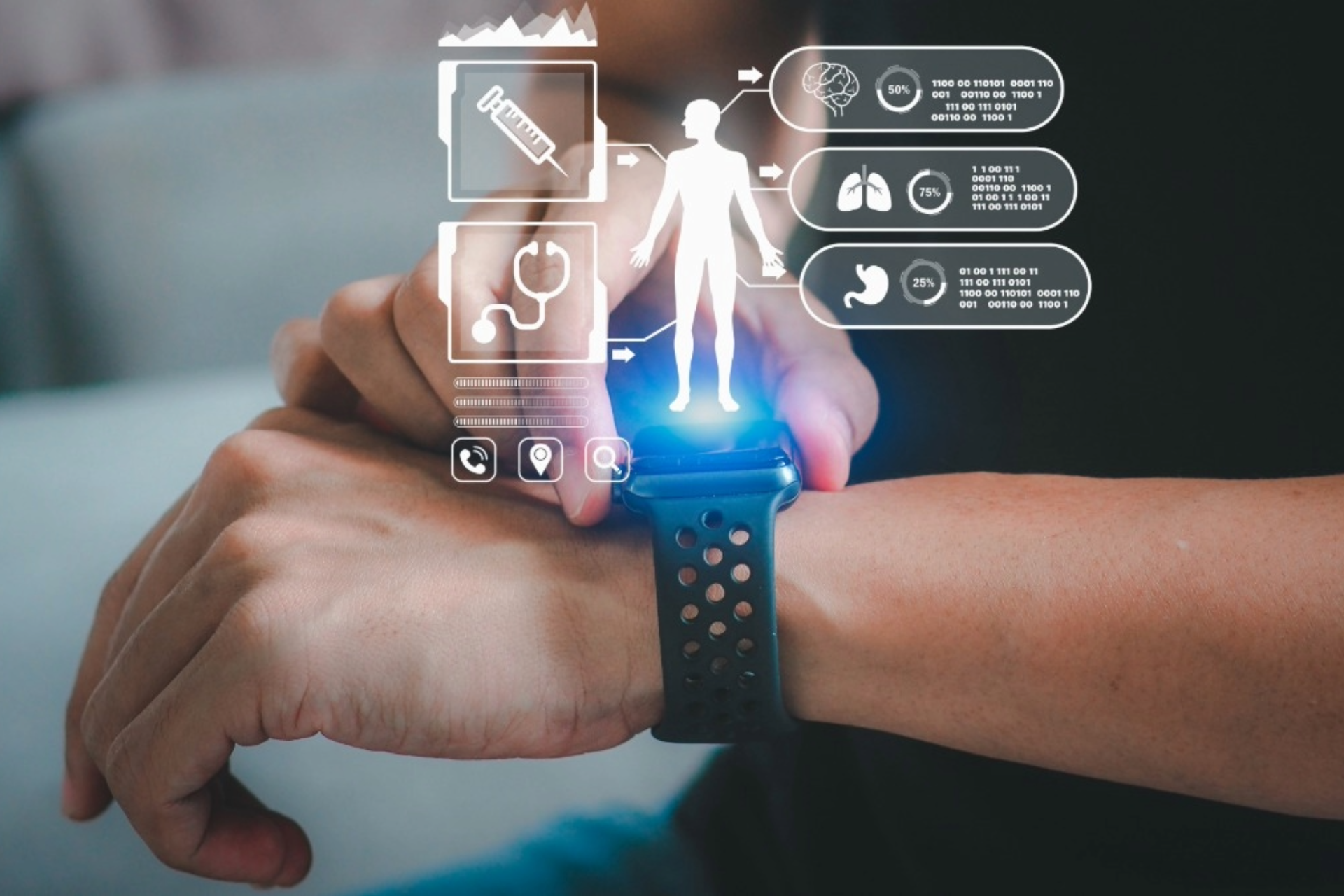
Artificial intelligence is no longer just a buzzword. It is showing up in homes, healthcare, and disability support and for NDIS participants, which raises a genuinely important question.
Can technology genuinely improve safety and independence? Or does it risk reducing people to data points and automated decisions?
The answer depends entirely on how it is used. From NDIS assistive technology and personal monitoring devices to smart home systems and communication tools, AI-enabled technology is changing what support looks like. But the best technology does not replace human care. It makes it faster, smarter and more responsive.
At INS LifeGuard, we believe technology should support people, not replace them. Here is what NDIS participants, families and support coordinators need to know.
What Is AI-Enabled Assistive Technology in the NDIS?
Assistive technology has always been part of disability support. It includes equipment, communication tools, mobility supports, home modifications, personal alarms, fall-detection devices, GPS-enabled monitoring, and much more.
As technology advances, many of these tools now include AI-enabled features and systems that learn patterns, detect risks, send reminders, monitor safety, or help manage daily routines more independently.
For NDIS participants, this kind of technology can offer real, practical benefits:
- Staying safer at home with fall detection and 24/7 monitoring
- Identifying risks earlier, before they become emergencies
- Increasing independence and reducing isolation
- Supporting daily routines and communication
- Giving families and carers greater confidence and peace of mind
This is where AI-enabled assistive technology can be genuinely powerful.
Does the NDIS Fund AI-Enabled Assistive Technology?
The NDIS may fund assistive technology when it meets the reasonable and necessary criteria. This means the support must be:
- Related to the participant's disability
- Aligned with their goals
- Value for money
- Likely to be effective and beneficial
NDIS funding may cover the cost of INS LifeGuard products and services where they meet a participant’s disability-related needs and plan goals. Some low-cost assistive technology items under $1,500 may be purchased without prior NDIS approval or a quote if the participant has suitable funding available and the support meets NDIS funding criteria. Participants should check their plan, funding category, and seek advice where required.
Importantly, NDIS funding is based on individual circumstances. A personal alarm, GPS monitoring device or fall detection system is not a one-size-fits-all solution. What is suitable for one participant may not be appropriate for another.
The key question is never simply whether the technology is smart. The question is whether it is safe, suitable and genuinely useful for that specific person. We recommend speaking with your support coordinator to confirm what applies to your plan.
The Real Benefits of Smart Technology for NDIS Participants
When designed around the person and used with proper human oversight, AI and smart assistive technology can make a meaningful difference to everyday life.
It can help improve safety by detecting falls, changes in routine or situations where someone needs immediate assistance. It can support independence by helping participants manage movement, receive reminders, communicate, and access the community. It can reduce isolation and give families and support teams confidence, particularly where a participant lives alone or spends time independently.
Many people with disabilities want to make their own decisions, live more independently and have greater control over their day-to-day lives. Technology can absolutely support that goal when it is designed around the person rather than a generic system.
The Risks: When Technology Oversimplifies Complex Needs
One of the biggest concerns around AI in disability support is oversimplification.
Disability is not generic. Goals, routines, communication styles, health conditions, environments and support networks are all different. Some disabilities fluctuate. Some needs simply cannot be captured in forms, datasets or automated reports.
This is why participants, families and disability advocacy groups have raised concerns about automated decision-making and computer-generated NDIS plans. The concern is not that technology is being used. The concern is that it may be used in ways that affect funding, services, or support without sufficient transparency, accountability, or human review.
When decisions affect someone's independence, safety and quality of life, people need more than a system-generated answer. They need the chance to explain their circumstances, have decisions reviewed by a real person, and question outcomes that do not reflect their actual needs.
Choice and Control Must Stay With the Participant
The NDIS is built around choice and control. That means participants should be involved in every decision about the technology they use and the way their support is delivered.
When AI-enabled technology is introduced, participants and families should feel informed, not overwhelmed. Before choosing a product or service, it is worth asking:
- What does this technology actually do?
- How does it support the participant's goals?
- What information does it collect, and who can access the data?
- How does it decide when to send an alert?
- Can the settings be adjusted to suit the individual?
- What happens if the technology gets something wrong?
- Is there a real person involved in the response?
These are not questions about rejecting technology. They are about ensuring technology is safe, appropriate, and genuinely aligned with the participant's needs.
Why the Human Response Matters as Much as the Device
Smart technology can detect an issue. But it does not always understand what that issue means.
A fall alert may be triggered, but the person may also be frightened, in pain or unable to explain what happened. A GPS alert shows a location but does not understand distress, communication needs or health risks. A personal alarm sends a signal, but what happens next is what matters most.
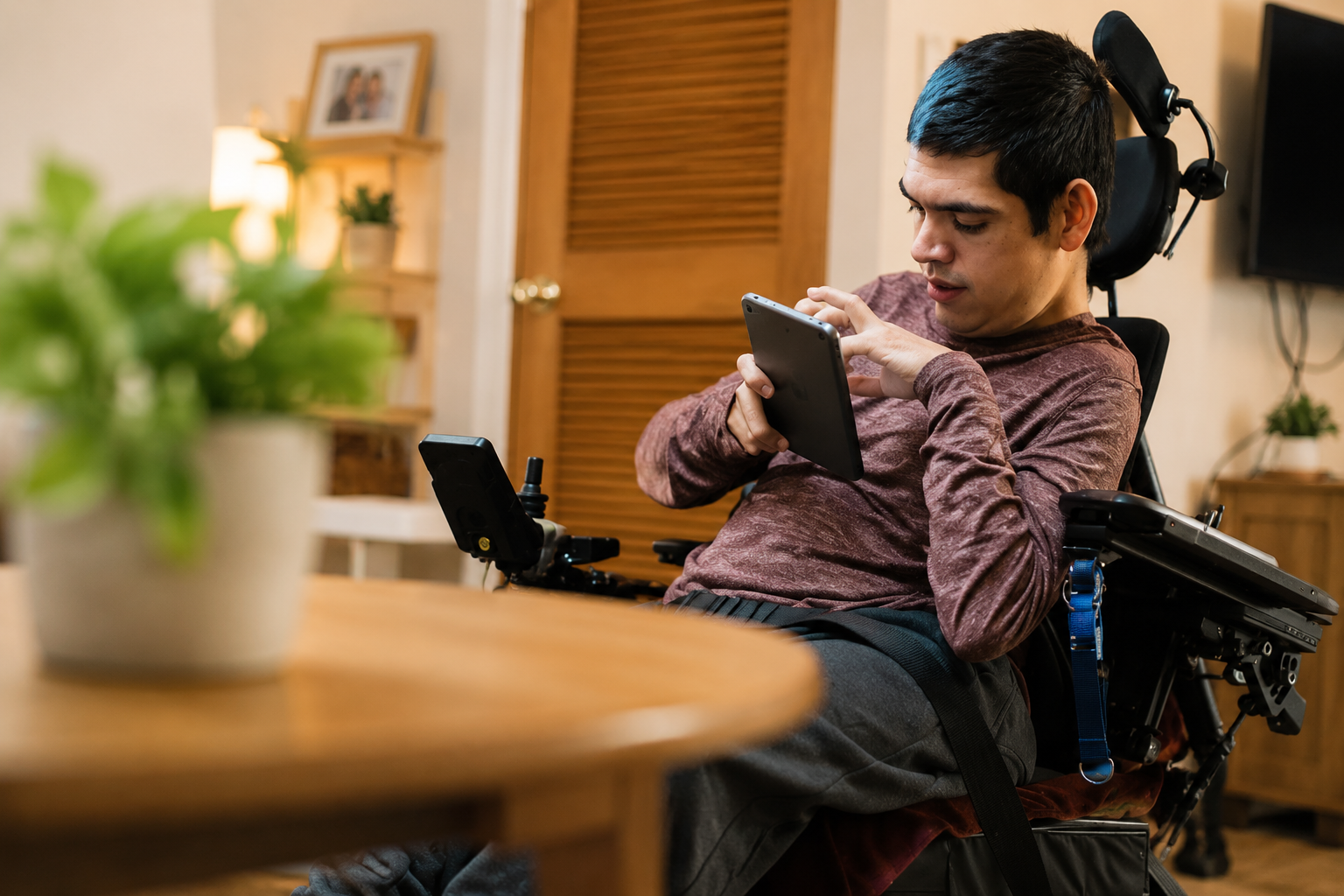
For NDIS participants, this is especially important. Some participants have complex communication needs. Some need extra time to explain what is happening. Some have health conditions, cognitive disability, psychosocial disability or mobility challenges that require a calm, informed and experienced response.
Technology can create the connection. But people provide the care.
NDIS Assistive Technology from INS LifeGuard
For NDIS participants, assistive technology is not just about the device. It is about whether the support actually helps the person live more safely, independently and confidently.
INS LifeGuard provides NDIS assistive technology options built around personal safety, health monitoring and real emergency response.
For participants who already have a compatible smartwatch, the INS LifeGuardian App® provides nurse-monitored personal safety features using their own device. Depending on the selected plan and device compatibility, this may include fall detection, crash detection, GPS location support, safety check-ins, geofence alerts, carer app features and nurse-led health monitoring.
For participants who need a supplied device, the INS LifeGuardian® Watch provides a smartwatch-based personal alarm with 24/7 nurse monitoring, fall detection, GPS tracking, safety alerts and health monitoring. Premium health monitoring may include vital signs monitoring by nurses, such as heart rate, respiratory rate, blood oxygen saturation and blood pressure, depending on the device and information shared.
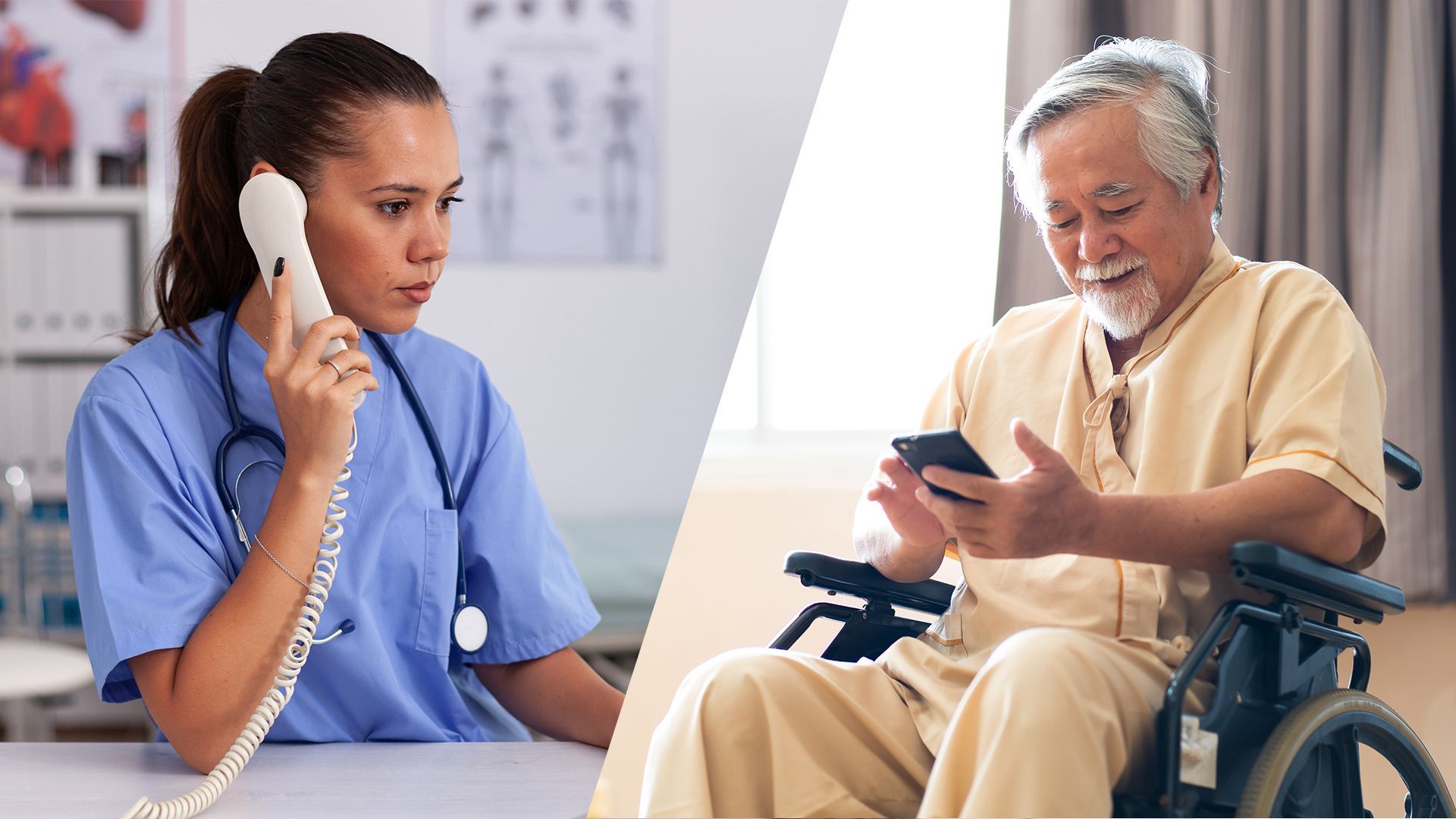
But the value of INS LifeGuard is not just in the alert. It is in what happens next. When an alarm is activated, qualified nurses assess the situation, provide reassurance, contact family or carers, and coordinate emergency support when needed.
That is the difference between a device that sends a signal and a service that actually responds.
Using AI and Smart Technology Responsibly
AI and smart technology will continue to grow within the NDIS and the broader care sector. That is not something to fear. But it is something to approach carefully.
Responsible technology should be transparent, easy to understand, flexible enough to suit the individual, and include genuine human oversight where safety is involved. Most importantly, it should support the participant's goals rather than override their voice.
For NDIS participants and families, look beyond the promise of smart technology and ask what happens in real life:
- Does it genuinely support independence?
- Does it improve safety in a way that suits this person?
- Does it protect choice and control?
- Is there a real human response when help is needed?
- Does it make life easier, safer and more connected?
The right technology gives people more confidence, not less control.
Looking for NDIS Assistive Technology Options?
INS LifeGuard is a registered NDIS provider offering personal alarm and monitoring solutions built around safety, independence and real human response.
Because when someone needs help, what matters is not just that an alert was sent. What matters is what happens next.
Contact our team to learn more about NDIS personal alarm and assistive technology options.
Related Articles
Hospital stays can be stressful, especially when transitioning home or to without the support of an aged care facility. INS LifeGuard provides essential services to help patients leave the hospital safely and confidently, ensuring needed support and ongoing care.
Uncover if falling asleep after meals is a warning sign for diabetes. Learn about possible symptoms, risk factors, and prevention methods.
Discover INS LifeGuard's nurse-led triage service and personal medical alarms in Australia. Reduce ambulance ramping and prevent hospital admissions.
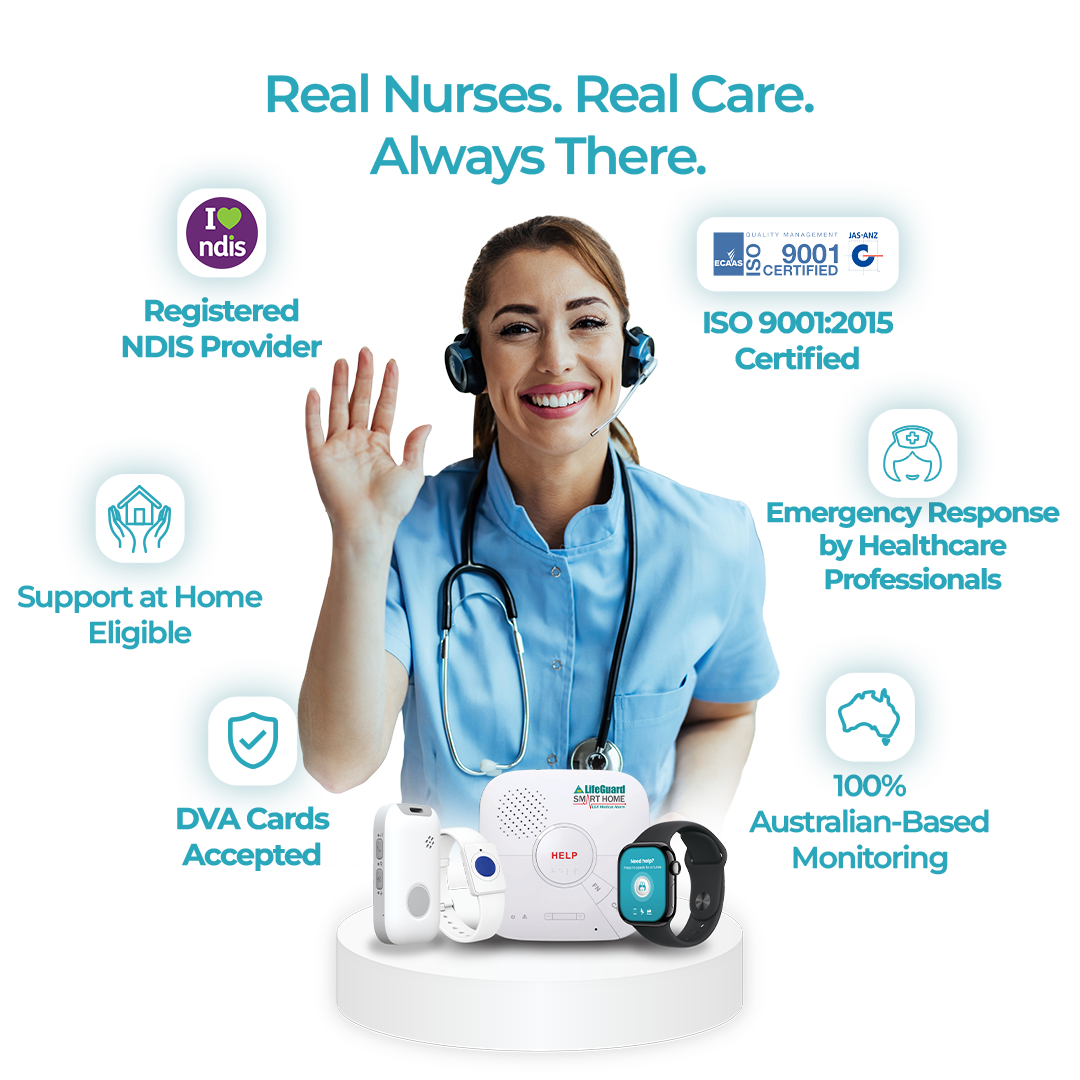
About
INS LifeGuard is the only 24/7 nurse on-call personal and medical monitoring in Australia. We provide monitoring technology for both in the home and on the go and can also monitor other provider's equipment. Our services are suitable for anyone wanting support to stay independent such as the elderly, those with medical conditions and disabilities plus enhancing safety and security for lone workers.