

Have a Question?


Burnout: What It Is, Who It Affects, and How to Prevent It
INS LifeGuard • July 29, 2026

Feeling exhausted after a busy week is normal. Feeling physically, mentally, and emotionally drained for weeks or months is something else entirely. Burnout has become one of the biggest health and wellbeing challenges of modern life, affecting people of all ages, occupations, and lifestyles.
While burnout is often associated with demanding workplaces, it can affect anyone, from busy parents and carers to healthcare workers, business owners, students, and even retirees. Understanding what burnout is, recognising the warning signs, and taking steps to prevent it can make a significant difference to your long-term health and quality of life.
What Is Burnout?
The World Health Organisation officially classifies burnout as an occupational phenomenon in the ICD-11, describing it as a syndrome resulting from chronic workplace stress that hasn't been successfully managed. Although it isn't classified as a medical condition, its effects can be profound.
Burnout is characterised by three key dimensions, per the WHO definition:
- Overwhelming exhaustion, feeling physically and emotionally drained
- Mental distance or negativity, becoming cynical, detached, or less engaged with work or daily responsibilities
- Reduced effectiveness, finding it difficult to concentrate, make decisions, or perform tasks that once felt manageable
Importantly, burnout isn't simply about being tired. Resting over a weekend may relieve ordinary fatigue, but burnout often persists despite taking time off.
Burnout vs Stress vs Anxiety: How to Tell the Difference
These three often get used interchangeably, but they're distinct, and knowing which one you're dealing with matters for how you address it.
Stress is usually a response to a specific, external demand, a deadline, a big event, a difficult period. You might feel anxious or have trouble sleeping, but you're still engaged and actively trying to manage it. Stress tends to ease once the demand passes.
Burnout develops when stress becomes chronic and goes unmanaged over time. The key difference is disengagement rather than pressure, you're not just overwhelmed, you feel depleted, detached, and like you have nothing left to give. Unlike ordinary stress, burnout doesn't resolve just because the workload eases or you take a weekend off.
Anxiety centres on persistent worry or fear, often about something that hasn't happened yet, and it tends to be an internal pattern rather than a direct response to a specific external demand. Anxiety can exist independently of any workload or stressor at all. That said, the three frequently overlap: chronic burnout can trigger genuine anxiety symptoms, and persistent anxiety can contribute to burnout.
If symptoms of any of these persist, worsen, or start affecting your daily functioning, it's worth speaking to a GP or mental health professional to get an accurate picture of what's actually going on, rather than assuming it's "just stress."
What Causes Burnout?
Burnout rarely happens overnight. Instead, it develops gradually as stress accumulates without adequate recovery.
Common causes include:
Excessive workload — Consistently working long hours without enough breaks or recovery time places enormous pressure on both the body and mind.
Lack of control — Having little influence over decisions, schedules or workloads can leave people feeling powerless.
Poor work-life balance — When work regularly spills into evenings, weekends or holidays, the brain has little opportunity to recover.
Caring responsibilities — Looking after an ageing parent, spouse or family member can be emotionally and physically demanding, especially when support is limited.
Financial stress — Cost of living pressures continue to increase stress levels for many Australians.
Major life changes — Bereavement, illness, retirement, divorce or moving house can all contribute to emotional exhaustion.
Perfectionism — People with high personal expectations often push themselves beyond healthy limits, making them particularly vulnerable.
Burnout Isn't Just a Workplace Problem
Although burnout is commonly linked to employment, many people experience it outside traditional workplaces, including:
- Parents of young children
- Family carers
- Healthcare professionals
- Teachers
- Emergency services personnel
- Small business owners
- Students
- Volunteers
- Retirees adjusting to significant life changes
Anyone experiencing prolonged stress without adequate support or recovery can develop burnout.
Does Burnout Affect Older Adults and Seniors?
Yes, in practice, even though the WHO's official definition is specifically workplace-focused. While retirement removes workplace pressures, it doesn't eliminate stress, and older Australians commonly experience the same exhaustion pattern due to caring for a spouse with dementia or chronic illness, looking after grandchildren regularly, managing multiple health conditions, social isolation, financial concerns, grief following the loss of loved ones, or reduced independence.
This is a growing issue given the scale of informal caring in Australia. There are currently around 3 million unpaid carers nationally, with the replacement value of the care they provide estimated at $77.9 billion a year. More than a quarter of a million primary carers provide 40 or more hours of unpaid care a week, and more than a quarter of primary carers are aged 65 or older.
The toll shows up clearly in national data. The Australian Institute of Health and Welfare found that around 45% of primary carers of people with dementia reported one or more physical or emotional impacts from their caring role, with "feeling weary or lacking energy" the most commonly reported effect. Just over a quarter reported frequently feeling worried or depressed, and around a quarter reported frequent sleep disturbance because of their caring role.
Burnout-like exhaustion in seniors may also be mistaken for depression, anxiety or simply "getting older," making it important to seek professional advice if symptoms persist.
Signs and Symptoms of Burnout
Everyone experiences burnout differently, but common symptoms include:
Physical symptoms: constant fatigue, frequent headaches, muscle tension, poor sleep, weakened immune system, digestive problems
Emotional symptoms: feeling overwhelmed, irritability, anxiety, hopelessness, feeling emotionally numb
Cognitive symptoms: poor concentration, forgetfulness, difficulty making decisions, reduced productivity
Behavioural symptoms: withdrawing from family and friends, increased alcohol or comfort eating, procrastination, reduced motivation, neglecting responsibilities
How Long Can Burnout Last?
There is no simple answer. Recovery depends on how long symptoms have been present, the severity of burnout, whether the underlying causes have changed, access to support, and physical and mental health more broadly.
Some people recover within a few weeks after making meaningful lifestyle changes. For others, recovery may take several months. In severe cases, burnout can contribute to anxiety, depression or physical illness, requiring professional treatment and a longer recovery period.
The important message is that burnout is treatable, especially when recognised early.
Burnout Statistics
Burnout has become increasingly common, and the numbers in Australia bear that out:
- The World Health Organization officially recognised burnout as an occupational phenomenon in 2019.
- Half of all Australian workers experienced burnout in the past year, according to a nationally representative Beyond Blue survey conducted in June 2025, with workers aged 18 to 29 reporting the highest rates.
- Safe Work Australia estimates the cost of poor workplace psychosocial safety to Australian employers at approximately $6 billion a year, with a further $6.3 billion attributed to depression-related presenteeism and absenteeism.
- One in three Australian workers say they don't feel able to talk to their manager about feeling burnt out, and nearly half of those who experience burnout don't seek professional support for it.
- Around 3 million Australians are informal carers, and more than a quarter of primary carers are aged 65 or older.
- Family carers, particularly those caring for someone living with dementia, report significantly higher rates of emotional exhaustion than the general population.
- Women are 2.5 times more likely than men to be a primary carer, and primary carers have much lower workforce participation (59%) than non-carers (82%).
Although most burnout research has historically focused on working-age adults, growing attention is being paid to burnout-like exhaustion among unpaid carers and older adults specifically.
How to Prevent Burnout
Preventing burnout is much easier than recovering from it. Some practical strategies include:
Prioritise recovery — Rest should be scheduled, not earned. Aim for consistent sleep, regular breaks and time away from responsibilities.
Set boundaries — Learn to say no when your workload becomes unrealistic, and protect personal time wherever possible.
Stay active — Regular physical activity improves mood, reduces stress hormones and supports better sleep.
Maintain social connections — Talking with trusted family members or friends can reduce feelings of isolation.
Ask for help early — Whether it's sharing responsibilities, accessing community support or speaking with your employer, asking for help is a sign of strength, not weakness.
Practice mindfulness — Simple breathing exercises, meditation or spending time outdoors can help reduce chronic stress.
Look after your health — Eating well, limiting alcohol and attending regular health check-ups all contribute to resilience.
Burnout and Personal Safety
Burnout doesn't only affect mental health; it can also increase the risk of accidents and medical emergencies. When people are exhausted, they are more likely to fall, forget medications, make poor decisions, and experience reduced awareness of their surroundings.
This isn't just anecdotal. Peer-reviewed research has consistently found that self-reported fatigue is a significant, independent risk factor for falls in older adults, separate from other physical risk factors like strength and balance. Falls are already a major health issue for older Australians, with the AIHW recording 248,211 fall-related hospitalisations in 2023-24 and an associated cost to the health system exceeding $5 billion.
For older Australians living independently, and for the carers looking after them, this link between exhaustion and physical risk is particularly worth taking seriously. Having access to a monitored personal alarm provides reassurance that help is available if an emergency occurs. Whether it's a fall, sudden illness or simply needing urgent assistance, knowing support is only the press of a button away can provide confidence for both users and their families.
When Should You Seek Professional Help?
If symptoms of burnout, stress or anxiety continue for several weeks, worsen over time, or begin affecting your health, relationships or ability to function, it's important to speak with your GP or a qualified mental health professional. Beyond Blue (1300 22 4636) and Carer Gateway (1800 422 737) are both available for Australians looking for further support.
Seeking help early often leads to faster recovery.
Final Thoughts
Burnout is more than feeling tired after a busy week. It's a state of ongoing physical, emotional and mental exhaustion that can affect almost every aspect of life.
While workplace pressures are the most clinically recognised cause, the same pattern of chronic exhaustion can affect carers, parents, volunteers and older Australians navigating significant life changes. The good news is that it's preventable. Recognising the warning signs, prioritising recovery and reaching out for support can make all the difference.
At INS LifeGuard, we understand that wellbeing isn't just about responding to emergencies; it's about helping Australians live safely, confidently and independently every day. For seniors and carers alike, having access to 24/7 monitored support provides reassurance that help is always close at hand when it's needed most.
Related Articles
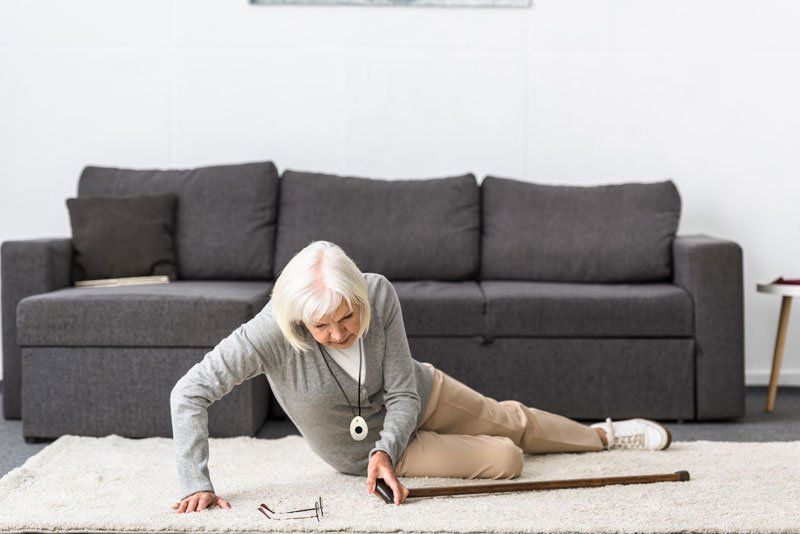
Learn about fall prevention in aged care, fall management strategies, risk factors and how personal alarms and medical alert systems can support older Australians.
Learn the early signs and symptoms of Motor Neurone Disease (MND), how it progresses, and practical ways to support independence and safety at home.

Learn how people with Motor Neurone Disease can receive priority access to Support at Home and AT-HM funding for aged care support in Australia.
About
INS LifeGuard is the only 24/7 nurse on-call personal and medical monitoring in Australia. We provide monitoring technology for both in the home and on the go and can also monitor other provider's equipment. Our services are suitable for anyone wanting support to stay independent such as the elderly, those with medical conditions and disabilities plus enhancing safety and security for lone workers.