

Have a Question?

Interconnected Smoke Alarms in Australia: What the Rules Mean and How Monitored Smoke Alarms Help
INS LifeGuard • October 23, 2026
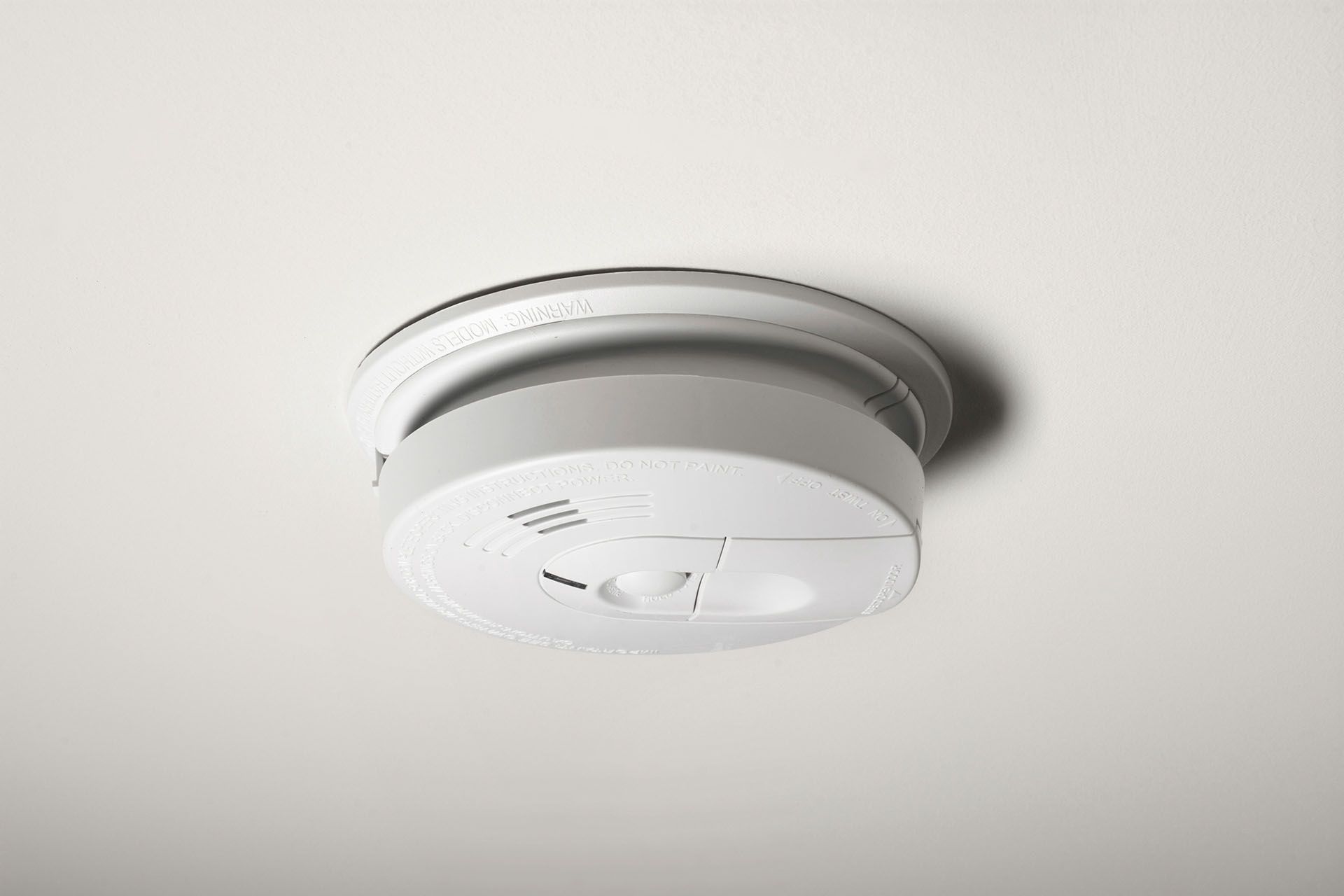
Smoke alarms are essential for home fire safety. But what happens if an alarm sounds and nobody is able to respond?
For older Australians, people living alone or those with limited mobility, an audible warning may not always be enough. That's where monitored smoke detectors can provide an additional layer of protection, alerting a 24/7 monitoring centre when smoke is detected.
In this guide, we explain how interconnected smoke alarms work, what Australian regulations require, and how INS LifeGuard's smoke detectors can connect with compatible monitored in-home personal alarms to provide additional protection through our 24/7 Clinical Operations Centre.
What Is an Interconnected Smoke Alarm?
Interconnected (or interlinked) smoke alarms are connected to each other, so when one detects smoke, every alarm in the home sounds at the same time. If a fire starts in the garage at night, the alarm in your bedroom goes off too, giving you more time to get out.
Alarms can be interconnected with wiring or wirelessly. Hardwired alarms run on 240V mains power with a backup battery and must be installed by a licensed electrician. Battery-powered alarms usually have a sealed 10-year lithium battery.
What Do the Rules Say?
Smoke alarm rules are set by each state and territory, so what you need depends on where you live, when your home was built and whether it's being rented or sold.
As a general guide, new homes built since 2014 (2015 in Western Australia) need mains-powered smoke alarms that are interconnected where more than one alarm is required. For existing homes, the rules vary much more between states.
Queensland's rules for all homes
Queensland has the strictest rules in the country. By 1 January 2027, every existing private home, townhouse and unit in Queensland must have interconnected photoelectric smoke alarms that:
- meet Australian Standard AS 3786-2014
- are installed in every bedroom, in hallways connecting bedrooms to the rest of the home, and on every storey
- are either hardwired by a licensed electrician or powered by a non-removable 10-year battery.
Rental properties and homes being sold in Queensland already have to meet these requirements.
In every other state and territory, check the current rules with your local fire service before you buy or replace alarms. If you rent, your landlord is usually responsible for installing and maintaining compliant alarms.
A Smoke Alarm and a Monitored Smoke Detector Do Different Jobs
A standard smoke alarm, whether interconnected or standalone, provides an audible warning when smoke is detected. However, it relies on someone being able to hear the alarm and respond.
A monitored smoke detector goes a step further. When it detects smoke, it sounds in your home and also sends an alarm to a monitoring centre that's staffed around the clock. If you can't respond, someone else knows there's a problem.
That second layer matters most for people who:
- live alone
- have hearing loss or sleep through loud noises
- have limited mobility or a health condition that would make it hard to get out quickly
- live in a retirement village or supported accommodation where staff need to know straight away.
A monitored smoke detector doesn't replace the smoke alarms your home is required to have. It works alongside them.
How INS LifeGuard Smoke Detector Monitoring Works
INS LifeGuard's RF smoke detectors run on 240V mains power and link wirelessly to compatible INS in-home alarms, so a smoke alarm is treated like any other alarm call. They need to be installed by a qualified electrician.
- The detector senses smoke. It sounds in your home, and an alarm is sent through your INS in-home alarm to our Clinical Operations Centre.
- Our team checks in with you. They try to speak with you through your alarm first, to find out whether it's a real fire or something like burnt toast. This helps avoid unnecessary call-outs.
- If there's a fire, or no one answers, the team calls emergency services and your nominated contacts. In retirement villages, on-site staff or fire wardens can be alerted too, depending on how the village protocols are set up.
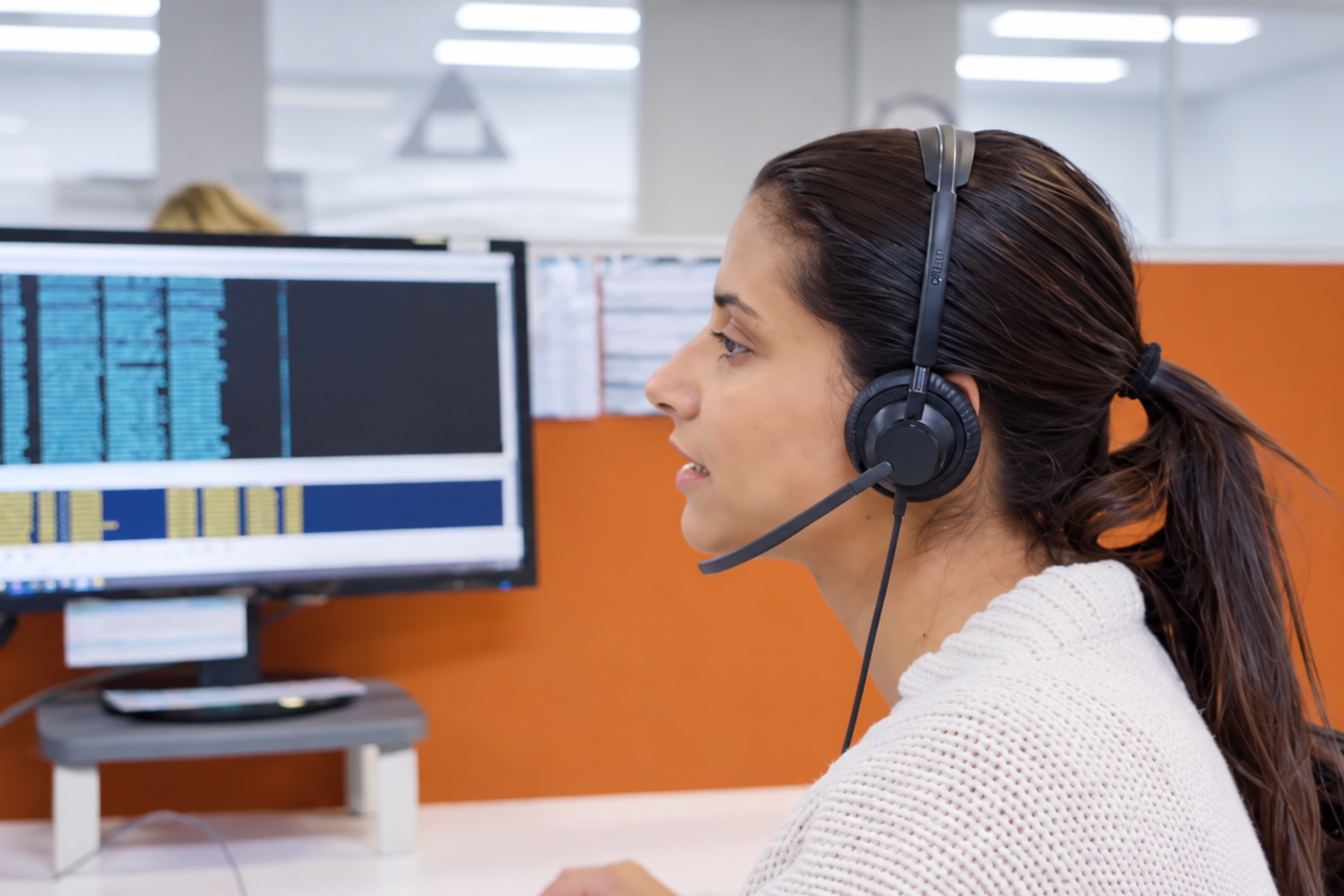
Our Clinical Operations Centre is staffed 24 hours a day, seven days a week by trained emergency responders, including Registered and Enrolled Nurses. Their clinical knowledge allows them to assess potential medical concerns, such as smoke inhalation or injury, and coordinate appropriate assistance when needed.
INS LifeGuard offers 240V smoke detectors with either 9V or 10-year lithium battery backup, with RF and non-RF options available. Compatible RF-equipped detectors can connect to selected INS LifeGuard in-home personal alarms, sending alerts to our 24/7 Clinical Operations Centre. Models supplied without RF can operate as standalone smoke alarms, while selected models also support hardwired interconnection or wireless interconnection with additional equipment.
A Visalert Plus flashing strobe light is also available for people who may benefit from a visual alert. Explore our smoke detector range to learn more.
See all the options in our smoke detector range.
Looking After Your Smoke Alarms
- Test every smoke alarm once a month by pressing the test button.
- Gently vacuum or wipe the vents every six months so dust doesn't build up.
- Replace the backup battery as the manufacturer recommends, unless it's a sealed 10-year battery.
- Replace smoke alarms that are more than 10 years old.
If you have an INS LifeGuard monitored smoke detector, tell our team when you're testing it, the same way you would when testing your pendant.
Frequently Asked Questions
Do I need interconnected smoke alarms?
It depends on your state or territory, when your home was built, and whether it is being rented or sold. As a general guide, new homes built since 2014 (2015 in Western Australia) need interconnected smoke alarms where more than one alarm is required, and every home in Queensland needs them by 1 January 2027. Check the current rules with your local fire service.
Does a monitored smoke detector meet interconnected smoke alarm laws?
Not necessarily. Interconnection and professional monitoring are two different functions.
Interconnected smoke alarms are designed to sound together when smoke is detected, while a monitored smoke detector sends an alert to an external monitoring service.
Adding INS LifeGuard monitoring does not automatically mean your smoke alarms meet your state or territory's legal requirements.
Your home must still have compliant smoke alarms installed in the required locations. Check with your local fire authority or a licensed electrician to confirm the requirements for your property.
Can I add a smoke detector to my existing INS LifeGuard alarm?
Call the INS LifeGuard team on 1800 636 226 to check whether a smoke detector can be added to your in-home alarm.
What happens if my smoke detector goes off while I'm cooking?
Our team will try to speak with you through your alarm first. If you tell them it's a false alarm, they won't call emergency services.
Are monitored smoke detectors suitable for retirement villages?
Yes. Villages can have smoke detector alarms sent to our Clinical Operations Centre alongside residents' personal alarms, with on-site staff alerted as part of the village's procedures. See our information for providers and organisations.
Add 24/7 Monitoring to Your Home Fire Safety
Smoke alarms provide an essential warning when smoke is detected. INS LifeGuard's monitored smoke detectors can add another layer of protection by alerting our 24/7 Clinical Operations Centre, even when someone at home may be unable to respond.
Whether you're looking for additional reassurance at home or exploring monitored smoke detection for a retirement village, our team can help you understand the available options.
Call INS LifeGuard on 1800 636 226 to discuss compatible smoke detectors and monitoring solutions.
Our customer service team is available Monday to Friday, 7:30 am to 5:00 pm AEST. Emergency alarm monitoring operates 24 hours a day, seven days a week.
Disclaimer: This article provides general information only. Smoke alarm requirements differ between states and territories and change over time. Check current requirements with your local fire service or a licensed electrician.
Last updated: 23 October 2026
About
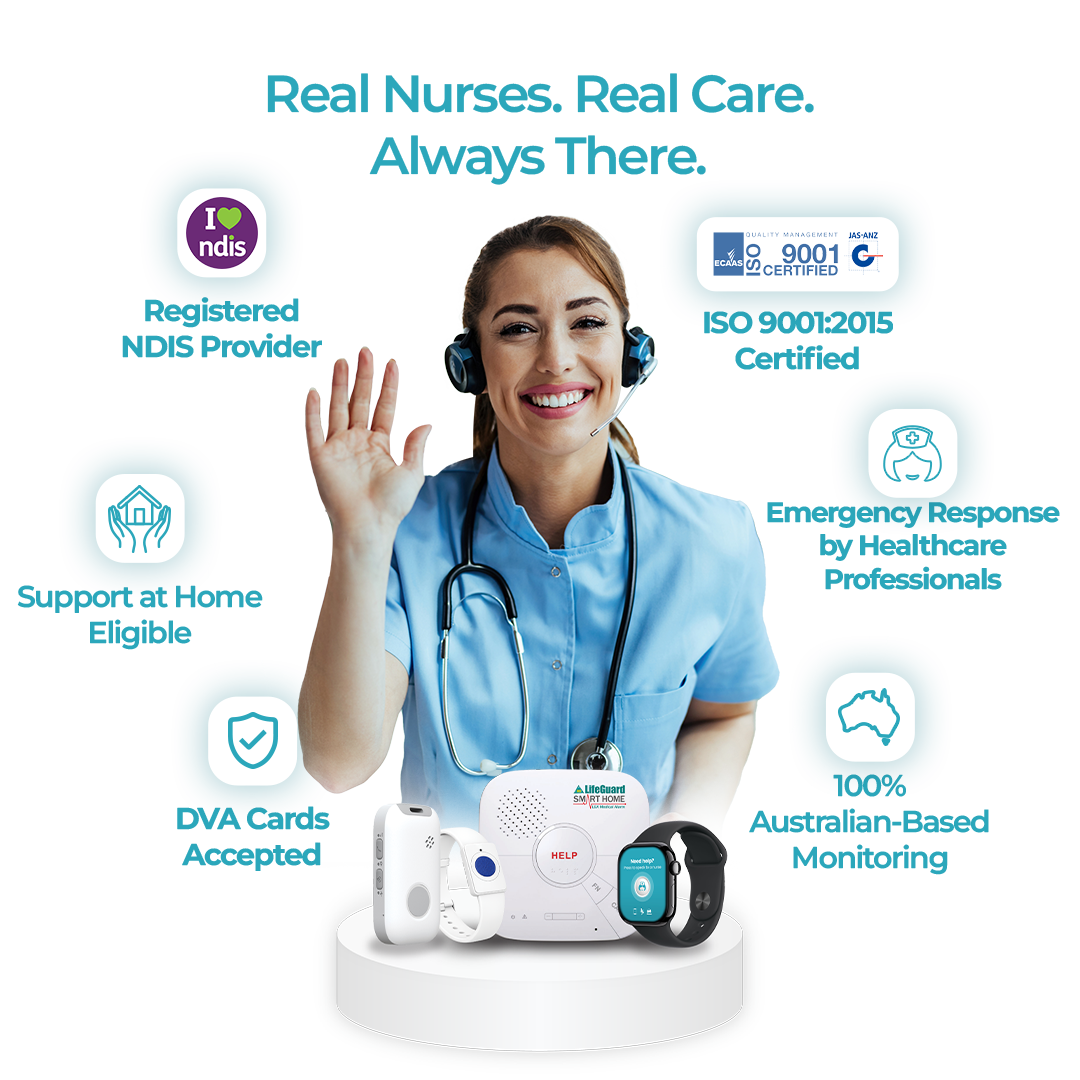
INS LifeGuard is the only 24/7 nurse on-call personal and medical monitoring in Australia. We provide monitoring technology for both in the home and on the go and can also monitor other provider's equipment. Our services are suitable for anyone wanting support to stay independent such as the elderly, those with medical conditions and disabilities plus enhancing safety and security for lone workers.