
Have a Question?

How to Talk to Your Elderly Parent About Getting a Personal Alarm
INS LifeGuard • June 23, 2026
If you have been putting off the conversation about a personal alarm for your elderly parent, you are not alone.
Many adult children know something needs to change: a parent living alone, a recent fall or near-fall, a chronic health condition that is becoming harder to manage, or simply a growing feeling that something could go wrong and no one would know in time.
But bringing it up feels difficult. You do not want to upset them. You do not want them to feel as though they are losing their independence. And you do not want the conversation to end in an argument that makes things worse.
This guide is for families who are at that point. It covers how to approach the conversation, what to say, how to handle resistance, and how personal alarms have changed because the options available today look very different from what most people picture.
Why the conversation feels so hard
Before getting into what to say, it helps to understand why this conversation is difficult for both sides.
For adult children, there is often a mix of concern and guilt. You want your parent to be safe, but you do not want to be the one who takes something away from them. Raising the idea of a personal alarm can feel like you are saying, "We no longer trust you to manage on your own."
For elderly parents, the resistance often comes from the same place as independence. A personal alarm can feel like a symbol of decline, a sign that others see them as frail or incapable. Many people also have a picture in their mind of a dated "help I've fallen" button worn around the neck, which feels far removed from who they are and how they live.
Both of these responses are completely understandable. The key is to approach the conversation in a way that addresses both.
Choose the right moment
Timing matters.
Do not raise the topic immediately after an incident, when emotions are running high, and your parent may already feel embarrassed or vulnerable. And do not bring it up in passing, in front of other people, or when either of you is rushed or stressed.
Choose a calm, private moment when there is time to talk properly. A visit at home often works better than a phone call, because it allows for a real conversation rather than a quick exchange.
If other family members share the concern, it can help to align on your approach beforehand. A consistent, caring message from the family lands differently from what can feel like an ambush.
Lead with love, not fear
The way you open the conversation sets the tone for everything that follows.
Starting with fear — what if you fall and no one finds you for hours — can feel alarming and may immediately put your parent on the defensive. It can also feel disrespectful, as though you are focused on worst-case scenarios rather than their actual life.
Starting with love and respect lands very differently.
Instead of: "We're really worried about you living alone. What if something happens?"
Try: "You've always been so independent and we want you to stay that way. We've been thinking about whether there's anything that could give us all a bit more peace of mind."
Instead of: "You really need to get one of those emergency buttons."
Try: "We came across something we thought was worth looking into together. It's not what you'd expect — can we show you?"
The goal at this stage is not to convince. It is to open a door.
Reframe what a personal alarm actually is
One of the biggest barriers is the image people have of personal alarms and for many elderly parents, that image is the reason they say no before the conversation even gets started.
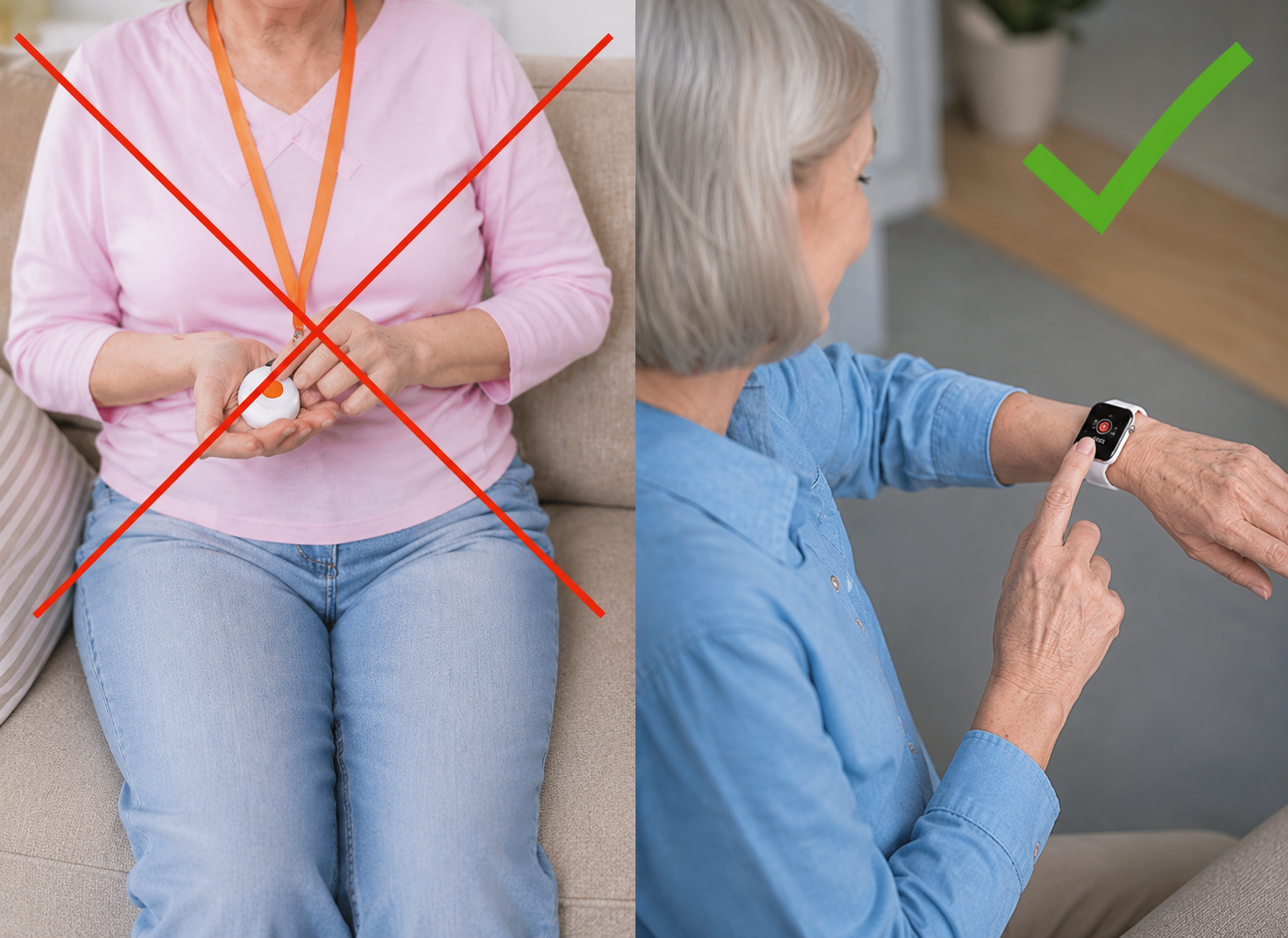
Most people still picture a large plastic button on a cord, worn around the neck, that signals to everyone that the wearer needs watching. This image carries a lot of weight. It feels clinical, obvious and, for many people, deeply at odds with how they see themselves.
The reality of personal alarms for the elderly in 2026 is very different and for parents who are active, social and want to maintain their appearance and dignity, this is often the part of the conversation that changes everything.
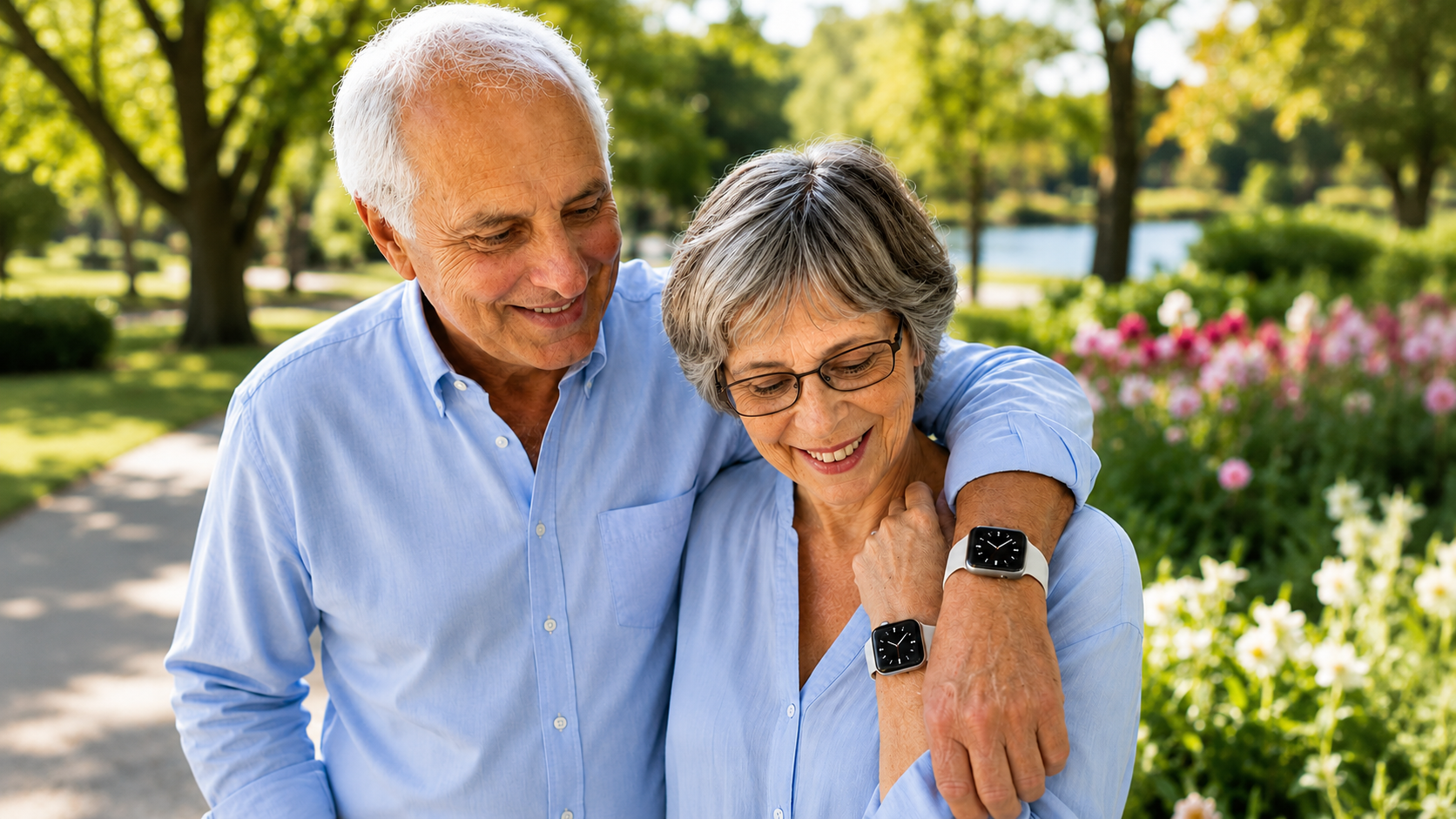
A personal alarm for an elderly parent today might be:
- A supplied smartwatch — The INS LifeGuardian® Watch is a fully functional Samsung or Apple watch with personal alarm and health monitoring built in. It looks and works exactly like any other smartwatch — because it is one.
- BYO smartwatch — Already have a compatible Samsung or Apple watch? The INS LifeGuardian® App connects to your existing watch and adds personal alarm and monitoring features to a device you already wear every day.
- BYO smartphone — No smartwatch needed. The INS LifeGuardian® App turns a compatible smartphone into a personal alarm, so your parent can have monitored protection using a device they already know how to use.
- A discreet wrist alarm — Designed to look like a watch, this option suits parents who want something simple and unobtrusive without any smartphone or smartwatch involvement.
- A pendant alarm — Worn discreetly under clothing if preferred, it is a straightforward option for parents who want reliable protection without wearing anything on their wrist.
For elderly parents who do not want to stand out, look unwell or wear something that feels like a medical device, the smartwatch and app options are a genuine alternative. They look like everyday technology because they are; the personal alarm features simply run in the background.
What can a personal alarm monitor do beyond emergencies?
Many people resist the idea of a fall alarm for the elderly because they associate it only with emergencies. That framing makes it feel like an admission that they are at high risk, which can feel confronting.
A different, more honest angle is to talk about what modern personal alarms can monitor day-to-day.
For parents with an underlying health condition such as heart disease, diabetes, arthritis, respiratory conditions or other chronic illnesses, health monitoring can be genuinely useful, not just reassuring. Compatible smartwatch options through INS LifeGuard can monitor:
- Heart rate and irregular rhythms
- Blood oxygen levels
- Activity and movement patterns
- Sleep quality
- Changes in gait or walking steadiness that may indicate increased fall risk
- Safety check-ins
This shifts the conversation from what happens when something goes wrong to this could actually be useful for managing your health every day. For many parents, that is a much easier thing to say yes to.
Address the independence argument directly
If your parent says they do not want one because they value their independence, meet that argument head on, because a personal alarm, framed correctly, actually supports independence rather than undermining it.
But independence is not the only reason people say no.
Stigma plays a significant role too.
It is not always about independence though. For many people, the image of a personal alarm is reason enough to hesitate. A large pendant worn around the neck or a bulky wrist transmitter signals to everyone in the room that the person wearing it needs watching. For someone who is active, social and values their appearance, that can feel deeply at odds with how they see themselves. And that feeling alone can be enough to make them say no, even when they know the device could help them.
This matters because stigma-driven hesitation is not just understandable. It is a safety risk. People who avoid wearing a personal alarm because of how it looks are the people most likely to be without help when something goes wrong.
The INS LifeGuardian® Watch changes that equation entirely. It is a fully functional Samsung or Apple smartwatch, indistinguishable from the kind of watch worn by people of all ages, every day. Nobody looking at it would know it includes 24/7 nurse-monitored personal alarm features, fall detection, GPS and health monitoring. It looks like everyday technology because it is.
And because it is a smartwatch, it does far more than respond to emergencies. On the Premium plan, your vital signs, including heart rate, blood oxygen levels, respiratory rate and ECG, are monitored by our nurses around the clock. This shifts the conversation from a device you wear in case something goes wrong, to one that actively supports your health and wellbeing every day.
Here is the honest case for independence:
A personal alarm means your parent can move around the home, garden, shower, go for walks and live their daily life knowing that if something goes wrong, help is a button press away. That security can reduce anxiety for both your parent and your family, and may actually give them more confidence to do the things they enjoy.
Without a personal alarm, the alternative is often more checking in, more family concern and more pressure to consider other living arrangements. A personal alarm for elderly parents can be what keeps someone living independently at home for longer.
This matters because stigma-driven hesitation is not just understandable. It is a safety risk. People who avoid wearing a personal alarm because of how it looks are the people most likely to be without help when something goes wrong.
You could say:
"Getting one of these doesn't mean you're giving anything up. It means you get to keep doing everything you're doing now, just with a way to call for help if you ever need it. And this one just looks like a smartwatch, because it is one."
When a parent refuses and then it works
Sometimes the hardest part is not the conversation itself. It is the wait.
Many families spend months or even years trying to convince a parent to wear a personal alarm, only to be met with the same answer: I don't need it. For adult children watching from a distance, that can be an incredibly frustrating and frightening place to be.
This call came in to INS LifeGuard from a man whose father had refused to wear his device for over a year until one of our nurses took the time to explain it properly.
VIDEO TRANSCRIPT
Hi, I'm just wondering — is this customer services for INS LifeGuard?
Yes.
I just wanted to say thank you very much. I wanted to thank Lisa so very much because basically my dad has refused to use it for the last year or so. Then when I went over to Australia about a month ago, I came back and spoke to Lisa — she rang him, did a check-in, explained the whole system, explained what to do and told him to put his watch on. And he did all of that.
It worked out — well, it didn't work out perfect. He had a fall last night. I was on last night. The ambulance was called and his neighbour attended and sat with him.
But it was bloody wonderful. He wouldn't have listened to me anyway — but Lisa explained it to him so well. And it actually works.
I just wanted to say thank you. Thank you so much.
No worries — I'll let Lisa know, I'll send her a message.
Thank you. Cheers. Bye.
Sometimes it takes a nurse — someone outside the family, with the right knowledge and the right approach — to have the conversation that finally lands.
Acknowledge that it is their decision
This is important.
You can share information, express concern and make suggestions. But ultimately, the decision belongs to your parent. Making that clear — and meaning it — often makes the conversation go better than pushing for an immediate yes.
If they are not ready, do not force it. Leave the door open. Let them know you are happy to look at options together when they are ready. Sometimes, a follow-up conversation a few weeks later, after they have had time to think, goes more smoothly than the first.
If there has been a recent health event — a fall, a hospital admission, a new diagnosis — that may prompt them to revisit the idea themselves.
Involve them in choosing
If your parent is open to exploring the idea, involve them in the process rather than presenting a done deal.
Look at options together. Let them see what different devices look like. Ask what matters to them — do they want something discreet? Something that works outside the home as well as inside? Something that connects to family? Something that also monitors their health?
For parents who already own a compatible smartphone or smartwatch, finding out that they may not need a new device at all — that an app can add these features to what they already have — is often a pleasant surprise.
What to say if your parent lives alone
For elderly parents who live alone, the conversation about a personal alarm often feels more urgent and more emotionally loaded.
It helps to be specific about what you are worried about, without catastrophising.
You could say:
"I know you manage really well on your own, and I want that to continue. I just think about the times when I'm not able to check in, and I want to know you'd have a way to get help if you needed it. It's not about not trusting you — it's about making sure you're covered."
Many elderly people who live alone are actually more open to personal alarms than their families expect, once the conversation is framed around their own peace of mind rather than the family's worry.
When mobility changes or a chronic condition is part of the picture
For parents managing arthritis, heart conditions, diabetes, respiratory conditions or other ongoing health issues, fall risk and health monitoring become more relevant and often easier to raise as reasons to consider a personal alarm.
Mobility changes that families should watch for include holding onto furniture, avoiding stairs or outdoor paths, taking longer to get out of chairs or bed, near-falls, unexplained bruises or reduced confidence when walking. These are signs that the home environment and emergency response options may need to be reviewed.
If your parent has a chronic condition that is being actively managed, health monitoring features available on compatible smartwatches may also be genuinely useful to their healthcare team, not just to the family.
For more on the link between health conditions, mobility and fall risk, see our guide: Arthritis, Mobility and Falls: What Families Should Know.
Why the emergency response behind the alarms matter
Once your parent is open to the idea, it is worth explaining what makes INS LifeGuard different from other personal alarm providers.
Many families assume that when a personal alarm is pressed, it connects to a basic call centre that then calls a family member. That is not how INS LifeGuard works.
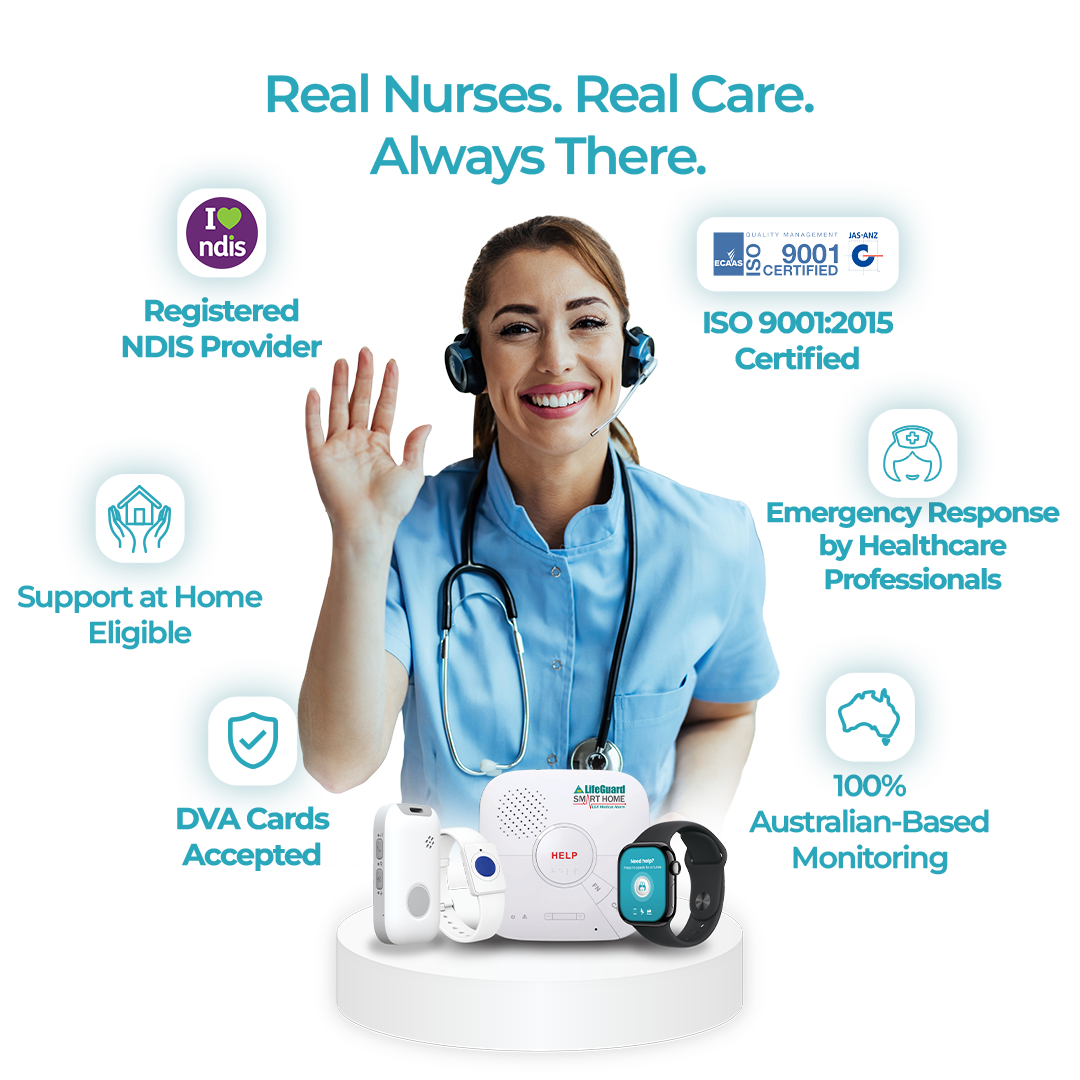
INS LifeGuard's Emergency Response Centre is staffed 24 hours a day, seven days a week by trained emergency responders who are also qualified healthcare professionals, including Registered and Enrolled Nurses.
That means when your parent presses their alarm — or if a fall is detected automatically — they are connected to someone who can genuinely assess the situation, provide reassurance, determine whether it is a medical emergency, contact family or carers, and escalate to emergency services when needed.
For a parent who is managing a health condition, this kind of response can make a real difference. Some calls will be urgent. Others may involve pain, uncertainty after a near-fall, or simply not knowing whether something warrants a call to a GP. A qualified nurse on the other end of the line can help with all of those situations.
For families, it means your parent is not relying on you to be available every time something happens.
How INS LifeGuard can help
INS LifeGuard offers a range of personal alarm solutions for elderly Australians, including options for home, on the go and everyday health monitoring, designed for people who do not want to stand out or wear something that looks like a medical device.
For elderly parents who value their appearance and independence, the stigma-free options are often where the conversation shifts:
Smartwatch personal alarms — supplied Samsung and Apple smartwatches that look like everyday technology, worn by people of all ages. Nobody looking at them would know they include 24/7 nurse-monitored personal alarm features.
The INS LifeGuardian® App — for parents who already own a compatible smartphone or smartwatch, the app adds personal alarm features to a device they already use every day. No new device, no visible change, no reason for anyone to know.
Beyond those, the full range includes:
- In-home personal alarms
- Wearable pendant and wrist alarms
- Fall detection and automatic alerts
- Health monitoring on compatible devices, including heart rate, blood oxygen, activity, gait and movement
- Safety check-ins and welfare checks
- 24/7 nurse-led emergency response
- Health information and chat line
- Family and carer connection tools
Whether your parent lives alone, has a chronic health condition, has had a recent fall or near-fall, or is simply at a stage where a little extra reassurance would help — INS LifeGuard can help you find the best personal alarm for your elderly parent that fits their life and feels right for them.
Speak with INS LifeGuard about personal alarm options for elderly Australians.
Visit inslifeguard.com.au | Call 1800 636 226
Frequently Asked Questions
How do I convince my elderly parent to get a personal alarm?
Focus on independence rather than risk. Explain that a personal alarm helps them stay at home and keep doing what they enjoy, with the reassurance that help is available if needed. Show them what modern options look like. Many elderly parents are surprised to find that a personal alarm can be a smartwatch or an app on a device they already own.
What is the best personal alarm for an elderly person living alone?
The best personal alarm for an elderly parent living alone depends on their lifestyle, health, comfort and whether they already own a compatible device. INS LifeGuard offers a range of options, including wearable pendants, wrist alarms, supplied smartwatches and a BYO app. Speaking with the INS LifeGuard team can help you find the right fit.
Are there personal alarms for elderly people that don't look like medical devices?
Yes. Smartwatch personal alarms from INS LifeGuard, including Samsung and Apple watch standard smartwatches. The INS LifeGuardian® App also works with compatible devices your parent may already own, so there is no new device to get used to and nothing that signals to others that they are wearing a personal alarm.
Can a personal alarm help with chronic health conditions, not just falls?
Yes. Compatible smartwatch options through INS LifeGuard can monitor heart rate, blood oxygen levels, activity, sleep and movement patterns. This can be useful for people managing ongoing health conditions as well as for fall detection and emergency response.
What happens when an INS LifeGuard alarm is pressed?
The call is answered 24/7 by trained emergency responders who are also qualified nurses, including Registered and Enrolled Nurses. They assess the situation, provide clinical care as needed, offer reassurance, contact the nominated family or carers, and escalate to emergency services when required.
At what point should families consider a personal alarm for an elderly parent?
It is worth considering if your parent lives alone, has had a fall or near-fall, has a chronic health condition, has reduced confidence with mobility, has recently left the hospital, or if family members are concerned about what would happen in an emergency. A personal alarm is not only for frail people but also for those who are still active and independent.
Conclusion
The conversation about a personal alarm for an elderly parent does not have to be difficult.
When approached with respect, with the right information, and with an understanding of what modern personal alarms actually look like, many families find that their parent is more open to the idea than expected, particularly when the options include small wearables, smartwatches and apps that look nothing like traditional medical alarms.
The goal is the same for everyone: to stay safe, independent and confident at home for as long as possible. INS LifeGuard can help make that possible.
Speak with our team about personal alarm solutions for elderly Australians, for use at home, on the go, and for everyday health support.
Related Articles
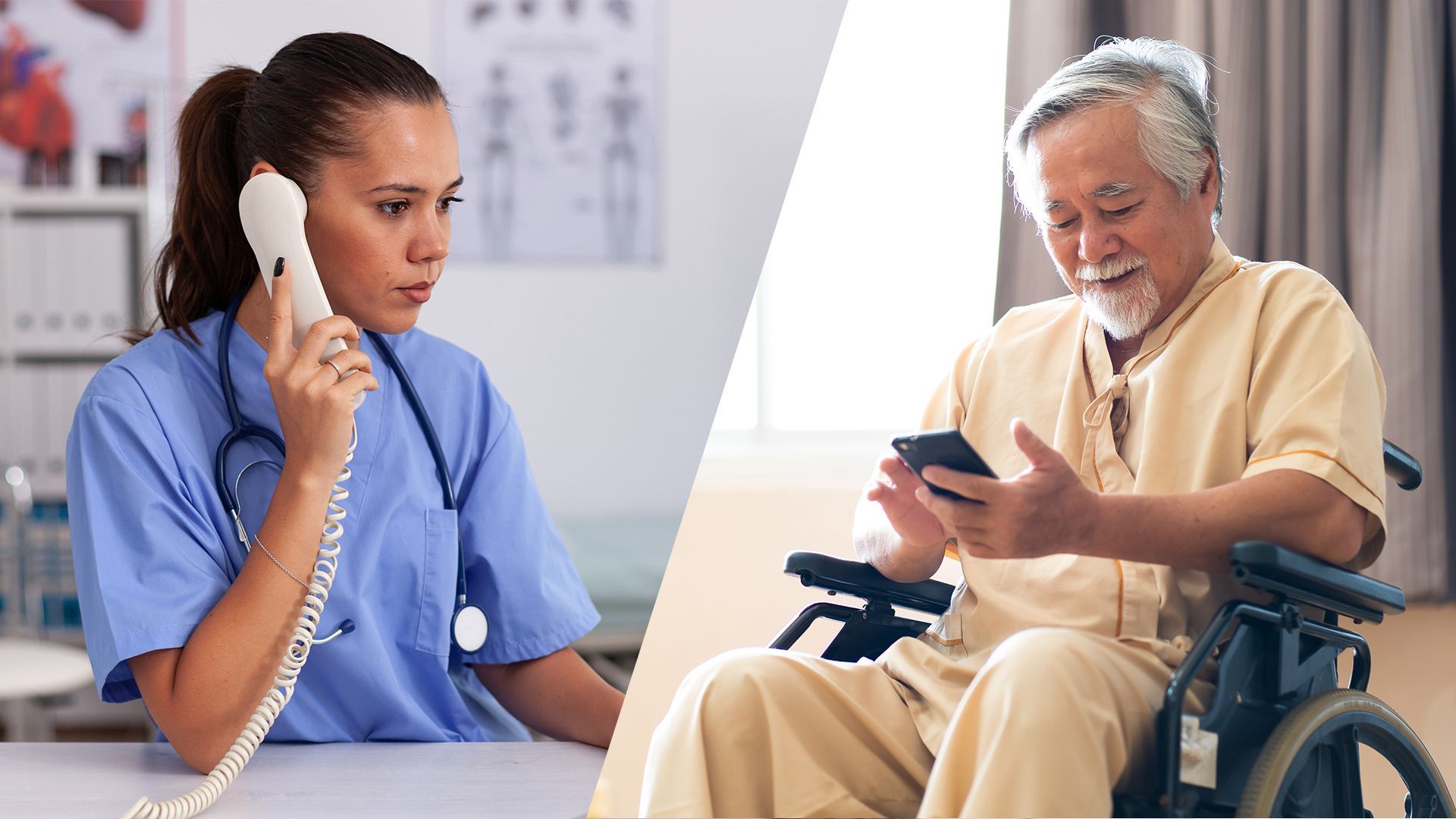
Hospital stays can be stressful, especially when transitioning home or to without the support of an aged care facility. INS LifeGuard provides essential services to help patients leave the hospital safely and confidently, ensuring needed support and ongoing care.

From mammograms to bowel and lung cancer checks, here's what health screening is available in Australia after 50, what it involves, and why it matters.
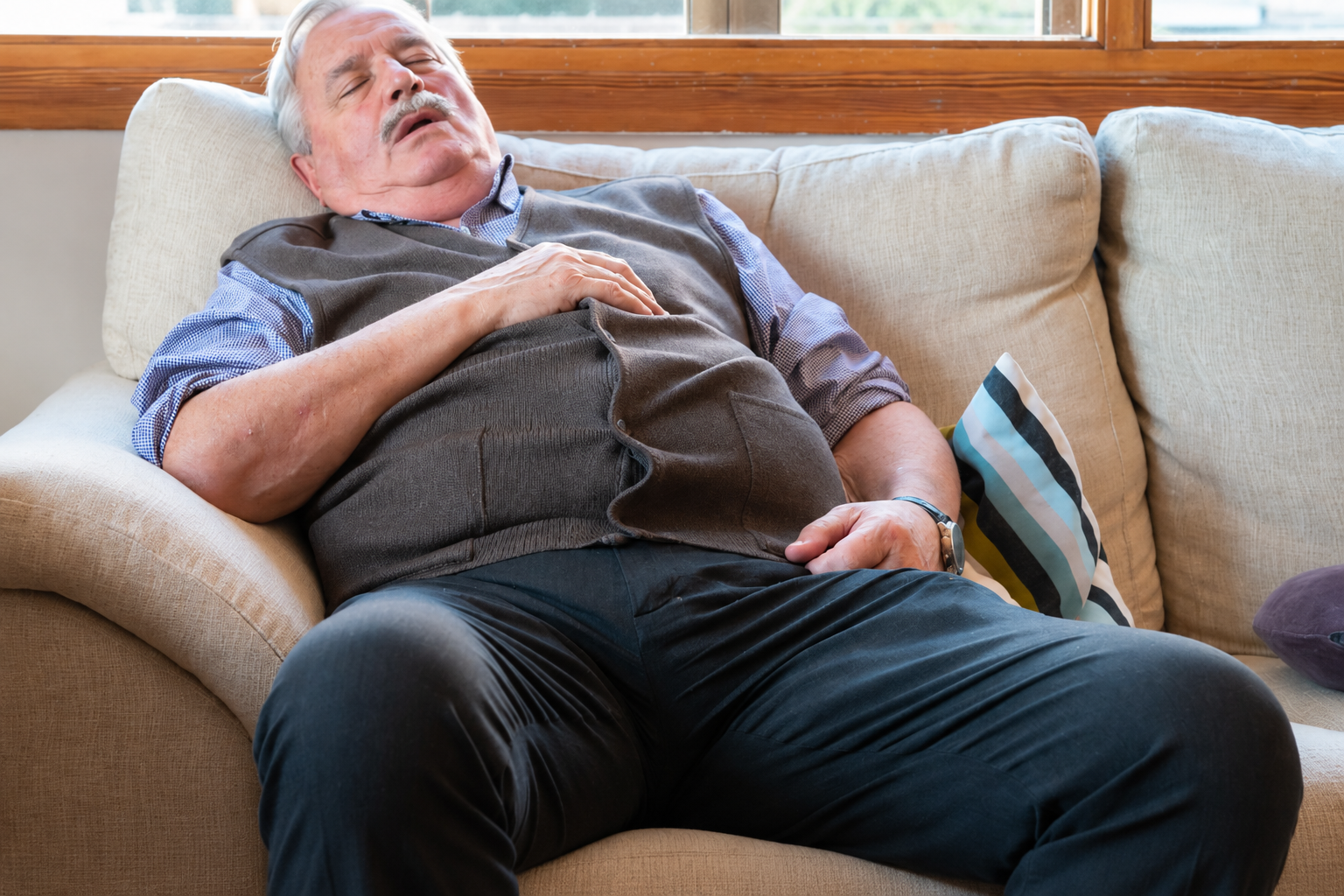
Uncover if falling asleep after meals is a warning sign for diabetes. Learn about possible symptoms, risk factors, and prevention methods.
About
INS LifeGuard is the only 24/7 nurse on-call personal and medical monitoring in Australia. We provide monitoring technology for both in the home and on the go and can also monitor other provider's equipment. Our services are suitable for anyone wanting support to stay independent such as the elderly, those with medical conditions and disabilities plus enhancing safety and security for lone workers.