
Have a Question?

Why Wearable Health Technology Is Australia’s Leading Fitness Trend in 2026
INS LifeGuard • March 21, 2026

Fitness trends evolve every year, but in 2026 one innovation stands out above the rest: wearable health technology.
From smartwatches and fitness trackers to smart rings and advanced health monitoring devices, wearables are transforming how Australians approach exercise, wellbeing, and long-term health. What started as simple step counters has evolved into a powerful ecosystem of tools capable of tracking heart rate, sleep, recovery, stress, blood oxygen, and more.
In this blog, we explore why wearable health technology has become Australia’s leading fitness trend in 2026, how these devices work, and what this means for the future of health and fitness.
What Is Wearable Health Technology?
It refers to electronic devices worn on the body that continuously collect and analyse health and activity data. These devices connect to mobile apps or cloud-based platforms to provide real-time insights into physical and physiological performance.
Modern wearables use advanced sensors such as accelerometers, optical heart-rate monitors (PPG), temperature sensors, and in some cases ECG functionality to track key health metrics.
What sets today’s devices apart is their ability to convert raw data into meaningful insights, helping users make smarter decisions about their health every day.
The Rapid Growth of Wearables in Australia
Australia’s wearable technology market is projected to reach a value of approximately AUD 3.84 billion in 2025. It is anticipated to expand steadily, with an average annual growth rate of 8.00% from 2026 through to 2035, potentially rising to nearly AUD 8.29 billion by the end of that period.
As Australians become more proactive about their health, wearable devices are becoming an essential part of everyday life.
Why Wearables Are the #1 Fitness Trend in 2026
Wearable technology ranks as the number one fitness trend for 2026.
Unlike short-term fitness fads, wearables represent a long-term shift towards data-driven health and personalised care. Fitness professionals, healthcare providers, and everyday users are now relying on these devices to support:
1. Real-Time Health Monitoring
One of the biggest advantages of wearable technology is continuous health tracking.
- Heart rate and heart rate variability
- Physical activity and step count
- Sleep cycles and quality
- Stress levels
- Blood oxygen (SpO₂)
- Skin temperature trends
This constant feedback allows users to better understand how their body responds to exercise, rest, and daily life.
When paired with professional monitoring services, this data becomes even more valuable, enabling early detection of potential health issues and faster response when something is not right.
2. Personalised Fitness Insights
Fitness is no longer based on guesswork.
Wearable devices analyse collected data to provide personalised recommendations such as:
- Optimal workout intensity
- Recovery time between sessions
- Daily movement targets
- Sleep and stress management insights
This level of personalisation helps users train more effectively, reduce injury risk, and improve overall outcomes.
3. Motivation and Accountability
Consistency is often the hardest part of maintaining a healthy lifestyle.
Wearables help solve this by making progress visible and measurable through features like:
- Activity rings and daily goals
- Notifications and reminders
- Weekly performance summaries
- Achievement milestones
Seeing real-time progress builds accountability and encourages long-term behaviour change, one of the key drivers behind improved health outcomes.
4. Integration With Apps and Platforms
Wearable technology integrates effortlessly with a wide range of apps and platforms, including:
- Fitness and training apps
- Nutrition tracking tools
- Mental wellbeing and meditation apps
- Telehealth and remote monitoring systems
This connectivity allows both individuals and health professionals to track progress and adjust strategies based on real data.
For INS LifeGuard, this integration is taken a step further, connecting wearable data directly with healthcare professionals who can respond when intervention is needed.
5. A Holistic Approach to Health
Modern wearable technology is no longer limited to tracking steps or workouts.
Today’s devices support a more comprehensive view of health by monitoring:
- Physical performance
- Mental wellbeing and stress
- Sleep and recovery
- Early signs of health irregularities
In healthcare settings, wearable data is increasingly used to support rehabilitation, chronic condition management, and preventative care strategies.
Popular Wearable Devices in 2026
Wearable health technology continues to evolve rapidly, with several device types dominating the Australian market in 2026. These devices go far beyond simple step tracking and now provide detailed insights into health, safety, and wellbeing.
Smartwatches
Smartwatches remain the most widely used wearable devices, combining advanced health tracking with everyday convenience. Modern smartwatches can monitor metrics such as heart rate, sleep patterns, blood oxygen levels, activity levels, and even ECG readings.
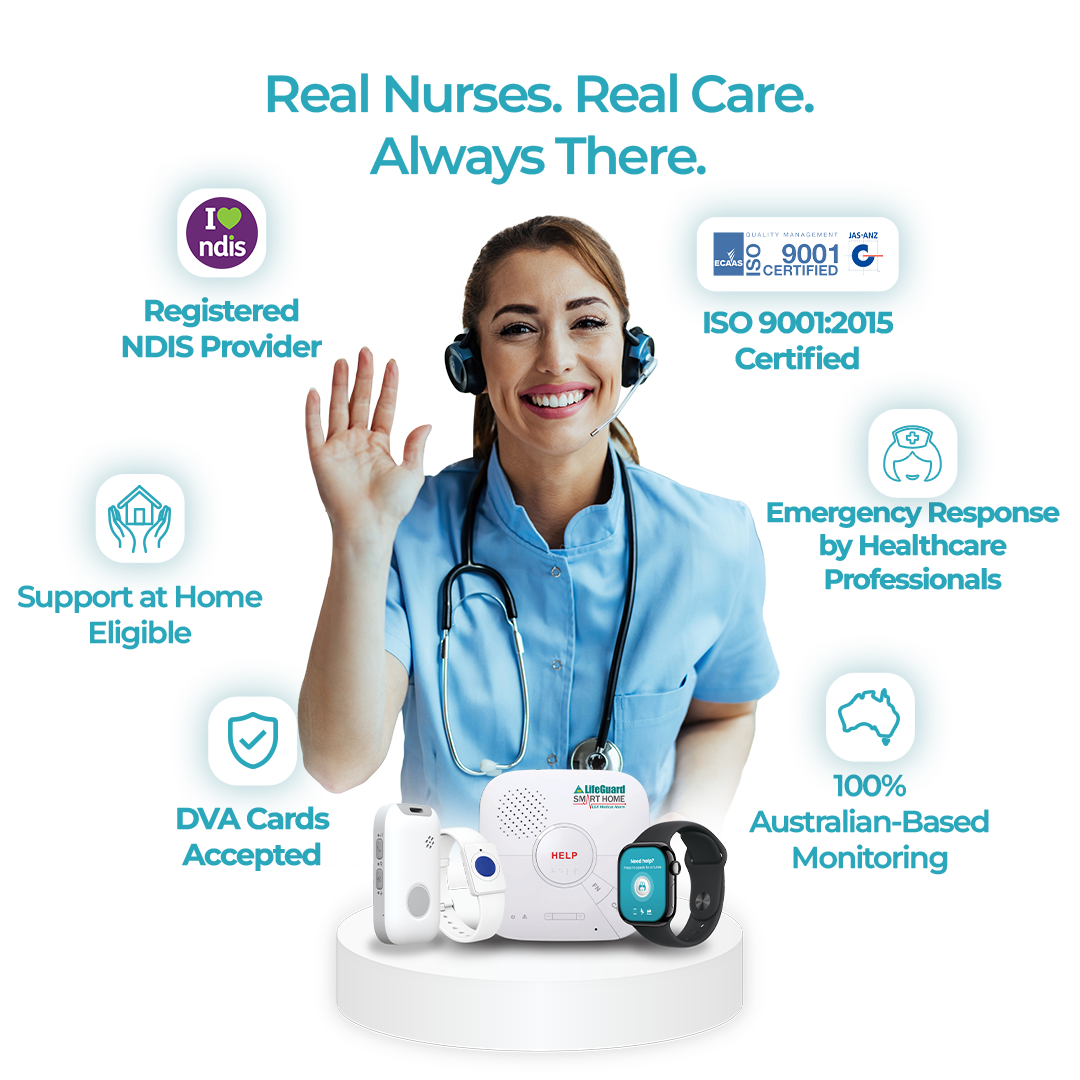
INS LifeGuardian® Watch goes beyond standard fitness tracking by integrating a smartwatch with fully monitored personal alarm and health support system. It provides discreet safety through Apple or Samsung smartwatches, allowing users to trigger an emergency alert instantly or automatically via features such as fall and crash detection, while continuously monitoring vital signs including heart rate, oxygen levels, and respiratory rate.
What makes it unique is its direct connection to a 24/7 nurse-led response centre, where our qualified nurses can assess alerts, provide immediate support, and coordinate emergency services if needed.
Fitness Trackers
Fitness bands are lightweight wearable trackers designed primarily for physical activity monitoring. They typically track:
- Steps and daily movement
- Calories burned
- Sleep quality
- Heart rate during exercise
Many Australians choose fitness bands because they are simple, affordable, and easy to wear throughout the day.
Smart Rings
Compact wearable rings that focus on continuous monitoring of sleep quality, heart rate, body temperature, and recovery metrics using built-in sensors.
Safety and Health Monitoring Wearables
Another rapidly growing category is health and safety wearables, which combine traditional fitness tracking with emergency support and medical monitoring.
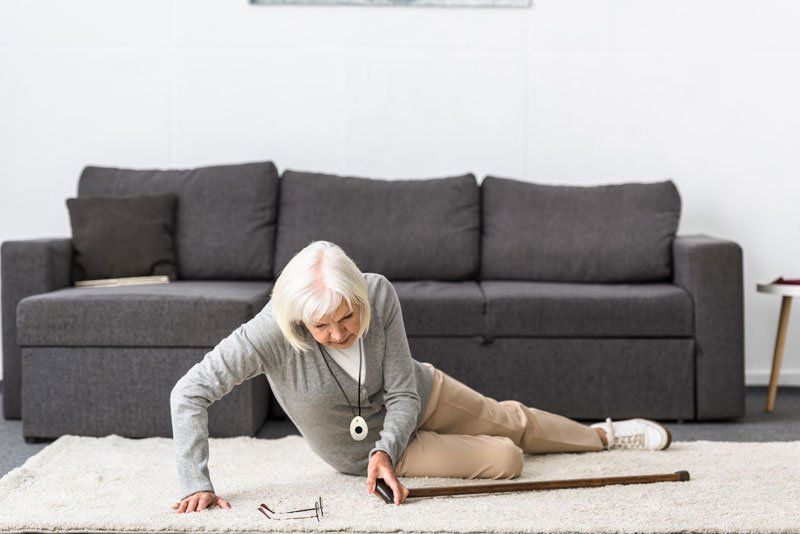
INS LifeGuard bring together key features such as GPS location tracking, fall detection, vital sign monitoring, and direct access to a 24/7 emergency response centre. This means users are not only tracking their health, but are also connected to immediate support when it matters most.
Our real-time health and safety wearables are especially valuable for older Australians living independently, individuals managing medical conditions, lone workers, and anyone seeking extra safety while exercising or travelling.
Final Thoughts
Wearable health technology is reshaping the way Australians monitor and manage their health.
With INS LifeGuardian®, users can either download the app from the Apple App Store or Google Play and pair it with their own compatible smartwatch, or choose the INS LifeGuardian® Watch plan, which includes a compatible Apple or Samsung smartwatch and access to the app. This makes it easier to track health data in real time and stay informed about overall well-being.
While INS LifeGuardian® is the technology platform, INS LifeGuard is the team behind the monitoring and nurse support. Health readings are monitored by nurses, alerts can be raised when readings are of concern, and users can speak with a nurse whenever support is needed.
By combining smart technology with real clinical oversight, INS LifeGuardian® and INS LifeGuard deliver a more proactive and reassuring approach to health monitoring.
Call 1800 636 040 or visit our website to learn more.
About
INS LifeGuard is the only 24/7 nurse on-call personal and medical monitoring in Australia. We provide monitoring technology for both in the home and on the go and can also monitor other provider's equipment. Our services are suitable for anyone wanting support to stay independent such as the elderly, those with medical conditions and disabilities plus enhancing safety and security for lone workers.