

Have a Question?


Urinary Tract Infections in Older Adults: Symptoms, Risks and Prevention
INS LifeGuard • March 21, 2026

Urinary tract infections (UTIs) are one of the most common infections affecting older Australians. While they can occur at any age, the likelihood increases significantly after 65. In older adults, UTIs may not present with the familiar symptoms seen in younger people. Instead of pain when urinating or frequent bathroom visits, infections can appear as confusion, fatigue, or sudden behavioural changes.
Because these symptoms can be mistaken for other age-related health conditions, UTIs in older adults are sometimes overlooked until complications develop.
Understanding the risks, recognising early warning signs, and seeking prompt medical care are important steps in protecting the health and independence of older Australians.
How Common Are UTIs in Older Adults?
UTIs become more frequent as people age, particularly among women. Research suggests:
- Around 10% of women over 65 experience a UTI each year
- Nearly 30% of women aged over 85 develop a UTI annually
- UTIs are the second most common infection among older adults, after respiratory infections
Older men are also at risk, especially when prostate conditions interfere with normal bladder emptying. Infections among older adults can contribute to hospital admissions and health complications when not recognised early.
Why the Risk of UTIs Increases with Age
Several physiological and medical factors contribute to the increased risk of urinary tract infections as people grow older.
Understanding these underlying causes can help families, carers, and healthcare providers recognise when additional monitoring or preventative care may be beneficial.
Weakened Immune System
As people age, the immune system gradually becomes less effective at fighting infections, a process known as immunosenescence. This reduced response allows bacteria to multiply more easily in the urinary tract.
The most common cause of UTIs is Escherichia coli (E. coli), bacteria that normally live in the digestive system but can enter the urinary tract.
Urinary Retention
Incomplete bladder emptying allows bacteria to remain in the urinary tract, increasing infection risk.
Common causes include:
- Enlarged prostate (benign prostatic hyperplasia)
- Weak bladder muscles
- Pelvic organ prolapse
- Nerve damage affecting bladder control
Hormonal Changes
After menopause, reduced estrogen levels can alter the balance of healthy bacteria around the urinary tract. These changes may make it easier for harmful bacteria to grow and cause infection.
Medical Devices and Procedures
Some older adults require urinary catheters to assist with bladder drainage. While sometimes medically necessary, catheters can increase the risk of bacteria entering the urinary tract if not carefully managed.
Healthcare-associated UTIs are a recognised risk in hospitals and aged care settings.
Chronic Health Conditions
Many older adults live with chronic illnesses that increase infection risk. Examples include:
- Diabetes, which can increase bacterial growth in urine
- Neurological conditions such as Parkinson’s disease
- Cognitive disorders that affect hygiene or awareness of symptoms
Unusual UTI Symptoms in Older Adults
One of the biggest challenges with UTIs in seniors is that symptoms can differ significantly from the typical signs seen in younger people.
Common symptoms in younger adults include:
- Burning when urinating
- Frequent urination
- Lower abdominal discomfort
Older adults, however, may experience more subtle or unexpected symptoms.
Possible warning signs include:
- Sudden confusion or delirium
- Increased agitation or behavioural changes
- Extreme fatigue or weakness
- Loss of appetite
- Dizziness or falls
These symptoms are often mistaken for dehydration, medication side effects, or progression of dementia. Because of this, healthcare professionals often investigate possible infections when sudden cognitive or physical changes occur.
Potential Complications of Untreated UTIs
While many UTIs are treatable with antibiotics, untreated infections can lead to serious health complications in elderly patients.
High Risk of Sepsis
In some cases, bacteria from a urinary infection can spread into the bloodstream, leading to urosepsis, a potentially life-threatening condition.
Warning signs of sepsis may include:
- Rapid breathing
- Fever or low body temperature
- Rapid heart rate
- Confusion or disorientation
- Severe weakness
Sepsis requires urgent medical attention and hospital treatment.
Diagnostic Challenges
Diagnosing UTIs in older adults can be complicated because some individuals have asymptomatic bacteriuria, where bacteria are present in urine but do not cause symptoms.
In these cases:
- The presence of bacteria alone does not indicate infection
- Antibiotic treatment may not be necessary
- Overuse of antibiotics can contribute to antimicrobial resistance
How UTIs Can Be Prevented
Although not all urinary infections can be avoided, several strategies may reduce risk in older adults.
Helpful prevention measures include:
- Staying well hydrated
- Emptying the bladder regularly
- Practising good personal hygiene
- Managing chronic conditions such as diabetes
- Avoiding unnecessary catheter use
- Reviewing medications that may affect bladder function
Family members, carers, and healthcare professionals all play an important role in recognising changes in health and acting quickly when symptoms appear.
Supporting Healthy Ageing Through Early Detection
Urinary tract infections are common among older adults but often overlooked because symptoms may appear as confusion, fatigue, or behavioural changes rather than typical urinary discomfort.
Early recognition and prompt medical care can help prevent complications such as kidney infections or sepsis. Just as importantly, ongoing monitoring of vital health indicators can help detect problems sooner and support safer ageing.
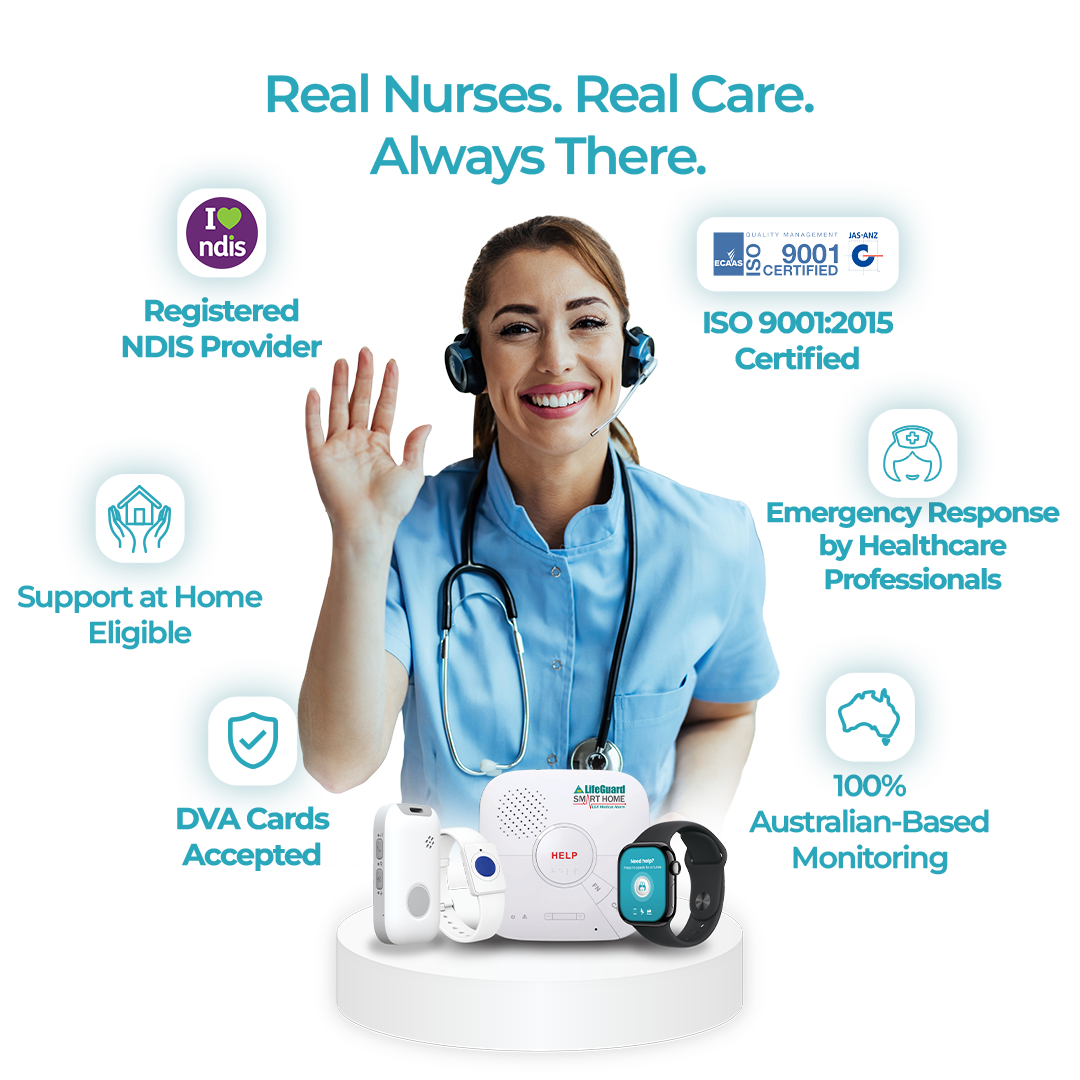
Monitored personal alarms allow older Australians to quickly contact professional nurses if they feel unwell, experience sudden symptoms, or require assistance. Whether at home or out in the community, these systems help individuals remain independent while staying connected to support when it matters most.
About
INS LifeGuard is the only 24/7 nurse on-call personal and medical monitoring in Australia. We provide monitoring technology for both in the home and on the go and can also monitor other provider's equipment. Our services are suitable for anyone wanting support to stay independent such as the elderly, those with medical conditions and disabilities plus enhancing safety and security for lone workers.