
Have a Question?

AI in Aged Care: Helpful Tool or Dangerous Substitute for Real Care?
INS LifeGuard • March 23, 2026
AI is becoming one of the biggest talking points in aged care.
For village managers, care coordinators, and community care providers, that is not surprising. The sector is under pressure from every direction, with rising expectations, operational complexity, workforce strain, compliance demands, and the need to support older Australians to live independently for longer.
So when technology providers talk about smarter systems, predictive insights, automated alerts, data-led decisions, and more efficient care models, it gets attention. And it should, particularly as the Australian Government continues its push toward digital transformation for the aged care sector.
Digital and assistive technology play an important role in the future of care.
But there is a difference between using technology to improve care and using it to oversimplify what care really is.
That distinction matters.
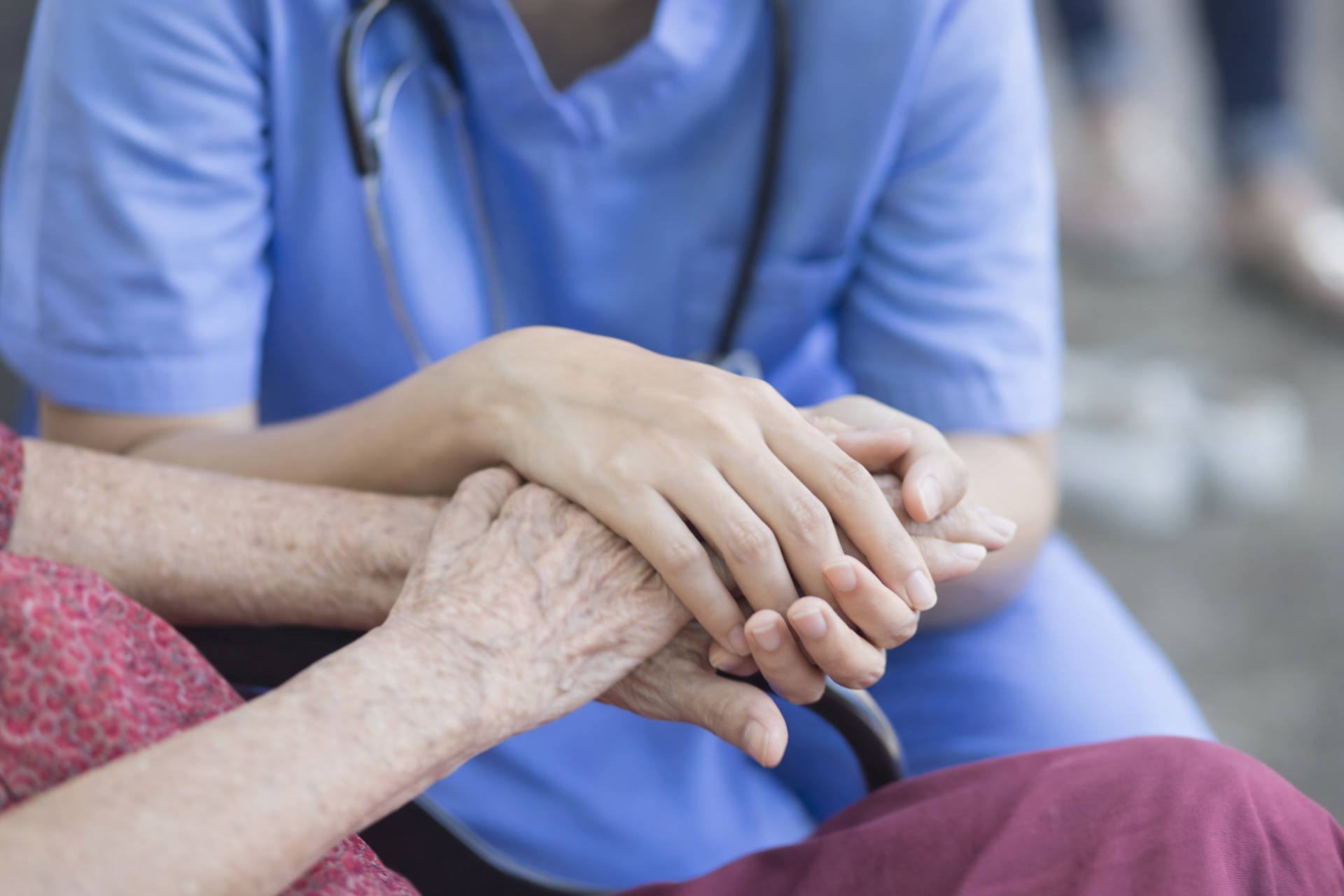
While AI can help identify patterns, streamline workflows, and strengthen visibility, it cannot replace the human judgment, reassurance, clinical understanding, and empathy that people rely on in moments of vulnerability.
For village managers and care coordinators, that is the real issue. The question is not whether aged care should embrace technology. It should. The real question is whether technology is being used to support better care or to replace the people and judgment that care depends on.
Why AI in Aged Care Is Getting So Much Attention
There are good reasons why AI and digital tools are gaining momentum across aged care, retirement living, and community care.
Providers are looking for ways to improve oversight, reduce risk, respond faster, support staff, and make better use of available resources. Tools that help monitor changes in routine, flag possible issues, improve reporting, and support decision-making can offer real operational value.
In the right environment, technology can help care teams work more effectively. It can improve visibility, support earlier intervention, and make services more connected and responsive.
That is the opportunity.
But the marketing around AI can sometimes go a step further. Instead of presenting technology as a support tool, it is increasingly framed as the answer to care itself.
That is where the conversation starts to lose balance.
Because care is not just about alerts, dashboards, data points, or automation. Care is about people. It is about context. It is about understanding what a situation means, not just that something has happened.
Where AI Genuinely Helps in Aged Care
It is important to be clear: AI and advanced care technology do have a place in aged care.
Used well, these tools can support services in meaningful ways. They can help identify changes in behaviour or routine, improve visibility across care environments, assist with reporting, enable health monitoring, support escalation pathways, and make communication more efficient. As ARIIA’s overview of artificial intelligence in aged care notes, AI is increasingly being used to improve care experiences and help staff do more with limited resources.
For residents living independently, digital tools and wearables can also support confidence, safety, and earlier awareness of potential issues. This is not something we dismiss at INS LifeGuard. In fact, it is something we actively embrace.

At INS LifeGuard, we already provide the kinds of technology villages and care providers are looking for in personal alarm and medical alarm monitoring, including monitoring, dashboards, alerts, wearables, fall detection, data insights, prevention-focused tools, compliance support, geofencing, secure data practices, and manager portals that allow organisations to tailor procedures, protocols, notifications, reports, and resident communications.. Our products and services have continued to evolve because care environments have evolved too.
But we believe technology is only part of the answer. What makes the difference is combining these tools with real nurse support when it matters most.
Where the Aged Care AI Hype Goes Too Far
The problem is not innovation. The problem is the false promise that innovation alone can substitute for real care.
That is where some of the current AI narrative in aged care becomes misleading.
Technology can flag risk. It can detect changes. It can generate alerts. It can support workflows. But it does not comfort a distressed resident. It does not calmly speak with someone after a fall. It does not apply clinical judgement in an uncertain moment. And it does not replace the reassurance that comes from speaking to a real person who can assess what is happening and what should happen next. That is also why broader
WHO guidance on AI for health stresses the need for ethics, safety, and accountability as these systems are adopted, and why discussions around
AI in aged care and ageism are worth paying attention to as the sector sorts genuine value from overblown promises.
This matters because real-life care situations are rarely neat or predictable.
A resident may be frightened, confused, short of breath, in pain, or unable to explain clearly what is wrong. A call may seem minor at first and then require escalation. A family member may need reassurance at the same time that a resident needs support.
These are not just technical events. They are human moments.
And human moments require more than a platform.
What Village Managers and Care Coordinators Should Ask About AI in Aged Care
When reviewing technology-led solutions, it is easy to focus on features first.
But for village managers and care coordinators, the better questions go deeper.
Who responds when an alarm is activated?
What happens when the situation is unclear or clinically complex?
Can the resident speak to a real person?
How is reassurance provided in the moment?
Who makes the judgment call if the situation needs escalation?
How flexible is the system for each village, site, or organisation?
How secure is the data?
How are quality processes governed?
These are the questions that reveal whether a solution is simply technology-led or genuinely care-led.
Because in aged care and independent living, the value of a service is not only in what the technology can do. It is in the quality of the response behind it.
Why Human-Led Emergency Response Still Matters in Retirement Villages and Independent Living

At INS LifeGuard, we believe the future of care should be human-led and technology-enabled.
That is a very different proposition from replacing human care with automation.
We use technology where it genuinely improves service delivery. That includes smarter tools, secure systems, wearable integration, geofencing, health monitoring, configurable manager portals, and processes designed to improve responsiveness and visibility.
But when it comes to emergency response, we believe people still matter most.
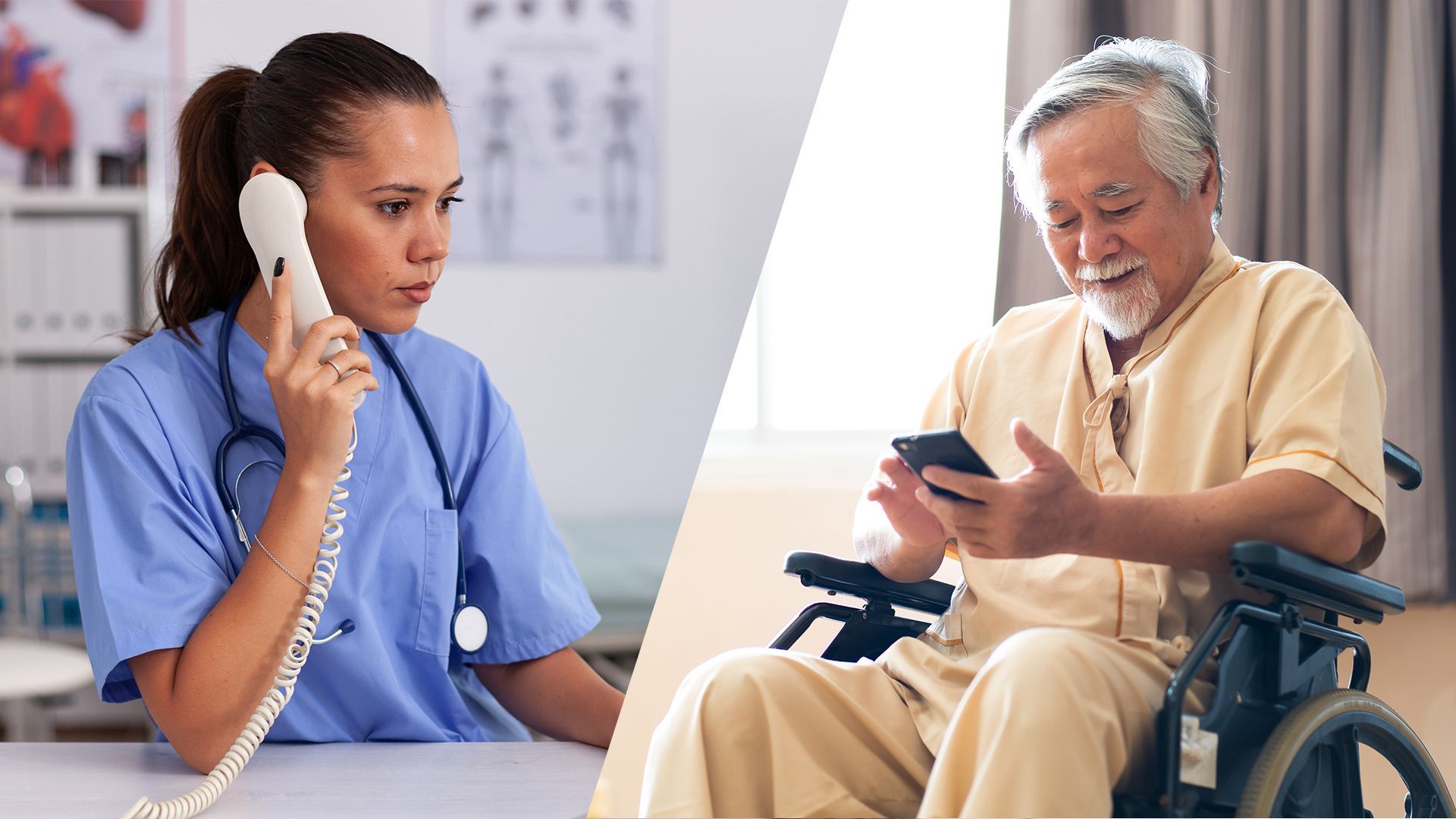
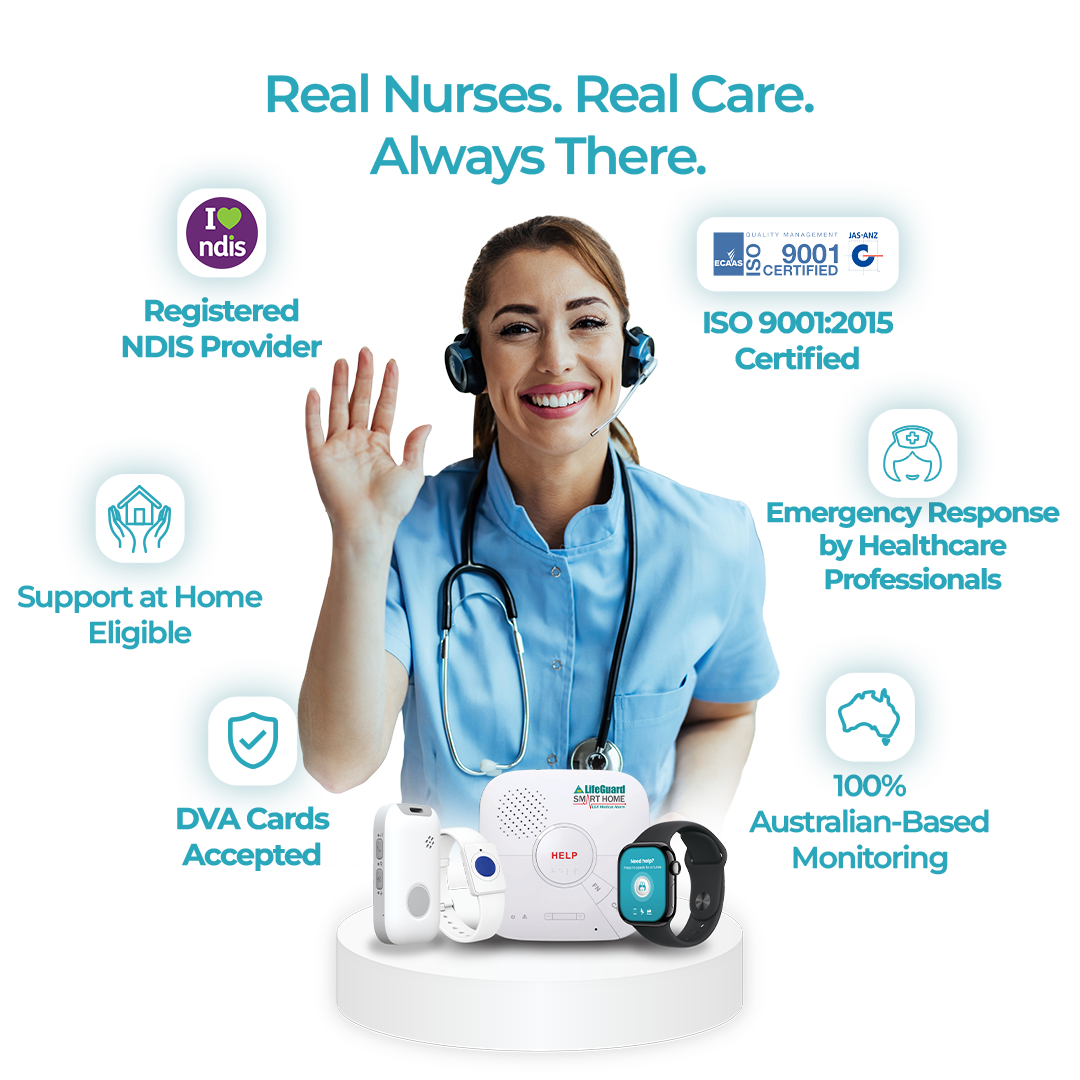
That is why our Emergency Response Centre is staffed 24/7 by Nurses not just trained operators, but qualified clinicians. To our knowledge, INS LifeGuard is the only personal and medical alarm provider in Australia that can make this claim.
That is not a small difference. It is a critical one.
When someone activates their personal alarm, the response is not simply transactional. It is backed by clinical judgement, compassionate support, and the ability to assess, triage, reassure, and act.
For village operators, that means greater confidence in the quality of support being delivered to residents.
For care coordinators, it means a response model grounded in practical clinical understanding.
For residents and families, it means peace of mind.
Technology and trust should go together
One of the biggest mistakes in the current conversation around AI in aged care is the assumption that providers must choose between innovation and human care.
That is the wrong choice.
The strongest care models do not reject technology, and they do not hand care over to it either. They combine advanced tools with strong service design, quality oversight, and real human support.
That is the model INS LifeGuard has continued to build.
With more than 30 years of experience and service across more than 30,000 independent living units throughout Australia, our solutions have evolved to meet the needs of villages, independent living environments, and community care organisations. We understand that the sector needs technology that is practical, secure, scalable, and useful. But we also know that trust is built through human response.
That is why our approach is not about resisting change. It is about applying innovation responsibly.
We leverage the latest technology where it adds value. We continue to build apps and improve systems. We support health monitoring, location-based functions, tailored protocols, and secure service delivery. We are ISO 9001:2015 certified, reflecting our commitment to quality management and continuous improvement.
We do not believe the answer to better care is removing the human layer. We believe the answer is strengthening it.
What Responsible Innovation in Aged Care Looks Like
Responsible innovation in aged care should do three things.
Responsible innovation in aged care should improve visibility and responsiveness, support providers, residents, and care teams in practical ways, and preserve the human judgment and compassion that care depends on.
That is the balance that village managers and care coordinators should be looking for.
Not the shiniest pitch.
Not the loudest AI claim.
But a solution that combines the best of modern technology with the confidence of real human support.
Because when a resident needs help, what matters is not just that an alert was generated.
What matters is what happens next.
The Future of AI in Aged Care Should Support Human Care, Not Replace It
AI will continue to grow in aged care. So will digital monitoring, apps, wearables, data-led tools, and smarter systems.
That is not something to fear.
But it is something to think carefully about.
The future of aged care should not be built on the assumption that care can be reduced to automation. It should be built on the understanding that technology is at its best when it supports people, not when it tries to replace them.

For village managers and care coordinators, that means looking beyond the headline claims and asking a simpler question:
Does this solution improve care, or just sound impressive?
At INS LifeGuard, we believe the best answer is a model that combines advanced technology with real clinical support, quality systems, and genuine human care.
Because no matter how fast technology moves, some things should never be automated away.
Real Nurses. Real Care. Always There.
Looking for a monitored personal alarm service for your retirement village?
Discover how INS LifeGuard combines smart technology with 24/7 nurse-led emergency response.
FAQs
What is AI in aged care?
AI in aged care generally refers to technology used to support monitoring, alerts, reporting, workflows, and decision-making across care settings. Used well, it can help providers improve visibility, identify patterns, and respond earlier to potential issues.
Can AI replace nurses in aged care?
No. While technology can support care delivery, it cannot replace the clinical judgement, empathy, reassurance, and real-time assessment that nurses provide. In moments of uncertainty or vulnerability, human care still matters most.
Why do retirement villages need nurse-led emergency response?
Retirement villages need reliable emergency response because residents may require reassurance, assessment, triage, and escalation in urgent situations. A nurse-led response adds clinical expertise at the point of need, helping ensure each alarm is met with informed, compassionate support.
What should care coordinators look for in a monitored personal alarm service?
Care coordinators should look for 24/7 monitoring, two-way communication, clear escalation pathways, dependable support, secure technology, and flexibility to suit each site or organisation. Just as importantly, they should understand who is actually responding when an alarm is activated.
How is INS LifeGuard different from other personal alarm providers?
INS LifeGuard combines advanced technology with real nurse-led support. Our Emergency Response Centre is staffed 24/7 by Nurses, giving villages, care coordinators, residents, and families the confidence that every alarm is handled with clinical judgement, reassurance, and genuine care.
Can INS LifeGuard help identify health issues early?
Yes. Alongside emergency response, INS LifeGuard uses connected technology, health monitoring, wearables, and the INS LifeGuardian® App to support early awareness of changes in well-being and to monitor existing health concerns. This gives organisations a more proactive way to support safety, independence, and peace of mind.
Does INS LifeGuard only respond to emergencies?
No. INS LifeGuard supports more than emergency situations. We can also provide welfare calls and be there for people who may be feeling lonely, vulnerable, or unsafe. Together with connected technology, monitoring tools, and 24/7 nurse-led support, this offers villages and care providers a more complete approach to safety, reassurance, and wellbeing.
About
INS LifeGuard is the only 24/7 nurse on-call personal and medical monitoring in Australia. We provide monitoring technology for both in the home and on the go and can also monitor other provider's equipment. Our services are suitable for anyone wanting support to stay independent such as the elderly, those with medical conditions and disabilities plus enhancing safety and security for lone workers.