

Have a Question?


Dizziness vs Vertigo: What Seniors Need to Know
INS LifeGuard • April 24, 2026
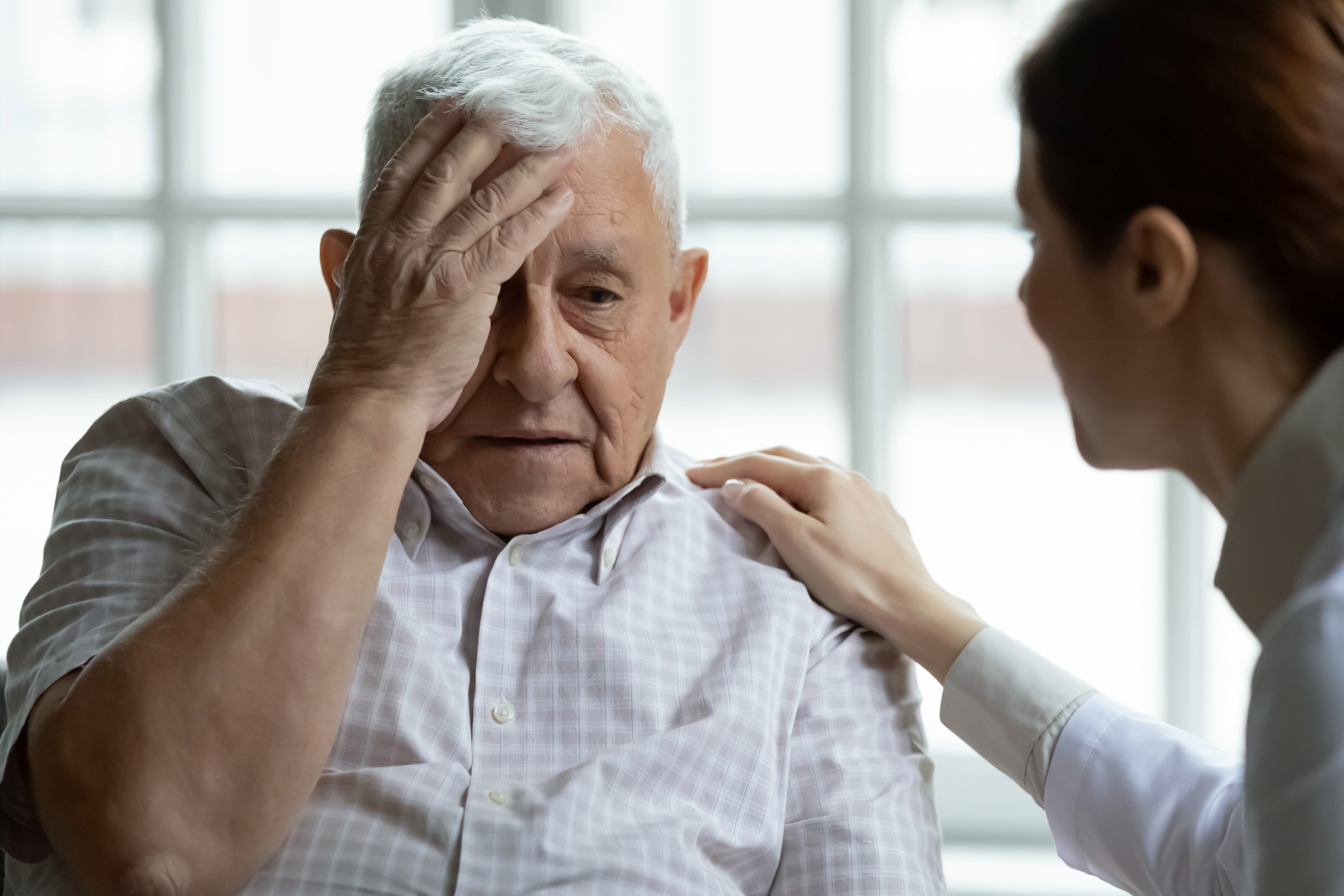
Feeling unsteady or suddenly off-balance can be unsettling at any age, but for seniors, it can be a serious concern. Many people describe these sensations as “dizziness,” but sometimes what they’re experiencing is actually vertigo.
While the two are often confused, they are not the same. Knowing the difference can help identify potential health issues earlier, reduce the risk of falls, and support independence.
Understanding Dizziness
Dizziness is a general term used to describe sensations such as lightheadedness, weakness, or feeling off balance. It doesn’t usually involve a spinning feeling, but rather a sense that you might faint or lose your footing.
For seniors, dizziness can come on unexpectedly, when standing up, walking, or even during quiet moments. It may pass quickly or linger, making everyday activities feel uncertain.
What Is Vertigo?
Vertigo is more specific. It creates the illusion of movement, even when you are completely still. You may feel like the room is spinning, tilting, or shifting around you.
This sensation can be intense and disorienting, often making it difficult to walk or even stand upright.
Dizziness feels like unsteadiness or faintness, while vertigo feels like spinning or motion.
This distinction matters because vertigo often points to inner ear or neurological issues, which may need targeted care.
Why Seniors Are More Vulnerable
As the body ages, systems that control balance and stability gradually change. Vision may weaken, reflexes slow down, and the inner ear becomes less efficient at detecting movement.
Medications can also play a role, as well as changes in blood pressure or circulation. Because of this, even mild symptoms can have a greater impact and a higher risk of falls.
Common Causes of Dizziness
Dizziness in seniors can stem from several underlying issues:
1. Low Blood Pressure (Orthostatic Hypotension)
Standing up too quickly can cause a sudden drop in blood pressure, leading to lightheadedness.
2. Dehydration
Not drinking enough fluids can lead to dehydration in older adults, which reduces blood volume and can cause dizziness.
3. Medication Side Effects
Many medications, including those for blood pressure, anxiety, and sleep, can trigger dizziness.
4. Blood Sugar Fluctuations
Low
blood sugar levels can result in weakness and dizziness.
5. Heart Conditions
Irregular heart rhythms or poor circulation may limit blood flow to the brain. Some forms of dizziness may be linked to heart conditions in seniors.
Common Causes of Vertigo
Vertigo is a false sensation of movement or spinning, most often caused by disturbances in the vestibular system, the part of the inner ear and brain that controls balance and spatial orientation.
1. Benign Paroxysmal Positional Vertigo (BPPV)
BPPV is the most common cause of vertigo, especially in older adults.
- Inside the inner ear are tiny calcium carbonate crystals called otoconia that help detect motion.
- In BPPV, these crystals become dislodged and move into the semicircular canals (fluid-filled structures that sense head rotation).
- When the head changes position (e.g. rolling over in bed, looking up, bending down), the misplaced crystals stimulate the balance sensors incorrectly, sending false signals to the brain.
Key characteristics:
- Brief episodes (usually seconds to under a minute)
- Triggered by specific head movements
- Often accompanied by nystagmus (involuntary eye movements)
2. Vestibular Neuritis and Labyrinthitis
These conditions involve inflammation of the inner ear, usually due to a viral infection.
- Vestibular neuritis affects the vestibular nerve, which carries balance signals to the brain.
- Labyrinthitis affects both the balance and hearing structures of the inner ear.
Because the brain receives unequal signals from each ear, it interprets this mismatch as movement, causing vertigo.
Key characteristics:
- Sudden onset of severe, continuous vertigo (lasting days)
- Nausea and vomiting are common
- Labyrinthitis may include hearing loss or tinnitus, while vestibular neuritis usually does not
- Often follows a recent viral illness
3. Ménière’s Disease
Ménière’s disease is a chronic inner ear disorder linked to abnormal fluid buildup (endolymph) in the inner ear.
- The excess fluid disrupts both balance and hearing signals
- Pressure changes inside the ear affect how sensory information is processed
Key characteristics:
- Recurrent episodes of vertigo lasting 20 minutes to several hours
- Fluctuating hearing loss
- Tinnitus (ringing or buzzing in the ear)
- Sensation of fullness or pressure in the ear
The exact cause isn’t fully understood, but it may involve fluid regulation problems, genetics, or immune responses.
4. Vestibular Migraine
Vertigo can also be linked to migraine activity, even without a headache—this is known as vestibular migraine.
- The brain’s processing of sensory signals becomes temporarily disrupted
- This affects areas responsible for balance, motion perception, and spatial awareness
Key characteristics:
- Episodes of vertigo lasting minutes to hours (sometimes days)
- May occur with or without headache
- Often associated with light sensitivity, sound sensitivity, or visual disturbances
- Common in people with a history of migraines
Warning Signs You Should Never Ignore
While occasional dizziness may not be serious, certain symptoms should be treated as urgent. Seek medical help immediately if dizziness or vertigo is accompanied by:
- Sudden weakness or numbness
- Difficulty speaking or confusion
- Vision problems
- Chest pain or irregular heartbeat
These could indicate a more serious condition, such as a stroke or heart issue.
How Families Can Help
Around 1 in 3 people aged over 65 experience a fall each year, making falls one of the most common health risks for older adults. While this is a significant statistic, the good news is that many falls can be prevented with the right support and early action.
If you or a loved one is at risk, it’s important to start the conversation with your GP or healthcare team. Early intervention can help identify causes and reduce the likelihood of future falls.
Families can help by noticing patterns, encouraging medical review, checking the home for trip hazards, and making sure symptoms are not dismissed as “just ageing.”
Diagnosis and Treatment
Doctors will usually begin with a discussion of symptoms, followed by simple physical and balance assessments. Depending on the situation, hearing tests or scans may also be recommended.
Treatment varies based on the cause. It may involve adjusting medications, improving hydration, or performing specific movements to reposition inner ear crystals in conditions such as BPPV.
Many people see significant improvement once the cause is identified and managed properly.
Practical Safety Tips
Small, everyday adjustments can make a big difference in reducing fall risk and improving confidence at home. Simple habits such as standing up slowly (especially from bed or chairs), keeping living spaces well-lit and free from clutter, using non-slip mats and supportive footwear, and staying hydrated throughout the day can all help support better balance and stability. These practical steps are easy to follow and play an important role in making daily life safer for seniors.
For some seniors, extra reassurance may also come from having a monitored personal and medical alarm. INS LifeGuard offers personal alarm options with 24/7 nurse-monitored support, access to emergency help at the press of a button, and selected devices with automatic fall detection, including elderly fall alarms for added peace of mind.
Final Thoughts
Dizziness and vertigo are more than minor inconveniences. They can be early warning signs that shouldn’t be ignored.. Understanding the difference allows seniors and their families to respond sooner, reducing risks and improving outcomes.
With the right support and care, many causes are manageable. Acting early can help maintain independence, confidence, and quality of life for years to come.
About
INS LifeGuard is the only 24/7 nurse on-call personal and medical monitoring in Australia. We provide monitoring technology for both in the home and on the go and can also monitor other provider's equipment. Our services are suitable for anyone wanting support to stay independent such as the elderly, those with medical conditions and disabilities plus enhancing safety and security for lone workers.