
Have a Question?

Your Complete Guide to Diabetes Management: Understanding, Diet, Monitoring and Support
INS LifeGuard • February 3, 2026
Diabetes is one of Australia's most significant and fastest-growing chronic health conditions, placing increasing pressure on individuals, families, and the health system. Almost 1.9 million Australians are currently living with diabetes, including diagnosed cases and an estimated number of people with undiagnosed type 2 diabetes. More than 300 Australians develop diabetes every day, which is roughly one new diagnosis every five minutes. Over the past year alone, almost 120,000 people have developed the condition.
For every person diagnosed with diabetes, there is often a family member or carer who supports them daily, meaning around 2.4 million Australians are affected by diabetes in some way. Whether you are living with diabetes yourself or caring for someone who is, understanding how to manage the condition has never been more important. This guide covers symptoms, diet, monitoring, and the support available through INS LifeGuard.
Managing diabetes does not mean giving up quality of life. With the right knowledge, practical tools, and ongoing support, people with diabetes can continue to live independent, fulfilling lives while maintaining positive long-term health outcomes.
Understanding Diabetes
Diabetes is a chronic metabolic disorder characterised by abnormal regulation of blood sugar (glucose) levels. When we eat food, particularly carbohydrates, our digestive system breaks it down into glucose, which enters the bloodstream. The pancreas then releases insulin, a hormone that acts like a key, allowing cells to absorb glucose from the blood and use it for energy.
When this system doesn’t work properly, glucose accumulates in the bloodstream, leading to serious health complications including heart disease, kidney damage, nerve damage and vision problems.
Types of Diabetes
Type 1 Diabetes
Type 1 diabetes is an autoimmune condition where the immune system mistakenly attacks and destroys the insulin-producing beta cells in the pancreas. As a result, the body produces little to no insulin. This type typically affects children and young adults, though it can develop at any age.
People with type 1 diabetes require daily insulin injections or use of an insulin pump to survive. The exact cause isn’t fully understood, but genetics, viruses and environmental factors are believed to play a role.
Type 2 Diabetes
Type 2 diabetes is the most common form, accounting for around 85-90% of all diabetes cases. In this condition, the body produces insulin but doesn’t use it effectively (insulin resistance), and the pancreas may not produce enough insulin to maintain normal blood glucose levels.
This type is strongly linked to lifestyle factors including:
- Obesity and excess body fat, particularly around the abdomen
- Lack of physical activity
- Poor diet high in processed foods and simple sugars
- Family history and genetic predisposition
Gestational Diabetes
This type develops during pregnancy and typically resolves after childbirth. However, it increases the risk of both mother and child developing type 2 diabetes later in life. Nearly 1 in 5 (18%) of women giving birth in Australia in 2021-22 were diagnosed with gestational diabetes.
Pre-Diabetes
Pre-diabetes occurs when blood glucose levels are higher than normal but not yet high enough for a diabetes diagnosis. Around 2 million Australians (1 in 6 adults) are living with pre-diabetes or are at very high risk of developing type 2 diabetes. Early intervention through lifestyle changes can prevent or delay the progression to type 2 diabetes.
Common Symptoms of Diabetes
Recognising the symptoms of diabetes is crucial for early diagnosis and intervention:
- Increased thirst and frequent urination
- Unexplained weight loss despite increased appetite
- Extreme fatigue and irritability
- Blurred vision
- Slow-healing wounds or frequent infections
- Tingling or numbness in hands and feet (particularly in type 2)
- Dry mouth, nausea and vomiting
If you experience any of these symptoms, consult your GP for testing. Early detection and management can significantly reduce the risk of complications.
The Power of Balanced Nutrition in Diabetes Management
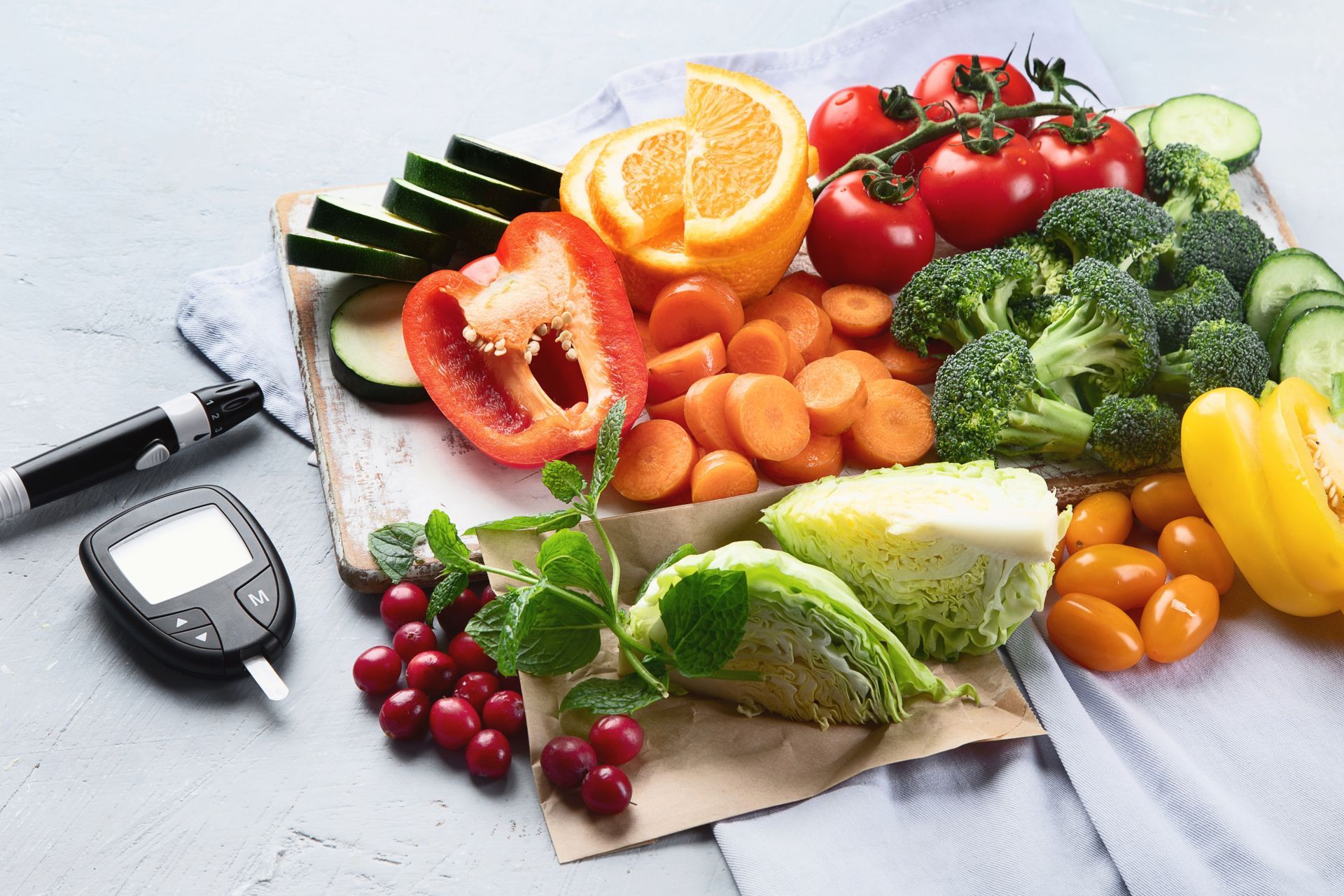
Diet plays a pivotal role in managing diabetes. What you eat directly impacts blood glucose levels, and making informed food choices can help stabilise blood sugar, reduce complications and improve overall wellbeing.
Key Dietary Principles
Understanding the Glycaemic Index (GI)
The glycaemic index measures how quickly foods raise blood sugar levels. Choosing low-GI foods helps stabilise glucose levels and prevents sharp spikes.
Low-GI foods include:
- Whole grains (brown rice, quinoa, wholegrain bread)
- Non-starchy vegetables (broccoli, spinach, capsicums, cucumber)
- Legumes (lentils, chickpeas, black beans)
- Most fruits (berries, apples, pears, stone fruits)
The Importance of Fibre
Fibre-rich foods slow the absorption of sugar, preventing post-meal blood glucose spikes and promoting lasting fullness. Aim to include:
- Vegetables and fruits with skin on
- Whole grains
- Nuts and seeds
- Legumes and pulses
Healthy Fats
Incorporating healthy fats can enhance insulin sensitivity:
- Avocados
- Extra virgin olive oil
- Nuts (almonds, walnuts, cashews)
- Fatty fish (salmon, mackerel, sardines)
Protein for Stability
Quality protein sources contribute to stable blood glucose and lasting satiety:
- Lean meats (chicken, turkey)
- Fish and seafood
- Eggs
- Tofu and tempeh
- Greek yoghurt and cottage cheese
Meal Timing and Consistency
Establishing consistent meal times helps prevent extreme glucose fluctuations and assists with insulin regulation. Try to eat at similar times each day and avoid skipping meals.
Sample Diabetes-Friendly Meal Plan
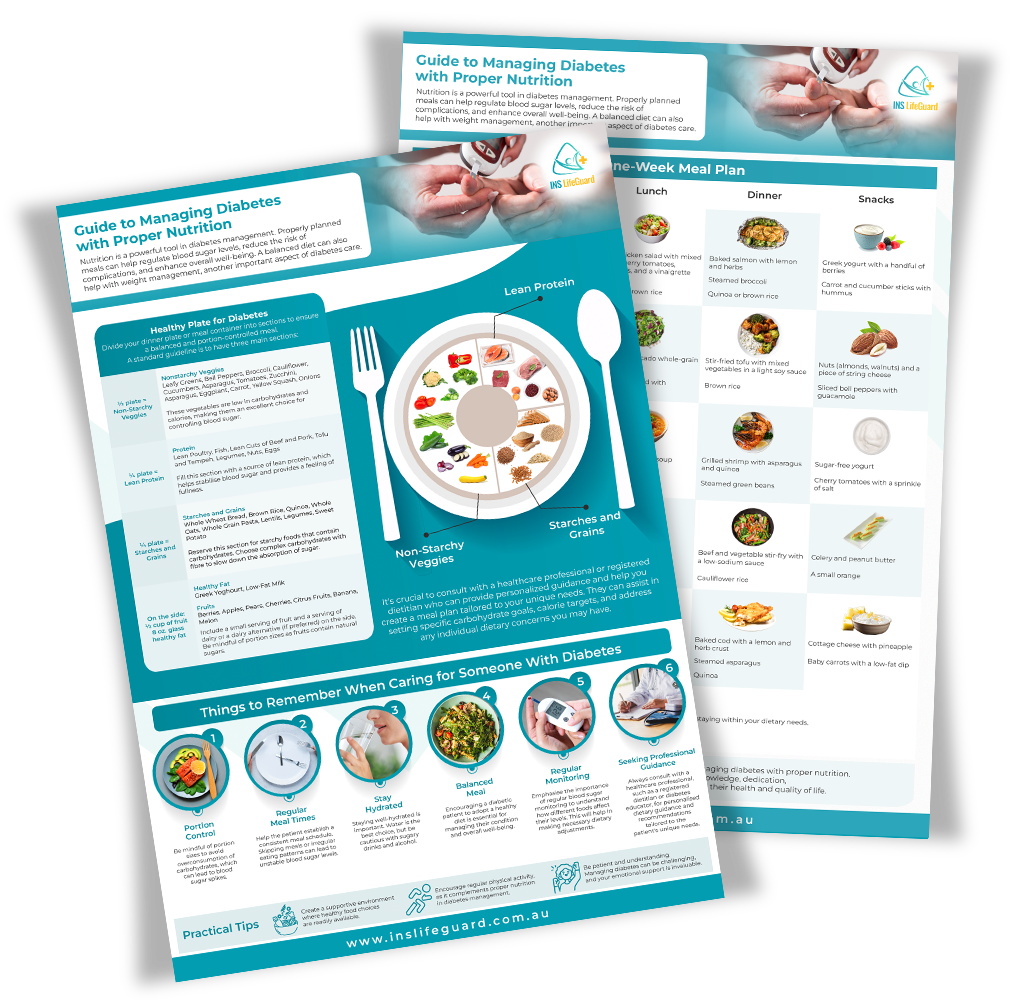
Here’s a practical 5-day meal plan to get you started. Days 6 and 7 can repeat meals from Days 1-5 or mix and match according to your preferences.
Day 1
Breakfast
Scrambled Eggs with Spinach and Tomatoes
Ingredients: 2 large eggs, handful of spinach leaves (chopped), 1 small tomato (diced), salt and pepper, 1 slice wholegrain toast, 1 small apple
Method: Whisk eggs with salt and pepper. Sauté spinach and tomatoes in a lightly oiled pan until spinach wilts. Add eggs and stir gently until scrambled. Serve with wholegrain toast and sliced apple on the side.
Lunch
Grilled Chicken Salad with Mixed Greens
Ingredients: Grilled chicken breast (sliced), mixed salad greens, cherry tomatoes (halved), cucumber (sliced), vinaigrette dressing (olive oil, balsamic vinegar, Dijon mustard), cooked quinoa or brown rice
Method: Arrange greens, tomatoes and cucumber in a bowl. Top with chicken, drizzle with vinaigrette, and serve with quinoa or brown rice.
Dinner
Baked Salmon with Lemon and Herbs
Ingredients: Salmon fillets, lemon slices, fresh herbs (dill or parsley), salt and pepper, steamed broccoli, cooked quinoa or brown rice
Method: Preheat oven to 190°C. Place salmon on lined baking sheet, season with salt, pepper and herbs, top with lemon slices. Bake for 12-15 minutes until fish flakes easily. Serve with steamed broccoli and quinoa.
Snacks
Greek yoghurt with berries; carrot and cucumber sticks with hummus
Day 2
Breakfast
Oatmeal with Strawberries, Almonds and Boiled Egg
Ingredients:
1/2 cup rolled oats, 1 cup water or milk, fresh strawberries (sliced), handful of almonds (chopped), 1 boiled egg
Method: Cook oats in boiling water or milk for 3-5 minutes until soft and creamy. Top with strawberries and almonds. Serve with boiled egg.
Lunch
Turkey and Avocado Wholegrain Wrap
Ingredients: Wholegrain tortilla, sliced turkey breast, ripe avocado (sliced), mixed greens, vinaigrette dressing
Method: Lay tortilla flat, layer turkey, avocado and greens, drizzle with vinaigrette and roll up.
Dinner
Stir-Fried Tofu with Mixed Vegetables and Brown Rice
Ingredients: Firm tofu (cubed), mixed vegetables (capsicum, broccoli, carrots, snow peas), light soy sauce, cooked brown rice
Method: Heat oil in pan, add tofu and stir-fry until golden. Add vegetables and stir-fry until tender-crisp. Add soy sauce and toss. Serve over brown rice.
Snacks
Mixed nuts with string cheese; sliced capsicum with guacamole
Day 3
Breakfast
Cottage Cheese with Sliced Peaches and Wholegrain Toast
Ingredients: Cottage cheese, fresh peaches (sliced), wholegrain bread
Method: Scoop cottage cheese into bowl, top with sliced peaches, serve with toasted wholegrain bread.
Lunch
Lentil and Vegetable Soup with Side Salad
Ingredients: 1 cup lentils (rinsed), assorted vegetables (carrots, celery, onions), vegetable or chicken broth, seasonings; mixed greens, cherry tomatoes, cucumber, light vinaigrette
Method: Sauté vegetables, add lentils and broth, simmer until tender. Season to taste. Serve with fresh salad.
Dinner
Grilled Prawns with Asparagus, Quinoa and Steamed Green Beans
Ingredients: Prawns (cleaned and deveined), asparagus spears, cooked quinoa, olive oil, seasonings, fresh green beans
Method: Marinate prawns with olive oil and seasonings. Grill prawns and asparagus until cooked. Steam green beans until tender-crisp. Serve all together with quinoa.
Snacks
Sugar-free yoghurt; cherry tomatoes with salt
Day 4
Breakfast
Greek Yoghurt Parfait with Granola and Mixed Berries
Ingredients: Greek yoghurt, granola, mixed berries (strawberries, blueberries, raspberries)
Method: Layer yoghurt, berries and granola in a bowl or glass. Repeat layers.
Lunch
Spinach and Feta Stuffed Chicken Breast with Roasted Sweet Potatoes
Ingredients: Chicken breasts, fresh spinach, feta cheese, salt and pepper, olive oil, sweet potatoes
Method: Preheat oven to 190°C. Cut pocket in chicken, stuff with spinach and feta, season. Sear in pan 2-3 minutes each side, then bake 20-25 minutes. Meanwhile, dice sweet potatoes, toss with oil and seasonings, roast 20-25 minutes.
Dinner
Beef and Vegetable Stir-Fry with Cauliflower Rice
Ingredients: Beef strips, assorted vegetables (capsicum, broccoli, carrots, snow peas), low-sodium stir-fry sauce, cauliflower (for rice)
Method: Cook beef until browned, set aside. Stir-fry vegetables, return beef to pan, add sauce. For cauliflower rice: pulse florets in food processor until rice-like, cook in pan with oil for a few minutes.
Snacks
Celery with peanut butter; small orange
Day 5
Breakfast
Scrambled Egg Whites with Sautéed Spinach and Mushrooms
Ingredients: 4 egg whites, 1 cup fresh spinach (chopped), 1 cup mushrooms (sliced), salt and pepper, 2 slices wholegrain toast
Method: Sauté mushrooms until softened, add spinach until wilted. Whisk egg whites with seasonings, pour into pan and scramble. Serve with wholegrain toast.
Lunch
Quinoa and Black Bean Salad with Lime-Coriander Dressing
Ingredients: 1 cup cooked quinoa, 1 cup black beans, 1/2 cup cherry tomatoes (halved), 1/2 cup cucumber (sliced), 2 tablespoons coriander (chopped), juice of 1 lime, 2 tablespoons olive oil, salt and pepper
Method: Combine quinoa, beans, tomatoes and cucumber in bowl. Whisk together lime juice, olive oil, coriander and seasonings. Pour over salad and toss. Serve chilled.
Dinner
Baked Cod with Lemon and Herb Crust
Ingredients: 4 cod fillets, 1/4 cup breadcrumbs, zest of 1 lemon, 2 tablespoons fresh herbs (parsley, thyme or dill), salt and pepper, olive oil
Method: Preheat oven to 200°C. Mix breadcrumbs, lemon zest, herbs and seasonings. Brush cod with olive oil, coat with breadcrumb mixture. Bake 12-15 minutes until fish flakes easily.
Snacks
Cottage cheese with pineapple; baby carrots with low-fat dip
Day 6 and 7
Repeat meals from Days 1-5, or mix and match to create variety while staying within your dietary needs.
Meal Planning and Prepping for Diabetes
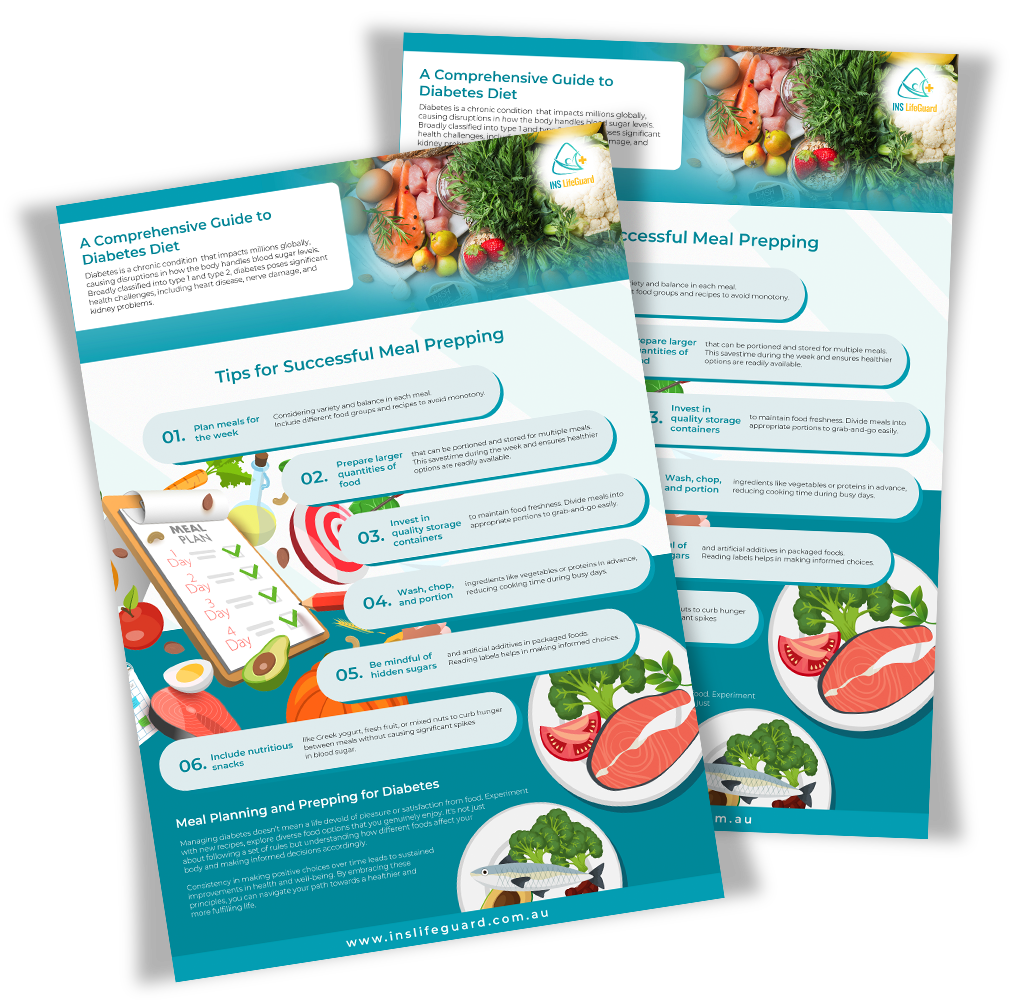
Consistency in meal timing and composition helps regulate blood sugar levels. Planning meals with a balance of carbohydrates, proteins, and healthy fats can prevent sharp spikes or drops in glucose levels. It enables a focus on nutrient-rich foods like vegetables, lean proteins, and whole grains, contributing to better overall health and diabetes management.
Important: Always consult with your GP or dietitian before making significant dietary changes, as individual needs vary based on medications, activity levels and other health conditions
Why Blood Glucose Monitoring Matters
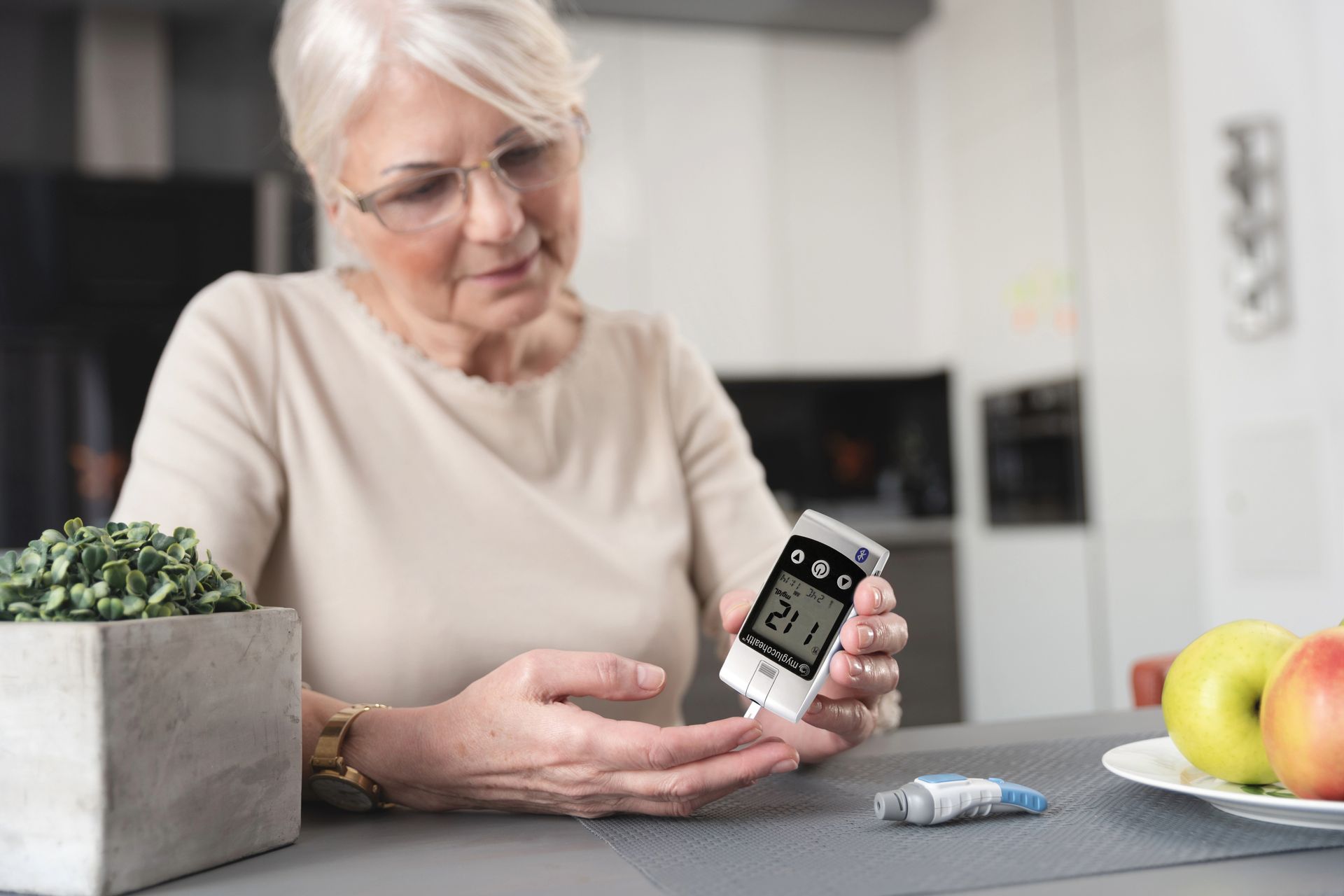
Blood glucose is one of the most important indicators to track, both hypoglycaemia and hyperglycaemia carry real risks if left unmanaged. The INS LifeGuardian® app lets you record readings manually or sync compatible devices automatically, with the option for our nurses to review your data and follow up if something falls outside a safe range. See our full breakdown of how blood glucose monitoring works through the app.
Diabetes in Australia: The Numbers
According to the Australian Institute of Health and Welfare:
Why Blood Glucose Monitoring Matters
- Almost 1.9 million Australians are living with diabetes. This includes diagnosed cases as well as an estimated number of people with undiagnosed type 2 diabetes.
- More than 300 Australians develop diabetes every day, which is around one new case every five minutes.
- Almost 120,000 Australians have developed diabetes in the past year.
- For every person diagnosed with diabetes, there is often a family member or carer involved in daily support, meaning around 2.4 million Australians are affected by diabetes each day.
- Around 1.3 million people are hospitalised with diabetes-related conditions each year, either as a primary or contributing diagnosis.
These figures highlight the scale of diabetes in Australia and reinforce the importance of early detection, regular monitoring, and ongoing support to reduce long-term health risks.
How to Test Your Blood Glucose
Finger-Prick Test
- A small lancet pricks the fingertip
- A drop of blood is placed on a test strip
- The glucometer reads the strip and displays results in seconds
Continuous Glucose Monitoring (CGM)
- A small sensor is placed on the skin (usually upper arm or abdomen)
- The sensor continuously measures glucose levels
- Data transmits to a smartphone or reader in real-time
When to Test: Many people are advised to test before meals, 2 hours after meals and before bed, but your healthcare provider may recommend a different schedule based on your individual needs.
The INS LifeGuardian® Blood Glucose App
INS LifeGuard’s LifeGuardian® app makes blood glucose tracking simple and connects you with professional nursing support:
- Manual Entry: Record readings directly in the app
- Automatic Syncing: Connect Apple Health-compatible devices (smart glucometers, CGMs, wearables) to share data seamlessly
- Nurse Oversight: Qualified nurses review readings, identify patterns and provide timely advice
- Follow-Up Alerts: If readings fall outside safe ranges, you receive an alert with the option to speak directly to a nurse for clinical guidance and reassurance
This combination of personal tracking with professional monitoring means problems can be identified early, often before they escalate into emergencies.
Download INS LifeGuardian® today and experience the difference:
or call 1800 636 040 to learn more
Managing Diabetes with the Contour Next Blood Glucose Meter
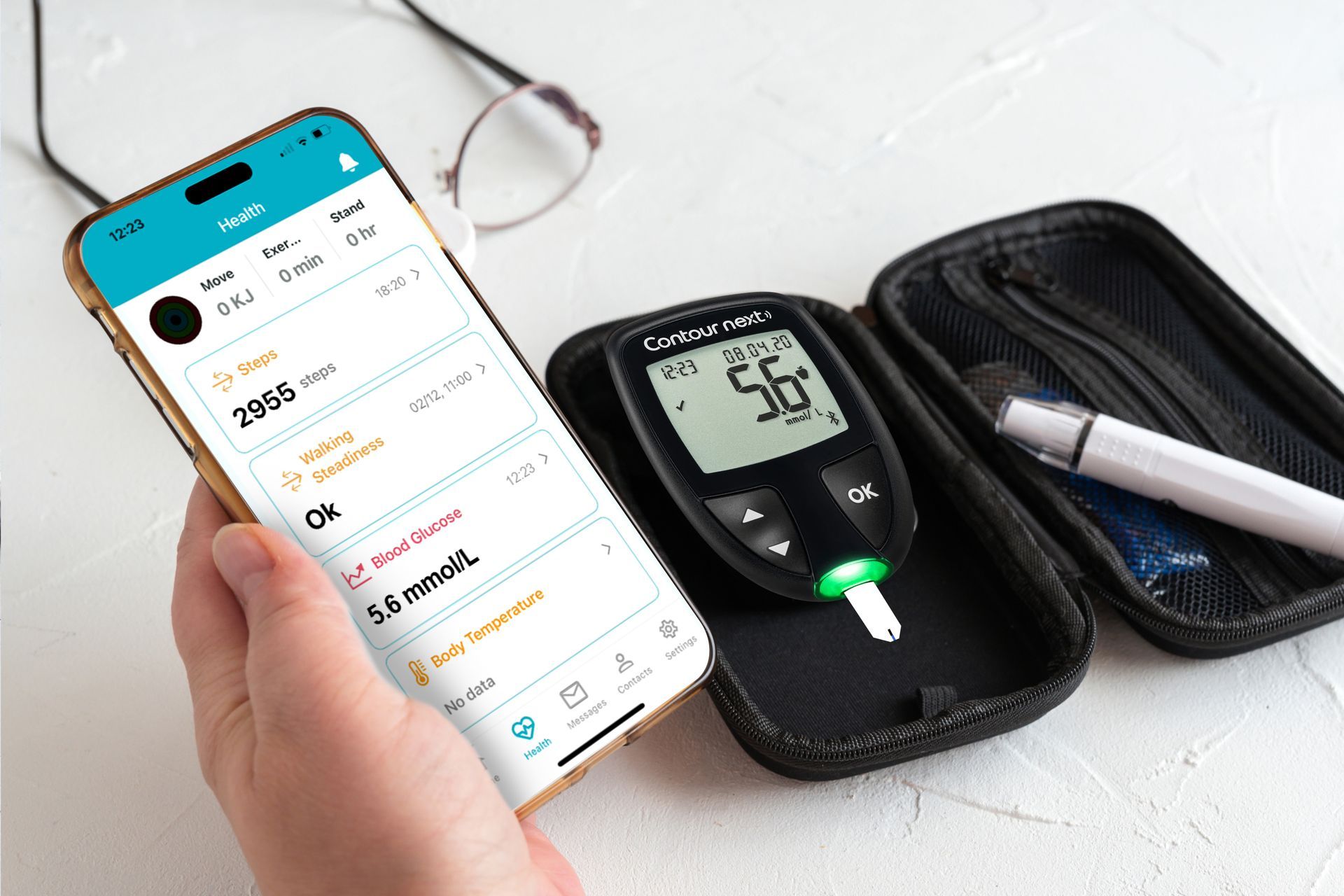
The Contour Next blood glucose meter is one of the most widely used and trusted devices in Australia for managing diabetes. It's compact, easy to use, and available through the National Diabetes Services Scheme (NDSS).
What is the NDSS?
The National Diabetes Services Scheme (NDSS) is an Australian Government initiative, administered by Diabetes Australia, aimed at reducing the impact of diabetes by:
- Improving access to subsidised products like test strips, meters and insulin pumps
- Supporting better diabetes self-management
- Providing access to health information and community services
Who Can Register for NDSS?
To access NDSS-funded products like the Contour Next meter, you must:
- Be an Australian citizen or permanent resident
- Have a medical diagnosis of type 1 diabetes, type 2 diabetes, gestational diabetes or another rare form of diabetes
- Be registered with the NDSS (free registration through your GP, endocrinologist or diabetes educator)
What's Covered by the NDSS?
Once registered, eligible participants may access:
- A free Contour Next meter
- Ongoing supply of subsidised test strips
- Subsidies on other diabetes-related products
- Educational support and services
About the Contour Next Meter
The Contour Next is a simple, handheld device that lets people with diabetes test and track their blood glucose levels using a small blood sample on a test strip.
It's known for:
- Fast, accurate readings
- Easy-to-use test strips
- A clear, backlit screen
- Bluetooth compatibility for app syncing
Automatic Nurse Monitoring with INS LifeGuardian®
If you're using an Apple device and have the Contour Next One meter, you can connect your readings directly to the INS LifeGuardian® app.
This integration enables:
- Automatic recording of blood glucose levels in the app
- No manual data entry, reducing errors and forgotten entries
- Real-time visibility for our nurse monitoring team (via the Premium Plan)
This can be especially helpful for:
- Older adults
- Carers monitoring a loved one
- Clients receiving NDIS or Home Care Package support
- Anyone looking for extra peace of mind when managing diabetes at home
Note: Android compatibility is currently in development.
What Happens Once My Readings Are in the App?
If you're on the INS LifeGuardian® Premium Plan, your blood glucose data doesn't just sit in the app. It's monitored by our qualified nurses as part of your overall health support.
They can:
- Identify abnormal patterns
- Respond to alerts
- Help triage concerns based on your data
- Communicate with carers or other health providers if needed
This turns your daily readings into a clinical safety net, rather than just a record.
Can I Still Use the Contour Next Without the App?
Yes, the Contour Next works independently. You can:
- View readings directly on the device
- Access test history
- Manually record results if needed
However, pairing it with INS LifeGuardian® provides:
- Easier tracking over time
- Fewer missed readings
- The added value of real nurse monitoring
What If I Use Another Blood Glucose Monitor?
INS LifeGuardian® can support a wide range of blood glucose monitors, not just the Contour Next One.
Currently, any device that syncs with Apple Health can also sync with INS LifeGuardian®. This includes popular devices such as:
- Dexcom G6 Continuous Glucose Monitor (real-time monitoring)
- Other continuous glucose monitors (CGMs) compatible with Apple Health
- Bluetooth-enabled blood glucose meters
- Blood pressure monitors and other vital sign tracking devices
Android users can also use manual blood glucose logging via Android devices.
If you're using a different device or platform, feel free to contact us — we may be able to support it now or in a future update.
How Do I Get Started?
If you’re already using a Contour Next meter and want to connect it to INS LifeGuardian®:
- Ensure you're using an Apple device
- Download or update the INS LifeGuardian® app from the App Store
- Pair your Contour Next One meter via Bluetooth
- Start automatically syncing your readings
If you're not yet an INS LifeGuardian® user, get in touch. We’re here to help.
The INS LifeGuard Blood Glucose Monitor Kit
For those who prefer traditional finger-prick testing outside of the NDSS scheme, INS LifeGuard also offers a cutting-edge blood glucose metre with automatic test strip coding, fast testing and results delivered in 3 seconds or less. Combined with either free TeleHealth monitoring (via family or carers) or professional TeleHealth monitoring by INS LifeGuard nurses, you have comprehensive support at your fingertips.
Strengthening Support for Carers
Caring for someone with diabetes is both rewarding and challenging. Carers play a crucial role in diabetes management, often providing daily support with monitoring, medication, meals and emotional wellbeing.
The Carer’s Role in Diabetes Management
- The Carer’s Role in Diabetes Management
- Depending on the type of diabetes and the individual’s needs, carers may assist with:
- Regular blood glucose testing, especially for children and elderly individuals
- Insulin injections or insulin pump management
- Managing hypoglycaemia or hyperglycaemia emergencies
- Monitoring medication adherence and prescription refills
- Supporting healthy eating and weight management
- Organising and attending medical appointments
- Providing emotional support and encouragement
How INS LifeGuard Supports Carers
INS LifeGuard recognises the challenges carers face and provides comprehensive tools to make diabetes management easier:
Free TeleHealth Monitoring
Accessed via most INS LifeGuard smart devices, this allows vital signs to be recorded and monitored by family or carers at no cost. It’s perfect for staying connected and aware of your loved one’s health status.
Professional TeleHealth Monitoring
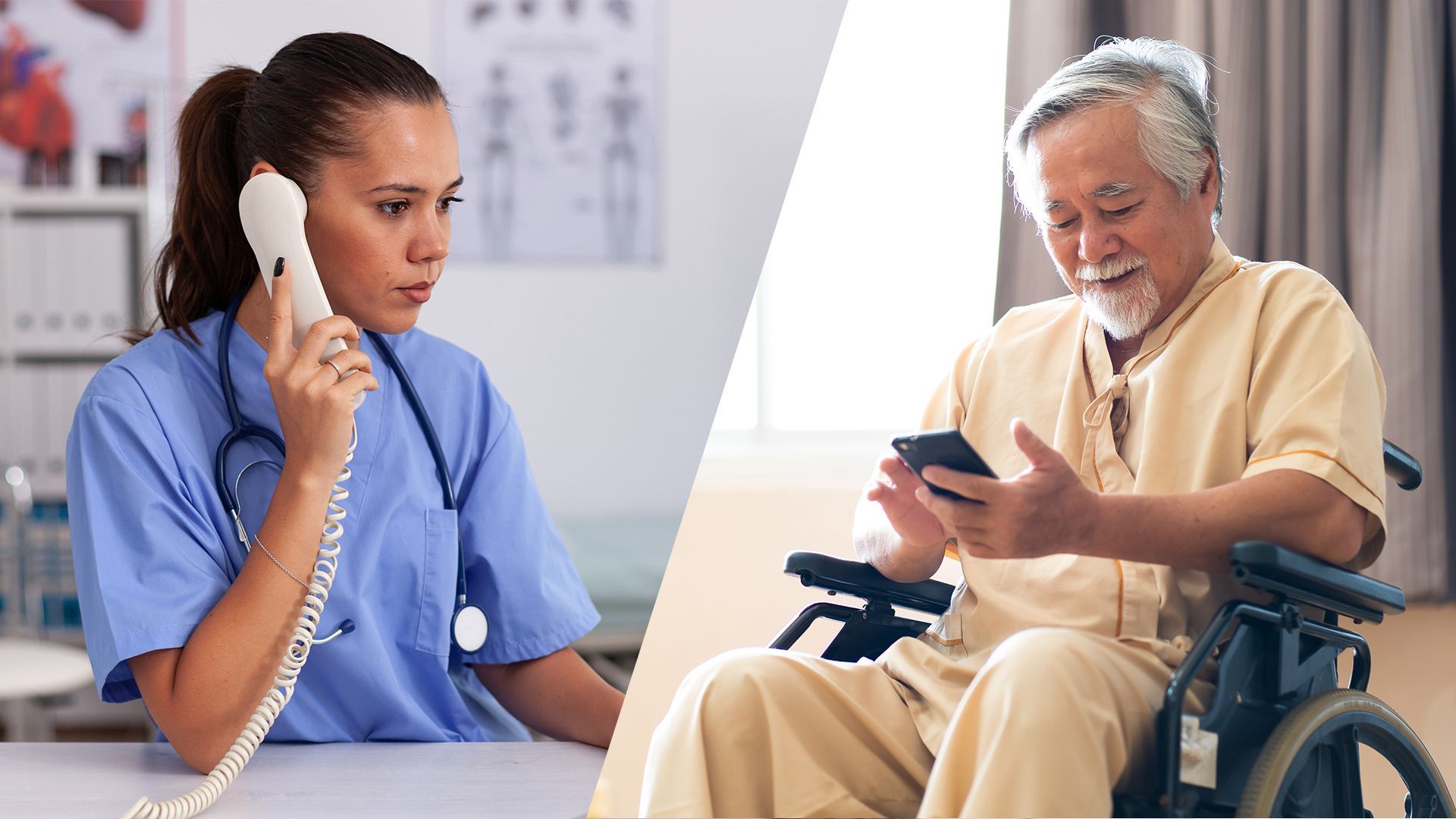
For a small monthly fee, measurements are sent to a registered nurse at INS LifeGuard. If readings are concerning, nurses take action and follow up directly with you or your loved one.
24/7 Nurse Chat and Health Information Line
Round-the-clock access to qualified nurses provides security and reassurance whenever you have questions or concerns.
Fall Alarms and Sensors
Wearable devices (pendants, wristbands) detect sudden falls and emergencies, automatically alerting the response centre.
24/7 Emergency Response
A simple press of the HELP button sends an alarm to our emergency response centre, complete with real-time location details.
Advantages of INS LifeGuard TeleHealth Services
Convenient Access to Healthcare
TeleHealth improves accessibility, allowing patients to have vital signs checked and monitored remotely. This is especially valuable for those at high risk of illness, the elderly or those with weakened immune systems.
Support for Patients, Carers and Providers
Vital signs transmit electronically to our response centre, enabling on-duty registered nurses to track progress and respond quickly to changes. We also provide hospital discharge support.
Peace of Mind
TeleHealth gives both carers and patients peace of mind. Virtual access to an INS LifeGuard nurse can reduce unnecessary hospital visits and the need for frequent travel to traditional health services.
Cost Savings
With traditional health services, patients pay for travel expenses and medical appointments. INS LifeGuard’s professional TeleHealth monitoring is available for a low monthly fee, making it affordable, especially for those in rural and remote areas.
A Carer's Guide to Managing Diabetes with Proper Nutrition
Caring for someone with diabetes involves a lot of attention to detail, especially when it comes to their nutrition. By focusing on balanced meals, monitoring portions, and choosing diabetes-friendly ingredients, caregivers can support their loved ones in maintaining stable blood sugar levels and overall health. Experimenting with these diabetes-friendly recipes can make mealtime enjoyable while prioritising wellness.
Medications and Lifestyle Factors
Effective diabetes management typically combines medication, diet, physical activity and lifestyle modifications.
Common Medications
Type 1 Diabetes
- Insulin therapy: Daily insulin injections or insulin pump therapy is essential. Some people benefit from Artificial Pancreas Devices (APDs) that monitor glucose levels continuously and administer insulin automatically.
Type 2 Diabetes
- Metformin: First-line medication that improves insulin sensitivity
- Sulfonylureas: Stimulate the pancreas to produce more insulin
- GLP-1 receptor agonists: Newer treatments that help regulate blood sugar and may support weight loss
- Insulin: Required for some people with type 2 diabetes, particularly as the condition progresses
Always follow your doctor’s advice regarding medications. Never adjust doses or stop taking medication without medical guidance.
Lifestyle Modifications
Regular Exercise
Physical activity improves the body’s ability to use insulin effectively and helps maintain healthy weight. Aim for at least 150 minutes of moderate exercise per week, including activities like walking, swimming, cycling or strength training.
Weight Management
For people with type 2 diabetes, achieving and maintaining a healthy weight can significantly improve blood glucose control and may even reverse the condition in some cases.
Stress Management
Chronic stress can elevate blood glucose levels. Incorporate stress-reduction techniques such as mindfulness, meditation, yoga or simply spending time in nature.
Quality Sleep
Poor sleep can affect insulin sensitivity and blood glucose regulation. Aim for 7-9 hours of quality sleep per night.
Smoking Cessation
Smoking significantly increases the risk of diabetes complications. If you smoke, seek support to quit.
Who Benefits Most from INS LifeGuard Services?
INS LifeGuard’s diabetes support services are particularly valuable for:
- People with type 1 or type 2 diabetes
- Those with pre-diabetes or insulin resistance
- Individuals prone to hypoglycaemia or hyperglycaemia episodes
- Seniors with multiple health conditions
- NDIS participants requiring health monitoring as part of their support plan
- Aged care residents needing clinical oversight
- Family carers seeking peace of mind and professional backup
Living Well with Diabetes: Your Path Forward
Managing diabetes doesn't mean a life devoid of pleasure or satisfaction. Throughout this guide, we've covered the essential pillars of successful diabetes management:
The key principles are:
- Understand your condition: Know which type of diabetes you have and what it means for your body
- Eat well: Focus on low-GI foods, fibre, healthy fats and quality protein
- Monitor regularly: Track blood glucose levels to understand patterns and prevent complications
- Stay active: Regular exercise improves insulin sensitivity and overall health
- Seek support: Work with healthcare professionals, use technology like the INS LifeGuardian® app, and lean on family and friends
- Be consistent: Small, positive choices made consistently over time lead to sustained improvements
Diabetes management works best when support fits around real life, not the other way around. INS LifeGuard helps you stay connected, monitored, and supported at home, giving you greater confidence and peace of mind as you manage your health. With the right systems in place, living well with diabetes becomes more achievable, sustainable, and secure
Contact INS LifeGuard Today
For more information about INS LifeGuard’s products and support:
About
INS LifeGuard is the only 24/7 nurse on-call personal and medical monitoring in Australia. We provide monitoring technology for both in the home and on the go and can also monitor other provider's equipment. Our services are suitable for anyone wanting support to stay independent such as the elderly, those with medical conditions and disabilities plus enhancing safety and security for lone workers.