
Have a Question?

Understanding the NDIS: Eligibility, Funded Supports, and How It Helps Australians
INS LifeGuard • February 3, 2026
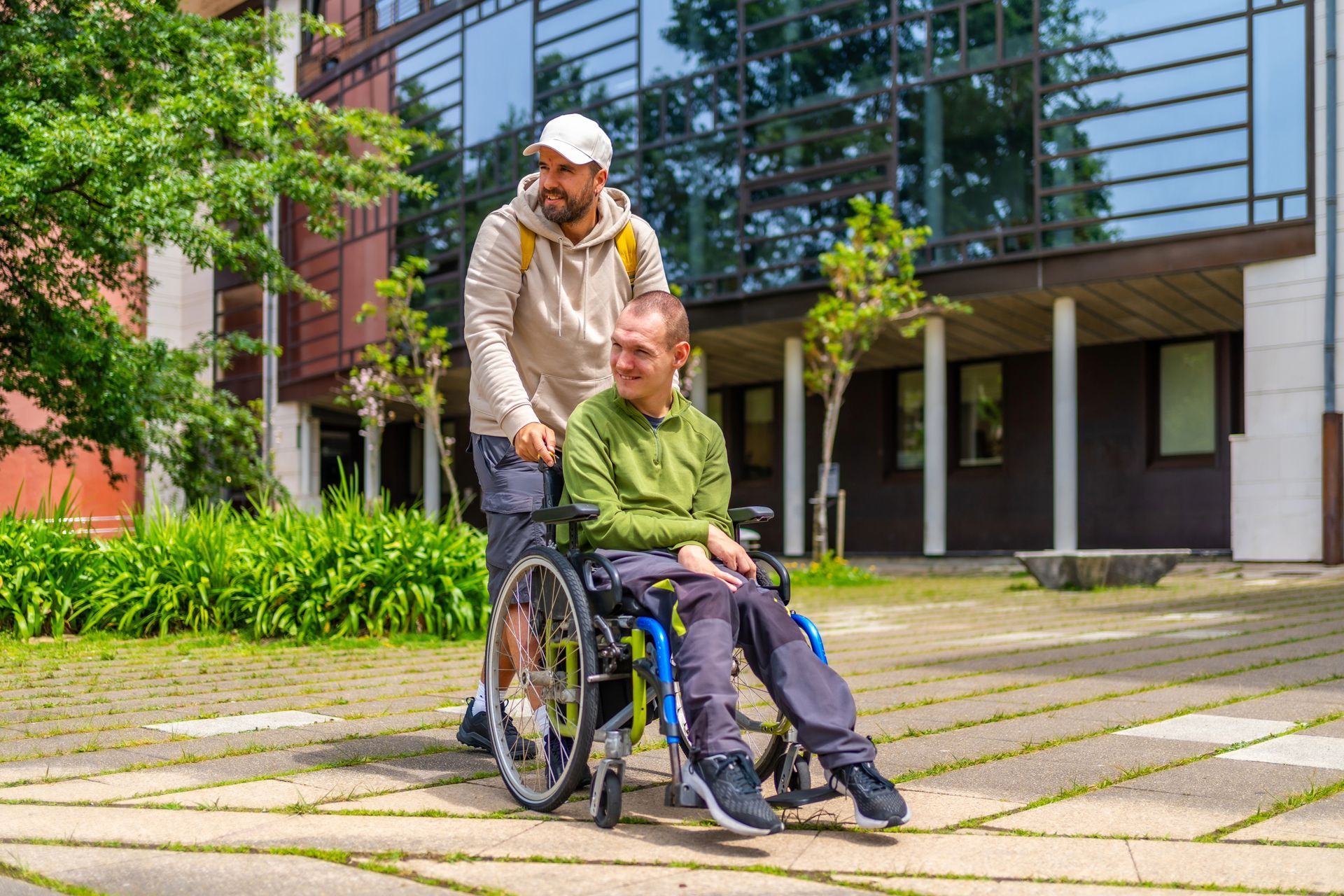
Australia has a population of more than 25 million people, and around 5.5 million Australians are living with a disability, which represents 21.4 per cent of the population. Disability affects people across all ages and life stages, whether present from birth or acquired later through illness, injury, or accident. As the population ages, the number of Australians living with disability continues to grow, with people aged 65 and over more likely to experience disability.
The National Disability Insurance Scheme (NDIS) is a major reform in how disability support is provided in Australia. It offers individualised funding and supports to eligible Australians, focusing on long-term needs, independence, and participation in everyday life. This guide explains how the NDIS works, who may be eligible, the types of supports that can be funded, and how Australians can access the scheme.
What Is the NDIS and How Does It Work?
The National Disability Insurance Scheme (NDIS) is an initiative rolled out by the Australian Government and operated by the National Disability Insurance Agency (NDIA). The scheme provides individualised support for eligible people in Australia with permanent and significant disability, whether acquired or born with, as well as their families and carers.
The NDIS takes a holistic approach, addressing physical, mental and emotional needs whilst offering flexibility that allows NDIS participants to customise supports according to their unique preferences and goals. The scheme promotes inclusivity and equality, providing access for individuals born with or who have acquired a disability.
Important: The NDIS does not replace the Disability Support Pension. These are separate government programs with different purposes.
What Does ‘Reasonable and Necessary’ Mean?
The NDIS funds what it determines to be ‘reasonable and necessary supports’. Understanding these terms is crucial:
Reasonable
The support is properly funded or provided by the NDIS, represents value for money, and is effective in meeting your needs.
Necessary
A particular product or service is needed by an individual due to their disability. This includes items that help you pursue your personal goals and aspirations, become more independent, take part in social activities, work, and participate as an active member of the community.
The type of disability support a person receives depends on their individual needs, preferences and goals, as outlined in their personalised NDIS plan.
Are You Eligible for NDIS Support?
To be eligible for the NDIS scheme, a person must meet specific access requirements. Whether the disability is physical, intellectual, sensory, psychosocial or cognitive, you may be able to access the supports and services offered by the NDIS if you satisfy these criteria.
NDIS Access Requirements
An individual must meet all of the following requirements to be eligible for the NDIS:
- Residency: Be an Australian citizen, or hold a Permanent Visa or Protected Special Category Visa, and live in Australia
- Age: Be aged between 7 and 65 years old when first entering the scheme (note: you can remain in the scheme after turning 65 if you entered before this age)
- Disability: Have a permanent and significant disability that affects your ability to take part in everyday activities, OR have early intervention requirements
- Support needs:
Need support from a person or special equipment to carry out everyday activities, or require some supports to reduce future needs
Understanding Permanent and Significant Disability
Permanent Disability
A type of disability that a person is not likely to recover from. The impairment is lifelong, even if symptoms may fluctuate or be managed with treatment.
Significant Disability
A disability that largely impairs a person’s ability to carry out everyday activities. This means the disability substantially reduces functional capacity and affects social or economic participation.
If you
meet the above criteria, you will undergo an assessment process to determine your level of need and what type of support you will receive through your personalised NDIS plan.
Medical Conditions and NDIS Eligibility

Whether an individual’s impairment came from birth or is caused by a disease, injury or accident, they may satisfy NDIS access requirements. However, the medical condition or disease must cause permanent impairment resulting in significant disability. A permanent impairment may be physical, intellectual, neurological, cognitive, psychosocial, hearing or visual.
List A Medical Conditions
List A medical conditions are likely to meet NDIS access requirements because these conditions can significantly impair an individual’s functional capacity. If you, your loved one, or someone you support is dealing with any of these conditions, you only need to prove that they are dealing with the condition and that it has been officially diagnosed by a medical professional.
Examples of List A conditions include:
- Genetic conditions
- Intellectual disability
- Cerebral palsy
- Permanent blindness
- Spinal cord injury
- Brain injury
- Amputation
List B Medical Conditions
List B medical conditions are also considered to cause lifelong impairment. However, having one of these conditions doesn’t automatically mean you meet the disability requirements.
Examples of List B conditions include:
- Asperger syndrome
- Alzheimer’s dementia
- Chromosomal abnormalities
- Certain amputations
Additional requirements for List B conditions:
To be eligible for NDIS funding with a List B medical condition, you will need to demonstrate that:
- Your functional capacity is substantially reduced
- Your capacity for social or economic participation is affected
- You are likely to require the support offered by the NDIS for the rest of your life
For complete detailed lists: Visit the NDIS website to see the full List A and List B medical conditions
Medical Conditions NOT Covered by the NDIS
It’s important to understand that not all medical conditions qualify for NDIS support:
- Time-Limited Conditions: Persons with time-limited medical conditions are not eligible for NDIS funding. For example, if a condition is likely to resolve with treatment and rest (such as a bone fracture or temporary injury), it will not be covered by the NDIS.
- Chronic Conditions Without Disability: Persons diagnosed with chronic conditions that are not related to their disability will not meet NDIS access requirements. For instance, if you only have a medical condition that doesn’t result in any form of disability, you will not receive funding from the NDIS. However, if you have a physical impairment resulting in disability secondary to a health condition, you may be eligible for NDIS funding.
What Benefits Do You Get from the NDIS?
The NDIS provides comprehensive benefits for Australians with disabilities, offering equitable access to support nationwide. Here are the key advantages:
- Holistic Support: Addresses physical, mental and emotional needs comprehensively
- Flexibility and Choice: Participants can customise supports to their unique preferences and goals
- Inclusivity and Equality: Access for individuals born with or who have acquired a disability
- Wide Range of Services: Funding covers personal care, therapy, transport, equipment and more
- Enhanced Independence: Empowers participants to engage actively in social and economic activities
What Supports Does the NDIS Fund?
There’s a lot of information available that can sometimes be challenging to navigate. The most important aspect to remember is that the NDIS funds what they determine to be reasonable and necessary supports that help you pursue your goals and live as independently as possible.
NDIS Funding Categories
The NDIS organises supports into three main categories:
1. Core Supports
Core supports cover essential daily activities and services that help participants maintain their lifestyle. These include:
- Personal care and assistance with daily activities
- Household tasks and domestic assistance
- Community participation and social activities
- Transport to help you contribute to the community
2. Capacity Building Supports
Capacity building supports focus on skill development and long-term independence. This category includes:
- Therapeutic supports (physiotherapy, occupational therapy, speech therapy)
- Training and education programmes
- Support to help you get or keep employment
- Development of skills for greater independence
3. Capital Supports
Capital supports provide funding for major investments, including:
- Assistive technology and specialised equipment
- Home modifications to improve accessibility
- Mobility equipment or vehicle alterations
Specific Examples of Funded Supports
The NDIS can fund a wide range of supports that help with personal care, transportation, social activities and daily life. Some specific examples include:
- Products that help you get or keep employment
- Assistance to help you maintain your house
- Items to help you become more independent
- Personal alarm systems with emergency response capabilities
- GPS tracking devices for safety and independence
- Fall detection technology
What the NDIS Does NOT Fund
It’s equally important to understand what the NDIS will not fund:
- Unrelated Supports: Any supports that aren’t related to your disability
- Duplicate Funding: Supports that are already funded by another government department
- Day-to-Day Living Costs: Regular expenses that everyone faces, such as groceries, utilities or rent
- Harmful Items: Anything that could cause harm or pose a risk to you or anyone else
- Time-Limited Conditions: Medical conditions that will heal with rest and treatment
How NDIS Funding Works
The NDIS funding system is designed to empower participants by offering flexibility and choice in accessing supports and services. Understanding how funding is managed gives you control over your supports and helps you get the most out of your plan.
How Much Funding Does the NDIS Provide?
The amount of NDIS funding you receive depends on your individual needs and circumstances. The NDIA will assess your needs and develop a personalised NDIS plan for you. This plan will include an estimate of the cost of the disability services and supports you require to achieve your goals and participate in everyday life.
Ways to Manage NDIS Funds
Participants have flexibility in deciding how their funds are managed. Each option comes with its own set of responsibilities and benefits:
1. Self-Managed
Ideal for participants who want full control over their funding. With self-management, you can choose any provider (registered or not), negotiate prices and pay invoices directly. However, this requires strong organisational skills and accountability. You’ll need to keep detailed records and manage all financial aspects of your plan.
2. Plan-Managed
A middle-ground option where a registered plan manager oversees the financial aspects, such as paying providers and managing invoices. You retain control over choosing services without the administrative burden. This option offers flexibility in provider choice whilst reducing paperwork.
3. NDIA-Managed
The
National Disability Insurance Agency (NDIA) manages your funds, limiting you to NDIA-registered providers. Whilst this option offers less flexibility in provider choice, it reduces the administrative workload for participants. The NDIA handles all payments and record-keeping on your behalf.
How to Apply for NDIS Funding
If you think you might be eligible for the NDIS, the application process is straightforward:
1. Download the Access Request Form
Visit the NDIS website and download the NDIS Access Request Form
2.Gather Supporting Documents
Collect medical reports, assessments and other documentation that demonstrates your disability and support needs
3. Complete the Form
Fill in all required sections of the Access Request Form
4. Submit Your Request
Follow the instructions provided to submit your application to the NDIA
5. Await Assessment
The NDIA will review your application and may contact you for additional information
Once approved, you’ll work with an NDIS planner to develop your personalised plan and begin accessing supports.
Enhancing Independence with INS LifeGuard
INS LifeGuard offers a range of NDIS personal alarm solutions designed to support safer, more independent living at home and in the community.
Whether someone needs a simple in-home alarm, a mobile device for support on the go, or a more advanced smartwatch or app-based option with monitoring features, INS LifeGuard provides flexible solutions to suit different lifestyles and support needs.
INS LifeGuardian® Watch
A stigma-free personal alarm for home and community use, supplied with your choice of an Apple or Samsung smartwatch.
- 24/7 nurse-monitored emergency response
- GPS location support
- fall detection
- optional Premium Monitoring Plan with health and telehealth monitoring features
INS LifeGuardian® App
Turn a compatible smartphone into a personal alarm.
- 24/7 nurse-monitored emergency response
- GPS location support
- optional Premium Monitoring Plan with health and telehealth monitoring when paired with a compatible BYO smartwatch
- ideal for users who prefer to use their own phone
SmartTracker & SafetyWatch
Portable wearable alarms for people who want support at home and while out in the community.
- GPS location support
- automatic fall detection
- built-in two-way speaker
- mobile protection and reassurance on the go
In-Home Alarm Systems
Simple and reliable home-based protection.
- waterproof pendants or wristbands
- optional fall detection
- direct connection to nurse responders
- ideal for people who want extra reassurance around the home
In-Home Alarm Systems
Simple and reliable home-based protection.
- waterproof pendants or wristbands
- optional fall detection
- direct connection to nurse responders
- ideal for people who want extra reassurance around the home
Support for family and carers
Support for family and carers is available via the free INS LifeGuardian® Connect app, allowing alerts for alarms and critical events while giving clients control over access to their information.
Taking the Next Step
The NDIS is there to support you when you need it, helping you reclaim your independence, access employment opportunities and contribute to your local community. Whether you currently use products to support yourself or are looking to purchase some in the future, it’s worth exploring if you’re eligible for NDIS funding.
If you’re already an NDIS participant and want to connect with an NDIS-registered care provider that can support you in your goal to remain independent, INS LifeGuard is here to help. Our comprehensive range of safety and monitoring solutions are designed to enhance your independence whilst providing security and peace of mind.
Get in touch with INS LifeGuard to talk through how our monitoring and support services can fit your NDIS goals. Call
1800 636 226 or
visit our website to learn more.
About
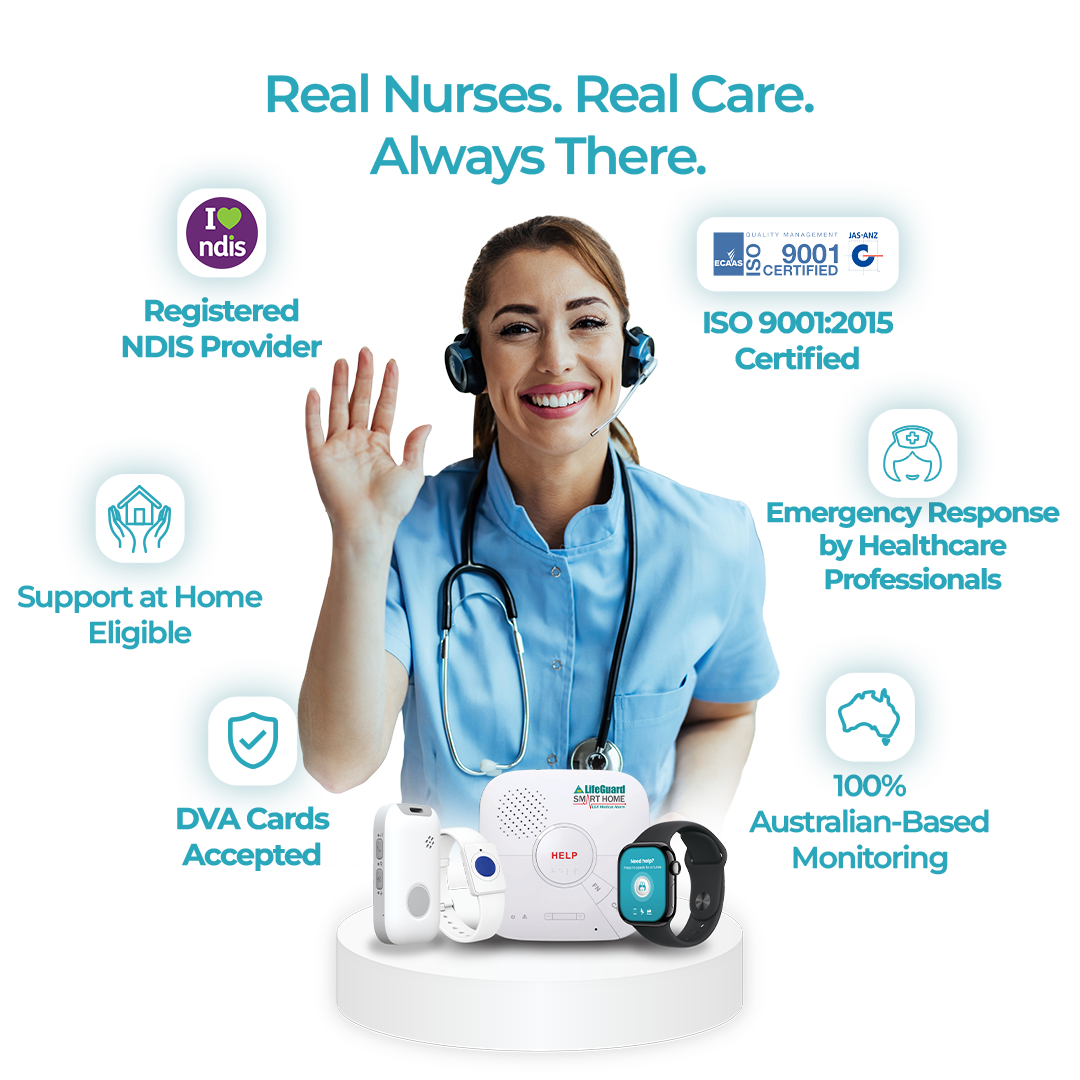
INS LifeGuard is the only 24/7 nurse on-call personal and medical monitoring in Australia. We provide monitoring technology for both in the home and on the go and can also monitor other provider's equipment. Our services are suitable for anyone wanting support to stay independent such as the elderly, those with medical conditions and disabilities plus enhancing safety and security for lone workers.