
Have a Question?

Lone Worker Safety in Australia: WHS Obligations, Alarm Technology & Funding Support
INS LifeGuard • February 3, 2026

What happens when something goes wrong and no one else is around to help? For thousands of Australians, working alone is part of everyday life, but it comes with added risks shaped by isolated environments, unpredictable conditions, and limited access to immediate assistance. From healthcare professionals making home visits to maintenance workers in remote locations and small business owners operating solo, lone workers face increased exposure to accidents, violence, and medical emergencies.
In Australia, employers have clear responsibilities under Work Health and Safety (WHS) legislation to protect people working alone. This guide breaks down what lone worker safety really involves, outlines key WHS obligations, explores modern alarm and monitoring technology, and explains how NSW businesses can access funding support to strengthen workplace safety.
Understanding Lone Workers and the Risks They Face
What is a Lone Worker?
Lone workers are individuals who work on their own with no close or direct supervision. This includes workers who are self-employed, those working in remote or isolated areas, and employees who carry out their duties alone. According to
Safe Work Australia, lone workers face a higher risk of being attacked and have lower chances of accessing emergency assistance when needed.
Types of Lone Workers and Hazards They Face
Lone workers can be found across many industries, each facing specific risks:
- Social workers and community workers: Abusive or violent patients, clients or relatives; manual handling (lifting) injuries
- Electrical and maintenance workers: Electric shocks, trips, cuts, falls, accidents, confined spaces
- Security workers: Violence, accidents, falls, burns, toxic exposures
- Home help, care assistants and cleaners: Falls, lifting injuries, injuries from rubbish handling, infections, needle sticks, chemicals, violence, robbery
- Nursing staff: Manual handling injuries, abusive or violent patients, drug handling, robbery, violence
- Public workers: Confined spaces, toxic gases, biohazards, slips and falls
- Farm and forestry workers: Animal attacks, weather exposure, machinery accidents, chemicals, falling trees
- Shop and service sector workers: Violence, abuse, robbery, manual handling injuries
Common Risks for Lone Workers
Without immediate support or supervision, lone workers are particularly vulnerable to:
- Work-related accidents and emergencies
- Sudden illnesses that occur during work hours
- Inadequate provision of rest, hygiene, first aid and welfare facilities
- Physical violence from members of the public or intruders
- Mental health impacts from isolation and constant safety concerns
If precautions aren’t taken to address these safety concerns, lone workers risk falling victim to violence, being unable to access emergency assistance when needed, and experiencing mental and physical health issues that can significantly affect their overall performance.
Employer WHS Obligations in Australia
In 2025, workplace safety in Australia extends beyond traditional protections like helmets, warning signs and basic duress alarms. Employers are expected to take comprehensive responsibility for the overall wellbeing of their teams, including mental health support, fast emergency responses, and protection for remote or isolated workers.
The Work Health and Safety Act 2011
Work Health and Safety (WHS) obligations across most Australian states and territories are grounded in the Work Health and Safety Act 2011 (WHS Act 2011). This legislation establishes the foundation of workplace responsibilities, setting out who owes duties, the scope of those duties, and the standard expected under Australian law. It is enforced by state and territory regulators, with Safe Work Australia providing national policy leadership.
Under the Act, the Person Conducting a Business or Undertaking (PCBU), usually the employer, organisation, or business, holds the primary duty of care. This means they must, as far as is reasonably practicable, ensure the health and safety of workers and anyone else who may be affected by the work.
Workers also share responsibility. They must take reasonable care of their own health and follow safety policies. Many workplaces appoint health and safety representatives to support these processes.
The consequences of ignoring the Work Health and Safety legislation are serious. Breaches can result in large financial penalties, reputational damage, and in severe cases, even criminal charges.
The Primary Duty of Care
The PCBU must, as far as is reasonably practicable, ensure the health and safety of workers and anyone else who may be affected by the work. This is a legal requirement, not merely a guideline.
Workers also share responsibility. They must take reasonable care of their own health and follow safety policies. Many workplaces appoint health and safety representatives to support these processes.
Important:
The consequences of ignoring Work Health and Safety legislation are serious. Breaches can result in large financial penalties, reputational damage and, in severe cases, criminal charges.
Practical WHS Requirements
A core responsibility for employers is to manage risks in the workplace systematically. This involves four key steps:
- Identifying hazards – spotting anything with the potential to cause harm
- Assessing risks – analysing the likelihood and severity of harm
- Implementing controls – applying measures to eliminate or minimise risks
- Reviewing controls – checking regularly that safety measures remain effective
Safety Systems and Support for Workers
Employers must establish and maintain safety systems that go beyond compliance. These include:
- Training programmes and supervision: Making sure workers understand risks and how to carry out tasks safely
- Consultation with workers: Involving staff in decisions about workplace safety and listening to their input
- Emergency procedures: Preparing for incidents with clear evacuation, first aid and response plans
- Incident reporting: Having systems for recording, investigating and addressing accidents or near misses
- Health surveillance: Monitoring workers’ health where risks from exposure (e.g., to chemicals, noise or repetitive strain) may arise
For remote, isolated and mobile workforces, employers must provide:
- Effective emergency response systems
- Check-in and monitoring processes
- Reliable communication tools (e.g., phones, radios, duress alarms)
- Special attention to situations where response time is critical
Government compliance: In Australia, it is a legal requirement to provide workers with safe work environments, safe work practices, supervision and training, as well as consistent health monitoring in the workplace. For lone workers, this includes providing appropriate safety solutions such as personal duress alarms.
The Reality of Workplace Health and Safety in Australia
Work health and workplace health remain critical concerns in Australia. Despite improvements in regulation and workplace practices, injury and fatality numbers show that significant work remains to protect employees. This reality reinforces the importance of health and safety across every workplace.
Fatalities and Serious Claims
In 2023, 200 Australian workers lost their lives on the job, up from 195 in the previous year. Traumatic injury fatalities and serious workers’ compensation claims are heavily concentrated in six high-risk industries:
- Agriculture
- Public administration and safety
- Transport, postal and warehousing
- Manufacturing
- Health care and social assistance
- Construction
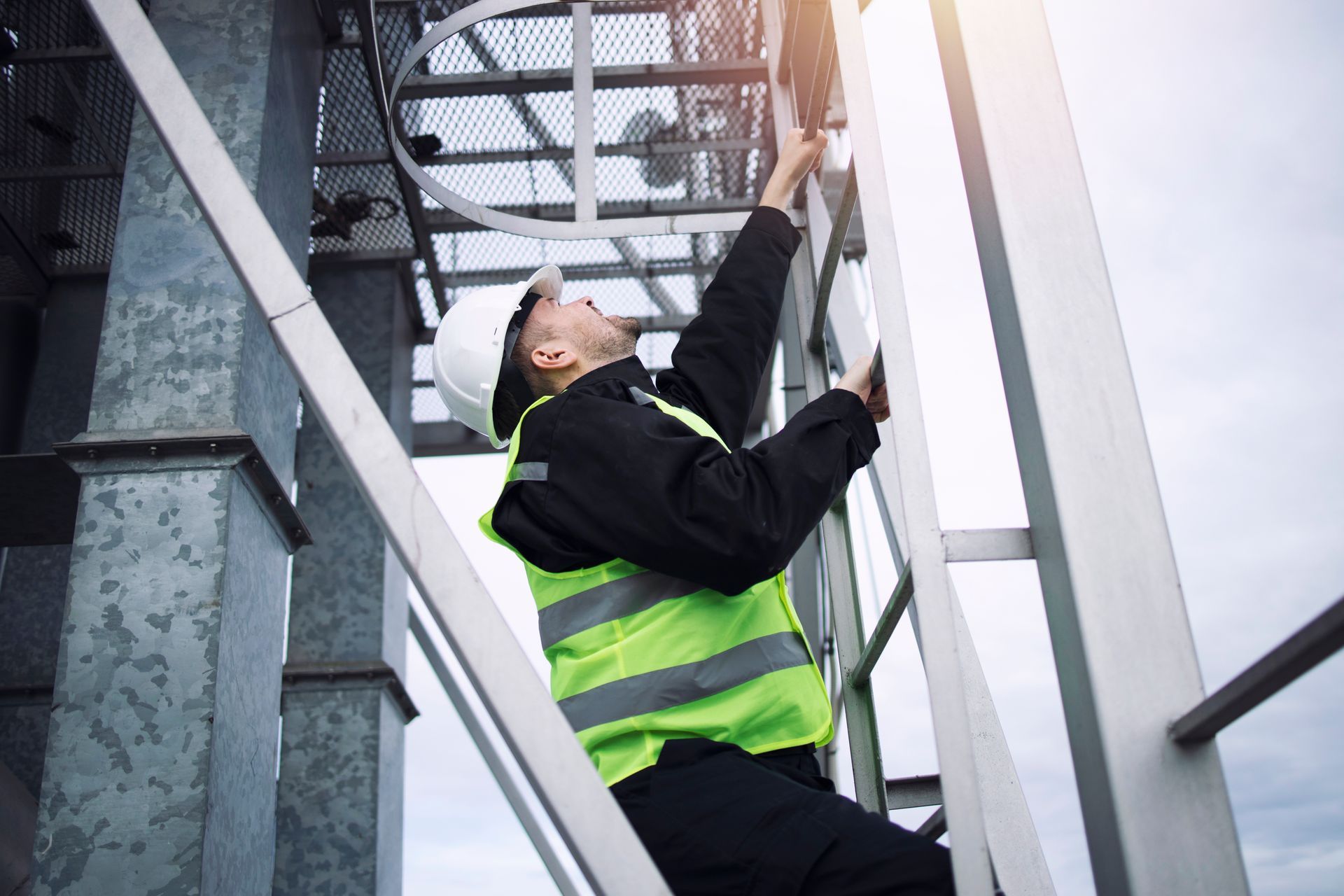
Vehicle-related incidents remain the leading cause of worker deaths, whilst falls from height account for 15%, a trend that continues to rise. These figures highlight the urgent need for stronger health and safety controls.
Incidence of Injury, Illness and Occupational Health Risks
Beyond fatalities, injuries and illnesses continue to affect a large proportion of the workforce. In 2021-22, there were 497,300 people who experienced a work-related injury or illness, representing about 3.5% of all workers during that year.
The most common types of injuries were:
- Sprains, strains or dislocations (around 26%)
- Chronic joint or muscle conditions (around 20%)
More than 80% of serious compensation claims were linked to body stressing, slips, trips and falls, being struck by objects, or mental stress. Psychological claims are rising steadily, making up about 11% of all serious cases in 2022-23. Although Australia’s injury rate is lower than the global average of 12.1%, the growing number of mental health-related claims shows that occupational health risks extend well beyond physical harm.
Economic and Productivity Costs
Safe Work Australia estimates that if injuries and illnesses were eliminated, the national economy would be $28.6 billion larger each year, with an additional 185,500 full-time jobs created. For individual businesses, the cost of lost productivity is also severe.
The median time off work for serious claims is more than five times longer than for less severe injuries. Psychological injuries, such as stress or mental health conditions, are particularly costly because they often require longer recovery periods. Meeting WHS obligations is not just a legal necessity but also a clear investment in health and safety outcomes that benefit both employees and businesses.
Lone Worker Alarm Technology
What is a Lone Worker Device?
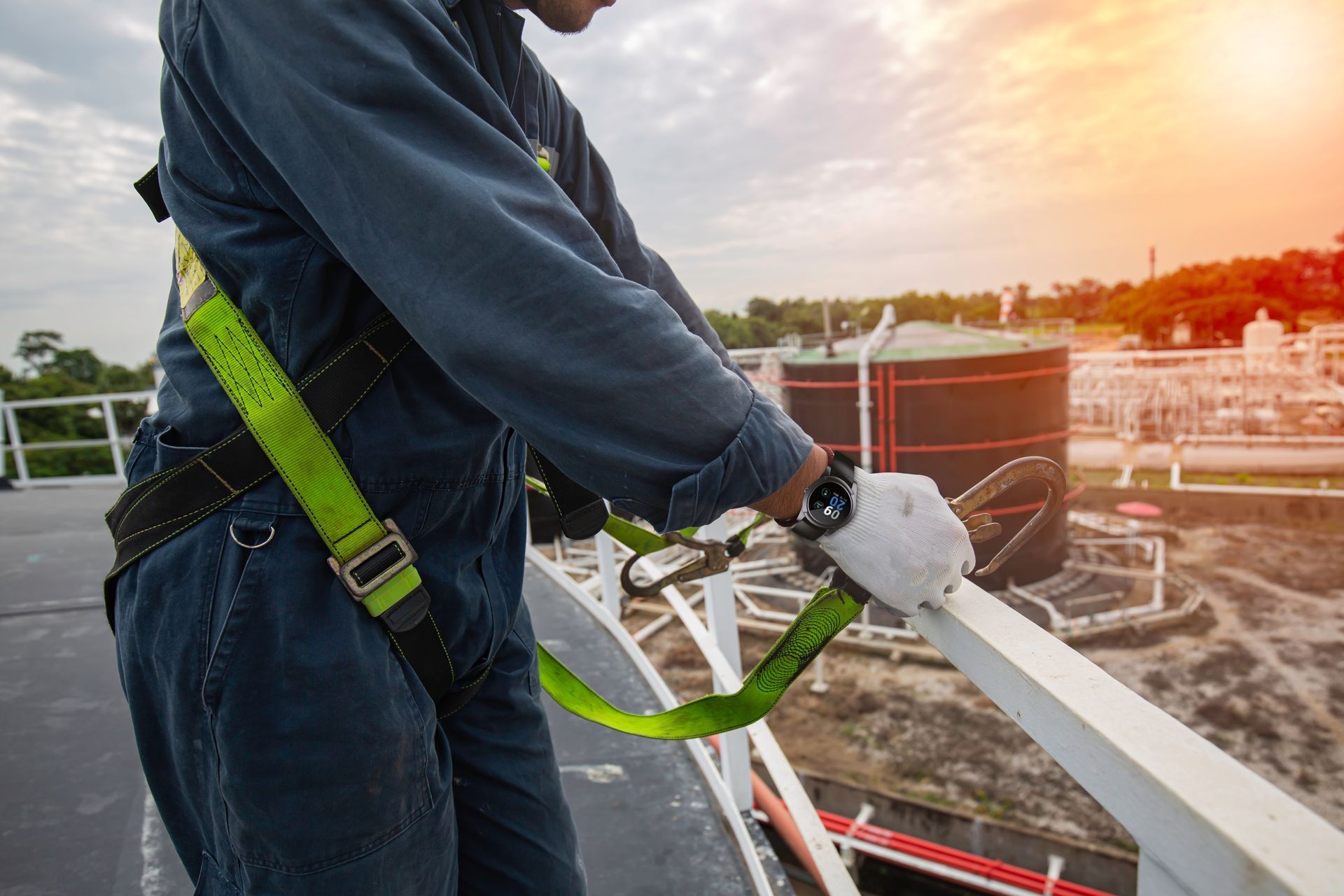
A lone worker alarm is a safety device designed to provide peace of mind and safety to individuals working alone or in remote locations. These devices allow workers to send an alert to another person if they are in danger, suffering an injury, or in the middle of an emergency situation. Typically, lone worker devices are wearable and feature one-touch emergency buttons that can easily be pressed when the worker feels threatened or requires assistance.
How Do Lone Worker Alarms Work?
There are many ways in which lone worker alarms can function. INS LifeGuard’s lone worker alarms come with GPS location tracking so workers can be located during emergencies.
When the lone worker alarm activates, it promptly sends alerts to a predetermined list of emergency contacts, which can include family members, caregivers, or INS LifeGuard’s on-call nurses if professionally monitored. The dedicated response centre operates 24/7, dramatically cutting down emergency response times and guaranteeing quick assistance for the lone worker.
Rest assured that even without a response from the worker, help will be on its way to provide timely assistance.
Why Traditional Safety Systems Fall Short
Traditional duress or panic alarms were designed for general emergency response rather than specifically addressing health and safety needs. Whilst they can notify an operator centre, these systems often face critical limitations:
- Non-clinical response delays: Calls are routed to operator centres rather than trained medical professionals, creating potential delays, mis-triage or gaps in escalation when every second matters
- Limited functionality for remote workers: Many traditional systems don’t offer accurate location tracking, fall detection or integrated health assessments, leaving isolated employees vulnerable
- Neglect of mental health:
Standard WHS systems rarely consider emotional distress or psychological risk, despite mental health being a key obligation
The Advantages of Clinical-Grade Safety Tools
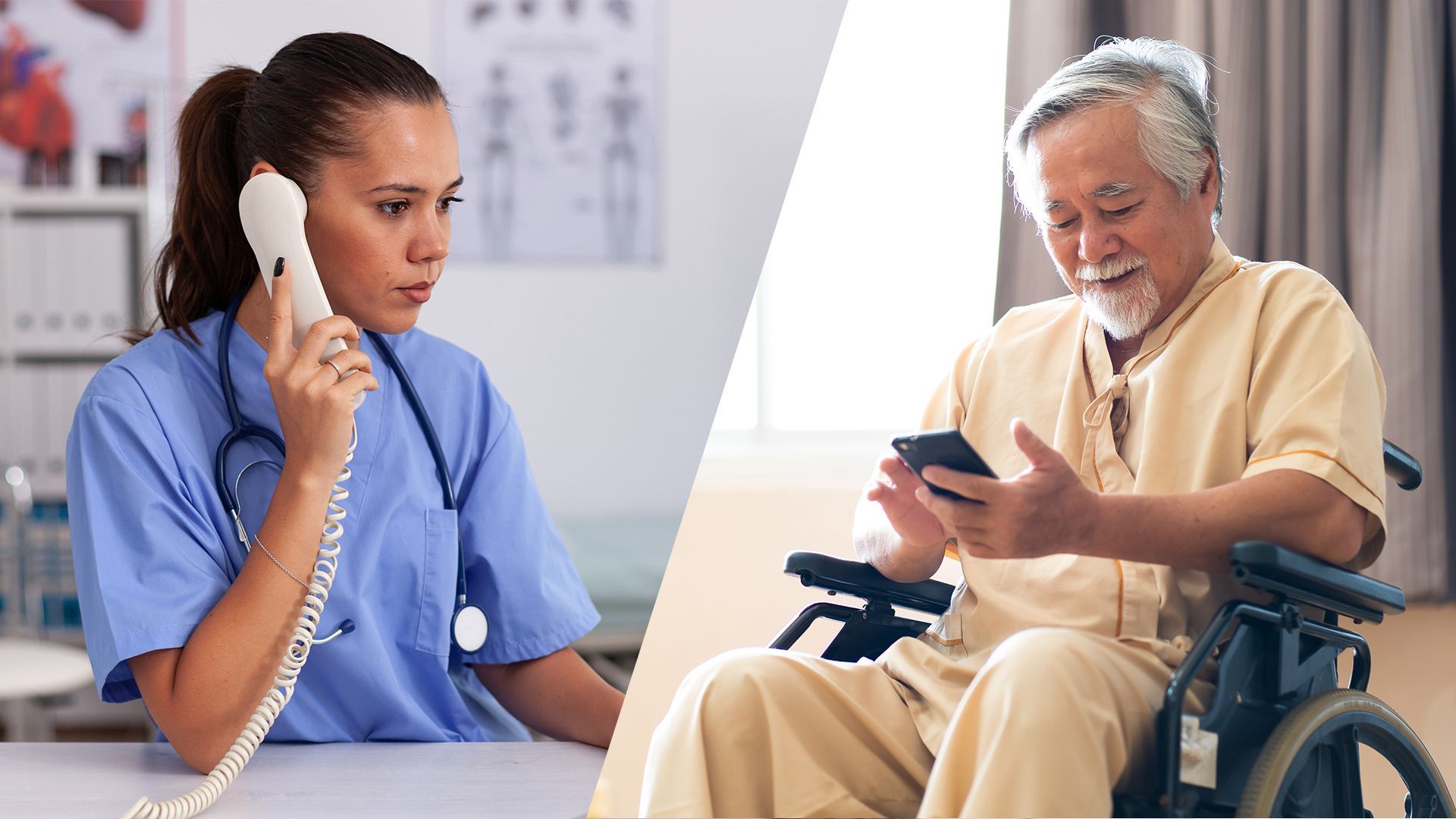
Clinical-grade platforms close these gaps by embedding nurse-led emergency response and smart monitoring features. Unlike operator-based systems, calls are answered by qualified clinicians who can assess and act immediately.
Key advantages include:
- Emergencies answered by trained clinicians who can assess, advise and escalate quickly
- Advanced safety features such as fall detection, crash sensing, geolocation and check-ins
- Emotional and mental health support alongside emergency care
- Compliance reporting with dashboards and audit trails
- Protection extends to remote, after-hours and isolated workers
The result is faster, smarter and more compassionate safety, delivering a stronger duty of care.
Top 5 Reasons to Provide Lone Worker Alarms
Incorporating personal alarms into your safety measures empowers lone workers to swiftly signal for help in case of an emergency or threat. This not only enhances their safety but also reinforces their value, potentially leading to improved retention rates.
1. Safety and Security
Prioritising safety and security are the primary objectives of monitoring lone workers. Through a lone worker alarm system, employees can easily share real-time locations and activities and conduct regular check-ins. In case of emergencies, employees can activate their lone worker alarm, promptly notifying managers or authorities to provide immediate assistance.
2. Government Compliance
In Australia, it is a legal requirement to provide workers with safe work environments, safe work practices, supervision and training, as well as consistent health monitoring in the workplace. Lone worker safety solutions, including
personal alarms, help meet these legal obligations.
3. Peace of Mind
In high-risk industries, lone workers feel more confident and secure when their employers assure them that help is one alarm away in case of emergency. This assurance provides peace of mind not only to lone workers but also to managers, knowing that their employees will return home safely at the end of each day.
4. Improved Employee Productivity
Enhancing the safety of lone workers directly corresponds with increased productivity. When lone workers feel assured of their safety, they can concentrate on their tasks and deliver optimal results without worrying about potential risks.
5. Efficient Operation
By using a lone worker alarm system, managers can enhance their awareness of lone workers’ activities, enabling them to optimise workflows, mitigate potential hazards, efficiently schedule tasks, facilitate seamless communication with employees and generate comprehensive activity reports, all leading to cost savings.
INS LifeGuard’s Lone Worker Safety Solutions
INS LifeGuard offers comprehensive safety solutions designed to meet WHS obligations whilst providing clinical-grade emergency response. Our range includes both wearable devices and mobile app-based solutions to suit different workplace needs.
The INS LifeGuardian® App
The INS LifeGuardian® app is a comprehensive mobile safety platform that turns compatible smartphones into monitored safety devices, supported by a 24/7 nurse-led response centre. It also integrates seamlessly with wearable devices and smartwatches, making it ideal for both workplace and remote safety scenarios.
Key features include:
- 24/7 Nurse-Led Emergency Response: Immediate access to qualified nurses and health professionals for reassurance, advice or urgent support
- Automated Check-Ins: Regular safety checks at designated intervals. Missed check-ins trigger automatic alerts
- Voice Activation: Set up a key phrase to trigger an alarm if unable to press the button
- Fall and Crash Detection: Automatic alerts to the response centre for falls and vehicle impacts
- GPS Tracking and Geofencing: Pinpoint location tracking with customised boundary alerts
- Auto-Answer Function: Allows communication even if the worker is unable to physically respond
- Nurse Information and Nurse Chat: 24/7 confidential chat service for emotional support, plus monthly check-in calls
- Employer Management Portal and API: Secure web portal for comprehensive management, communication, real-time alerts and seamless integration with existing organisational systems
- Employee Benefit:
Can be included as an employee benefit, demonstrating organisational commitment to workforce safety and wellbeing
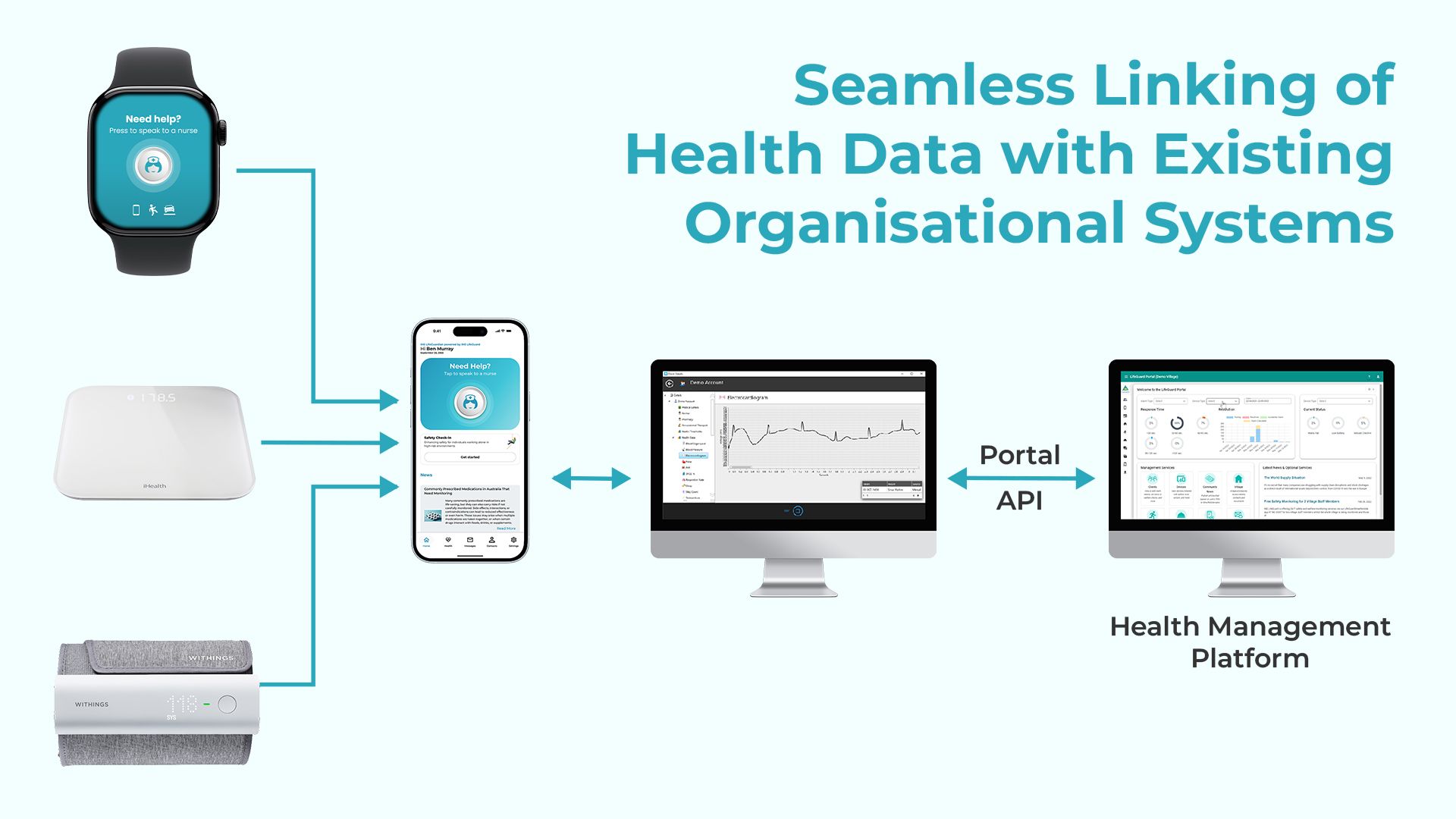
The INS LifeGuardian® app is compatible with LifeGuard Mia BT4, a compact and stylish wireless lone worker alarm that can be worn on the wrist or as a pendant.
Essentials Plan
Available on compatible iOS and Android smartphones, the Essentials Plan delivers everything a workplace needs for emergency response and personal safety:
- 24/7 nurse-led response
- Fall and crash detection
- Voice-activated alarms
- GPS locator and geofencing
- Scheduled safety check-ins
- Emotional support
- Smartwatch integration
- Manager portal and API
Premium Plan
The Premium Plan includes all Essentials features plus proactive health monitoring:
- Vital Signs Monitoring: Smartwatch-enabled monitoring of heart rate, blood pressure and other key health trends to detect risks early
- Nursing Reviews and Care Plans: On-demand nurse consultations, proactive health support and telehealth access for ongoing care
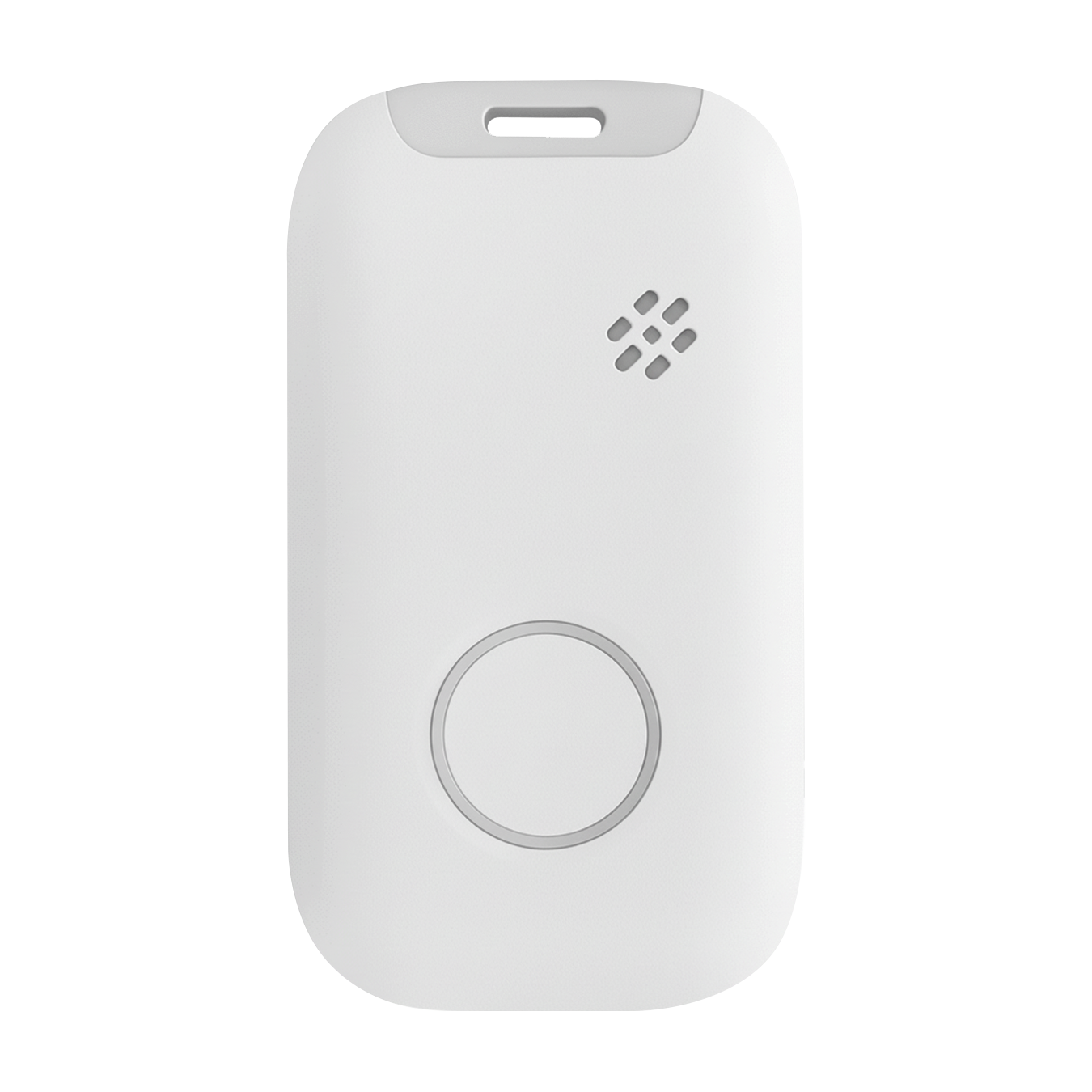
LifeGuard SmartTracker
With a simple press of a button, the LifeGuard SmartTracker enables lone workers to communicate with either friends and family or, if preferred, an experienced nurse from INS LifeGuard who can assess their situation and provide immediate assistance.
Features:
- Built-in GPS locator for easy location during emergencies
- Operates on cellular phone technology without complex features
- Docking station for easy charging
- Fall detector that automatically sends alerts
- Stylish pendant design
Prompt assistance will be dispatched even if the wearer is unable to respond. You can choose either professional monitoring by INS LifeGuard nurses or self-monitoring by family and friends.
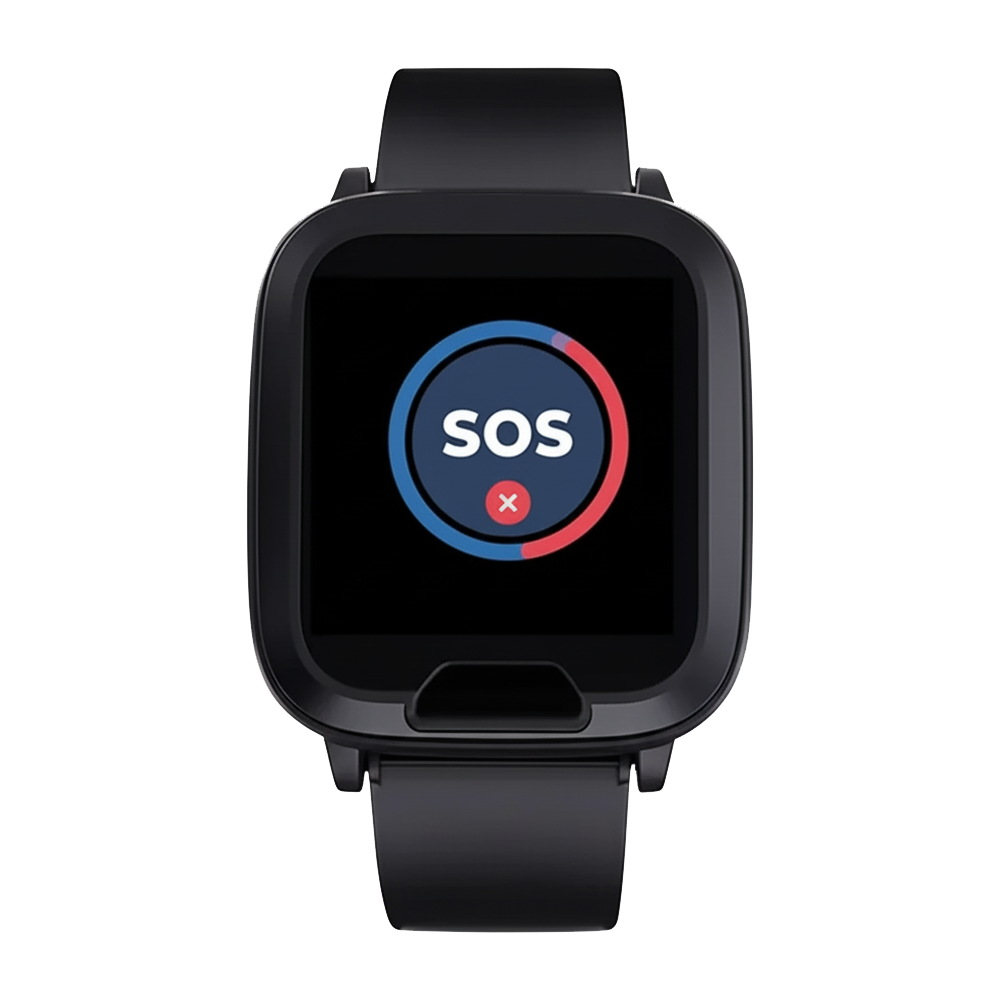
LifeGuard SafetyWatch
The LifeGuard SafetyWatch is a stylish personal safety alarm that allows you to trigger an alarm in real time using GPS location with a press of the SOS button. With up to 4 location technologies, this device provides comprehensive coverage.
Features:
- Heart rate monitoring systems
- Steps counter
- Fall detection
- Voice prompts
- Geofence alerts
- Waterproof IP67
- Built-in speaker and microphone for 2-way calling
The LifeGuard SafetyWatch is easy to use and can be worn anywhere, enabling lone workers to access help anytime at any place with just a single button.
How INS LifeGuard Meets WHS Obligations
INS LifeGuard goes beyond basic safety tools by directly supporting employers in managing their Work Health and Safety obligations:
- Faster Emergency Response: Connect to trained professionals within minutes, reducing the severity of incidents
- Early Intervention: Identify warning signs and dispatch support before they escalate into workplace accidents
- Mental Health Support: Strengthen access to support and lower the risk of psychological injury claims
- Compliance Documentation: Demonstrate compliance with logs, reports and audit trails
- Legal Protection: Show regulators and insurers that ‘reasonably practicable’ steps have been taken to protect staff
Beyond compliance, we deliver measurable value by reducing lost work hours and claims, lowering reputational risks, and strengthening staff confidence, morale and retention.
Funding Support: NSW Small Business Rebate Scheme
If you are a small business owner in NSW with lone workers, you can take proactive steps to enhance their safety whilst benefiting from rebates of up to $1,000 through the Small Business Rebate Scheme on safety-enhancing investments.
What is the Small Business Rebate Scheme?
The NSW Small Business Rebate Scheme is an initiative by the Australian Government designed to give money back to sole traders and small business owners who purchase and install eligible safety equipment for their workplace.
Safety items eligible for the rebate include:
- Injuries from moving objects: Communication radios, personal duress alarms, etc.
- Hazardous manual task items: Manual lifting devices, patient handling devices, etc.
- Slips, trips and falls items: Cable guards, anti-slip treading, safe plates, etc.
- Chemicals and dangerous goods: Dangerous goods storage cabinets, closed chemical delivery systems, etc.
- Hazardous noise items: Acoustic silencers, sound-absorbent barriers, etc.
How the Rebate Scheme Benefits Lone Workers
You will find on the SafeWork website (under “what can I buy?” > “injuries from moving objects” > “being assaulted”) that personal duress alarms, communication radios and tracking systems are listed as eligible safety items.
Personal duress alarms are mobile safety devices that allow anyone in a dangerous situation to call for help at the touch of a button. Communication radios enable lone workers to stay connected with their team in real-time.
Since the Small Business Rebate Scheme covers personal duress alarms and communication radios, both of which are essential for improving lone worker safety, sole traders who often find themselves working alone or remotely and small business owners who have workers in high-threat environments can use the scheme to help cover the costs of buying these much-needed safety items.
INS LifeGuard Products Eligible for the Rebate
The following INS LifeGuard solutions are considered eligible safety items under the Small Business Rebate Scheme:
- LifeGuard SmartTracker
- LifeGuard SafetyWatch
Eligibility Requirements for the Rebate
If you are not sure whether you qualify for a small business rebate, here are the eligibility requirements:
- You must be a small business owner or a sole trader in NSW
- You must have less than 50 full-time employees or equivalent
- You must have participated in an eligible event (free SafeWork NSW safety workshop, webinar) or had an advisory visit with a SafeWork NSW officer
- You must buy and install eligible safety equipment in your workplace
- You must be conducting a commercial business producing goods or providing services in NSW
- You must not be a previous recipient of a small business rebate from SafeWork or WorkCover NSW
Taking Action to Protect Lone Workers
A lone worker alarm is an essential safety device that businesses should provide, particularly to employees who carry out their duties alone or in remote locations. With a lone worker alarm, both employees and employers can have peace of mind, knowing that help is accessible anytime and anywhere during an emergency.
INS LifeGuard’s lone worker safety solutions are designed to monitor workforces remotely and ensure lone workers are safe whilst on the job. Through these clinical-grade personal safety devices, employers can help improve the safety and productivity of their lone workers, meet WHS obligations and optimise business operations.
Many businesses have staff who work alone, and lone workers are at greater risk of being assaulted or getting into dangerous situations. Employers must invest in the right safety equipment to protect the safety and wellbeing of their lone workers. If you are a sole trader who can be considered a lone worker, the same applies to you. Whether you are a small business owner or a sole trader, you can apply for the NSW rebate to help offset some of the costs of buying safety items.
Get Started Today
If you’re an employer looking for an effective way to monitor the safety and wellbeing of your workforce, or an employee who wants extra protection whilst working alone:
Download the INS LifeGuardian® App:
Enjoy a 30-day free trial to experience clinical-grade safety support
Want to explore how lone worker safety can work in practice?
Contact INS LifeGuard on
1800 636 226 or
visit our website, and our team can walk you through our lone worker alarm solutions and how they integrate with your existing WHS systems.
About
INS LifeGuard is the only 24/7 nurse on-call personal and medical monitoring in Australia. We provide monitoring technology for both in the home and on the go and can also monitor other provider's equipment. Our services are suitable for anyone wanting support to stay independent such as the elderly, those with medical conditions and disabilities plus enhancing safety and security for lone workers.