
Have a Question?

4 Common Eye Conditions in Seniors: Protecting Your Vision as You Age
INS LifeGuard • August 21, 2026
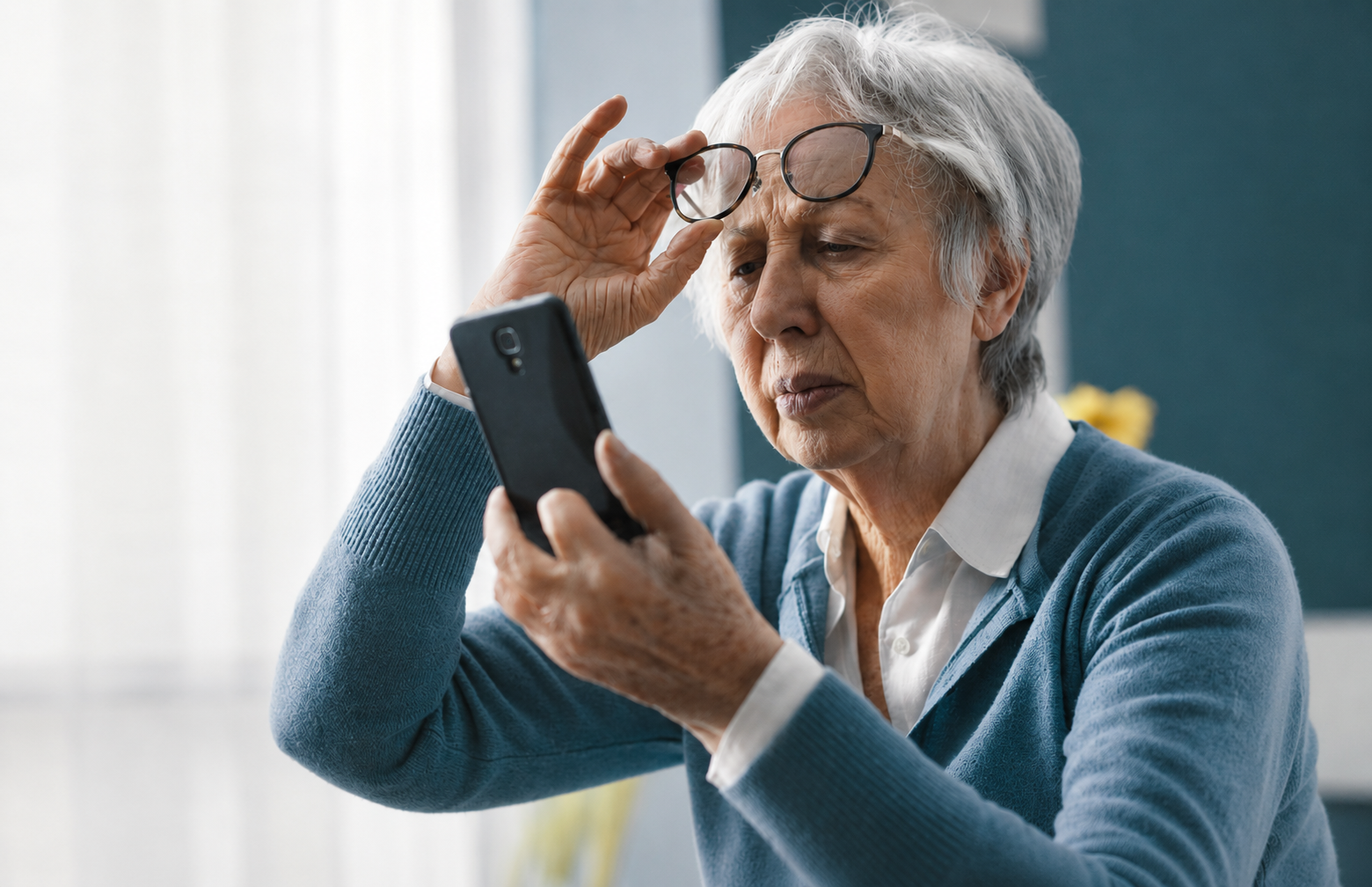
Our eyes naturally change as we get older. You may find yourself needing brighter light to read, holding a book or phone farther away, or taking longer to adjust between different light levels.
While some eyesight changes are a normal part of ageing, others can signal an eye condition that needs professional assessment.
Cataracts, glaucoma, age-related macular degeneration and diabetic retinopathy are four common eye conditions in seniors. Some can develop with few noticeable symptoms at first, making regular eye checks particularly important.
In fact, the Australian Government reports that around 90% of blindness and vision impairment in Australia is preventable or treatable if detected early.
If you've been looking for information about old age eye conditions, eye problems in elderly people or elderly eye issues, it's important to understand that not every vision change is simply a normal part of getting older.
Knowing the signs to watch for, getting regular eye exams, and seeking professional advice when your vision changes can help protect your eyesight and independence as you age.
Eye Problems in Seniors: What's Normal as You Age?
Not every change in eyesight means you have an eye disease.
One of the most common age-related changes is presbyopia, which makes it harder to focus clearly on close objects.
It happens because the lenses at the front of the eyes become less flexible with age. Almost everyone experiences some degree of presbyopia after around the age of 40, and reading glasses can help correct it.
You may also notice changes such as needing more light to see clearly or finding it harder to adjust between different light levels.
The important thing is not to assume every age-related eye problem is simply a normal part of getting older. Some eye conditions can develop before you notice obvious symptoms, which is why regular eye examinations are important.
4 Common Eye Conditions in Seniors
1. Cataracts
A cataract occurs when the normally clear lens inside the eye becomes cloudy.
The lens helps focus light so that you can see clearly. As a cataract develops, your vision can gradually become cloudy, blurred or distorted.
Cataracts become increasingly common with age and can eventually make everyday activities more difficult.
Changes may include:
- blurred or cloudy vision
- increased sensitivity to glare
- difficulty seeing clearly in low light
- colours appearing less vivid
- difficulty with activities such as reading or driving.
If cataracts begin to affect your vision significantly, you can treat them surgically.
Because changes can happen gradually, regular eye examinations can help identify cataracts and determine whether treatment is needed.
2. Glaucoma
Glaucoma is an eye condition that damages the optic nerve, which carries visual information from your eye to your brain.
One of the challenges with glaucoma is that people often don't experience symptoms during its early stages.
As the condition progresses, it can cause irreversible vision loss.
Healthdirect reports that around 1 in 10 people aged over 80 have glaucoma. Regular eye checks are therefore particularly important as you get older because glaucoma can be detected before you notice changes to your vision.
Treatment depends on the individual and may include medicines, laser treatment or surgery.
Early detection and appropriate treatment can help preserve vision.
3. Age-Related Macular Degeneration (AMD)
Age-related macular degeneration, usually called AMD, affects the macula, the central part of the retina responsible for detailed central vision.
Your central vision is important for everyday activities such as:
- reading
- recognising faces
- driving
- seeing fine details.
AMD can distort, blur, or eliminate central vision while peripheral vision may remain.
Healthdirect reports that early signs of AMD can affect around 1 in 7 people aged over 50. Treatments are available for some forms of AMD and may slow progression, so early detection through regular eye examinations is important.
If straight lines begin to look distorted or you notice changes to your central vision, arrange an eye examination.
4. Diabetic Retinopathy
Diabetic retinopathy is an eye complication associated with diabetes.
Over time, diabetes can damage the small blood vessels in the retina at the back of the eye. This can eventually affect eyesight and potentially cause vision loss.
Regular checks matter because diabetic retinopathy may not cause noticeable symptoms early on.
When symptoms do occur, they can include blurred or distorted vision, sensitivity to glare, floaters, patchy vision or changes in eyesight.
People living with diabetes can reduce their risk by managing their blood glucose, blood pressure and cholesterol and having regular eye health checks.
If you have diabetes, don't wait until you notice a problem with your eyesight before arranging an eye check.
Other Eye Problems That Become More Common With Age
The four conditions above aren't the only eye problems associated with ageing.
Dry Eye
Dry eye occurs when your tears don't provide enough lubrication for your eyes.
It can affect people at any age but is more common in people aged over 50. Symptoms can include itchy, burning or sore eyes.
There are different ways to manage dry eye, so speak with an optometrist or doctor if symptoms persist or bother you.
Presbyopia
Presbyopia is an extremely common age-related change that makes it harder to focus on nearby objects.
You might notice yourself holding menus, books or your phone further away to read them clearly.
Reading glasses or other corrective lenses can usually help.
The important distinction is that presbyopia is a normal change associated with ageing. In contrast, conditions such as glaucoma, AMD and diabetic retinopathy can threaten vision and require professional monitoring or treatment.
Eye Symptoms Seniors Shouldn't Ignore
Some eye issues in older adults develop gradually, while others can occur suddenly.
Arrange an appointment with an optometrist if you notice changes such as:
- blurred or double vision
- new spots or floaters
- increasing sensitivity to glare
- changes to your central or peripheral vision
- reduced colour vision
- eye pain
- difficulty seeing that is affecting everyday activities.
Healthdirect also recommends considering an eye check if you notice that you're tripping over objects or bumping into things, as vision changes may be contributing.
What About Sudden Vision Loss?
Sudden vision changes shouldn't be treated as a normal part of ageing.
If you experience sudden severe eye pain and/or vision loss, seek urgent medical attention by calling Triple Zero (000) or attending your nearest emergency department.
How Often Should Seniors Have an Eye Test?
Regular eye tests are one of the most important ways to protect your vision as you age.
An eye test can help identify conditions before you notice symptoms, including glaucoma, cataracts and macular degeneration.
Healthdirect recommends an annual eye test for people aged over 65, even if they don't have eye symptoms. Medicare rebates may apply to eligible optometry eye tests.
You may need more frequent checks depending on your individual circumstances, particularly if you have diabetes, high blood pressure, a family history of eye disease or an existing eye condition.
Ask your optometrist how often you should have your eyes examined.
How Can You Protect Your Eyesight as You Age?
You can't prevent every old age eye condition, but there are practical things you can do to look after your eyes.
Have Regular Eye Examinations
Don't wait until your eyesight deteriorates before visiting an optometrist.
Some conditions cause few or no symptoms at first, so regular examinations can help detect changes earlier.
Protect Your Eyes From UV
Wear sunglasses with good UV protection and consider wearing a sun hat when outdoors.
Long-term UV exposure can contribute to eye problems, including cataracts and age-related macular degeneration.
Don't Smoke
Smoking is associated with an increased risk of several eye conditions, including cataracts and macular degeneration.
If you smoke, speak with your doctor or pharmacist about support to quit.
Manage Diabetes and Your General Health
Diabetes can increase your risk of eye disease.
If you have diabetes, maintaining healthy blood glucose, blood pressure and cholesterol levels and attending regular eye examinations can help reduce your risk of diabetic retinopathy.
Eat Well and Stay Active
Maintaining a healthy lifestyle, including regular physical activity and a balanced diet, can support your general health as well as your eye health.
Vision Changes, Falls and Staying Independent
Good vision isn't only about reading clearly.
Our eyesight plays an important role in navigating our surroundings, identifying hazards and confidently carrying out everyday activities.
Vision changes can make it more difficult to:
- navigate steps and uneven surfaces
- identify obstacles
- move around safely in low light
- read labels and instructions
- recognise people
- travel independently
- complete everyday tasks confidently.
Healthdirect specifically notes that vision affects safety and recommends an eye check if someone begins tripping over or bumping into objects.
For an older person experiencing changes to their eyesight, a broader approach to safety can help maintain confidence and independence.
This may include improving lighting around the home, reducing trip hazards, keeping frequently used items within easy reach and making sure there is a reliable way to call for assistance if something goes wrong.
How Personal Alarms Can Provide an Additional Layer of Support
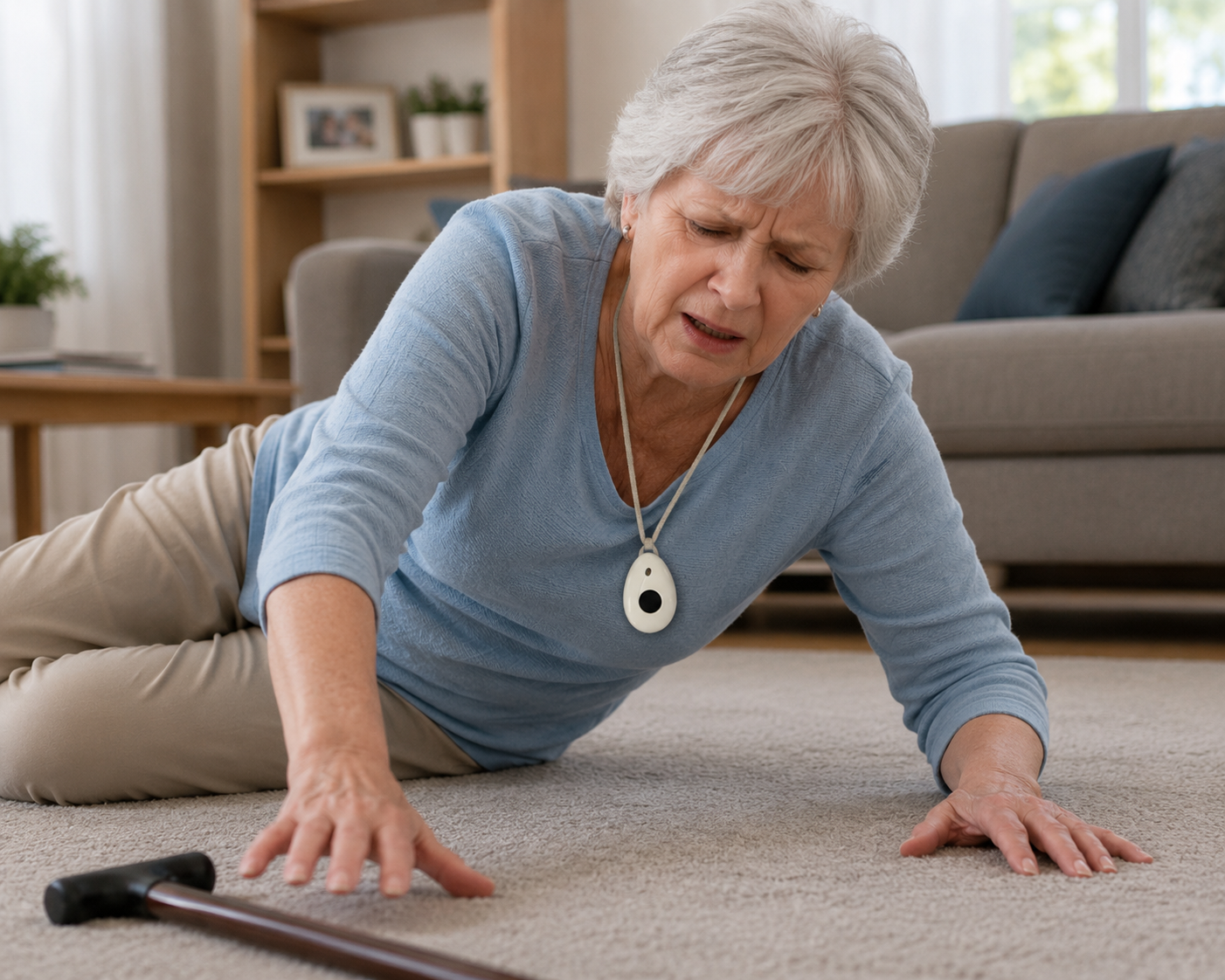
A personal alarm can't prevent or treat an eye condition, and it should never replace regular eye examinations or appropriate medical care.
However, for someone living alone or at increased risk of falling, a monitored personal alarm can provide an additional way to call for assistance if they fall, become unwell or feel unsafe.
Depending on the personal alarm, features can include:
- a HELP or SOS button
- two-way communication
- GPS location for mobile devices
- automatic fall detection
- smartwatch options
- access to 24/7 monitoring.
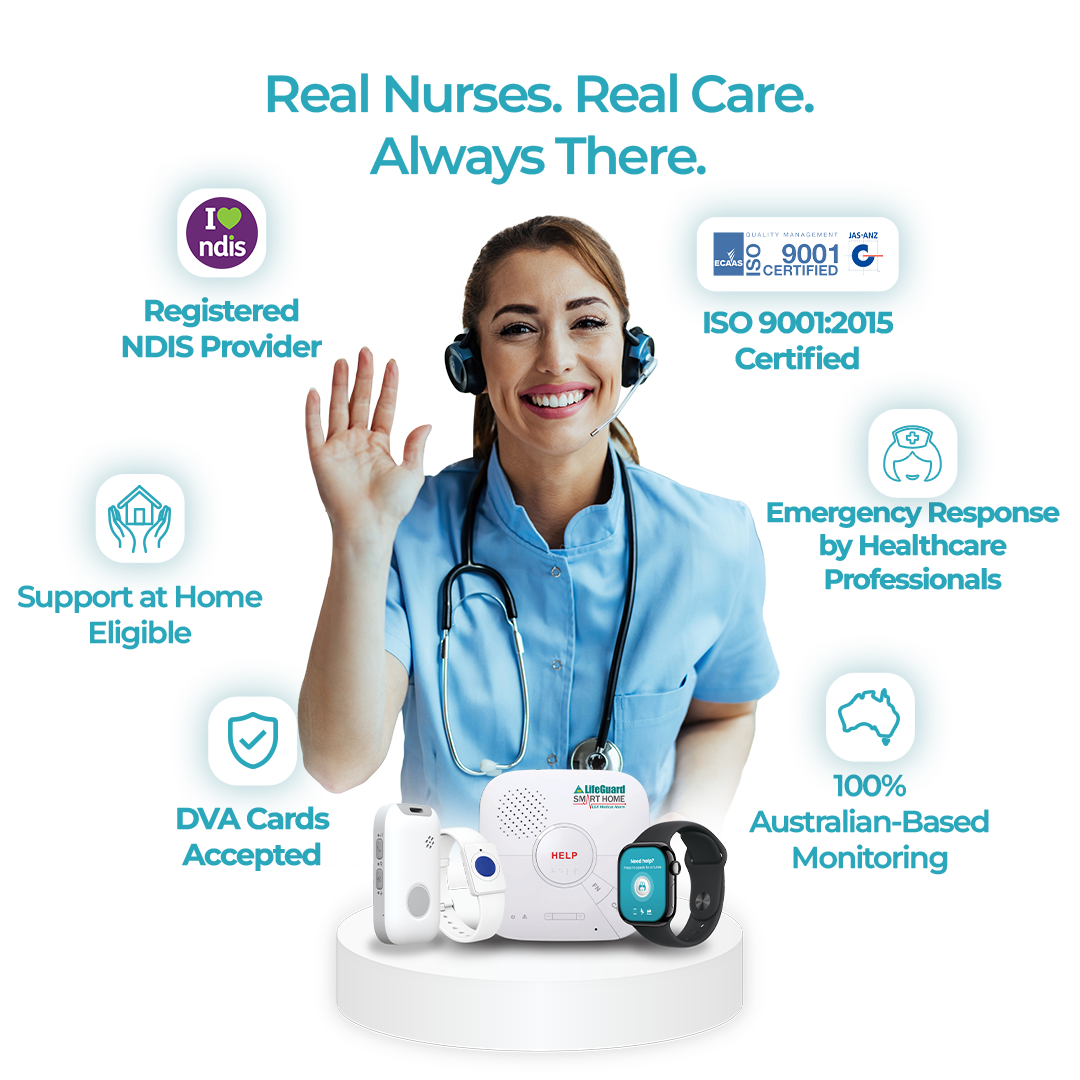
At INS LifeGuard, personal alarms connect users to our Clinical Operations Centre, staffed 24 hours a day, seven days a week by trained emergency responders who are also qualified and experienced healthcare professionals, including Registered and Enrolled Nurses.
This means the technology provides the connection, while our healthcare professionals can assess the situation and coordinate an appropriate response.
It's part of a broader approach centred on four outcomes:
Health. Safety. Connection. Independence.
Technology should support people and extend the reach of care, not replace the human relationships at its centre.
Frequently Asked Questions About Eye Conditions in Seniors
What Are the Most Common Old Age Eye Conditions?
Common old age eye conditions include cataracts, glaucoma, age-related macular degeneration and diabetic retinopathy.
Dry eye also becomes more common with age, while presbyopia is a normal age-related change that makes it more difficult to focus on nearby objects.
What Eye Problems Are Common in Elderly People?
Some eye problems in elderly people stem from normal changes associated with ageing, while others result from eye disease.
Presbyopia and dry eye become more common with age. Cataracts, glaucoma, age-related macular degeneration and diabetic retinopathy can also affect older people and may require professional monitoring or treatment.
What Elderly Eye Issues Shouldn't Be Ignored?
New or worsening elderly eye issues, including blurred or double vision, new floaters, eye pain, increased sensitivity to glare or changes to central or peripheral vision, should be professionally assessed.
Sudden severe eye pain or sudden vision loss requires urgent medical attention.
Are Old Age Eyesight Problems Normal?
Some changes are normal. Presbyopia, for example, occurs as the lens becomes less flexible with age, making close-up focusing more difficult.
However, old age eyesight problems shouldn't automatically be dismissed as normal ageing. An optometrist or doctor should assess new or worsening changes.
Can Eye Problems in Seniors Increase the Risk of Falls?
Vision plays an important role in safely navigating your surroundings. Changes in eyesight can make obstacles, steps, changes in floor level, and other hazards harder to see.
If someone begins tripping over objects or bumping into things, Healthdirect recommends considering an eye examination.
Improving lighting, addressing household hazards, and seeking professional advice about vision changes can also help make the home environment safer.
Does Glaucoma Have Symptoms?
Glaucoma often has no symptoms during its early stages, which is one reason regular eye examinations are so important.
Can Diabetes Affect Your Eyesight?
Yes. Diabetes can damage the small blood vessels in the retina and lead to diabetic retinopathy.
People living with diabetes should have regular eye checks even if their vision appears normal.
Protecting Your Vision and Independence as You Age
Changes to our eyes are a normal part of getting older, but preventable or treatable eye problems in seniors shouldn't simply be dismissed as part of ageing.
Regular eye examinations, paying attention to changes in your vision and looking after your overall health can all help protect your eyesight.
And if changes to health, mobility or vision begin affecting your confidence at home or when you're out and about, additional safety measures can provide valuable reassurance.
At INS LifeGuard, we believe people deserve the support, confidence and security to continue living the lives they value.
Because protecting independence is about more than responding when something goes wrong; it's about helping people stay healthier, safer, and more confident in everyday life.
Need Extra Reassurance at Home or Away?
Explore INS LifeGuard personal alarms and learn how 24/7 nurse response can provide an additional layer of safety and support for older Australians and their families.
This article provides general information only and is not a substitute for professional medical advice, diagnosis or treatment. Speak with an optometrist, doctor or other qualified healthcare professional about changes to your eyesight or individual health needs. In an emergency, call Triple Zero (000).
Related Articles
What interconnected smoke alarm rules mean for your home, including Queensland's 2027 deadline, and how a monitored smoke detector adds 24/7 protection.
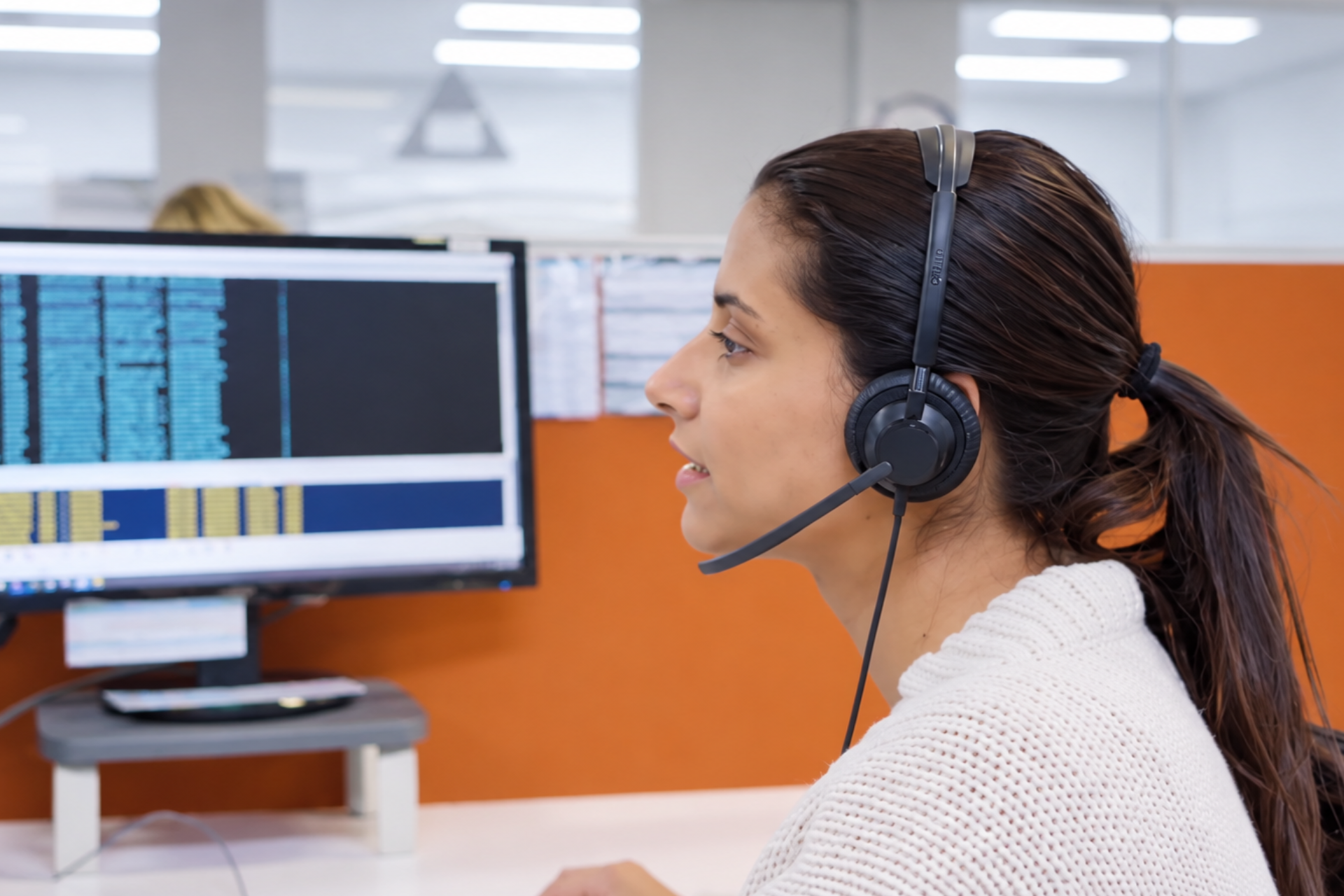
Already have a personal alarm? INS LifeGuard can monitor most alarms, including other providers', with 24/7 nurse-led support. Check if yours can connect.

Find out who qualifies for the Commonwealth Seniors Health Card, the current income limits, the benefits and how to apply in Australia.
About
INS LifeGuard is the only 24/7 nurse on-call personal and medical monitoring in Australia. We provide monitoring technology for both in the home and on the go and can also monitor other provider's equipment. Our services are suitable for anyone wanting support to stay independent such as the elderly, those with medical conditions and disabilities plus enhancing safety and security for lone workers.