
Have a Question?

Personal Care Under Support at Home – What Older Australians Need to Know
INS LifeGuard • August 21, 2026

As of 1 October 2026, a significant change to Australia’s Support at Home program means eligible older Australians receiving approved personal care at home no longer have to pay an out-of-pocket contribution towards that care.
Personal care can include help with everyday activities such as showering, dressing, eating, personal hygiene and non-clinical continence management. These essential supports can help older Australians maintain their dignity, wellbeing, and independence while continuing to live at home.
So, what exactly is personal care under Support at Home, who can receive it, and what does the change mean for you or someone you care for?
What is personal care under Support at Home?
Personal care under Support at Home is assistance with self-care and activities of daily living that can help an older person continue living safely and independently at home.
According to My Aged Care, personal care services can provide assistance with everyday activities that may have become difficult to manage independently.
Depending on an individual's assessed needs and approved services, personal care can include:
- bathing and showering
- dressing and undressing
- toileting
- getting in and out of bed
- washing and drying hair
- shaving
- assistance with eating
- personal hygiene
- non-clinical continence management
- assistance with self-administration of medication
- assistance with mobility around the home
- support with communication-related tasks where hearing, vision or speech is impaired.
The Australian Government's Support at Home service list broadly describes personal care as assistance with self-care and activities of daily living, assistance with self-administration of medication, and non-clinical continence management.
Why is personal care important?
For many older Australians, accepting help with personal care can make it easier to continue doing something incredibly important: living independently in their own home.
Tasks such as getting out of bed, showering, or dressing can become more difficult because of changes in mobility, strength, balance, or general health.
Appropriate assistance can help a person maintain personal hygiene and daily routines while supporting dignity and independence.
The Australian Government has described personal care as an essential service that supports the health, dignity, and wellbeing of older people.
Is personal care free under Support at Home?
From 1 October 2026, eligible Support at Home participants do not pay a participant contribution for approved personal care services.
Previously, personal care sat within the Independence contribution category under Support at Home.
From 1 October 2026, personal care moves to the Clinical Supports category for contribution purposes. This means the Australian Government fully funds the participant contribution for these personal care services.
There is, however, an important qualification.
To access personal care without an out-of-pocket participant contribution, you must:
- be approved for personal care services in your Support at Home support plan; and
- have available Support at Home funding.
Personal care services still use funding from your available Support at Home budget. In other words, no participant contribution does not mean unlimited personal care services.
What isn't included as personal care?
Understanding what isn't considered personal care is also important.
According to My Aged Care, personal care does not include general personal expenses such as hairdressing or waxing. It also doesn't include the cost of medications or pharmaceuticals, dose administration aids, or medication administration that a nurse must perform.
Some of these needs may fall within another Support at Home service category, while others are not funded through the program.
If you're unsure whether a particular activity qualifies as personal care, your Support at Home provider can help you understand what is included in your approved support plan.
Who is eligible for personal care under Support at Home?
Personal care isn't automatically available to every Support at Home participant.
Your individual care needs are assessed, and personal care needs to be approved as part of your Support at Home support plan.
If you are already assessed and approved for personal care, you do not need to be reassessed simply because the contribution arrangements changed on 1 October 2026.
You must still have available Support at Home funding to receive the service.
Do all Support at Home services have no out-of-pocket contribution?
No.
This is one of the most important points for older Australians and their families to understand.
Support at Home services fall into different contribution categories.
Clinical supports, including nursing and physiotherapy, have no participant contribution. From 1 October 2026, personal care also has no participant contribution.
However, participants can still be required to contribute towards other Independence and Everyday Living services, depending on the service and their circumstances.
Everyday Living services include domestic assistance and gardening.
So while approved personal care may have no out-of-pocket participant contribution, this does not mean every service received through Support at Home is free.
What should I do if I already receive personal care?
If you are already approved for personal care, you do not need a new assessment simply because of the 1 October 2026 contribution change.
However, it is worth checking your support plan and speaking with your provider if you're unsure about your services or available budget.
You may want to ask:
- Am I approved for personal care in my Support at Home plan?
- What personal care services am I currently approved to receive?
- How much funding is available in my Support at Home budget?
- How will personal care appear on my invoices and statements?
- Do I need to update my care plan or service agreement?
- If cost previously limited the personal care I received, can my care plan and budget now be reviewed?
My Aged Care specifically advises people to speak with their provider about updating their care plan and budget if contributions had previously been a barrier to accessing personal care.
Personal care and staying independent at home

For many older Australians, receiving some assistance doesn't mean giving up independence.
In fact, the right support can help make independence possible.
Personal care can help with regular daily activities. Other supports can assist with mobility, transport, household tasks or clinical needs.
It is also worth considering what happens during the hours when a care worker, family member or neighbour isn't there.
Falls, sudden illness and other emergencies can happen at any time.
A monitored personal alarm can provide another layer of support, giving an older person a way to call for assistance at home or out and about.
At INS LifeGuard, our Emergency Response Centre operates 24 hours a day, seven days a week and is staffed by trained emergency responders who are also experienced healthcare professionals, including Registered and Enrolled Nurses.
When a LifeGuard alarm is activated, our response team can communicate with the client, assess the situation and coordinate an appropriate response.
For older Australians who want to continue living independently, it's about having the right support available when it's needed.
The information in this article is general and current as at August 2026. Support at Home eligibility, funding and individual circumstances vary. For information about your circumstances, contact My Aged Care or your Support at Home provider.
Related Articles
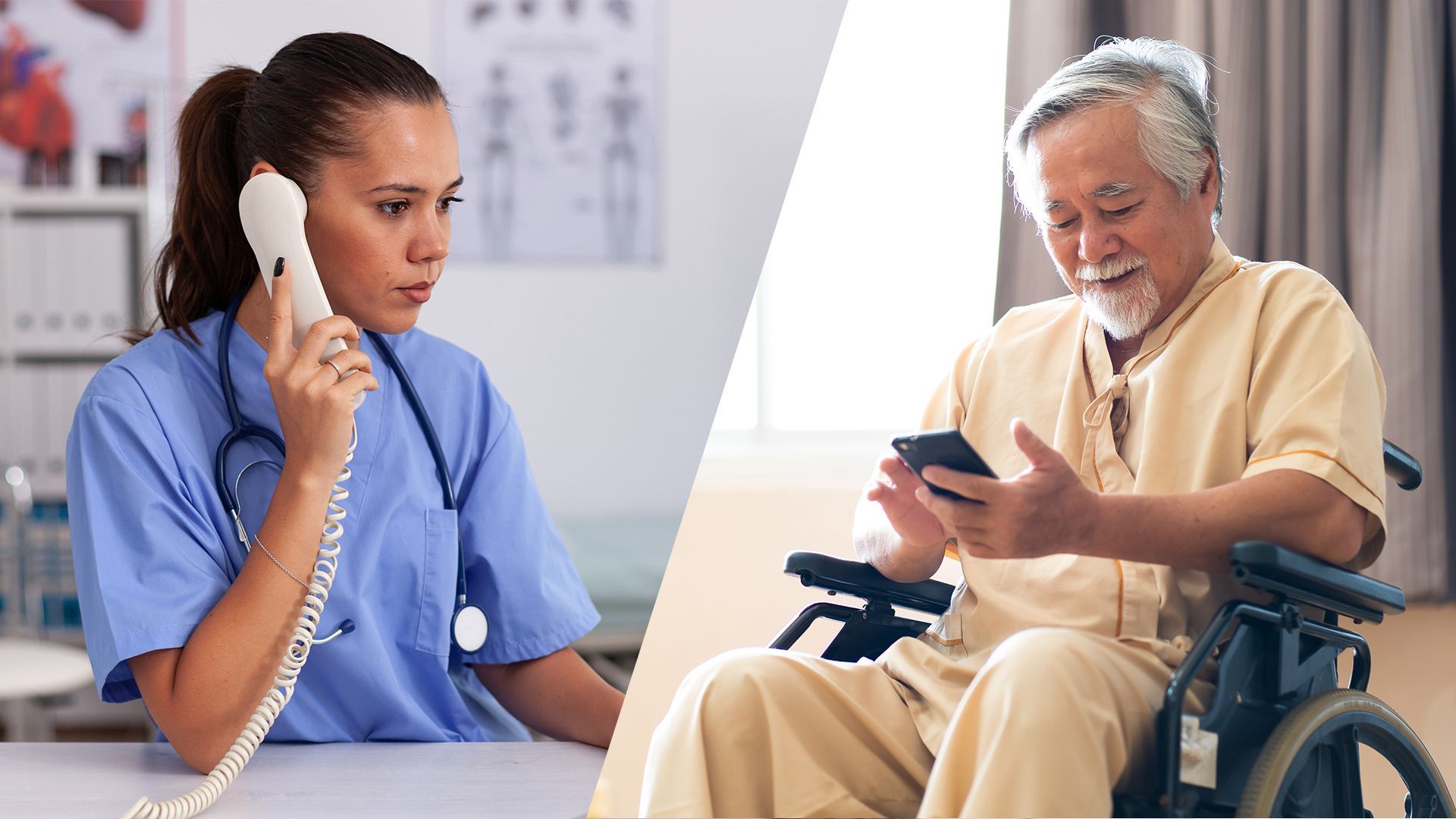
Hospital stays can be stressful, especially when transitioning home or to without the support of an aged care facility. INS LifeGuard provides essential services to help patients leave the hospital safely and confidently, ensuring needed support and ongoing care.

Breast, bowel, lung, cervical & heart health screenings are available to Australians in their 50s, most of them free. Here's what each one involves & who qualifies.
Uncover if falling asleep after meals is a warning sign for diabetes. Learn about possible symptoms, risk factors, and prevention methods.
About
INS LifeGuard is the only 24/7 nurse on-call personal and medical monitoring in Australia. We provide monitoring technology for both in the home and on the go and can also monitor other provider's equipment. Our services are suitable for anyone wanting support to stay independent such as the elderly, those with medical conditions and disabilities plus enhancing safety and security for lone workers.