
Have a Question?


Scam Alert: The Top Threats Facing Australians in 2026
INS LifeGuard • June 11, 2026
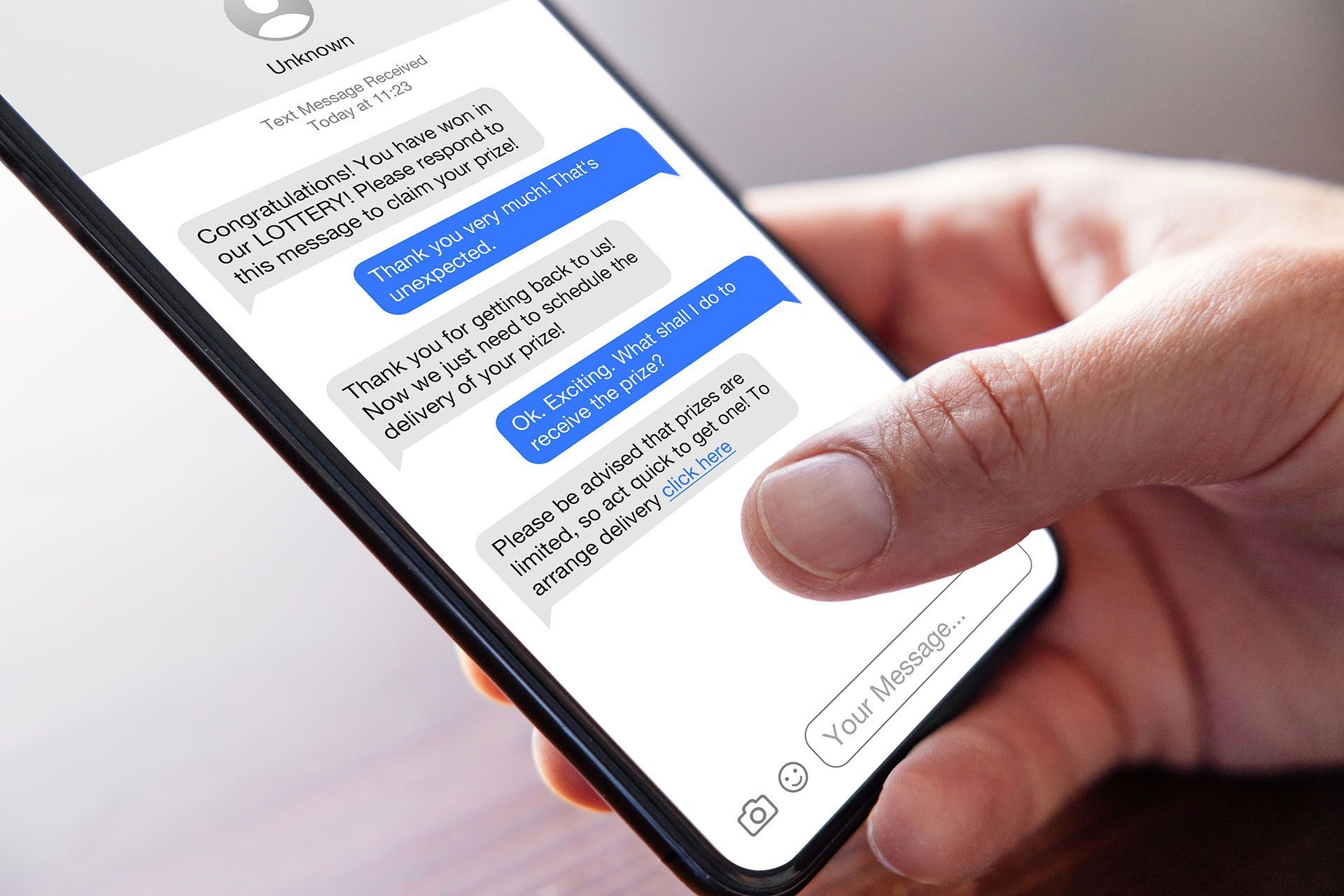
Scammers are evolving faster than ever, using artificial intelligence, voice cloning, deepfakes, fake websites, impersonation tactics and emotional pressure to target Australians across phone calls, emails, text messages, social media and online platforms.
As a trusted provider of personal alarms for the elderly, NDIS participants and vulnerable individuals, INS LifeGuard is deeply concerned about the growing number of scams targeting Australians, particularly older people, people living alone and those who may be more vulnerable to pressure or impersonation tactics.
According to the National Anti-Scam Centre’s latest Targeting Scams report, Australians reported $2.18 billion in scam losses in 2025, with investment scams, payment redirection, romance scams, phishing and remote access scams among the highest-loss categories.
But the most worrying development for families is the rise of AI voice-clone scams, where scammers use a loved one’s voice to make it sound as if they are frightened, injured, kidnapped, stranded, or urgently in need of money.
One of our clients recently shared a real-life example of a scam call:
“I got a scam call from someone claiming to be from eBay. They said a gift voucher had been purchased on my account and asked if I’d received any emails. When I said no, they said that’s why they were calling. Then they started asking me to check my phone settings. I ended the call by telling them I had a Nokia 3310 — they hung up with a not-so-nice goodbye.”
This kind of encounter is now far too common. Here are the top scams Australians should watch for in 2026, along with ways to protect themselves and their loved ones.
Top Scams Targeting Australians in 2026
1. AI Voice-Clone “Loved One in Danger” Scams
This is one of the most alarming scam trends for families.
Scammers can now use just a short sample of someone’s voice from social media, voicemail, video messages or online posts to create a convincing AI voice clone. Scamwatch warns that scammers can use these cloned voices to call people pretending to be a friend or family member in distress.
A typical call might sound like:
“Mum, I’ve been in an accident.”
“Grandad, I’m in trouble, and I need money now.”
“Please don’t tell anyone I’m scared.”
“They took my phone. I’m calling from someone else’s number.”
The aim is to trigger panic so you act before checking.
Red flags:
- The caller sounds distressed and asks for urgent money.
- They call from an unknown number or say their phone is broken.
- They ask you not to tell anyone.
- They request payment through bank transfer, gift cards, cryptocurrency or another fast method.
- They pressure you to act immediately.
Protection tips:
- Hang up and call your loved one back on their usual number.
- Agree on a family “safe word” or verification question.
- Do not rely on the sound of the voice alone.
- Contact another family member before sending money.
- Never send money under pressure.
- A helpful rule for families is: pause, verify, then act.
2. AI Deepfake Investment Scams
Scammers are using AI-generated videos and audio to make it appear as though celebrities, politicians, financial experts, or trusted organisations are endorsing investment opportunities. These scams often appear on social media, fake news websites or online advertisements.
Scamwatch says scammers use AI to create fake videos and audio recordings that can appear to show well-known people, government figures, or even family members endorsing products, investments, or making requests for money.
Red flags:
- A celebrity appears to promote a “secret” investment.
- The offer promises high returns with little or no risk.
- You are pushed to act quickly.
- The ad leads to a professional-looking but unfamiliar website.
- You are asked to deposit more money to “unlock” your funds.
Protection tips:
- Do not trust investment ads just because they feature a recognisable face.
- Check whether the company is licensed through ASIC.
- Never invest through links in social media ads.
- Be especially cautious of cryptocurrency, AI trading bots and “guaranteed return” claims.
3. Romance and Relationship Investment Scams
Romance scams continue to cause devastating emotional and financial harm. Scammers build trust over weeks or months, often using AI-generated photos, fake documents, scripted messages and convincing backstories.
Once trust is established, they may ask for money directly or encourage the person to invest in a fake cryptocurrency or trading platform.
Red flags:
- The relationship moves quickly.
- They avoid video calls or always have an excuse not to meet.
- They claim to be overseas, in the military, working on an oil rig or dealing with a family emergency.
- They introduce an investment opportunity.
- They ask for secrecy.
Protection tips:
- Never send money to someone you have not met in person.
- Be cautious if someone becomes emotionally intense quickly.
- Talk to a trusted family member or friend before making financial decisions.
- Do not let embarrassment stop you from seeking help.
4. Phishing and Impersonation Scams
Scammers continue to impersonate trusted organisations such as banks, Medicare, myGov, the ATO, Centrelink, telcos, delivery companies and energy providers.
These scams may arrive via text, email, phone call, or social media message and often contain links to fake websites designed to steal login details, card numbers, or identity documents.
Red flags:
- Messages that say your account will be suspended.
- Unexpected refund, fine, toll, parcel or Medicare messages.
- Poor spelling or unusual sender details.
- Links that ask you to log in or update personal details.
- A caller is asking for a code sent to your phone.
Protection tips:
- Do not click links in unexpected messages.
- Go directly to the official website or app.
- Never share one-time passcodes.
- Call the organisation using a number from its official website.
5. Remote Access Scams
Remote access scams remain one of the highest-loss scam categories in Australia. Scammers pretend to be from your bank, NBN, Microsoft, Telstra, Amazon, PayPal or a government agency. They claim there is a problem with your account, device or internet connection and ask you to download software such as AnyDesk, TeamViewer or similar remote access tools.
Once installed, they can take control of your device and access your banking information, passwords, and personal information.
Red flags:
- An unexpected caller says that your device, bank account, or internet connection has been compromised.
- They ask you to download remote access software.
- They tell you not to hang up.
- They ask you to log into your bank while they are on the phone.
- They say your money must be moved to a “safe account”.
Protection tips:
- Never give remote access to an unsolicited caller.
- Hang up immediately.
- Contact your bank using the number on your card or banking app.
- Do not be embarrassed; call your bank quickly if you think you have been tricked.
6. Fake Online Stores and Marketplace Scams
Fake online stores, social media ads and marketplace listings continue to target Australians looking for bargains. Scammers create polished websites, copy real brand logos and offer products at prices that seem too good to be true.
Red flags:
- Prices are far lower than those of other retailers.
- The website has limited contact details.
- There are no genuine reviews.
- Payment is requested by direct transfer.
- The store only recently appeared online.
Protection tips:
- Research unfamiliar stores before buying.
- Use secure payment methods such as credit cards or PayPal.
- Be cautious with social media ads.
- Check the website address carefully.
Scams Targeting Older Australians
Older Australians may be targeted because they are more likely to answer unknown calls, may be more trusting of authority, may not always recognise digital scam tactics and may have savings, superannuation, pensions or investments.
The latest National Anti-Scam Centre report notes that older Australians account for 26.5% of overall losses reported to Scamwatch, despite making up around 17.1% of the population.
Scams commonly targeting seniors include:
- Government impersonation scams, including ATO, Medicare, myGov and Centrelink scams.
- Tech support scams.
- Bank impersonation scams.
- “You’ve won” prize or travel scams.
- Emergency scams, including “your grandchild is in trouble”.
- AI voice-clone family emergency scams.
- Romance and companionship scams.
- Investment scams.
We’ve also created a dedicated guide for seniors and families covering online fraud and impersonation scams targeting older Australians in 2026.
A Family Safety Tip: Create a Scam Safe Word
Because AI voice scams can sound so convincing, families should consider creating a private “safe word” or phrase.
Choose something simple, memorable and not easy to guess. For example, a family holiday location, a childhood nickname or a phrase that would not appear on social media.
If someone calls claiming to be a loved one in danger, ask for the safe word. If they cannot answer, hang up and call the person back using their usual number.
This is especially helpful for older parents, grandparents, carers and people living alone.
How to Stay Safe from Scams
Scamwatch’s advice is to Stop. Check. Protect. Even when a message, call or video feels real, take a moment before acting.
Practical steps include:
- Hang up on suspicious calls.
- Do not click links in unexpected texts or emails.
- Call people back using trusted numbers.
- Never share banking codes or passwords.
- Never give remote access to your device.
- Set up multi-factor authentication.
- Use call-blocking and spam-filtering tools.
- Talk openly with older family members about current scams.
- Report scams to Scamwatch and contact your bank immediately if money has been sent.
Scammers rely on fear, urgency and secrecy. The best protection is to slow the situation down, verify through another channel and talk to someone you trust.
Frequently Asked Questions About Scams in Australia
How much money did Australians lose to scams in 2025?
Australians reported $2.18 billion in scam losses in 2025, according to the National Anti-Scam Centre. This was a 7.8% increase compared with 2024.
What were the biggest scams in Australia in 2025?
The top five scam types by reported losses were:
Investment scams: $837.7 million
Payment redirection scams: $166.8 million
Romance scams: $139.9 million
Phishing scams: $97.6 million
Remote access scams: $69.9 million
Together, these top five scam types accounted for 60% of total reported scam losses in 2025.
Are older Australians more at risk from scams?
Older Australians are heavily impacted by scams. People aged 65 and over reported $88.8 million in losses to Scamwatch in 2025, making up 26.5% of Scamwatch losses, despite representing around 17.2% of the Australian population.
What scams are most common for older Australians?
For Australians aged 65 and over, the highest-loss scam type in 2025 was investment scams, with reported losses of $50.8 million. The second-highest was phishing scams, with reported losses of $12.5 million.
What is an AI voice-clone scam?
An AI voice-clone scam is when scammers use artificial intelligence to replicate someone’s voice and make it sound as if a loved one is in danger. The scammer may pretend to be a child, grandchild, partner or friend and claim they have been in an accident, arrested, kidnapped or urgently need money.
The safest response is to hang up, call the person back on their usual number and check with another trusted family member before sending money.
How can families protect older loved ones from AI voice scams?
Families can create a simple family safe word. This is a private word or phrase known only to trusted family members. If someone calls claiming to be a loved one in an emergency, ask for the safe word before taking action.
Also, remind older loved ones that it is okay to hang up. A real family member will understand.
Are phone scams still common?
Yes, but Scamwatch data shows scammer contact methods are changing. In 2025, phone-call scam losses reported to Scamwatch decreased by 32%, while online contact methods became the biggest source of reported financial loss, reaching $158.5 million.
What payment methods do scammers commonly use?
In 2025, the highest reported Scamwatch losses were linked to cryptocurrency and digital currency exchanges, with $121.3 million reported lost. Bank transfers were also heavily used, with $118.1 million reported lost.
What should I do if I think I’ve been scammed?
Stop all contact with the scammer. Contact your bank immediately if money or personal information has been shared. Report the scam to Scamwatch and seek support from IDCARE if your identity information may have been compromised.
Final Word
Scams are becoming more sophisticated, but small habits can make a big difference.
For families, especially those with older loved ones, the most important message in 2026 is this:
Do not trust urgency. Do not trust a voice alone. Always verify before sending money or sharing information.
At INS LifeGuard, we believe safety is about more than emergency response; it is also about helping people stay informed, confident and connected. Share this article with friends, family and neighbours to help protect your community from evolving scams.
Note: This blog post has been updated using information available in 2026. For the latest scam alerts and reporting advice, refer to Scamwatch and the National Anti-Scam Centre.
About
INS LifeGuard is the only 24/7 nurse on-call personal and medical monitoring in Australia. We provide monitoring technology for both in the home and on the go and can also monitor other provider's equipment. Our services are suitable for anyone wanting support to stay independent such as the elderly, those with medical conditions and disabilities plus enhancing safety and security for lone workers.