
Have a Question?

Health Screenings You Need in Your 50s: A Complete Guide to Australia's Free Screening Programs
INS LifeGuard • September 18, 2026

Turning 50 comes with a few unexpected admin tasks, and one of them is a sudden influx of letters, texts, and reminders about health screening. If you've recently noticed you're being invited to tests you'd never heard of before, you're not imagining it. Several of Australia's national screening programs are specifically timed around this decade of life, because this is when the risk of several common conditions starts to climb.
The good news is that most of these programs are free, backed by strong evidence, and far quicker and simpler than people expect. Here's what's actually involved in each one.
Breast Screening (Mammograms)
What it's for: Detecting breast cancer before symptoms appear.
Who's eligible: Free mammograms are available to all women from age 40 through BreastScreen Australia, but the program actively invites and reminds women aged 50 to 74 to screen every two years, since more than 75% of breast cancers occur in women over 50. Women aged 75 and over remain eligible but won't receive an automatic invitation.
What's involved: You'll be asked to undress from the waist up in a private room (a two-piece outfit makes this easier than a dress), and the mammogram itself is performed by a female radiographer. Each breast is placed between two plates on the X-ray machine, which presses firmly for about 10 seconds to capture a clear image, usually two images per breast. Most women find the compression uncomfortable rather than painful, and you can ask the radiographer to stop at any point. The whole appointment takes around 20 minutes, though the actual imaging is only a few minutes of that. Most women receive a normal result and simply return in two years.
Bowel Cancer Screening
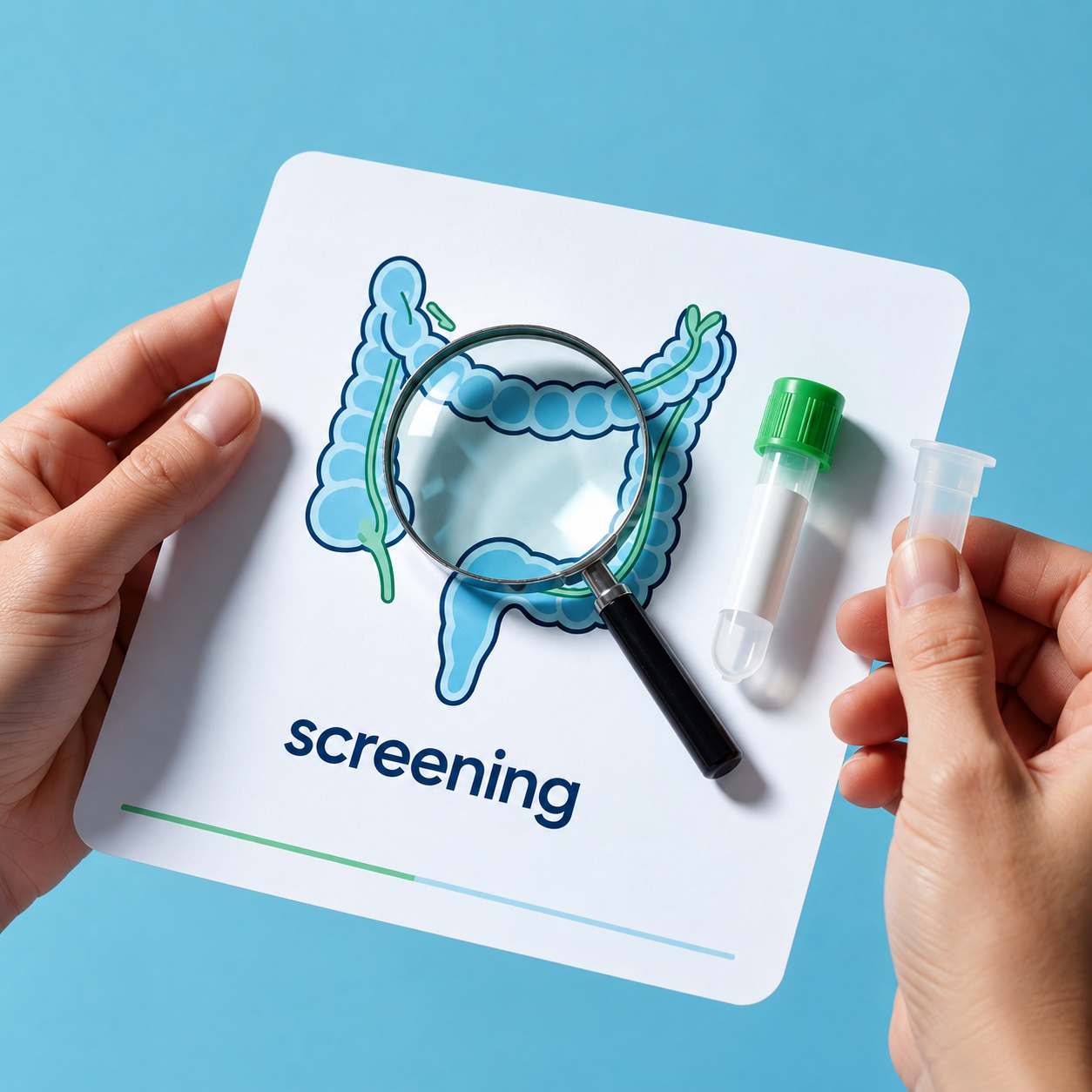
What it's for: Detecting early signs of bowel cancer, often years before symptoms would appear.
Who's eligible: This is one of the more recent changes worth knowing about. As of 1 July 2024, the eligible age dropped to 45, though people aged 45 to 49 need to actively request their first free kit. From age 50, a kit is mailed out automatically every two years without you needing to do anything.
What's involved: The test is done entirely at home, no appointment needed. The kit contains a small collection device, and you take a tiny sample from two separate bowel motions on different days using the tool provided. You then post the completed kit back in the reply-paid envelope included. Results are typically sent to you and your GP within a couple of weeks. If found early, more than 90% of bowel cancer cases can be successfully treated, which makes this one of the highest-value five minutes you'll spend on your health all year. A positive result doesn't mean you have cancer, it means blood was detected and a follow-up colonoscopy is recommended to investigate further.
Cervical Screening
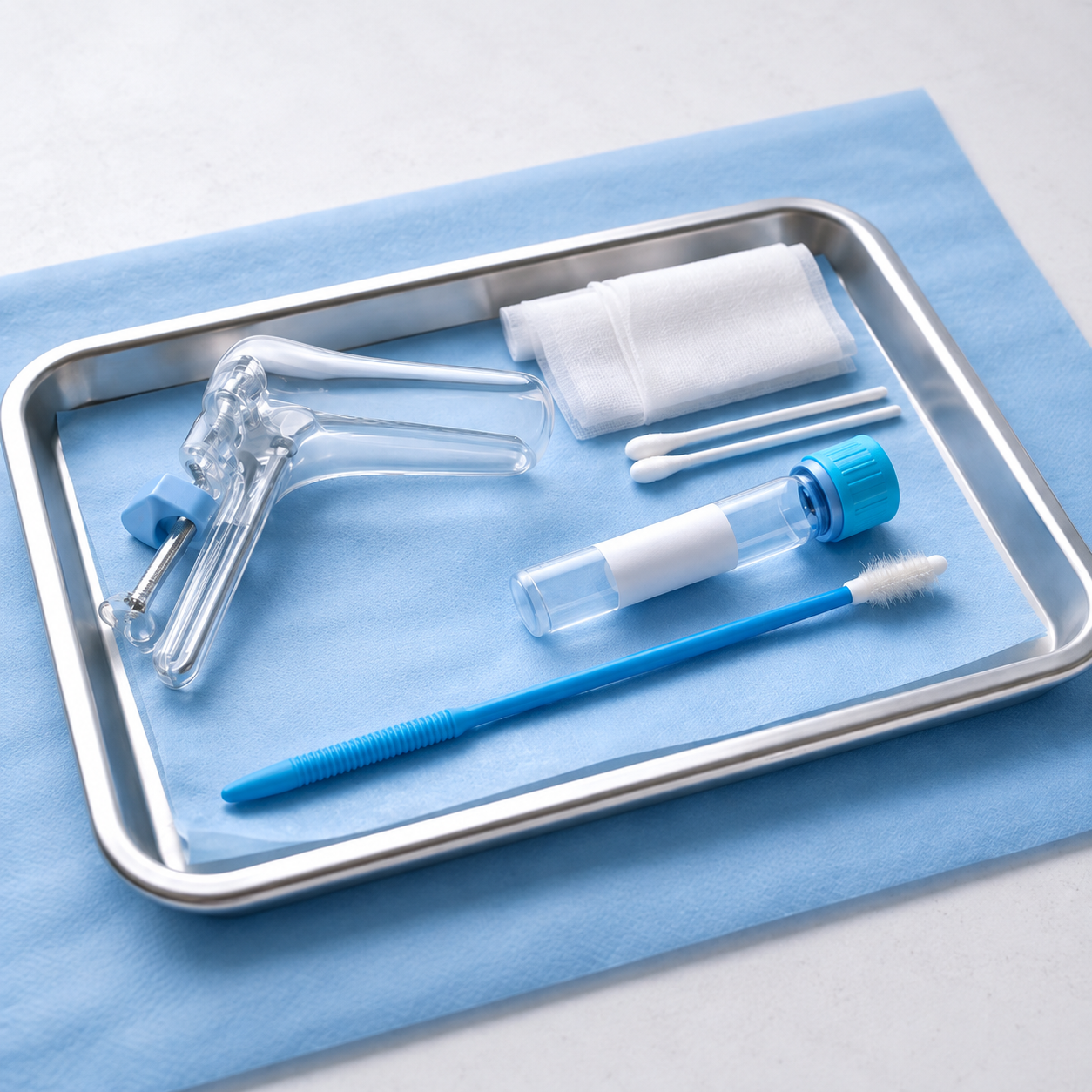
What it's for: Detecting HPV, the virus responsible for almost all cases of cervical cancer, before it develops.
Who's eligible: Anyone with a cervix aged 25 to 74 who has ever been sexually active, every five years. This applies regardless of HPV vaccination status.
What's involved: You have two options. A healthcare provider can take the sample using a speculum, similar to the old Pap test, or you can do a self-collection swab yourself in a private room at the clinic, which is just as accurate as a clinician-collected sample at detecting HPV. Self-collection involves inserting a small swab into the vagina yourself and rotating it for about 10 to 30 seconds, no internal examination required. Results generally take one to two weeks. Regular screening prevents around 90% of cervical cancers through early detection and treatment.
Lung Cancer Screening
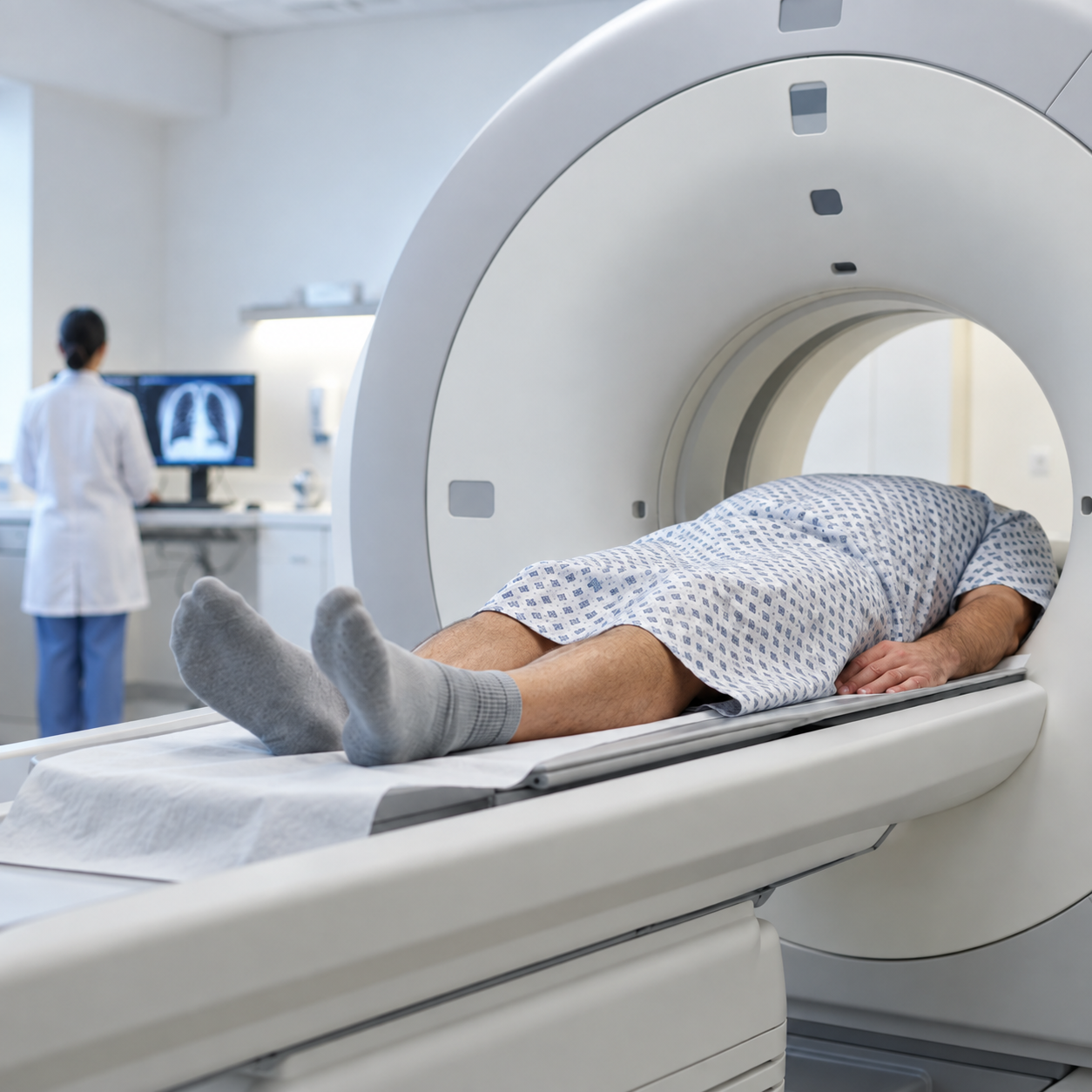
What it's for: Detecting lung cancer in high-risk individuals before symptoms appear, this is Australia's newest national screening program.
Who's eligible: This one is more targeted than the others. Launched in July 2025, the National Lung Cancer Screening Program is for people aged 50 to 70 with a significant smoking history, generally the equivalent of a pack a day for 30 years, who currently smoke or quit within the last 10 years. You don't need to have quit to participate, and you don't need symptoms, in fact, the program is specifically for people without symptoms.
What's involved: You'll need a referral from your GP first. The scan itself uses a low-dose CT machine, an open, ring-shaped scanner rather than an enclosed tube, so it's not an issue if you're claustrophobic. You lie on a table that slides through the scanner, and you'll be asked to hold your breath for five to ten seconds at a time to keep the images clear. No injections or contrast dye are used, and the scan itself takes only a few minutes, though you should allow 30 to 60 minutes for the full appointment including check-in. If eligible, you can continue screening every two years until age 71.
Heart Health Check

What it's for: Assessing your overall risk of a heart attack or stroke over the next five years, rather than checking for one specific condition.
Who's eligible: Australians aged 45 and over (30 and over for Aboriginal and Torres Strait Islander people) can access a Medicare-subsidised Heart Health Check (MBS item 699) from their GP, and it can be repeated annually.
What's involved: This is a consultation rather than a procedure, typically 20 to 40 minutes with your GP or practice nurse. They'll check your blood pressure, order a cholesterol blood test if you haven't had one recently, review your weight, family history, smoking status, and diabetes risk together, then calculate your absolute five-year cardiovascular risk score using all of this combined, rather than looking at any single number in isolation. You'll leave with a clear picture of your risk category and a plan for what to do about it. If you're supporting a partner or parent who's already living with heart disease rather than just screening for it, our carer's guide to heart conditions covers that side of things separately.
Type 2 Diabetes Risk Check
What it's for: Identifying your risk of developing type 2 diabetes before it develops.
Who's eligible: Anyone can complete the free AUSDRISK questionnaire at any age, but Australians aged 40 to 49 who score as high-risk are eligible for a Medicare-subsidised follow-up assessment with their GP every three years.
What's involved: The AUSDRISK tool itself is a short questionnaire, a few minutes online or on paper, covering your waist measurement, blood pressure history, physical activity, and family history. If you score as high-risk, your GP follow-up typically includes a fasting blood glucose test or HbA1c blood test, which requires a simple blood draw, usually after fasting overnight.
Skin Checks
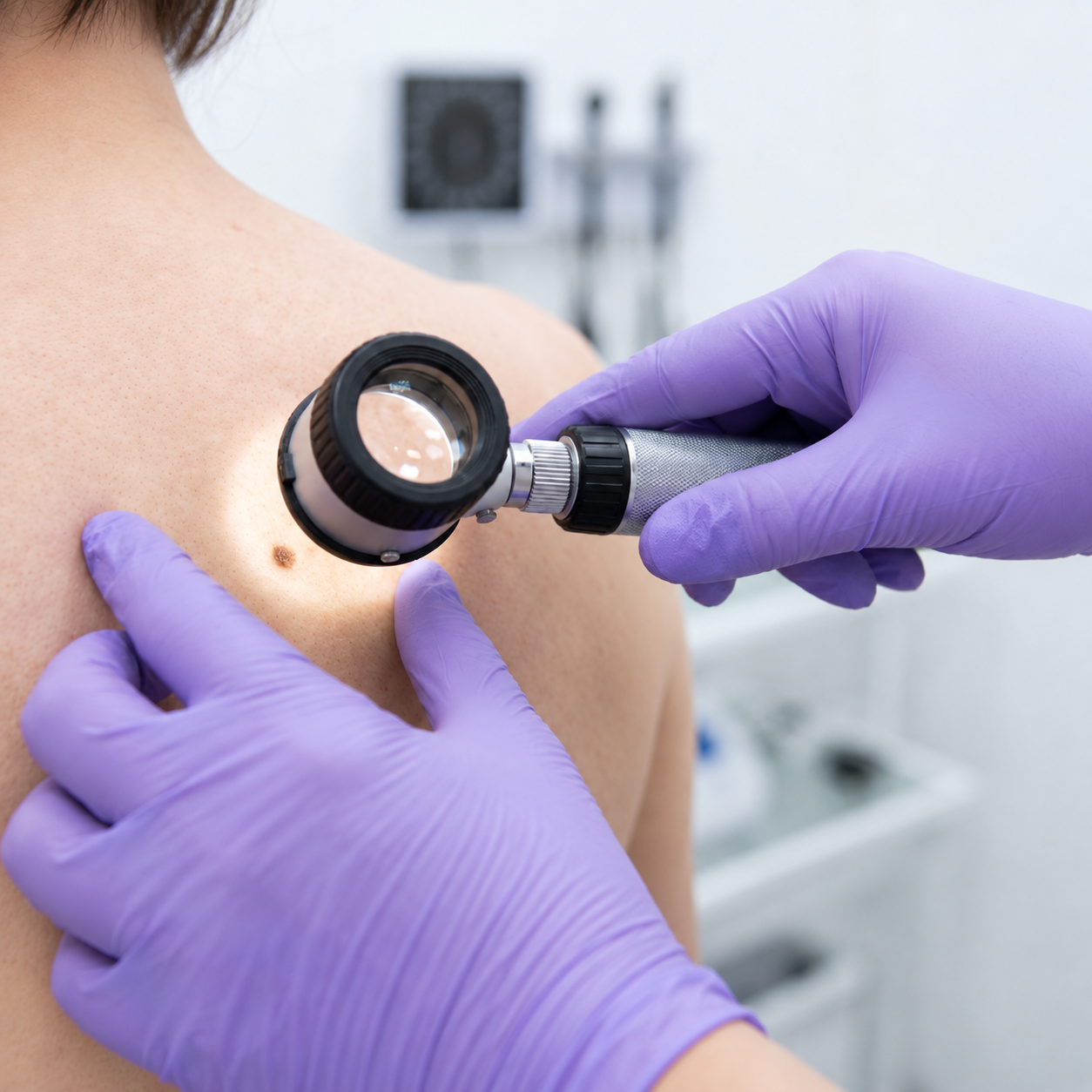
What it's for: Catching skin cancer, including melanoma, early.
Who's eligible: There's no formal national screening program for skin checks the way there is for the conditions above, but given Australia's skin cancer rates, an annual check with your GP or a dedicated skin cancer clinic is widely recommended from your 40s onward, particularly if you have a history of sun exposure, fair skin, or a family history.
What's involved: You'll undress to your underwear (a gown is usually provided) so the doctor can visually check your entire skin surface, including areas you can't easily see yourself, scalp, back, and soles of the feet. They may use a dermatoscope, a handheld magnifying light, to look more closely at any spots of concern. It's painless and usually takes 10 to 15 minutes. If something looks suspicious, it may be photographed for monitoring or referred for a biopsy.
What About Prostate Checks?
Unlike the screenings above, there's currently no national prostate cancer screening program in Australia, and PSA testing isn't automatically recommended for everyone. This is a genuine area of ongoing medical debate, since PSA testing can lead to overdiagnosis of slow-growing cancers that may never have caused harm. Rather than a blanket recommendation, the current advice is to have an individual conversation with your GP from your 50s (or from 40 to 45 if you have a family history), so you can weigh the benefits and risks together. If you do proceed, it typically involves a simple blood test, and sometimes a physical examination, rather than anything more invasive as a first step.
Screening Isn't the Whole Picture: Ongoing Monitoring Matters Too

Screening programs are designed to catch specific conditions at set intervals, but a lot can change in the two or five years between tests. This is where day-to-day health monitoring plays a different, complementary role.
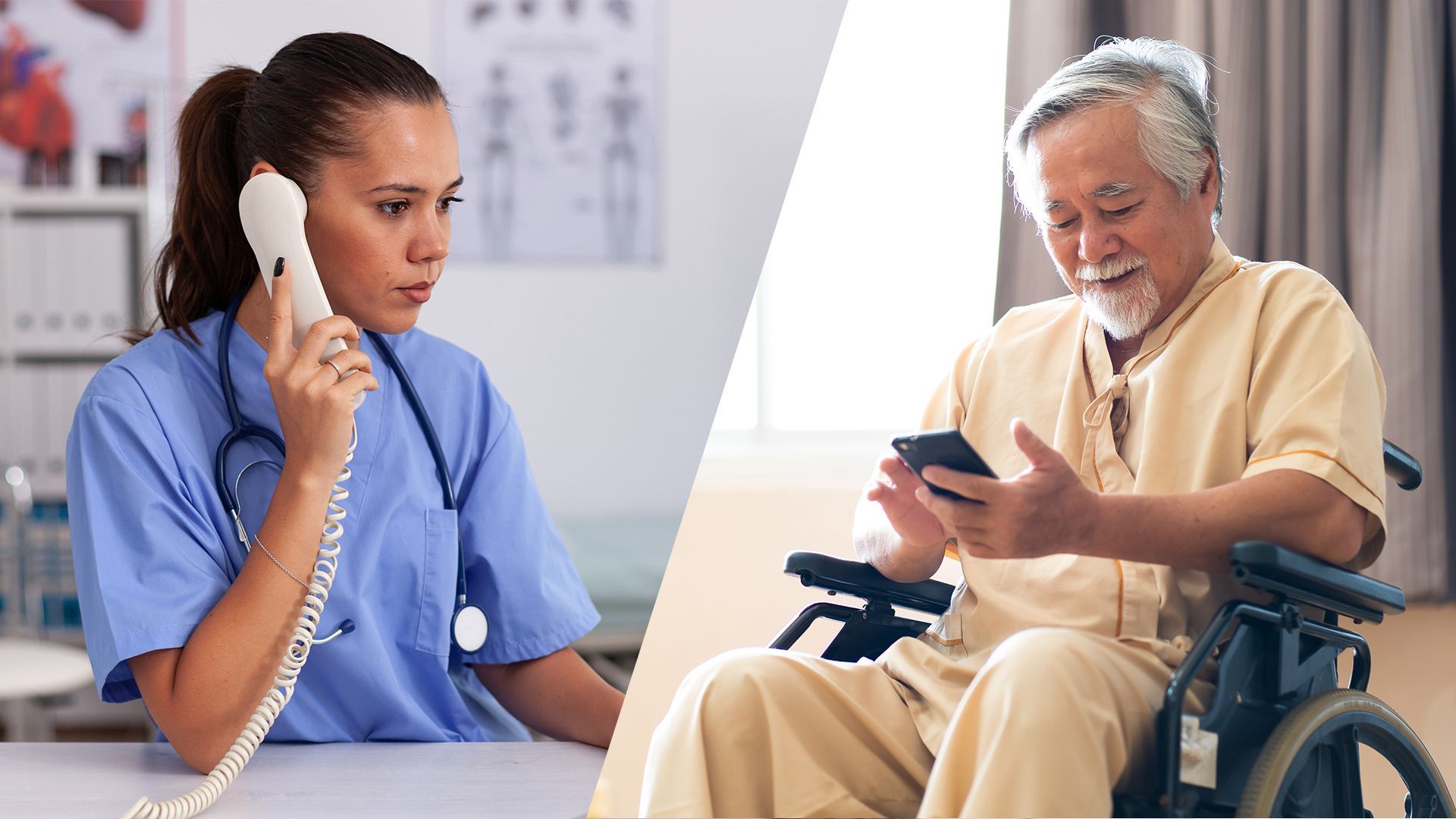
For those using a compatible smartwatch, INS LifeGuardian® Telehealth Services go further than a traditional personal alarm by tracking health signals continuously rather than only responding when a button is pressed. Some features are available on our premium plan.
- Heart rate and rhythm: Can detect irregularities, such as atrial fibrillation, early. AFib affects more than 500,000 Australians and becomes more common with age, but often goes unnoticed until it's picked up incidentally or causes a more serious event like a stroke.
- Blood oxygen levels: Important for respiratory health and can flag early signs of illness or a chronic condition worsening.
- Respiratory rate:
Useful for keeping track of chronic conditions like COPD, where changes in breathing patterns can signal a flare-up before it becomes a hospital-level emergency.
If something looks off, here's what happens:
- You receive an alert with practical guidance on what to do next.
- You can speak to a nurse at any time, day or night, not just during an emergency.
- For genuinely critical events, our nurses act immediately and coordinate emergency care on your behalf.
This kind of ongoing monitoring won't replace your mammogram, bowel test, or heart health check, but it fills the space between them, so changes in your health don't have to wait until your next scheduled screening to be noticed.
About
INS LifeGuard is the only 24/7 nurse on-call personal and medical monitoring in Australia. We provide monitoring technology for both in the home and on the go and can also monitor other provider's equipment. Our services are suitable for anyone wanting support to stay independent such as the elderly, those with medical conditions and disabilities plus enhancing safety and security for lone workers.