
Have a Question?

How to Get a Government-Funded Personal Alarm in Australia
INS LifeGuard • August 21, 2026
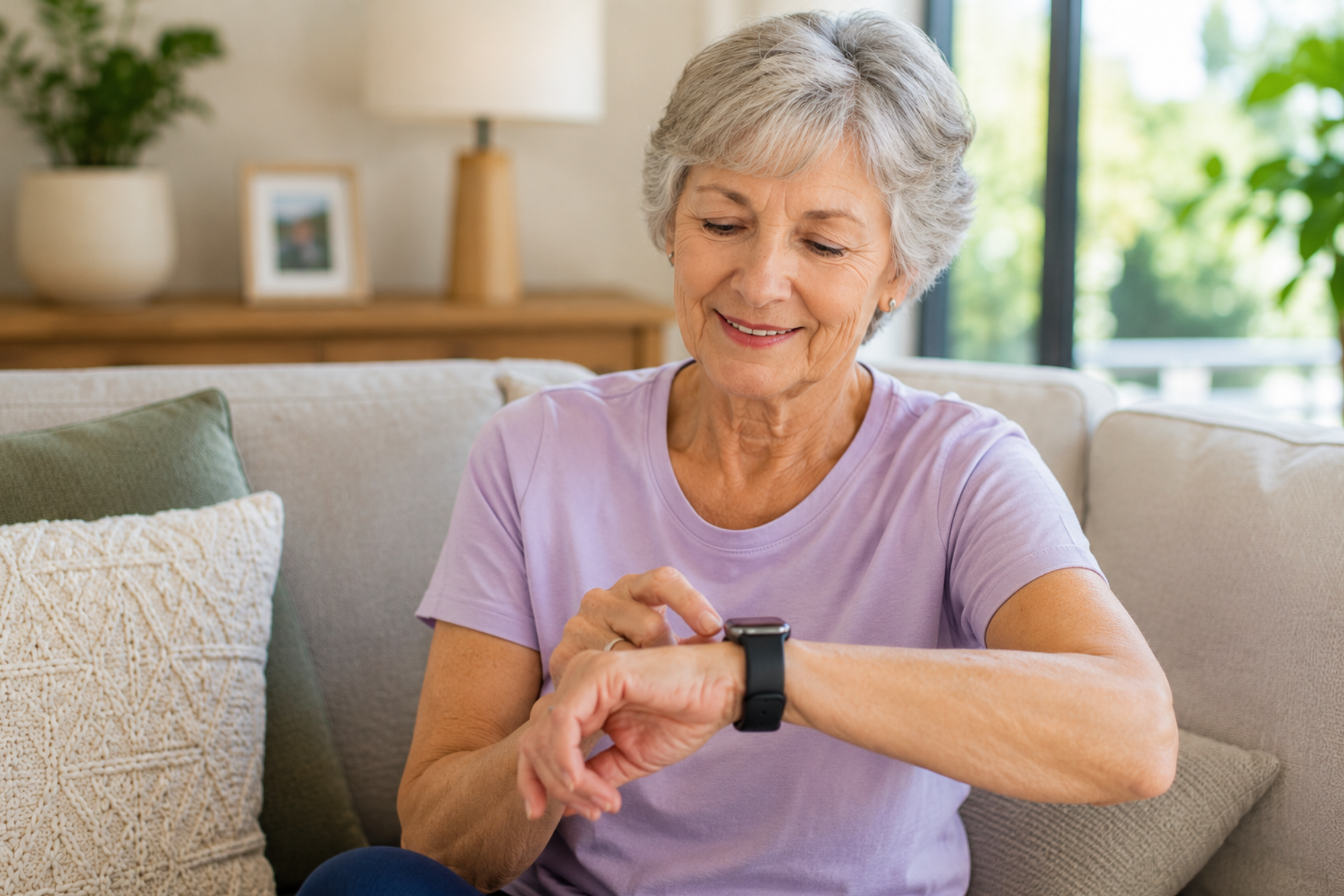
If you or someone you care for needs a personal alarm, you may be able to have some or all of the cost funded through an Australian Government support program.
Depending on your age, circumstances, assessed needs and eligibility, a government-funded personal alarm may be available through My Aged Care programs, Support at Home and the Assistive Technology and Home Modifications (AT-HM) Scheme, the Commonwealth Home Support Program (CHSP), the NDIS, or the Department of Veterans’ Affairs (DVA).
There isn't one universal "free personal alarm" or personal alarm rebate available to everyone in Australia. Instead, different government programs provide assistance to eligible people.
This guide explains the main personal alarm funding options available in Australia, what's changed under the new aged care system, and where to start if you think you or a family member may be eligible.
Can You Get a Government-Funded Personal Alarm in Australia?
Eligible Australians may be able to have some or all of the cost of a personal emergency alarm or medical alert system funded through an aged care, disability or veterans' support program.
The pathway that applies to you depends on your individual circumstances.
| Funding pathway | Who it may help | Personal alarm funding |
|---|---|---|
| Support at Home / AT-HM | Eligible older Australians living at home | Personal emergency alarm equipment and associated monitoring may be funded where there is an assessed need |
| CHSP | Eligible older Australians needing entry-level support | Assistance may be available depending on assessed needs, current services and CHSP arrangements |
| NDIS | Eligible NDIS participants | Personal alarms and related assistive technology may be funded where they meet NDIS funding criteria and relate to disability-specific needs |
| DVA | Eligible veterans and DVA clients | Approved Personal Response Systems (PRS) and Mobile Personal Emergency Response Systems (MPERS) may be available through the Rehabilitation Appliances Program (RAP) |
| Private funding | Anyone wanting additional safety and support | Personal alarms and monitoring can also be purchased privately |
Support at Home / AT-HM
Who it may help
Eligible older Australians living at home
Personal alarm funding
Personal emergency alarm equipment and associated monitoring may be funded where there is an assessed need
CHSP
Who it may help
Eligible older Australians needing entry-level support
Personal alarm funding
Assistance may be available depending on assessed needs, current services and CHSP arrangements
NDIS
Who it may help
Eligible NDIS participants
Personal alarm funding
Personal alarms and related assistive technology may be funded where they meet NDIS funding criteria and relate to disability-specific needs
DVA
Who it may help
Eligible veterans and DVA clients
Personal alarm funding
Approved Personal Response Systems (PRS) and Mobile Personal Emergency Response Systems (MPERS) may be available through the Rehabilitation Appliances Program (RAP)
Private funding
Who it may help
Anyone wanting additional safety and support
Personal alarm funding
Personal alarms and monitoring can also be purchased privately
Funding is subject to eligibility, assessment and the rules of the relevant program. Approval is not automatic.
Personal Alarms Through My Aged Care
If you're searching for My Aged Care personal alarms, it's useful to understand the role My Aged Care plays.
My Aged Care is the Australian Government's starting point for accessing government-funded aged care services. It isn't itself a personal alarm provider or a single pool of money that simply reimburses the cost of an alarm.
Instead, eligible older Australians can undergo an aged care assessment to identify their care and support needs.
Depending on your assessment and circumstances, assistance with a personal emergency alarm may be available through programs such as Support at Home and AT-HM, or through CHSP for eligible CHSP clients.
If you haven't already been assessed, contacting My Aged Care is generally the first step.
When discussing your needs, explain why a personal alarm may help you remain safe and independent at home. This could include concerns such as:
- living alone
- risk of falls
- difficulty reaching a telephone in an emergency
- mobility limitations
- feeling unsafe when outside the home
- needing a reliable way to summon assistance.
An assessment considers your individual needs rather than simply whether you want to purchase a particular alarm.
Personal Alarm Funding Through Support at Home
Australia's in-home aged care system changed significantly on 1 November 2025, when the Support at Home program replaced the former Home Care Packages Program and Short-Term Restorative Care Programme.
The Commonwealth Home Support Program continues to operate separately during the aged care reforms.
For eligible Support at Home participants, an important pathway for personal emergency alarms is the Assistive Technology and Home Modifications (AT-HM) Scheme.
AT-HM provides separate funding for approved assistive technology and home modifications that help older Australians remain safe and independent at home.
Personal emergency alarms are among the types of assistive technology that may be funded where there is an assessed need.
What Can AT-HM Cover for a Personal Emergency Alarm?
AT-HM assistance isn't necessarily limited to purchasing the alarm device.
Current Australian Government guidance explains that AT-HM funding can cover a personal emergency alarm and associated ongoing monitoring during the applicable 12-month funding period where there is an assessed need.
If monitoring is still required after that funding period, reassessment may be required.
AT-HM funding is separate from the participant's regular Support at Home quarterly budget.
Your eligibility and funding will depend on your aged care assessment, approved support plan and individual circumstances.
Want more detail? Read our How to Get a Personal Alarm Funded Through Support at Home guide for a more detailed explanation of Support at Home, assessments and AT-HM funding.
What Happened to Home Care Package Personal Alarm Funding?
If you've previously searched for a Home Care Package personal alarm, you may have found older information explaining how personal alarms could be purchased using HCP funding.
The Home Care Packages Program was replaced by Support at Home on 1 November 2025.
There are, however, transition arrangements for people who previously received a Home Care Package, including arrangements relating to eligible unspent HCP funds.
Because individual circumstances differ, speak with your provider or My Aged Care about the funding arrangements that apply to you rather than relying on older information about Home Care Packages.
What About CHSP Personal Alarm Funding?
The Commonwealth Home Support Program (CHSP) provides entry-level support to eligible older Australians who need some assistance to continue living safely and independently at home.
Importantly, CHSP was not replaced by Support at Home at the same time as Home Care Packages.
If you're already receiving CHSP services and believe a personal alarm could help you remain safe at home, speak with your CHSP provider about your assessed needs and the services or assistance available to you.
If your circumstances have changed, you may also need to discuss whether reassessment is appropriate.
If you're unsure whether CHSP or another aged care pathway applies to you, contact My Aged Care.
Can the NDIS Fund a Personal Alarm?
A personal alarm or related assistive technology may be funded for an eligible NDIS participant where it meets applicable NDIS funding requirements and relates to the participant's disability-specific support needs.
The NDIS doesn't automatically fund a product simply because it is marketed as a personal alarm, medical alarm, smartwatch or safety device.
Whether a support can be funded depends on the participant's individual circumstances and applicable NDIS requirements.
For some participants, appropriate assistive technology may help them seek assistance, increase independence or manage disability-related safety risks.
If you're considering an NDIS personal alarm, discuss your needs with the appropriate members of your support team and confirm how the proposed support relates to your plan before purchasing.
Learn more: Visit our NDIS Assistive Technology page for more information about INS LifeGuard personal alarm solutions and NDIS funding.
Are There NDIS-Approved Medical Alert Systems?
People often search online for "NDIS approved medical alert systems", but that wording can create the impression that there is simply a list of personal alarms that are automatically approved for every NDIS participant.
Funding doesn't work that way.
A medical alert system, personal alarm or related assistive technology needs to be considered in the context of the individual participant, their disability-specific needs, their plan and applicable NDIS funding rules.
Being available from an NDIS provider does not, by itself, mean a product will automatically be funded for every participant.
If you're considering a personal alarm through the NDIS, check your individual funding arrangements before making a purchase.
Can the NDIS Fund a Falls Watch or Personal Alarm Watch?
Some participants and families search for an NDIS falls watch, fall detection watch or personal alarm watch when looking for wearable assistive technology.
Depending on the device, a wearable personal alarm may provide features such as:
- HELP or SOS activation
- automatic fall detection
- GPS location
- two-way communication
- safety alerts
- compatible health-monitoring functionality.
Whether an NDIS participant can use their funding for a particular watch or personal alarm depends on their individual circumstances and applicable NDIS funding requirements.
It's also important to remember that automatic fall detection cannot detect every fall. Wearable technology should therefore be selected based on the person's individual needs rather than relying on fall detection alone.
Can DVA Fund a Personal Alarm?
Eligible veterans and DVA clients may be able to access a monitored personal response system through the Department of Veterans’ Affairs Rehabilitation Appliances Program (RAP).
DVA uses two relevant terms:
- Personal Response Systems (PRS) – monitored systems primarily designed to provide emergency assistance around the home.
- Mobile Personal Emergency Response Systems (MPERS) – monitored mobile systems designed to provide access to emergency assistance beyond the home where suitable network coverage is available.
Eligibility and clinical requirements apply.
If you're looking for a DVA personal alarm, speak with an appropriate healthcare professional or DVA about whether a Personal Response System or Mobile Personal Emergency Response System is suitable for your circumstances.
Learn more: Visit our
DVA Personal Alarms page for information about INS LifeGuard solutions for eligible veterans.

How Much Does a Personal Alarm Cost in Australia?
The cost of a personal alarm depends on the type of system, equipment, connectivity, features and monitoring service selected.
There may be:
- an equipment or device cost
- installation or setup costs
- mobile or connectivity costs
- ongoing 24/7 monitoring fees.
This is also why advertisements for a "free" personal alarm need to be considered carefully. A device may have little or no upfront cost while still requiring an ongoing monitoring subscription or service agreement.
For eligible people, government funding may cover some or all eligible personal alarm costs, depending on the program, assessment and approval.
If you're comparing personal alarms, consider the total cost of the equipment and ongoing service, as well as who responds when the alarm is activated.
What Type of Personal Alarm Should I Choose?
Funding is only part of the decision.
The personal alarm also needs to suit the person's lifestyle, mobility, health, living arrangements and level of risk.
An in-home alarm may suit someone who primarily wants protection around their home and garden.
Typically, the user wears a pendant or wrist transmitter that allows them to activate an alarm if they fall, become unwell or need assistance.
A mobile personal alarm may be more appropriate for someone who regularly leaves home independently.
Depending on the device, features may include:
- GPS location
- SOS or HELP activation
- two-way communication
- automatic fall detection
- mobile connectivity.
This can provide additional reassurance when walking, shopping, visiting family or participating in the community.
Some people prefer not to wear a traditional alarm pendant.
The INS LifeGuardian® Watch is a real fully functional Apple Watch personal alarm or Samsung Galaxy Smartwatch personal alarm provisioned by INS LifeGuard to provide a discreet wrist-worn alternative and, depending on the compatible device and service selected, can provide both personal safety and health-monitoring features.
These may include:
- emergency HELP activation
- GPS location
- fall detection
- compatible health and vital-sign monitoring
- access to the INS LifeGuard Emergency Response Centre.
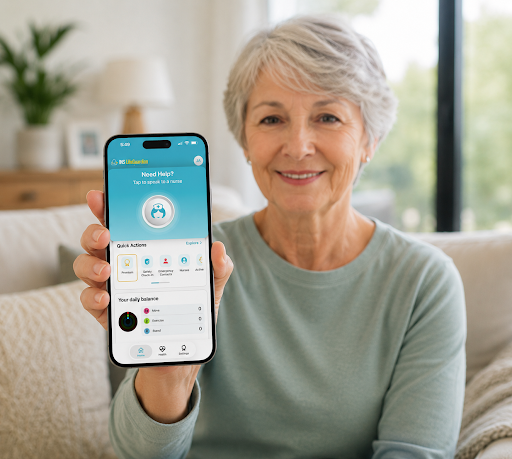
The INS LifeGuardian® App provides personal safety functionality through compatible Apple and Android devices.
It provides access to INS LifeGuard's 24/7 Emergency Response Centre, with additional functionality available through compatible devices and wearables.
What Happens When You Press an INS LifeGuard Personal Alarm?
The technology behind an alarm matters, but so does who responds when you need help.
INS LifeGuard's Emergency Response Centre operates 24 hours a day, 7 days a week and is staffed by qualified nurses and experienced healthcare professionals.
When an alarm is received, our nurses can assess the situation and coordinate an appropriate response based on the user's circumstances and response plan including triaging for medical emergencies.
Depending on the situation, this may include:
- speaking with and reassuring the user
- assessing what assistance may be required
- contacting nominated family members or carers
- arranging emergency assistance when required.
This gives users access to healthcare professionals at the press of a button rather than relying solely on an automated notification.
How Do I Apply for a Government-Funded Personal Alarm?
The process depends on the funding pathway that applies to you.
My Aged Care / Support at Home
- Contact My Aged Care and request an assessment if you haven't already been assessed.
- Explain your safety concerns and why a personal emergency alarm may help you remain safe and independent.
- Discuss whether a personal emergency alarm should form part of your assessed support needs.
- If appropriate funding is approved, discuss suitable alarm options with your provider.
- Contact INS LifeGuard if you or your provider require information about an appropriate personal alarm solution.
CHSP
- Speak with your CHSP provider about your safety concerns.
- Ask what assistance may be available based on your current services and assessed needs.
- If your needs have changed, discuss whether reassessment is required.
- Contact My Aged Care if you're unsure about your current aged care arrangements.
NDIS
- Identify the disability-specific safety or support need you are trying to address.
- Discuss appropriate assistive technology and supporting evidence with the relevant members of your support team where required.
- Check whether the proposed personal alarm can be funded under your individual circumstances and plan.
- Contact INS LifeGuard for information about suitable personal alarm options.
DVA
- Speak with an appropriate assessing health professional about your need for a Personal Response System or Mobile Personal Emergency Response System.
- Have your individual circumstances and clinical need assessed.
- Confirm eligibility under DVA's Rehabilitation Appliances Program.
- Arrange an approved personal response system where appropriate.
Frequently Asked Questions About Personal Alarm Funding
Are There Free Personal Alarms for the Elderly in Australia?
There isn't a universal government program providing free personal alarms for the elderly in Australia simply because someone has reached a certain age or receives the Age Pension.
However, eligible older Australians may be able to have some or all of the cost of an approved personal emergency alarm funded through government aged care programs.
For eligible Support at Home participants, for example, AT-HM funding may be available for a personal emergency alarm where there is an assessed need.
Veterans and people living with disability may have different funding pathways through DVA or the NDIS.
Is There a Personal Alarm Rebate Scheme in Australia?
There isn't one nationwide personal alarm rebate scheme available automatically to every Australian.
Instead of a single rebate, different government programs may help eligible people with the cost of an appropriate personal alarm.
Depending on your circumstances, assistance may be available through Support at Home/AT-HM, CHSP, the NDIS or DVA.
If you're an older Australian and aren't sure which program applies to you, My Aged Care is a good starting point.
Is There a Government Rebate for Personal Alarms?
People sometimes refer to personal alarm funding as a government rebate, but most government assistance isn't structured as a universal cash rebate that anyone can claim after purchasing an alarm.
Funding generally depends on eligibility, assessed need, approval and the rules of the particular government program.
For this reason, check your funding pathway before purchasing if you hope to have the alarm paid for through a government program.
Does My Aged Care Pay for Personal Alarms?
My Aged Care is the entry point for accessing Australian Government-funded aged care rather than a personal alarm provider itself.
Through the aged care assessment process, eligible people may be approved for services and supports that can include personal emergency alarm assistance where appropriate to their assessed needs and funding arrangements.
For eligible Support at Home participants, personal emergency alarms may be funded through AT-HM.
Does Support at Home Cover Personal Alarm Monitoring?
It can.
Current Australian Government guidance provides for funding of a personal emergency alarm and ongoing monitoring during the relevant 12-month AT-HM funding period, where there is an assessed need.
Continued monitoring beyond that period may require reassessment.
Can Seniors Get a Panic Button in Australia?
Yes. What people commonly call a panic button for seniors or seniors panic button may also be described as a personal alarm, medical alert system, emergency alarm or personal response system.
Depending on the system, pressing the HELP or SOS button can connect the user to a monitoring service or alert nominated contacts.
Modern personal alarms may also provide features such as:
- GPS location
- automatic fall detection
- two-way communication
- mobile coverage away from home
- wrist-worn or smartwatch options.
For eligible older Australians, an appropriate personal emergency alarm may also qualify for government funding depending on their program, assessment and circumstances.
Can the NDIS Pay for a Personal Alarm?
Potentially.
An NDIS participant may be able to obtain funding for an appropriate personal alarm or related assistive technology where it meets applicable NDIS funding requirements and relates to their disability-specific needs.
A personal alarm shouldn't be assumed to be automatically "NDIS approved" simply because it is marketed to NDIS participants.
Does DVA Provide Personal Alarms?
Eligible DVA clients may be able to access approved Personal Response Systems (PRS) or Mobile Personal Emergency Response Systems (MPERS) through the Rehabilitation Appliances Program where DVA's eligibility and clinical requirements are met.
Do I Need to Wear a Pendant?
No.
Personal alarms are available in different formats, including:
- neck-worn pendants
- wrist-worn alarms
- mobile GPS alarms
- smartwatches
- smartphone-based solutions.
The best option is generally one that suits the user's individual needs and that they are comfortable having with them consistently.
What Happens if I Fall and Can't Press the Button?
Some personal alarms and compatible wearable devices include automatic fall detection.
When a possible fall is detected, the device may automatically initiate an alert without requiring the user to manually press the HELP button.
No automatic fall-detection technology can detect every fall, so a HELP or SOS button remains an important part of a personal alarm system.
Find the Right Personal Alarm and Funding Pathway
Understanding personal alarm funding can be confusing, particularly following changes to Australia's aged care system.
INS LifeGuard can help you understand the personal alarm solutions available and provide product and service information that your aged care provider, assessor, support coordinator or healthcare professional may require.
Whether you're exploring My Aged Care, Support at Home and AT-HM, CHSP, NDIS or DVA funding, or would prefer to purchase a personal alarm privately, our team can help you identify a solution suited to your needs.
With INS LifeGuard, help is available 24 hours a day, 7 days a week, with alarms answered by qualified nurses and healthcare professionals.
Talk to INS LifeGuard About a Personal Alarm
Want to know which personal alarm may be right for you, a family member, resident or care recipient?
Call INS LifeGuard on 1800 636 226 or contact our team online to discuss your personal alarm options.
Funding is subject to individual eligibility, assessment, approval and current government program requirements. Information on this page is general in nature and does not constitute individual funding, health or financial advice. Government programs and eligibility requirements can change, so current requirements should always be confirmed with the relevant government agency or provider.
Related Articles
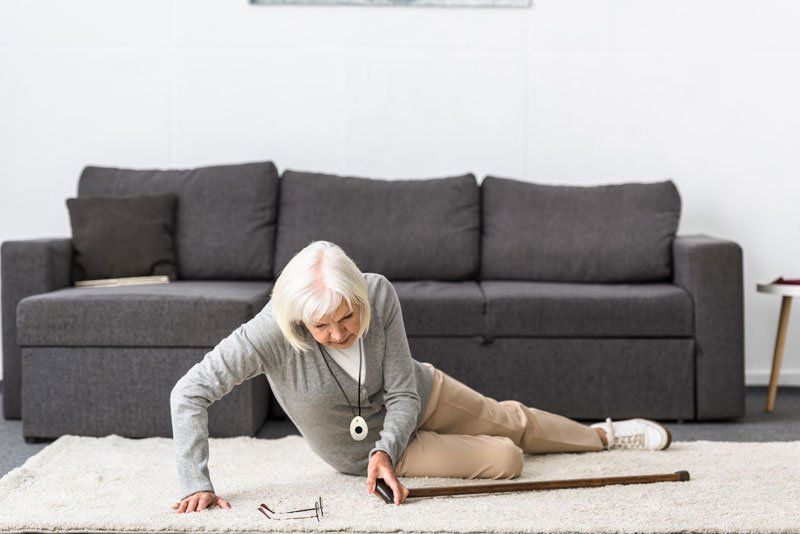
Learn about fall prevention in aged care, fall management strategies, risk factors and how personal alarms and medical alert systems can support older Australians.

Learn the early signs and symptoms of Motor Neurone Disease (MND), how it progresses, and practical ways to support independence and safety at home.
Learn how people with Motor Neurone Disease can receive priority access to Support at Home and AT-HM funding for aged care support in Australia.
About
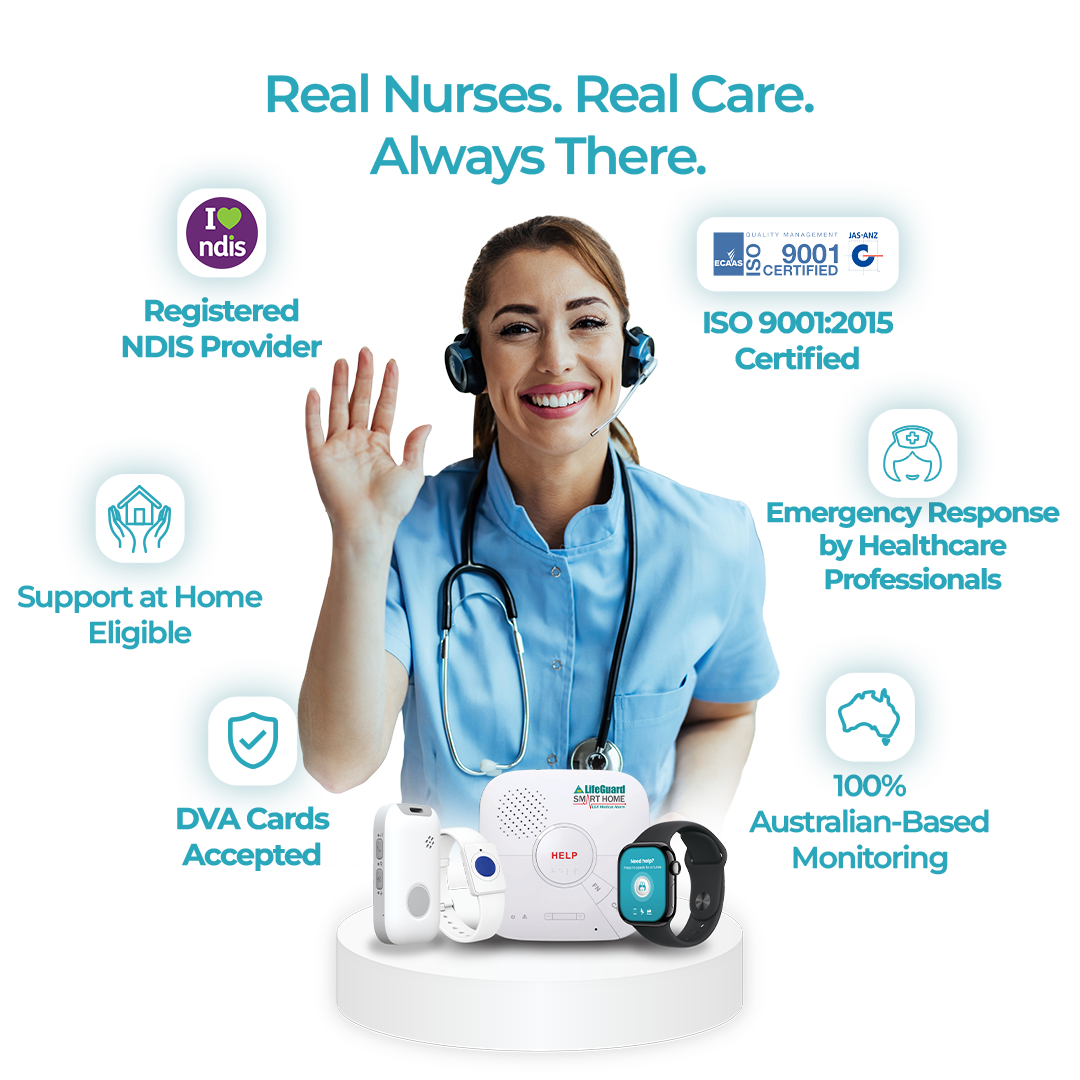
INS LifeGuard is the only 24/7 nurse on-call personal and medical monitoring in Australia. We provide monitoring technology for both in the home and on the go and can also monitor other provider's equipment. Our services are suitable for anyone wanting support to stay independent such as the elderly, those with medical conditions and disabilities plus enhancing safety and security for lone workers.