
Have a Question?

Easing Australia’s Ambulance Crisis with Nurse-Led Alarm Services
INS LifeGuard • September 18, 2026
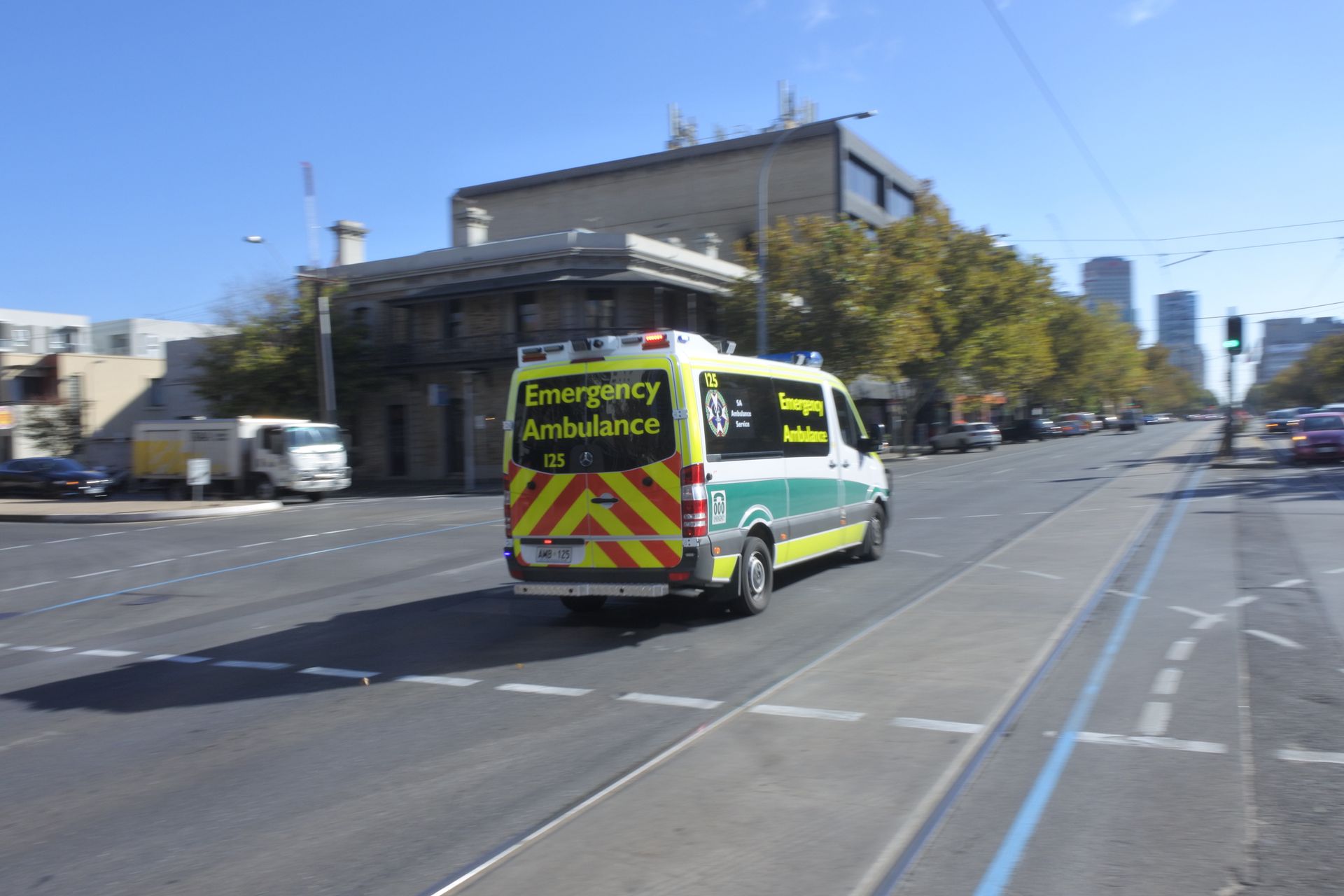
Australia's ambulance ramping crisis shows no sign of easing. In August 2026, South Australia recorded its worst month on record, with patients spending 5,891 hours ramped outside public hospitals, according to an independent review of SA Health tabled in state parliament. The review found ramping has been "chronic" across the entire 2022 to 2026 period, with the state's health system deteriorating despite repeated commitments to fix it.
The picture is the same nationally. The Australian Medical Association's 2026 Ambulance Ramping Report Card describes ramping as no longer a seasonal spike but a structural feature of Australia's health system, with more than 2.4 million people arriving at emergency departments by ambulance in 2024–25, a record high. Western Australia has also recorded some of its worst ramping figures on record through 2026, with health leaders across the country pointing to the same underlying cause: not enough beds, an ageing population, and growing demand on emergency departments outpacing the system's capacity to respond.
Much of this bottleneck starts further back than the ambulance bay. When hospital beds are occupied by patients who are medically ready for discharge but have nowhere to go, as is currently the case for over 3,600 older Australians nationwide, emergency departments can't move admitted patients upstairs. EDs fill up, and ambulances queue outside, unable to offload.
At INS LifeGuard, that is exactly where we step in.
Early Intervention: Avoiding Unnecessary Ambulance Calls
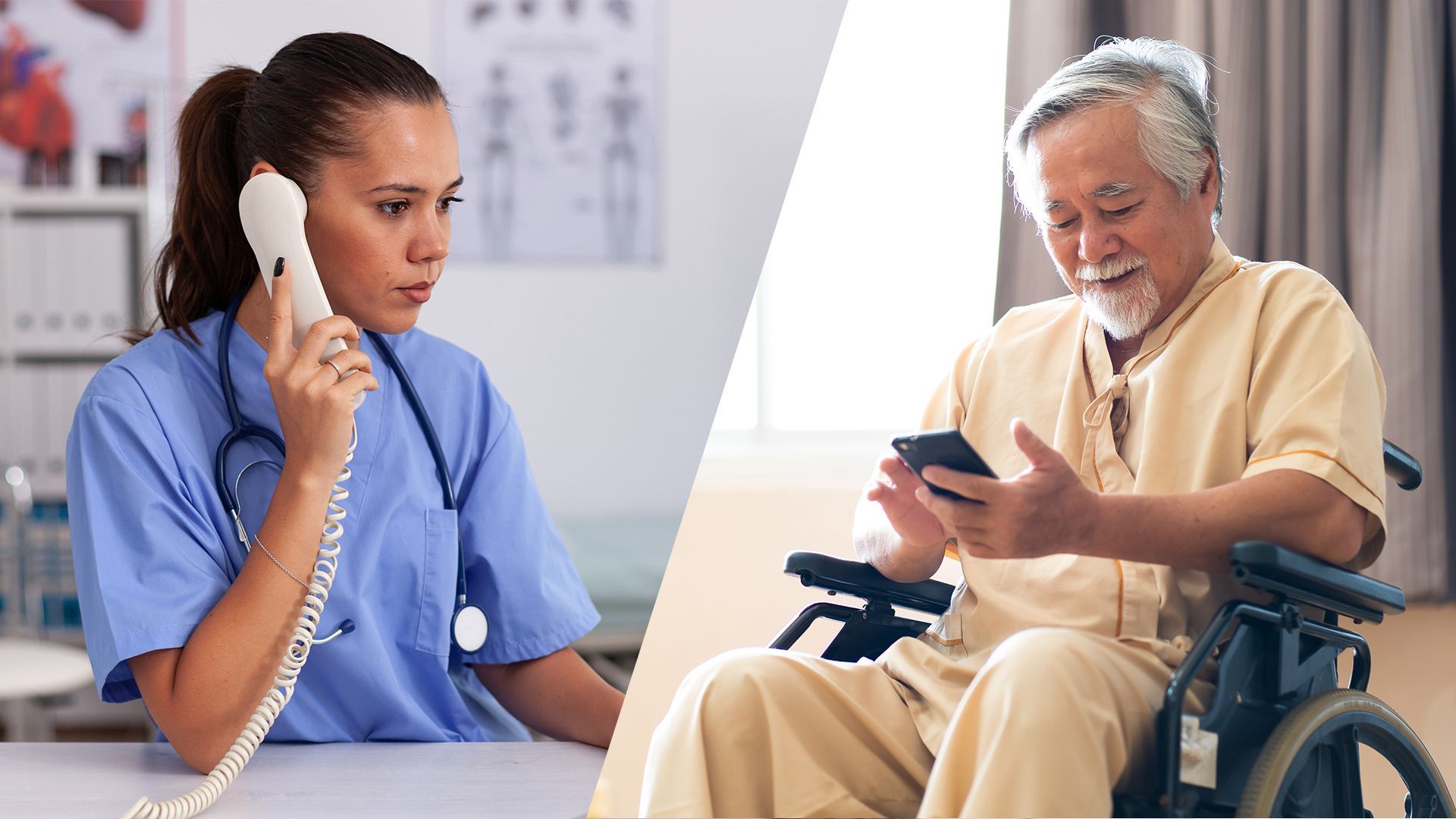
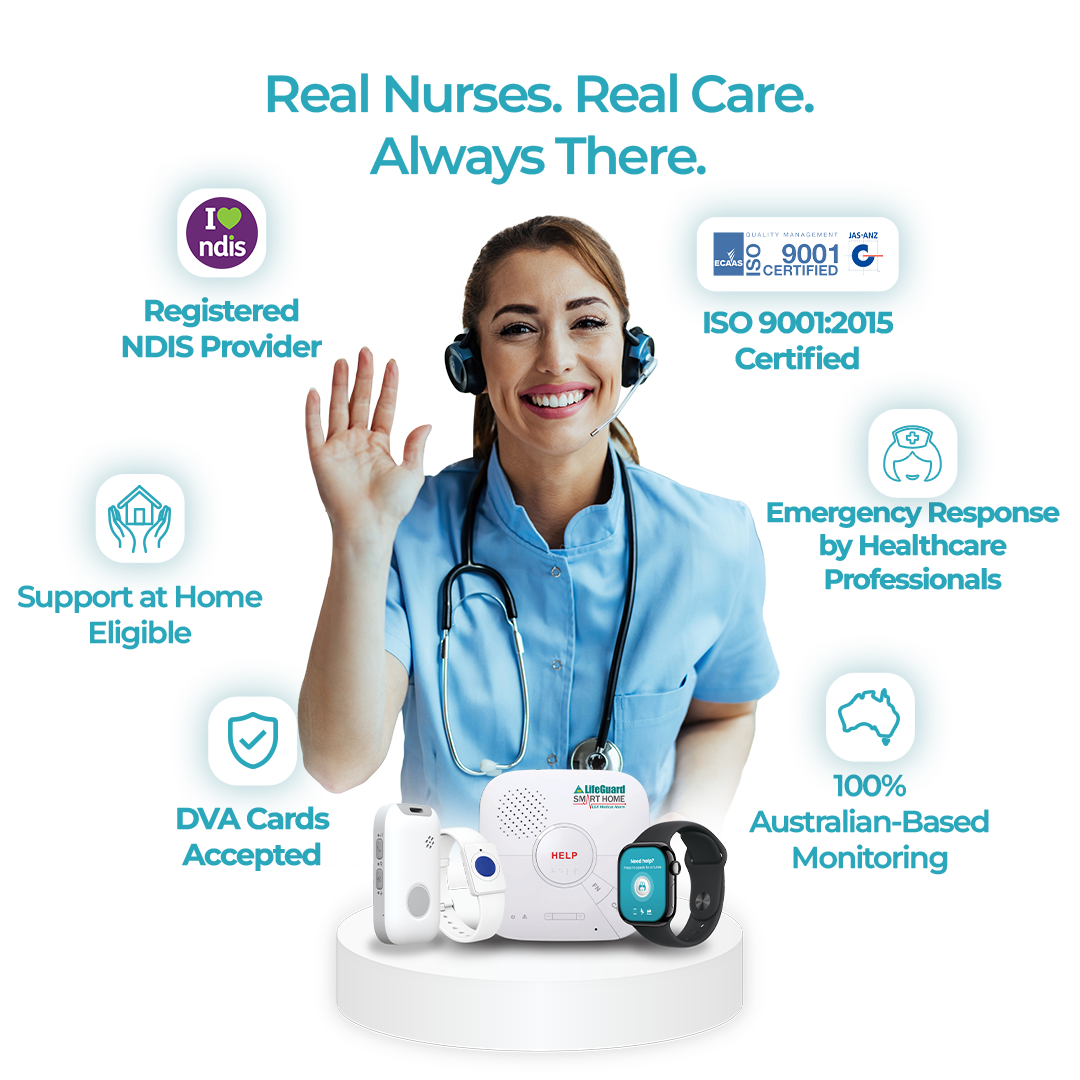
Our unique point of difference is that a nurse answers every alarm raised through an INS LifeGuard personal medical alarm or the INS LifeGuardian® app. Unlike generic call centres and standard medical alert systems, our nurse-led triage service can assess the situation in real time.
If it's a true emergency, we dispatch an ambulance immediately. But often, our nurses can provide clinical advice or reassurance that avoids an unnecessary trip to hospital. Even if you just "don't feel right," pressing your in-home device, pendant, or using the app connects you directly to a nurse who can advise you on the safest next steps.
This approach helps reduce ambulance call-outs, prevents avoidable hospital admissions, and gives people the confidence to live independently with support always available.
Proactive Health Monitoring: Catching Problems Early
The INS LifeGuardian® telehealth services are available for both iOS and Android smartphones integrated with wearables. Apple Watch and Android Wear OS devices offer advanced health tracking features, giving people powerful tools to help monitor their wellbeing.
- Vital signs such as heart rate and blood pressure can be recorded and reviewed by our nurses.
- Out-of-range results trigger an automatic alert and follow-up.
- Monthly nurse reviews identify trends and catch issues before they escalate.
This proactive approach means more Australians can manage their health at home, reducing the risk of emergency hospital admissions and easing demand on emergency departments.
A Free Lifeline: Medical Information & Nurse Chat Line
Every INS LifeGuard client has access to our Medical Information and Nurse Chat Line. This 24/7 service ensures you always have a qualified healthcare professional available, not just in emergencies, but for everyday reassurance.
Our nurses provide:
- Clinical advice and health information
- Symptom checks and triage
- Guidance if you're unsure whether to call an ambulance
- Friendly support if you're feeling anxious or unwell
This is more than a monitoring service, it's a trusted nurse-led support line that helps people avoid unnecessary emergency visits.
Supporting Hospitals and Aged Care with a Nurse-Led Solution
As governments debate who should shoulder responsibility, INS LifeGuard is already delivering solutions that support aged care providers, retirement villages, and the wider health system.
Our nurse-led triage service and telehealth monitoring technology help:
- Reduce unnecessary emergency call-outs
- Monitor health trends for early intervention
- Provide 24/7 access to qualified healthcare professionals
- Support aged care residents, seniors living independently, and people with disability
By preventing avoidable ambulance trips and hospital admissions, we're helping to relieve pressure on an overstretched health system, the same pressure that's also driving Australia's
aged care bed block crisis.
Conclusion
Ambulance ramping isn't just about hospital bed numbers; it's about ensuring people get the right care at the right time. With INS LifeGuard's personal medical alarms in Australia, combined with our telehealth monitoring and nurse-led triage services, Australians have access to immediate, professional support that helps prevent emergencies, reduces unnecessary hospital visits, and supports a healthcare system under strain.
To learn how INS LifeGuard can support you, your family, or your organisation, call 1800 636 226 or visit inslifeguard.com.au.
Frequently Asked Questions
What is ambulance ramping?
Ambulance ramping happens when patients arriving by ambulance can't be transferred into a hospital's emergency department within a safe timeframe, usually because there's no bed or staff available to receive them. Instead, patients wait in the ambulance itself, sometimes for hours, while paramedics remain with them rather than responding to other calls.
Why is ambulance ramping getting worse in Australia?
Ramping is largely a flow-on effect of hospital bed shortages further up the system. When patients who are medically ready for discharge can't leave hospital due to a lack of aged care placements or home support, beds stay occupied longer than necessary. That backs up the entire system; emergency departments can't admit new patients, so ambulances queue outside, unable to offload.
Can a personal alarm actually reduce ambulance callouts?
Yes, when a nurse answers the medical alarm rather than a non-clinical operator. A standard alarm operator typically has to call an ambulance as the safe default whenever someone presses their button, even for non-urgent concerns. A nurse can assess the situation, provide clinical advice, or arrange a GP visit instead, avoiding an unnecessary ambulance callout and a trip to an already-stretched emergency department.
What's the difference between INS LifeGuard and a standard monitored alarm?
Every alarm raised through INS LifeGuard is answered by a nurse through our Clinical Operations Centre, not a general call centre operator. This means the person you speak to can triage symptoms, check them against your medical history, and decide on the safest next step, rather than following a fixed script.
Does INS LifeGuard still call an ambulance if it's a genuine emergency?
Yes. If a nurse determines the situation is a true emergency, they call an ambulance straight away. Because a nurse has already assessed the patient rather than a scripted call handler, the call for help happens faster. Nurse-led triage isn't about avoiding ambulances altogether; it's about ensuring the right response happens quickly, and that one is sent only when genuinely needed.
Is a nurse-monitored personal alarm funded by the government?
Yes, eligible Australians can access funding through several pathways, including the Support at Home program's AT-HM (Assistive Technology) scheme, NDIS, and DVA. Call 1800 636 226 to check what you may be eligible for.
About
INS LifeGuard is the only 24/7 nurse on-call personal and medical monitoring in Australia. We provide monitoring technology for both in the home and on the go and can also monitor other provider's equipment. Our services are suitable for anyone wanting support to stay independent such as the elderly, those with medical conditions and disabilities plus enhancing safety and security for lone workers.